Jubei
- 01CuisineYakiniku (Japanese BBQ)
- 02CityTokyo, Japan
Urutora BEEF over binchotan charcoal
- La Liste Top Restaurants: 86pts · 2026
- Tabelog Silver #49: 4.5pts · 2026
- Tabelog 100 #98: 4.5pts · 2025
- La Liste Top Restaurants: 87pts · 2025
- Tabelog Silver · 2025
- Opinionated About Dining Top Restaurants in Japan Ranked #435 · 2025
- Opinionated About Dining Top Restaurants in Japan Ranked #430 · 2024
- Opinionated About Dining Top Restaurants in Japan Recommended · 2023
Dashi in the cut of the tongue
Dashi is worked into the tongue before it reaches the grill at Jubei in Gotanda, Tokyo, a yakiniku room built around heat, sauce, rice, and timing. The house credits its owner with 30 years of attention to yakiniku, especially to the sauce program and to the decision to raise Urutora BEEF for the restaurant rather than buy it in. That kind of vertical control is uncommon in the Tokyo yakiniku trade, and it sets the terms at the bench: the meat has to meet the fire at the right moment, the rice has to arrive freshly cooked, and the condiments have to be placed with the same care as the cut itself. The room sits a minute from Gotanda Station, which keeps it inside the working city rather than apart from it, and the discipline it asks for is repetition and judgment under service rather than display.
Five elements at the grill
Jubei’s method turns on a five-part yakiniku discipline: high-quality meat, sauce, charcoal smoke, freshly cooked rice, and condiments. The house-raised Urutora BEEF is bred for lean red-meat flavor and a lighter fat profile, a deliberate counterpoint to heavier marbling, and the owner recommends it to guests who do not like marbled meat. On the grill, the restaurant favors a one-sided method. The cook watches for juices to rise on the surface and for the edge to lift, then folds and serves the meat rather than turning it through a second sear. The result depends on timing, not theatre. Binchotan charcoal gives the heat its clean line, while the sauce work carries the owner’s 30-year obsession with balance. Dashi Tongue Salt follows the same logic. The tongue is hand-cut, kept from freezing until service, soaked with a proprietary broth, grilled, and finished with fresh lemon. White Sauce sits beside it as a house signature rather than a garnish. Aomori garlic and Edo Senjyu green onions put the condiments into the same chain of sourcing as the beef and rice.
The room around the smoke
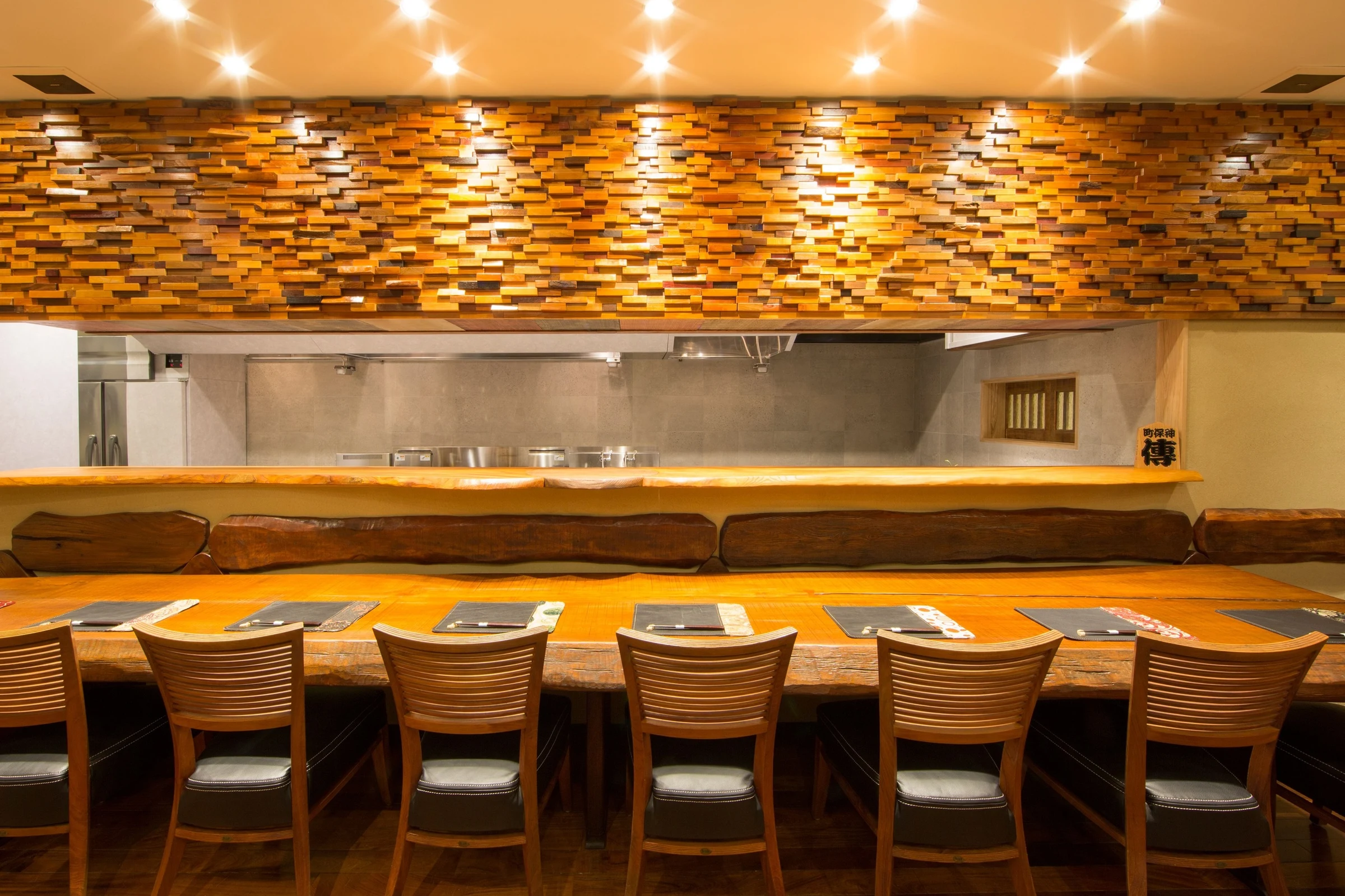
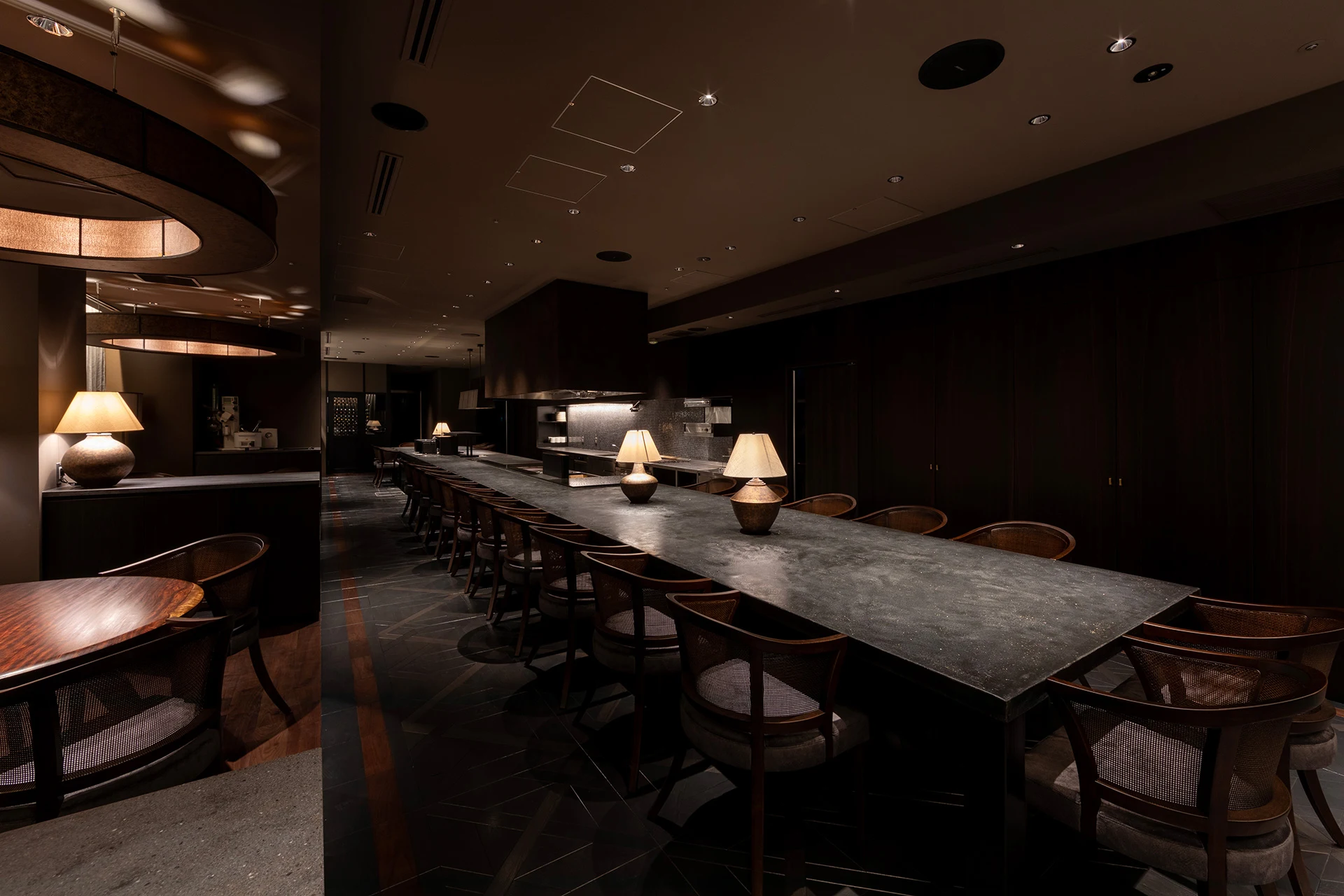
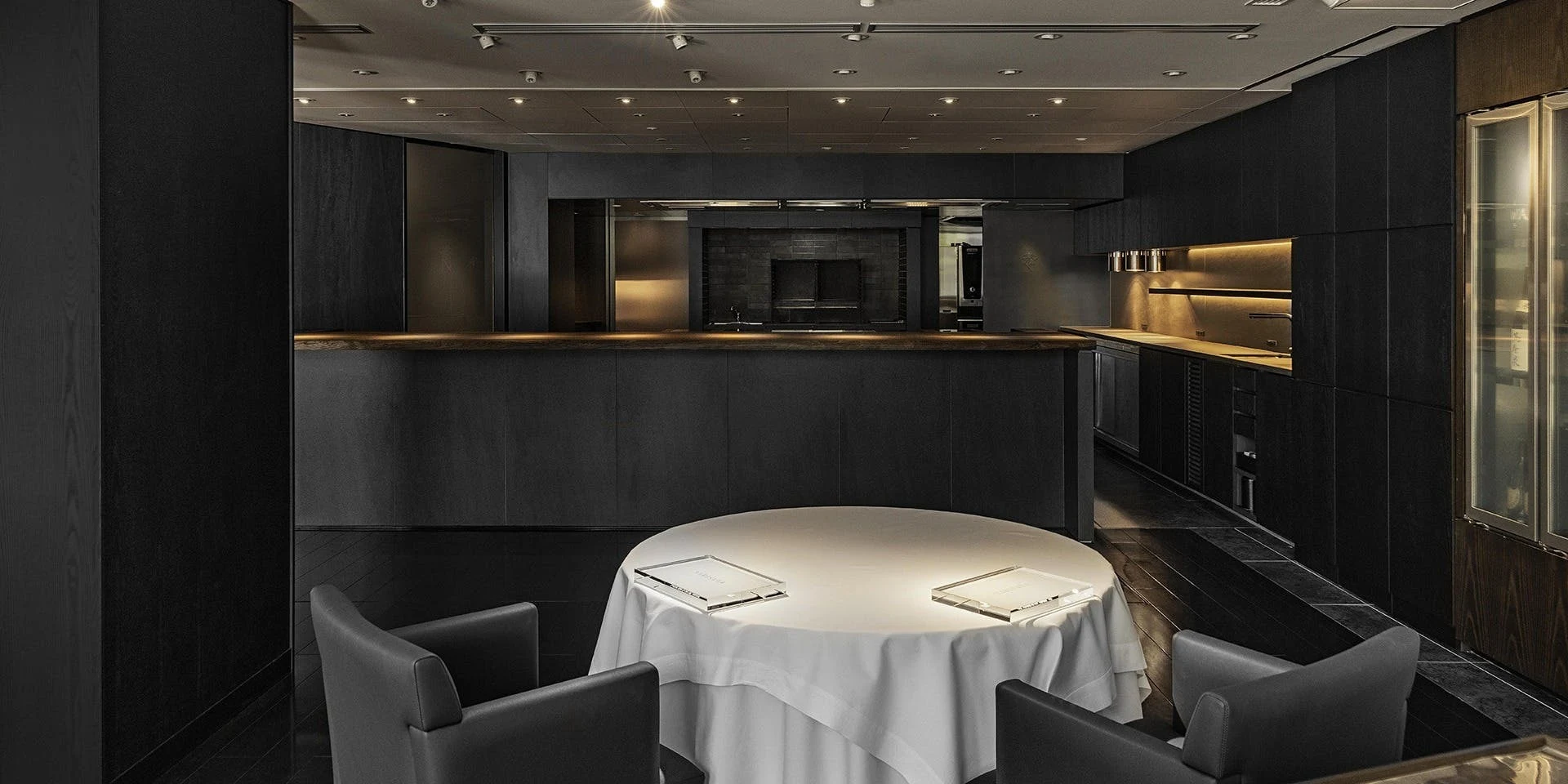
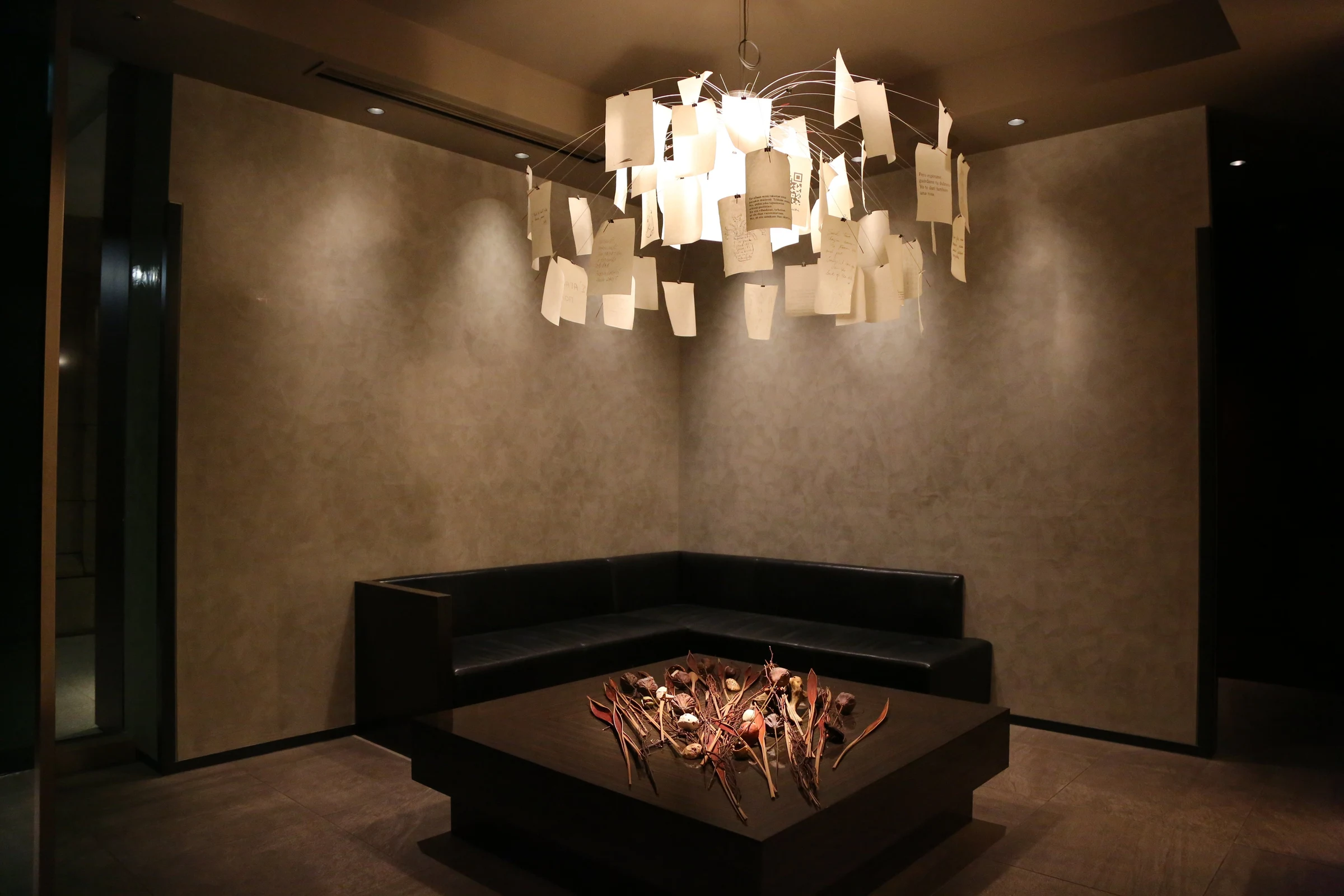
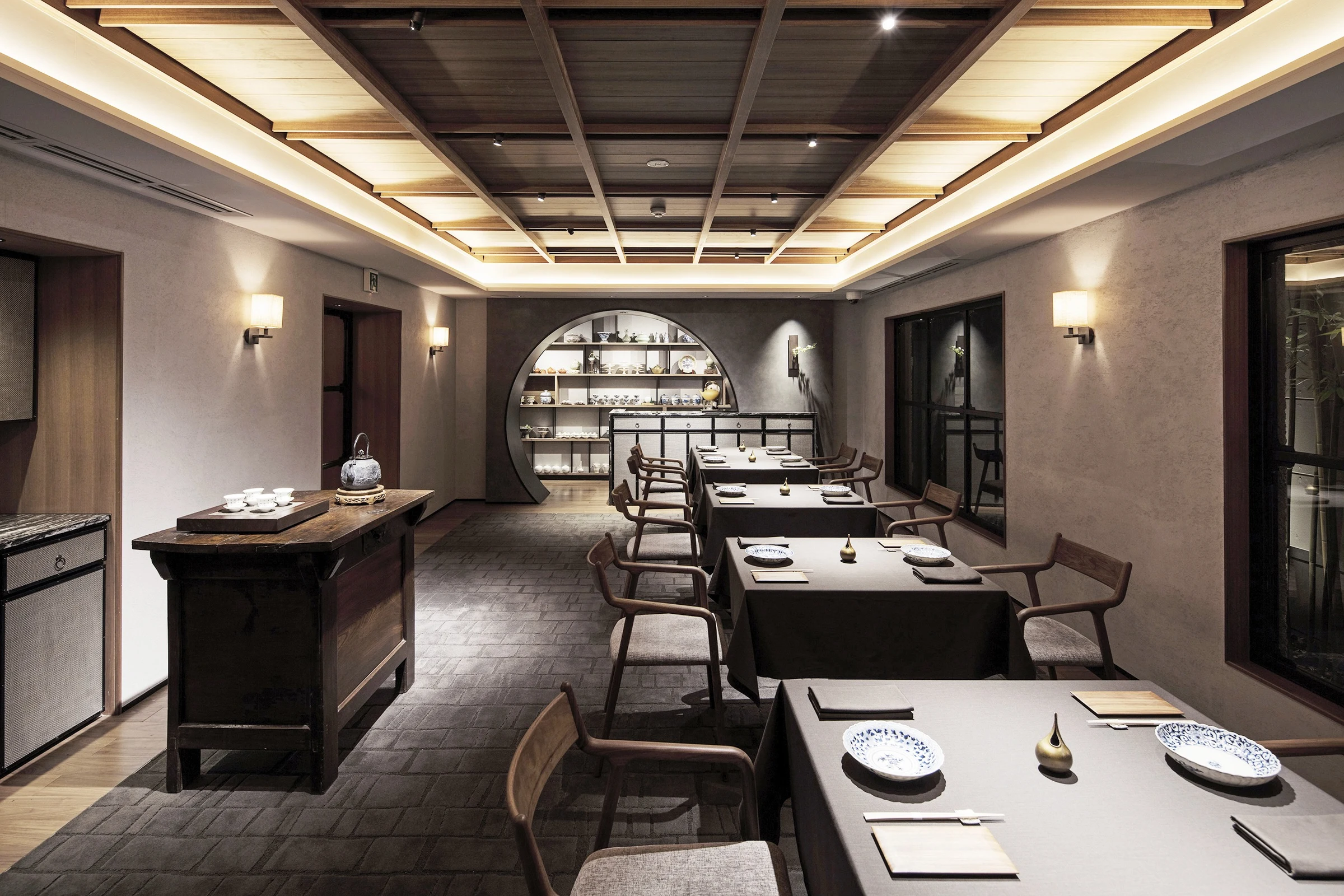
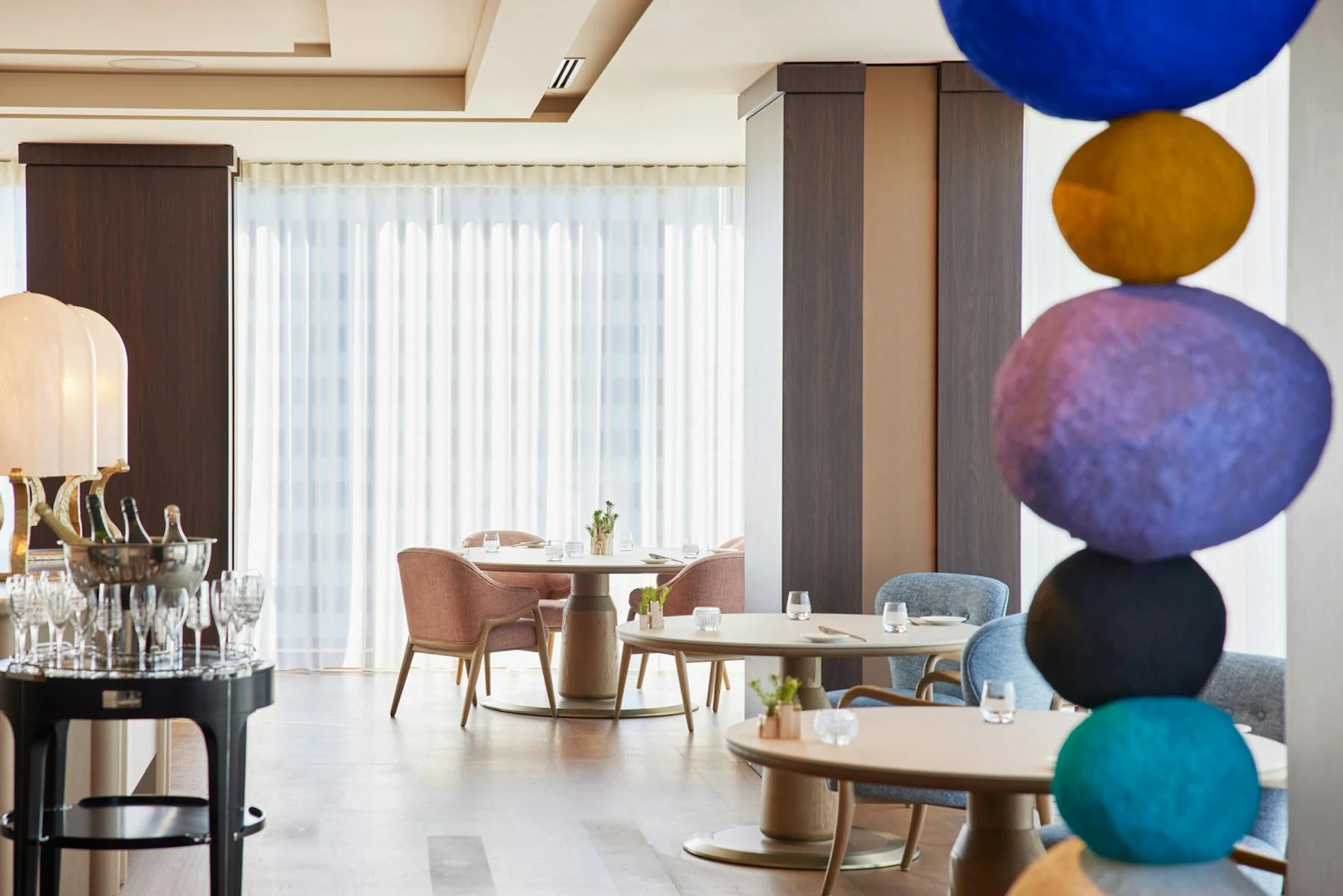
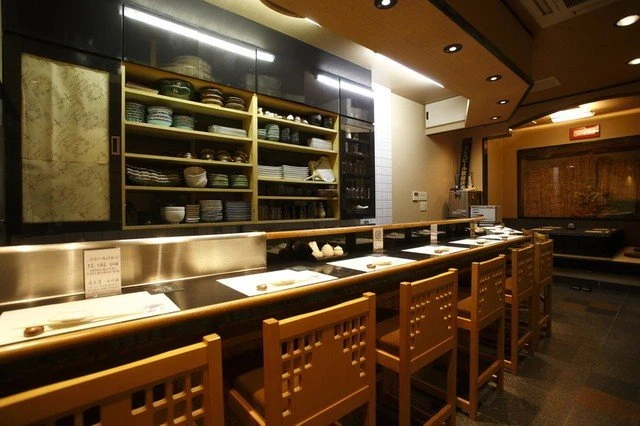
The room is stylish without pushing for attention, with spacious seating and sofa options that let the table settle into the rhythm of small plates and grill work. Conversation stays possible while the charcoal does its part. At the pass, the sequence is compact: meat cut, sauce set, rice brought hot, smoke rising through the grate. Jubei works as an upscale casual restaurant, with course menus and all-you-can-drink packages for larger tables, but the craft is closer to a bench than a dining-room flourish. The room gives guests enough ease to notice the small decisions, the lift at the edge of the beef, the brightness of lemon on Dashi Tongue Salt, the way White Sauce changes the leaner profile of Urutora BEEF.
Lean beef as a house argument
Jubei’s strongest claim is not scale, and the house does not frame Urutora BEEF as a novelty. It is a working preference: leaner meat, raised for the restaurant, grilled over binchotan, and served with sauces and condiments chosen to keep the beef legible. That argument stays clearest in the cut that gives the table its first measure of the kitchen, Dashi Tongue Salt.
Questions
Frequently asked
What kind of restaurant is Jubei?
Jubei is a yakiniku restaurant in Gotanda, Tokyo, built around heat, sauce, rice, and timing.
What is Jubei known for?
It is known for house-raised Urutora BEEF, Dashi Tongue Salt, White Sauce, and a grill built around binchotan charcoal.
What is Urutora BEEF at Jubei?
Urutora BEEF is the house-raised beef used at Jubei, bred for lean red-meat flavour and a lighter fat profile.
Is booking recommended at Jubei?
Reservations are recommended.
What are Jubei's hours?
Jubei is open Monday to Saturday from 6 PM to 2 AM, and it is closed on Sunday.
The field
How it compares
| Place | Cuisine | Notes | Awards |
|---|---|---|---|
| Jubei | Yakiniku (Japanese BBQ) | Shinjuku, $$$ | · |
| Den | Modern Japanese Kaiseki | Tokyo | Michelin 2 Stars, World's 50 Best |
| Florilège | Modern French-Japanese Plant-Based Fine Dining | Tokyo | Michelin 2 Stars, World's 50 Best |
| Narisawa | Modern Japanese Satoyama Fine Dining | Tokyo | Michelin 2 Stars, World's 50 Best |
| Quintessence | Modern French Fine Dining | Tokyo | Michelin 3 Stars |
| Sazenka | Modern Chinese Fine Dining | Tokyo | Michelin 3 Stars, World's 50 Best |
| Sézanne | Modern French Fine Dining | Tokyo | Michelin 3 Stars, World's 50 Best |
Similar places
Modern Japanese Kaiseki
Den
Tokyo, Japan
★★ · 50 Best
Modern French-Japanese Plant-Based Fine Dining
Florilège
Tokyo, Japan
★★ · 50 Best
Modern Japanese Satoyama Fine Dining
Narisawa
Tokyo, Japan
★★ · 50 Best
Modern French Fine Dining
Quintessence
Tokyo, Japan
★★★
Modern Chinese Fine Dining
Sazenka
Tokyo, Japan
★★★ · 50 Best
Modern French Fine Dining
Sézanne
Tokyo, Japan
★★★ · 50 Best