Made ByRestaurant
Jung Sik Dang
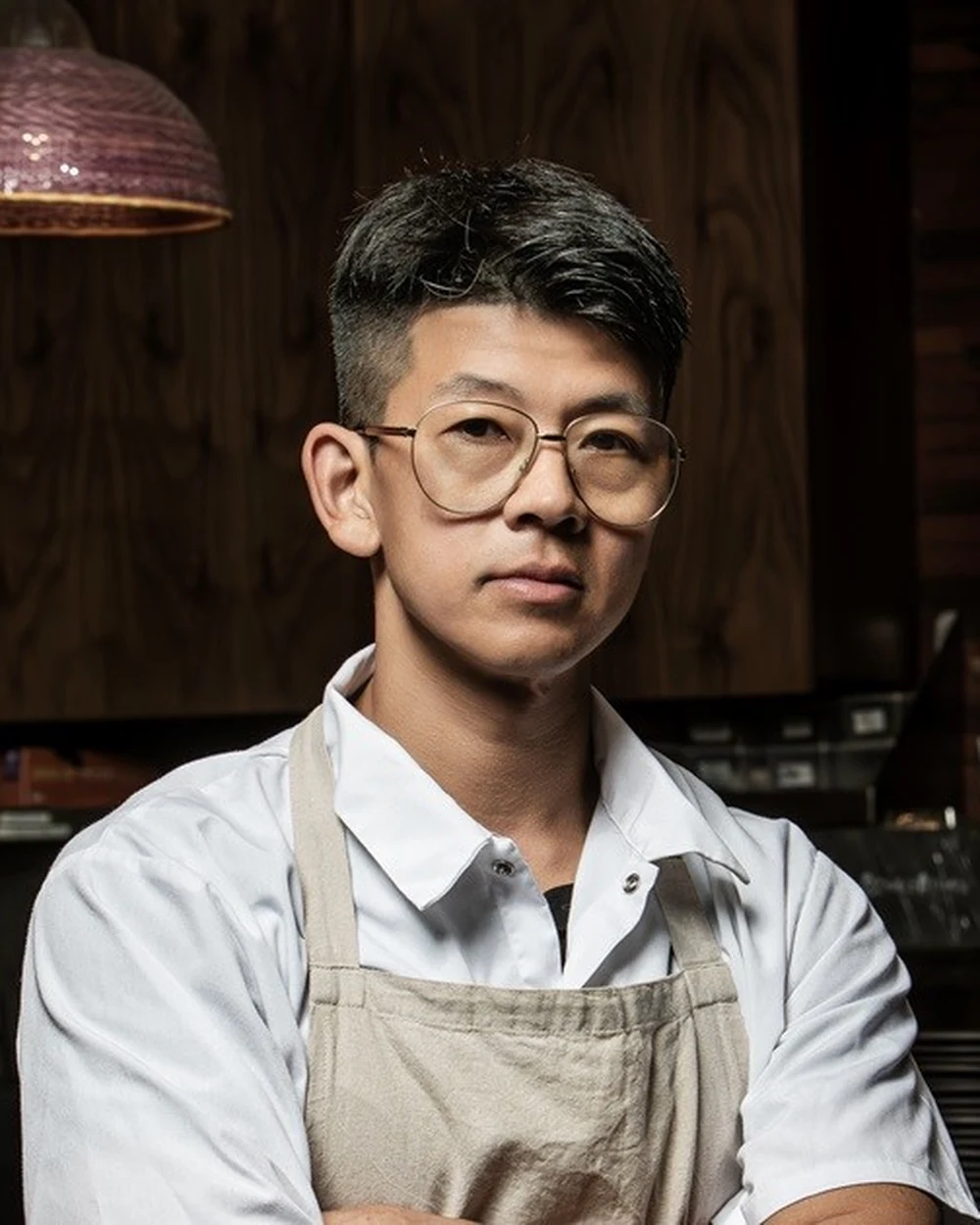
Chef in Residence
Jungsik Yim
Chef
- 01CuisineModern Korean Fine Dining
- 02CityNew York City, United States
- 03RecognitionWorld's 50 Best — No. 18
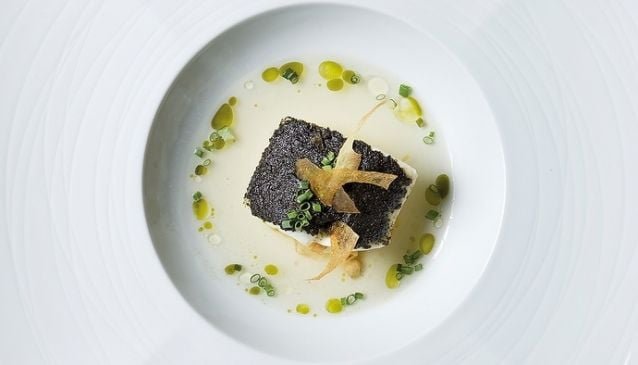
Jung Sik Dang brought progressive Korean cooking to TriBeCa over a decade ago, translating Seoul's fine-dining evolution into an American context. Ranked #54 on the Opinionated About Dining North America list for 2024, it occupies a tier above accessible Korean restaurants and just below the multi-Michelin bracket, making it a reference point for understanding how Korean cuisine has matured in New York.
- World's 50 Best · #18
At a glance
- Cuisine
- Modern Korean Fine Dining
- Price
- $$$$
- Per person
- $295
- Hours
- Mon: Closed; Tue: 5–9:30 PM; Wed: 5–9:30 PM; Thu: 5–9:30 PM; Fri: 5–9:30 PM; Sat: 5–9:30 PM; Sun: 5–9:30 PM
- Neighborhood
- Tribeca
- Rating
- 4.6 (955)
<h2>Where Korean Fine Dining Landed in Lower Manhattan</h2><p>TriBeCa's restaurant row on Harrison Street runs quieter than Midtown's power-dining corridors, and that contrast is doing some work at Jung Sik Dang. The neighborhood has long attracted serious kitchens that prefer a lower temperature: considered rooms, longer tables, and guests who are there for the food rather than the spectacle. The setting is cool and composed, with a formality that reads less like ceremony and more like the room simply taking the cooking seriously.</p><p>Progressive Korean as a category has sharpened considerably in New York over the past decade. What began as a novel framing, classical European technique applied to Korean flavors and fermentation traditions, has become a defined tier with its own peer group. Jung Sik Dang, under chef Jungsik Yim, was among the first operations to make that argument in the city, and its sustained presence on ranking lists suggests it has held that position rather than ceded it to newer entries.</p><h2>Lunch vs. Dinner: Two Different Arguments</h2><p>The lunch-versus-dinner divide at a restaurant like this is rarely just about price. At Jung Sik Dang, the two services represent different entry points into the same kitchen's vocabulary. Dinner runs the full tasting format: a multi-course structure that moves through Korean fermentation logic, seasonal sourcing, and technique-forward plating. It is the complete statement. Lunch tends to compress that argument into a shorter sequence, sometimes at a price point that makes the kitchen more accessible for first-time guests or those combining it with a working afternoon in TriBeCa.</p><p>For guests evaluating when to visit, the practical case for lunch is real. The room is quieter, the pace is less choreographed, and the experience of watching the kitchen's ideas arrive at the table feels less pressured. That said, dinner is where the full range of Yim's cooking appears. If the goal is to understand what progressive Korean cooking can do at this level, dinner is the appropriate measure. If the goal is a reliable introduction at a more relaxed register, a weekday lunch handles that without diminishing the kitchen's output.</p><p>The value equation at lunch is also worth noting in the context of this price tier. Lunch often represents the leading ratio of kitchen quality to outlay in that bracket.</p><h2>The Progressive Korean Tier in New York</h2><p>Understanding Jung Sik Dang requires placing it against the broader arc of Korean fine dining in the United States. When the Seoul location opened and the New York outpost followed, Korean cuisine in American fine dining was largely underrepresented at tasting-menu price points. The category has since diversified. Atomix now holds two Michelin stars and a consistent presence in global rankings. Newer Korean-influenced tasting rooms have opened in Brooklyn and the East Village. The conversation has moved from whether Korean cooking could occupy this register to which kitchens are doing it with the most precision.</p><p>Jung Sik Dang's position in that conversation is defined by longevity and consistency. A ranking improvement from #75 to #54 on the OAD North America list between 2023 and 2024, combined with a 4.6 Google rating across 955 reviews, points to a kitchen that has not settled. Those two data sets measure different audiences, OAD reflects critic and industry opinion, Google reflects the wider dining public, and agreement between them carries more weight than either alone.</p><p>For comparison, restaurants at this tier elsewhere in the country, <a href="https://www.enprimeurclub.com/restaurants/alinea">Alinea in Chicago</a>, <a href="https://www.enprimeurclub.com/restaurants/lazy-bear">Lazy Bear in San Francisco</a>, <a href="https://www.enprimeurclub.com/restaurants/single-thread">Single Thread Farm in Healdsburg</a>, tend to hold their ranking through tight format discipline and sustained kitchen investment. Jung Sik Dang fits that pattern: the format has not chased trends, and the cooking has deepened rather than pivoted.</p><h2>What the Cooking Is Actually Doing</h2><p>Progressive Korean, done at this level, is not fusion in the loosest sense of that term. It is a considered reframing of Korean pantry logic, doenjang, ganjang, gochujang, fermented vegetables, ocean-sourced protein, through the structural grammar of European tasting menus. The result is a cuisine that requires no prior knowledge of Korean food to follow, but rewards it when present. A diner who understands the role of fermentation in Korean cooking will read the menu differently from one encountering these flavors for the first time, and both readings are valid.</p><p>This approach distinguishes Jung Sik Dang from Korean barbecue or banchan-centered dining on one end, and from Korean-accented fusion on the other. It belongs to the same impulse that drives kitchens like <a href="https://www.enprimeurclub.com/restaurants/le-bernardin">Le Bernardin</a> to treat seafood as a serious discipline rather than a category, the conviction that a cuisine deserves precision and architectural thinking, not just hospitality and flavor.</p><h2>Planning a Visit</h2><p>Jung Sik Dang is located at 2 Harrison Street in TriBeCa. The address places it within walking distance of several serious TriBeCa hotels and a short cab or subway ride from the Flatiron and West Village dining corridors. Guests coming from Midtown can reach it in under 20 minutes by car during off-peak hours.</p><p>Other major tasting-format restaurants worth cross-referencing in the same comparable set include <a href="https://www.enprimeurclub.com/restaurants/masa-new-york-city-restaurant">Masa</a> for Japanese omakase, and for those building longer itineraries around progressive American cooking, <a href="https://www.enprimeurclub.com/restaurants/the-french-laundry">The French Laundry in Napa</a>, <a href="https://www.enprimeurclub.com/restaurants/providence">Providence in Los Angeles</a>, and Emeril's in New Orleans offer useful reference points for how American tasting-room culture has evolved across regions. Internationally, <a href="https://www.enprimeurclub.com/restaurants/8-12-otto-e-mezzo-bombana-hong-kong-restaurant">8½ Otto e Mezzo Bombana in Hong Kong</a> and <a href="https://www.enprimeurclub.com/restaurants/alain-ducasse-louis-xv-monte-carlo-restaurant">Alain Ducasse at Louis XV in Monte Carlo</a> represent the European-influenced fine dining tradition that informs progressive Asian tasting menus structurally.</p><p>Quick reference: 2 Harrison St, TriBeCa, New York, NY 10013. OAD North America #54 (2024). Google: 4.6 / 955 reviews. Reservations recommended for both services; dinner requires advance planning.</p><hr></hr>
Know before you go
- Dress code
- formal
- Reservations
- essential
- Parking
- street
- Payment
- credit_card
- Groups
- Welcomed
Frequently asked
Has Jung Sik Dang won any awards?
Jung Sik Dang has received recognition including: Opinionated About Dining Top Restaurants in North America Ranked #54 (2024); Opinionated About Dining Top Restaurants in North America Ranked #75 (2023).
Where is Jung Sik Dang located?
Jung Sik Dang is located at 2 Harrison St, New York, NY 10013, New York City.
What should I order at Jung Sik Dang?
The kitchen operates around tasting menus rather than à la carte, so the choice is less about individual dishes and more about which menu length fits the occasion. Chef Jungsik Yim's approach reframes Korean pantry logic — fermented pastes, aged sauces, traditional preservation techniques — through a fine-dining structure. Ranked #54 on the OAD North America list in 2024, the kitchen is working at a level where the full tasting format delivers the clearest picture of what the cooking is doing.
Is there a head chef associated with Jung Sik Dang?
The chef associated with Jung Sik Dang is Jungsik Yim.
Do I need a reservation for Jung Sik Dang?
Yes. At 2 Harrison Street, walk-in availability is not a realistic strategy for a restaurant ranked in the OAD Top 60 in North America. Reservations should be secured well in advance, particularly for dinner service on weekends. Booking through the restaurant's website or a third-party reservation platform is the standard approach for TriBeCa restaurants at this tier.
Address
2 Harrison St, New York, NY 10013
Tribeca
How it compares
- Cuisine
- Modern Korean Fine Dining
- Awards
- 2 recognitions
- Notes
- Tribeca-Civic Center, $$$$
- Cuisine
- Korean Steakhouse
- Awards
- —
- Notes
- Midtown-Times Square, $$$$
- Cuisine
- Art Deco Steakhouse
- Awards
- 2 recognitions
- Notes
- West Village, $$$$
- Cuisine
- Modern Korean Gastropub
- Awards
- 1 recognition
- Notes
- Midtown South-Flatiron-Union Square, $$$
- Cuisine
- Classic American Fine Dining
- Awards
- 3 recognitions
- Notes
- West Village, $$$$
- Cuisine
- Modern Vegetarian Fusion
- Awards
- 1 recognition
- Notes
- Greenwich Village, $$$$
In residence
Similar places
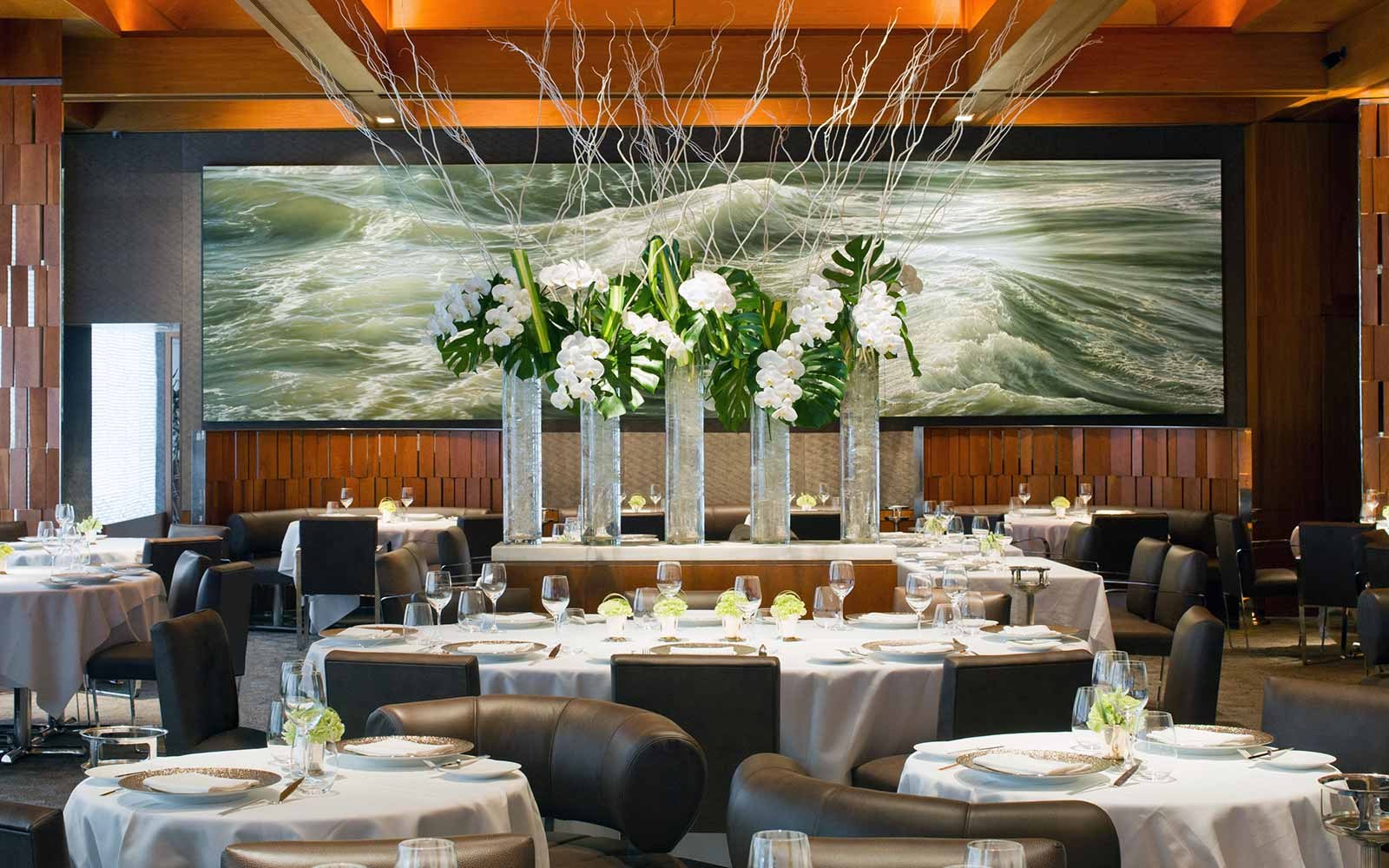
French Seafood Fine Dining
Le Bernardin
New York City, United States
★★★ · 50 Best
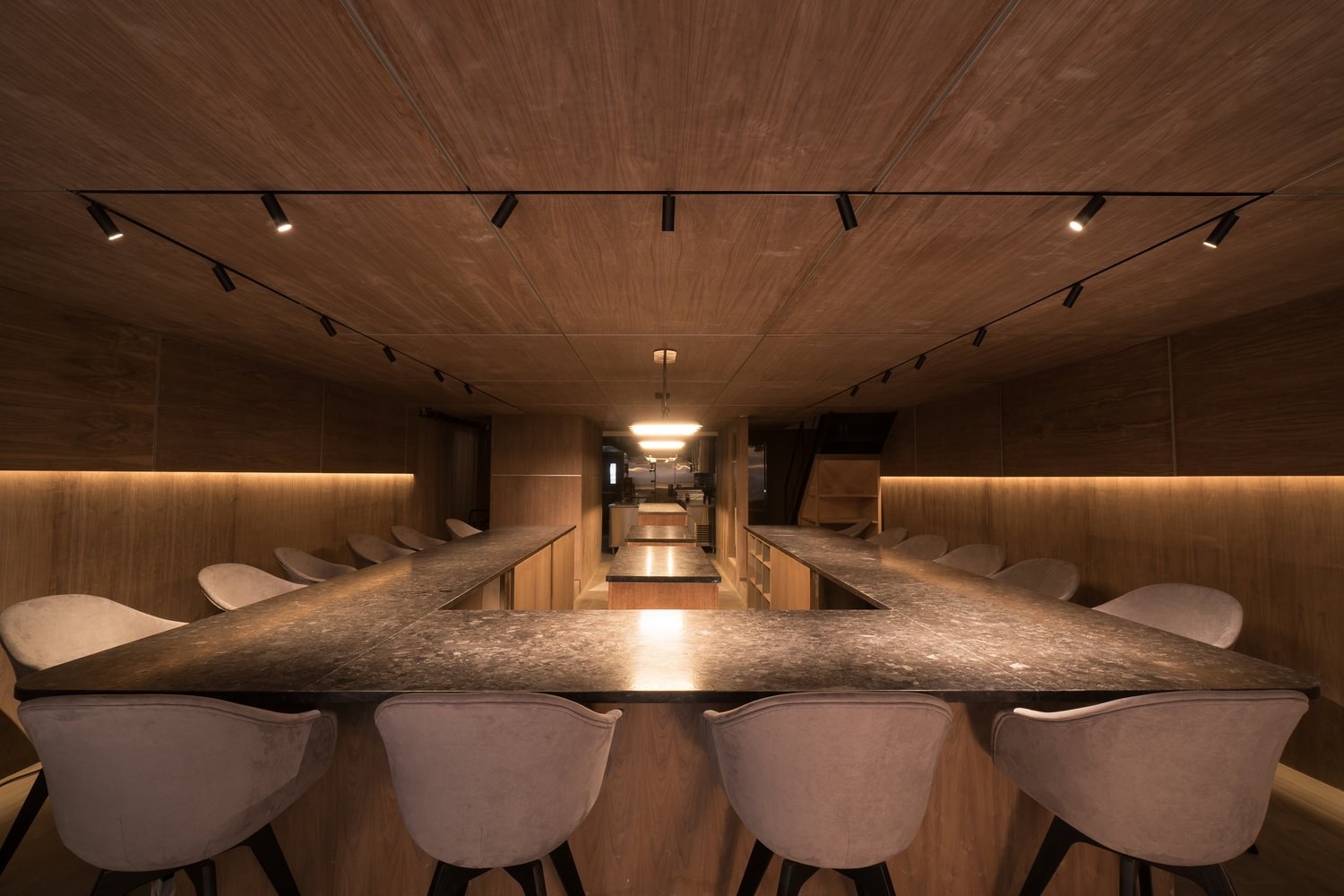
Modern Korean Tasting Menu
Atomix
New York City, United States
★★ · 50 Best
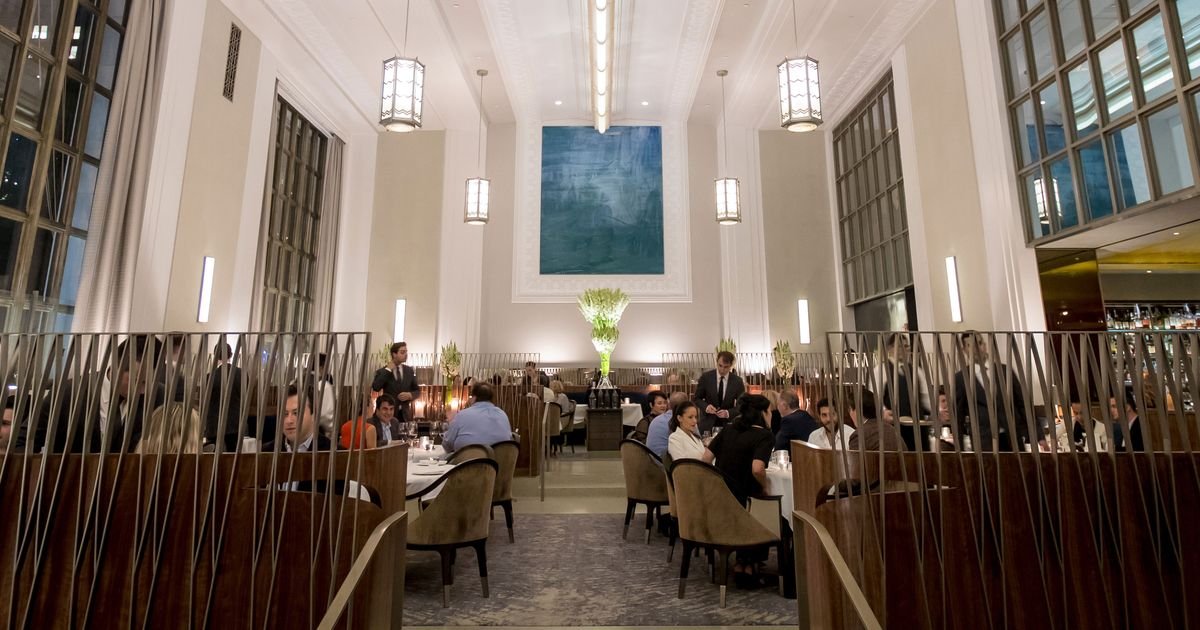
Contemporary Plant-Based Fine Dining
Eleven Madison Park
New York City, United States
★★★ · 50 Best
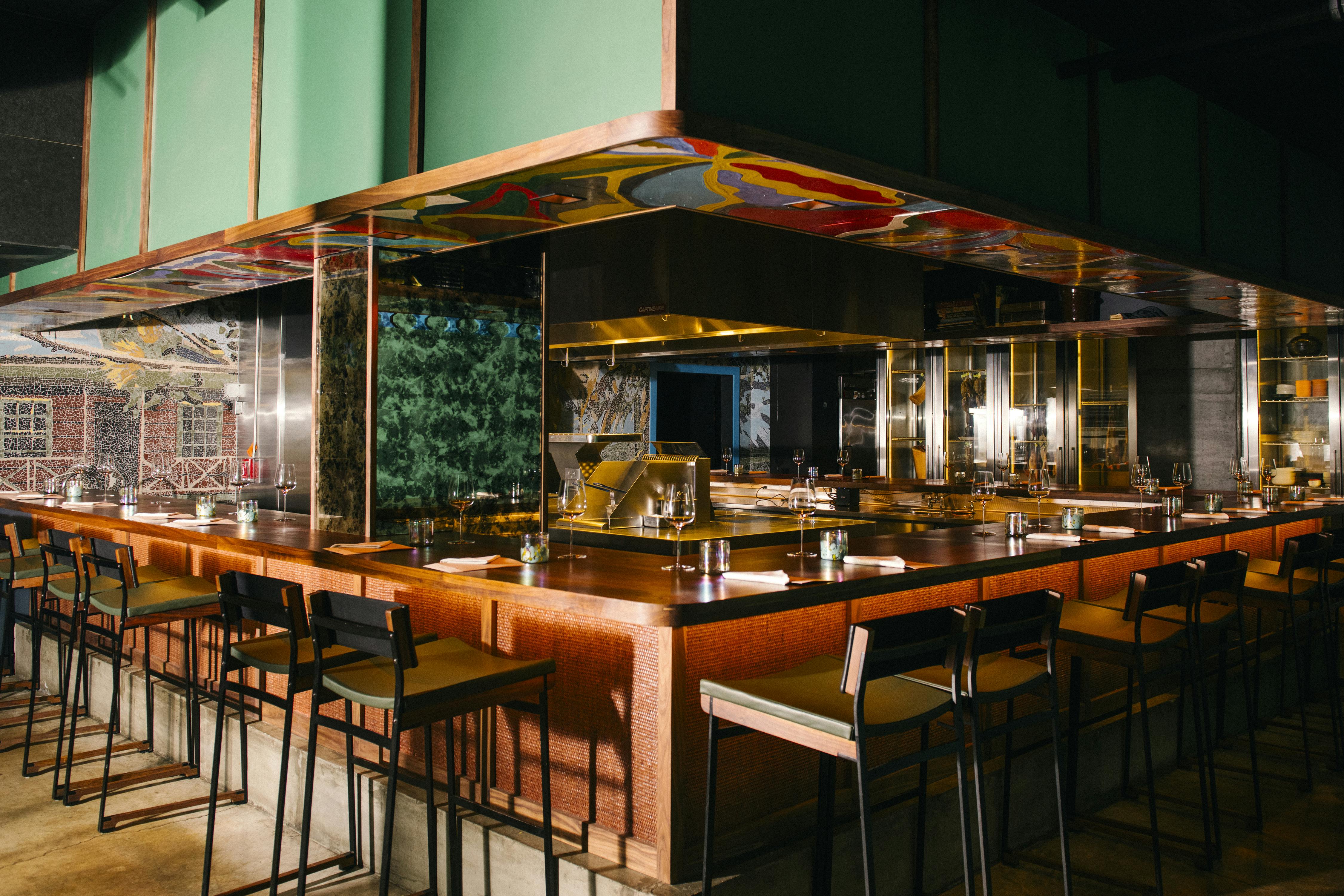
Modern Caribbean Prix Fixe
Kabawa
New York City, United States
50 Best
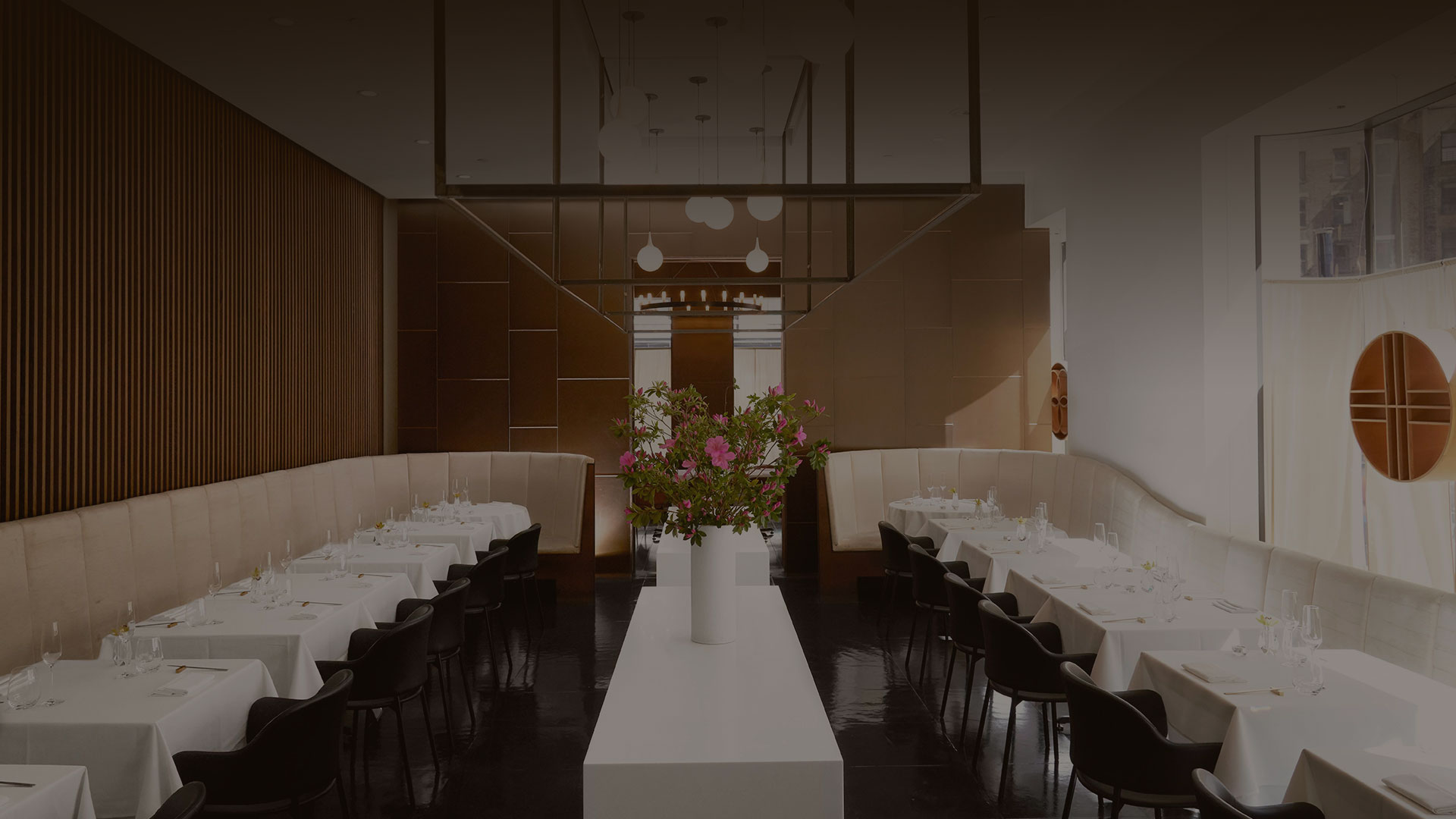
Modern Korean Fine Dining
Jungsik New York
New York City, United States
★★★ · 50 Best
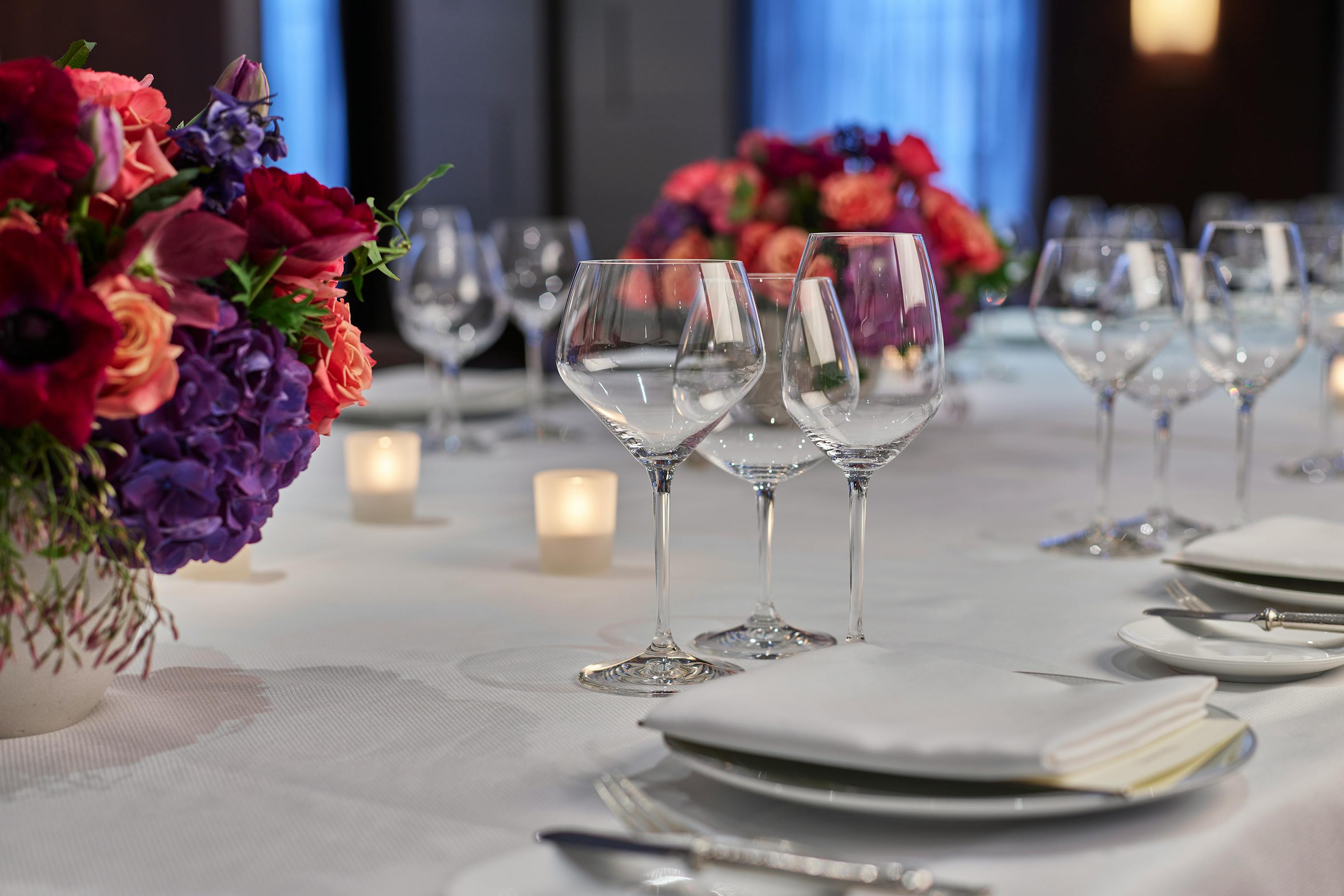
Modern French Fine Dining
Daniel
New York City, United States
★ · 50 Best