Kappa Chakka Kandhari
In Residence
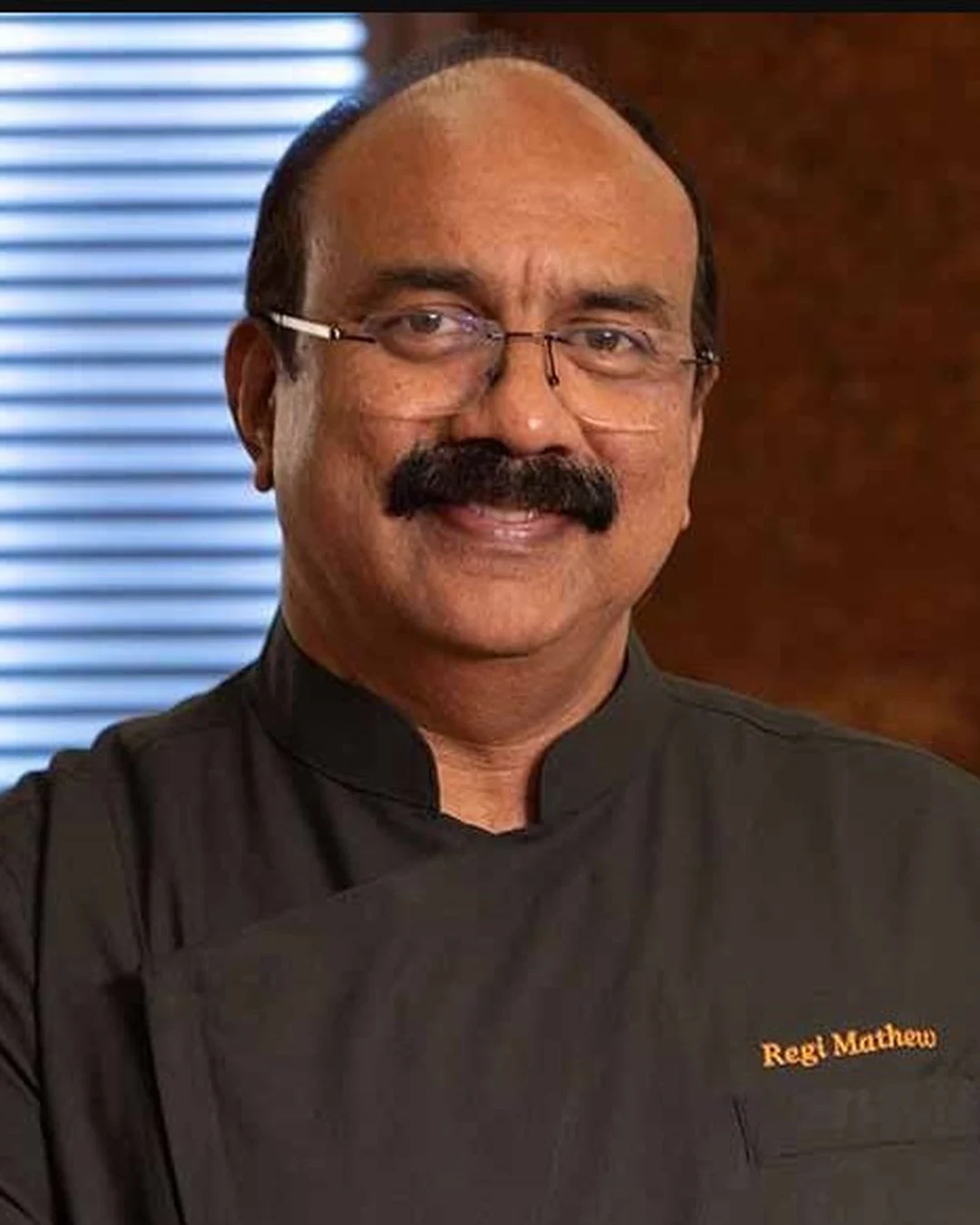
Regi Mathew
Chef
- 01CuisineAuthentic Kerala Cuisine
- 02CityChennai, India
Where the Ingredient Is the Argument
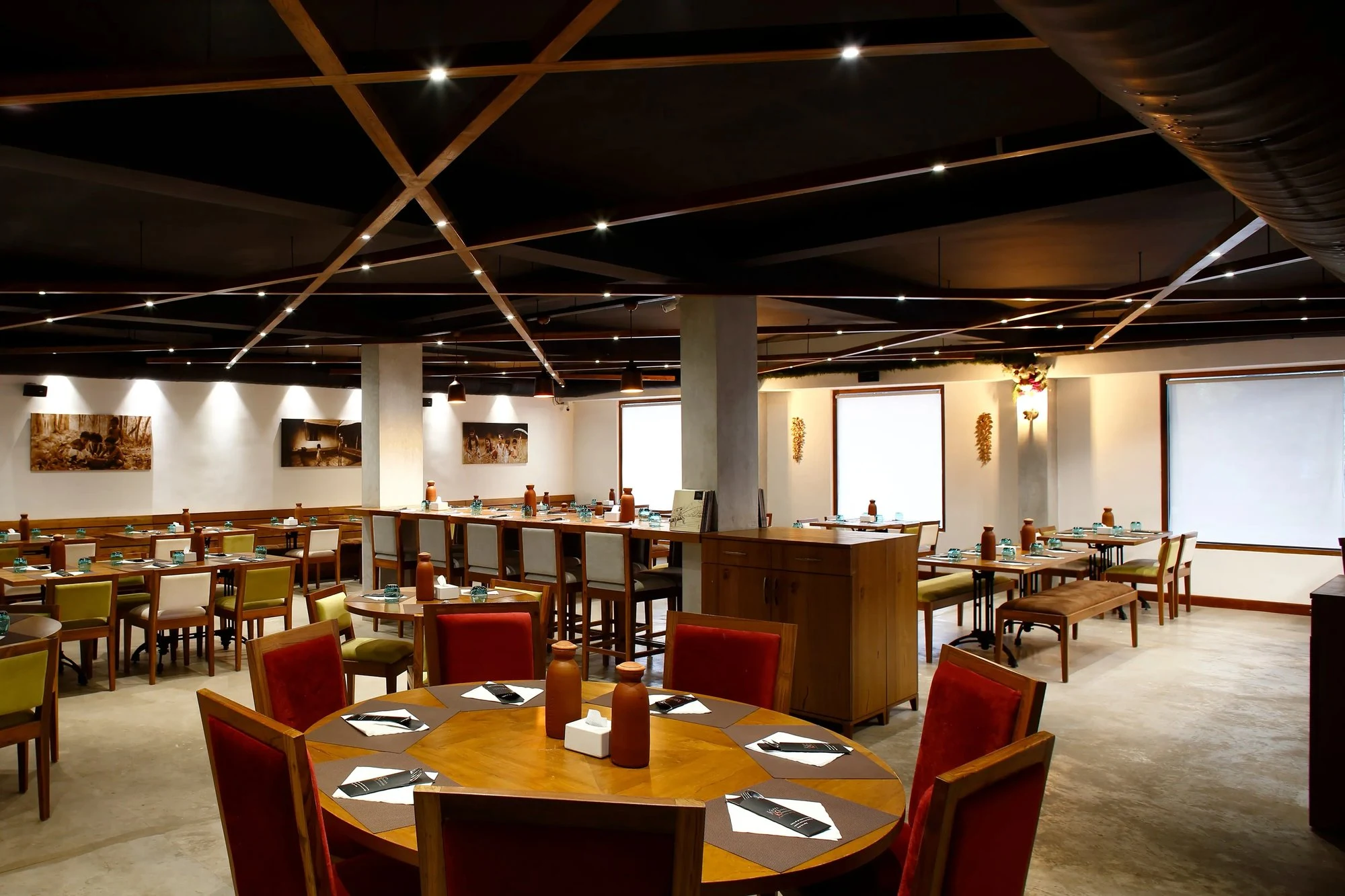
Most conversations about South Indian cuisine in Chennai's restaurant scene divide into two camps: the hotel dining room that refines and plates regional food for a luxury audience, and the neighbourhood joint that delivers speed and familiarity. Kappa Chakka Kandhari, on Haddows Road in Nungambakkam, occupies neither. Its premise is older and, in certain respects, more demanding, that the actual ingredients of Kerala's domestic cooking tradition, the specific tubers, fermented preparations, and fat-rich coconut forms that predate industrial food supply, are worth sourcing in full and presenting without apology.
The name is the thesis. Kappa is tapioca. Chakka is jackfruit. Kandhari is the small, searingly hot bird's eye chilli grown across Kerala's western coast. These are not garnishes or nostalgic gestures. They are structural ingredients in a cuisine that developed distinct from the hotel-buffet version of South Indian food most diners in Chennai would recognise. The restaurant's identity is organised around recovering and serving that distinction.
The Sunday email
Read about the people behind restaurants like Kappa Chakka Kandhari in the Sunday email.
Every Sunday we send a lead story and up to four more about the chefs, winemakers, sommeliers and hoteliers behind the restaurants, bars, wineries and hotels we cover.
Recent stories
Free. One email a week, and you can unsubscribe from any issue.
The Sourcing Logic Behind the Menu
In India's broader restaurant conversation, ingredient provenance has become a contested and sometimes theatrical claim. A smaller set of restaurants, however, treats sourcing as a constraint rather than a marketing position, meaning the menu is shaped by what can actually be obtained rather than what reads well on a description. Kappa Chakka Kandhari belongs to that second category, building its offer around the actual supply chain for Kerala's heritage pantry.
That supply chain involves specific decisions: which rice strains carry the flavour memory of traditional Kerala cooking, which coconut forms (raw, dried, pressed into different oil grades) appear at which points in a dish, and which fermented or dried fish preparations are close enough to village-kitchen originals to be worth the sourcing effort. These are not exotic additions for novelty. They are the ingredients that define the cuisine's actual flavour register, and they have largely been displaced in restaurant cooking by faster, cheaper, more uniform substitutes.
This approach places Kappa Chakka Kandhari in a comparable set that is growing across India but remains small: restaurants like Farmlore in Bangalore, which organises its menu around farm-to-table provenance, or Naar in Kasauli, which foregrounds Himalayan ingredient sourcing. The shared logic is that the ingredient decision comes before the cooking decision, not after. Within Chennai specifically, this positions the restaurant apart from the refined South Indian format at Avartana, which works in a modernist idiom, and from the established hotel-dining tradition represented by venues like Southern Spice.
Chef Regi Mathew and the Kerala Home-Kitchen Project
The restaurant's connection to Kerala home cooking runs through Chef Regi Mathew, whose documented project has been the recovery of recipes from domestic sources rather than professional kitchens. Home cooking in Kerala carries significant culinary information that restaurant cooking historically discarded: longer preparation times, ingredients that don't transport or store easily, and techniques that require attention rather than speed. The argument embedded in this approach is that the professional kitchen's efficiency compromises were never neutral, they changed what the food tasted like.
Chef Mathew's work in this space draws comparison with what chefs at establishments like Adaa at Falaknuma Palace in Hyderabad have done for Nizami court cooking, or what certain heritage-focused restaurants across India have attempted with regional traditions that were never codified in cookbooks. The difference is that Kerala's home cooking tradition is primarily a domestic, matrilineal archive, which means its recovery depends on access to people and households rather than libraries or palace records.
Within the wider Indian restaurant scene, which includes technically accomplished operations like Bukhara in New Delhi, known for its consistency over decades, or the contemporary ambition of Americano in Mumbai, Kappa Chakka Kandhari represents a different kind of seriousness: less about technique as spectacle, more about whether the source material itself has been honestly recovered and presented.
The Setting in Nungambakkam
Nungambakkam sits in central Chennai as one of the city's more considered dining neighbourhoods, home to independent restaurants that draw a local professional and food-literate audience alongside visitors staying in the area's mid-to-upper tier hotels. Haddows Road in particular carries a mix of residential and commercial addresses that gives venues there a less performative quality than Chennai's hotel-based restaurant spaces along Anna Salai or the coast. The address opposite Shastri Bhavan is accessible without being tourist-circuit-adjacent, which suits a restaurant whose appeal is primarily to diners already interested in Kerala culinary tradition rather than those looking for an introduction to South Indian food generically.
For Chennai visitors planning their table around the city's strongest independent dining options, the neighbourhood context matters: Nungambakkam is compact enough to combine with other stops, and the restaurant's format, focused Kerala cooking in a non-hotel setting, complements rather than duplicates what the city's major hotel dining rooms offer. Diners wanting to map the full range of the city's restaurant options can reference our full Chennai restaurants guide, while those building a complete trip itinerary will find supporting context in our Chennai hotels guide, Chennai bars guide, and Chennai experiences guide.
Questions
Frequently asked
Who works at Kappa Chakka Kandhari?
Made By profiles Regi Mathew (Chef) at Kappa Chakka Kandhari.
How expensive is Kappa Chakka Kandhari?
Kappa Chakka Kandhari is listed at a price level of $$.
Where is Kappa Chakka Kandhari and what does it serve?
Kappa Chakka Kandhari is in Nungambakkam, Chennai, serving Authentic Kerala Cuisine.
The field
How it compares
| Place | Cuisine | Notes | Awards |
|---|---|---|---|
| Kappa Chakka Kandhari | Authentic Kerala Cuisine | Nungambakkam, $$ | · |
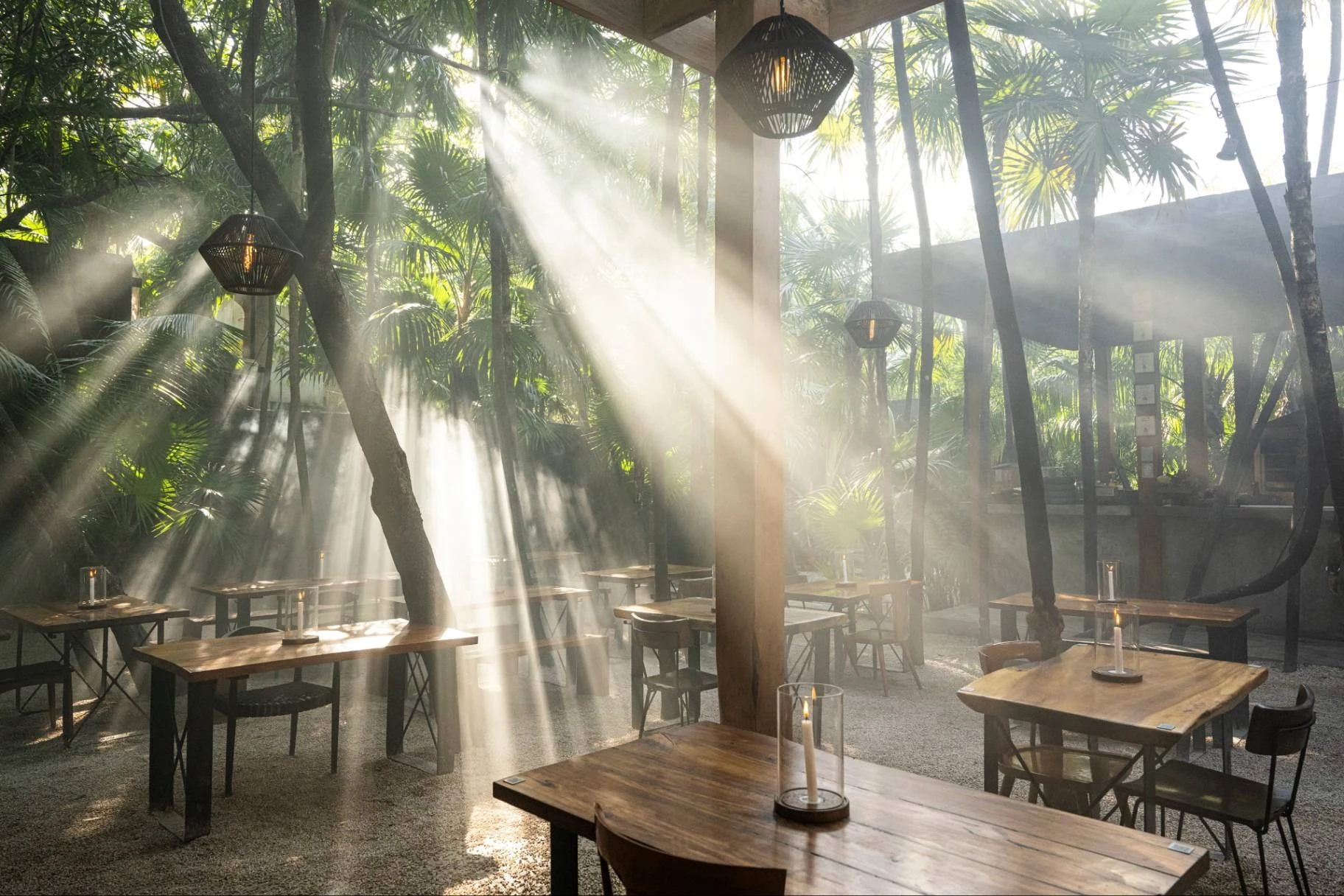
| Arca | Modern Yucatan Fire-Cooked Small Plates | Tulum | 50 Best |
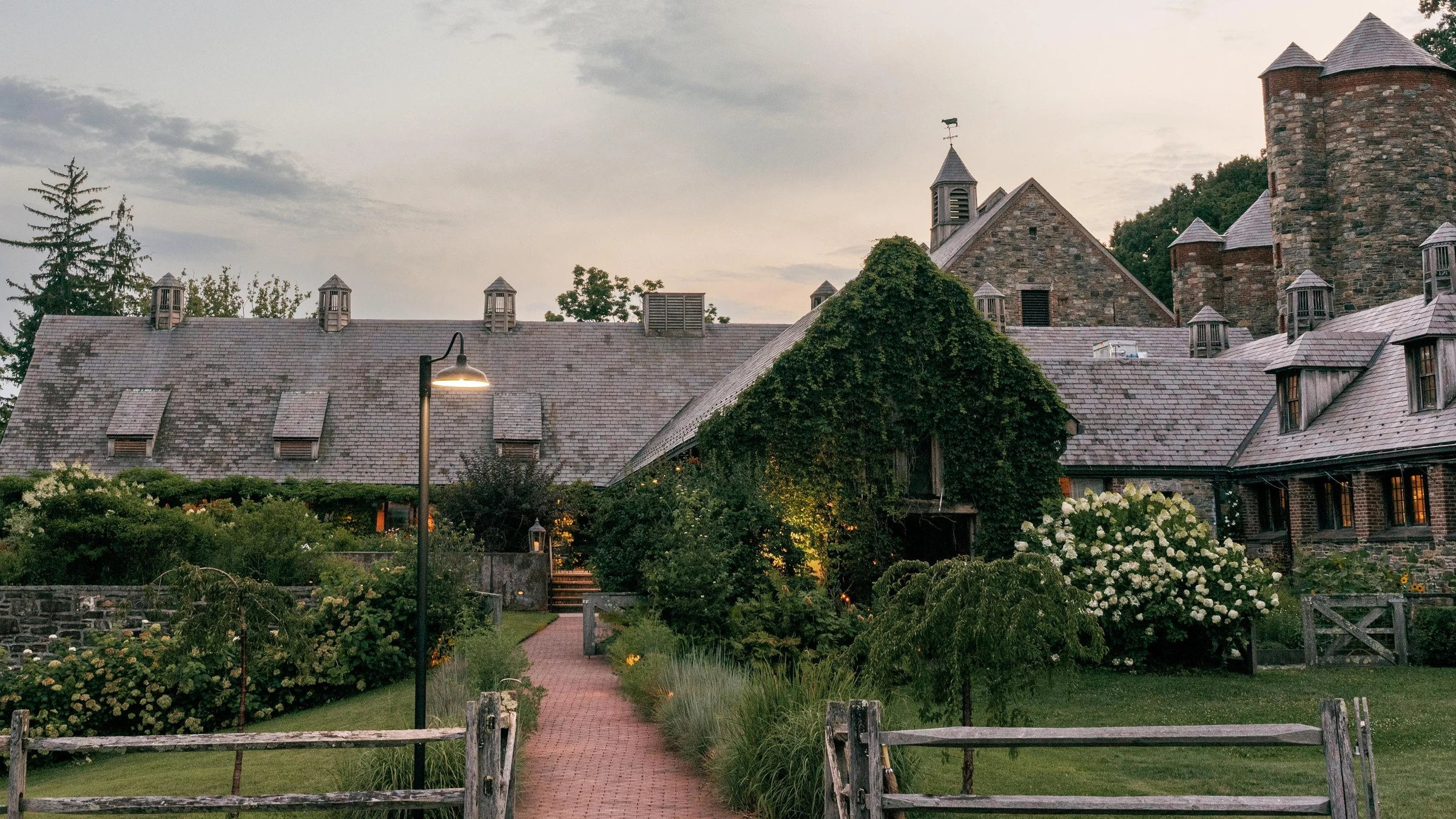
| Blue Hill at Stone Barns | Farm-to-Table Fine Dining | Tarrytown | Michelin 2 Stars, 50 Best |
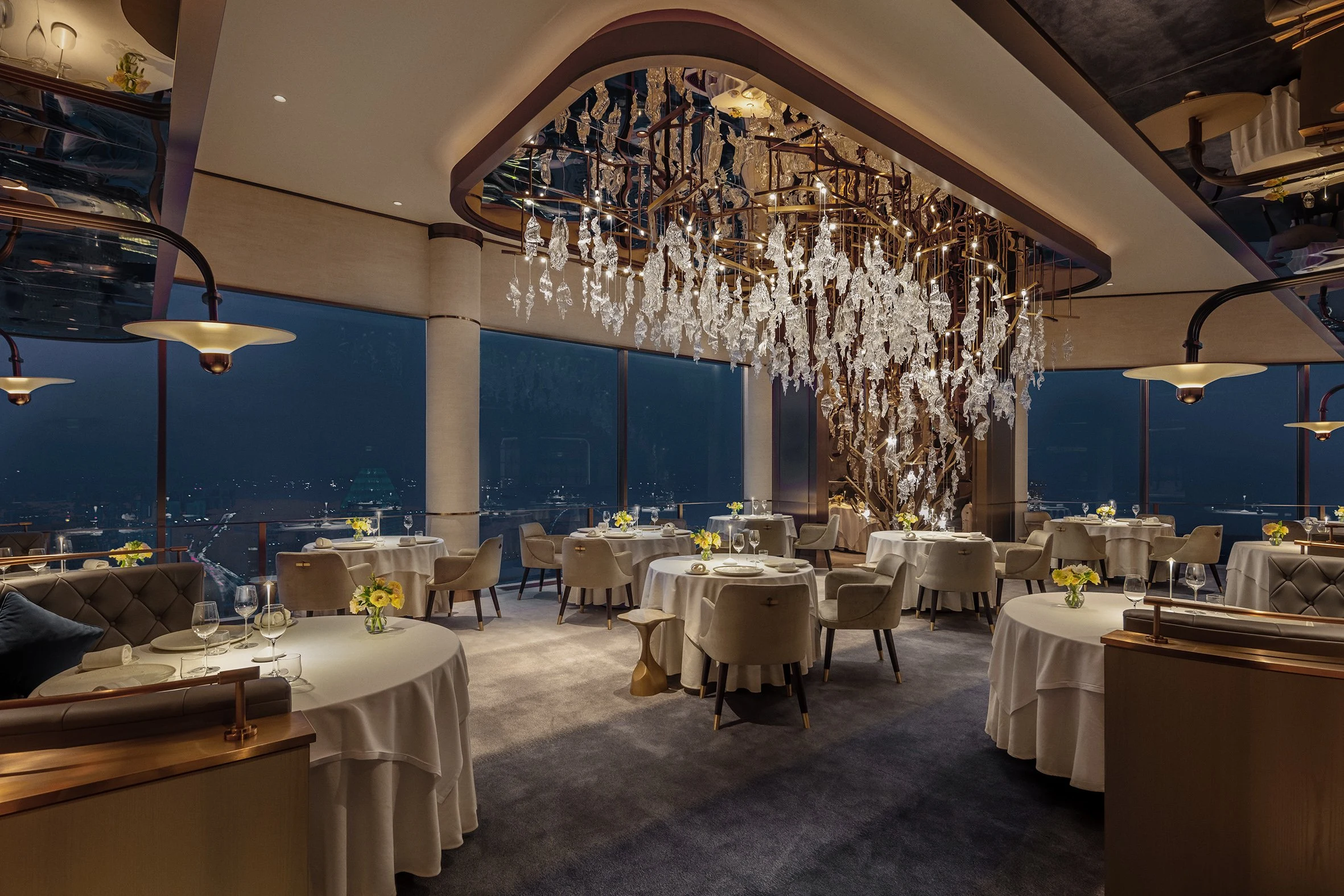
| Jaan by Kirk Westaway | Modern British Fine Dining | Singapore | Michelin 2 Stars, 50 Best |
| Le Calandre | Modern Italian Fine Dining | Rubano | Michelin 3 Stars, 50 Best |
| The Chairman | Traditional Cantonese | Hong Kong | Michelin 1 Star, 50 Best |
| The French Laundry | French-Californian Fine Dining | Yountville | Michelin 3 Stars, 50 Best |
Similar places
Modern Yucatan Fire-Cooked Small Plates
Arca
Tulum, Mexico
50 Best
Farm-to-Table Fine Dining
Blue Hill at Stone Barns
Tarrytown, United States
★★ · 50 Best
Modern British Fine Dining
Jaan by Kirk Westaway
Singapore, Singapore
★★ · 50 Best
Modern Italian Fine Dining
Le Calandre
Rubano, Italy
★★★ · 50 Best
Traditional Cantonese
The Chairman
Hong Kong, Hong Kong
★ · 50 Best
French-Californian Fine Dining
The French Laundry
Yountville, United States
★★★ · 50 Best

The Sunday email
Read about the people behind restaurants like Kappa Chakka Kandhari in the Sunday email.
Every Sunday we send a lead story and up to four more about the chefs, winemakers, sommeliers and hoteliers behind the restaurants, bars, wineries and hotels we cover.
Recent stories
Free. One email a week, and you can unsubscribe from any issue.