Kappo Masa
In Residence
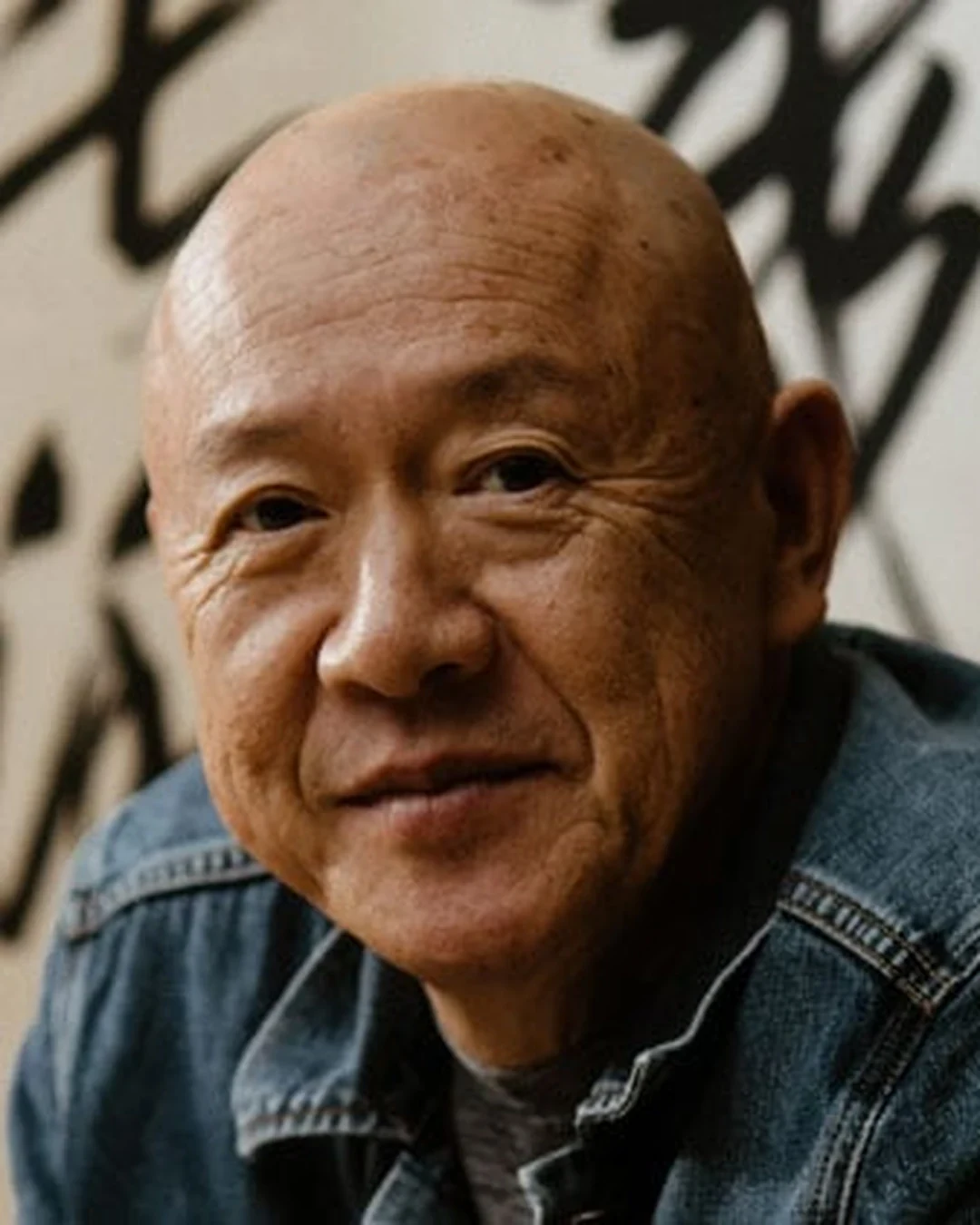
Masayoshi Takayama
Chef
- 01CuisineModern Japanese Omakase
- 02CityNew York City, United States
- Opinionated About Dining Top Restaurants in North America Recommended · 2026
- Opinionated About Dining Top Restaurants in North America Ranked #461 · 2025
- Opinionated About Dining Top Restaurants in North America Ranked #400 · 2024
- Opinionated About Dining Top Restaurants in North America Recommended · 2023
Madison Avenue and the Kappo Tradition
The Upper East Side has long housed a particular kind of serious dining, rooms where the formality is understated, the clientele deliberate, and the food expected to carry its own weight without theatrical distraction. Kappo Masa, at 976 Madison Avenue, fits that pattern while occupying a specifically Japanese frame. The kappo format, where the chef cooks in full view of the guests, often across a counter, and the meal unfolds in discrete courses rather than an à la carte grid, arrived in New York later than omakase sushi and has never spread as widely. That relative scarcity matters for understanding where Kappo Masa sits in the city's Japanese dining hierarchy.
Kappo, as a tradition, originates in Osaka and Kyoto, where it developed as an alternative to the more ceremonial kaiseki format. The chef retains improvisation rights; the courses reflect what is seasonal and what arrived that morning. In Japan, the style is associated with rigorous product sourcing and a cooking vocabulary that spans grilling, simmering, frying, and raw preparation within a single meal. New York's kappo rooms are few, which places any serious practitioner in a comparable set measured more against comparable addresses in Tokyo than against the broader New York Japanese dining market. For comparison points beyond New York, Myojaku in Tokyo and Azabu Kadowaki in Tokyo represent the benchmark tier for this format in its home city.
The Sunday letter
Find new places through the people who run them.
Our Sunday email brings you the chefs, winemakers and hoteliers behind our newest stories. See a sample before you subscribe.
See a sample of the Sunday emailOne email a week. Unsubscribe from any issue.
Sake, Shochu, and the Beverage Architecture of a Kappo Meal
The editorial angle that separates a considered kappo experience from a costly one is almost always the beverage programme. In the kappo tradition, sake is not an afterthought appended to the meal, it is structural. The sequencing of a kappo dinner, with courses moving across textures, temperatures, and preparation methods, creates more natural pairing pivots than a sushi omakase does. A chilled junmai daiginjo might track alongside lighter raw preparations early in the meal; a richer junmai or even a warm sake can follow as the kitchen moves toward simmered and grilled courses. Shochu, particularly the barley and sweet potato varieties, offers a lower-alcohol, often earthier counterpoint that holds up differently against umami-heavy courses than sake does.
New York's upper-tier Japanese restaurants have become progressively more serious about this pairing architecture over the past decade. Where the early wave of premium Japanese dining in the city treated sake as a by-the-glass curiosity, the current generation of serious counters maintains selections that reflect specific regional styles from Niigata, Yamagata, and Akita producers. A programme of that depth at a kappo counter changes the nature of the meal: courses can be calibrated against what is in the glass as much as against what preceded them on the plate. Within the broader New York Japanese dining field, this beverage seriousness is a meaningful differentiator. Rooms like Odo and Noda occupy adjacent territory in terms of format ambition and the integration of drink into course structure.
The Room and the Counter
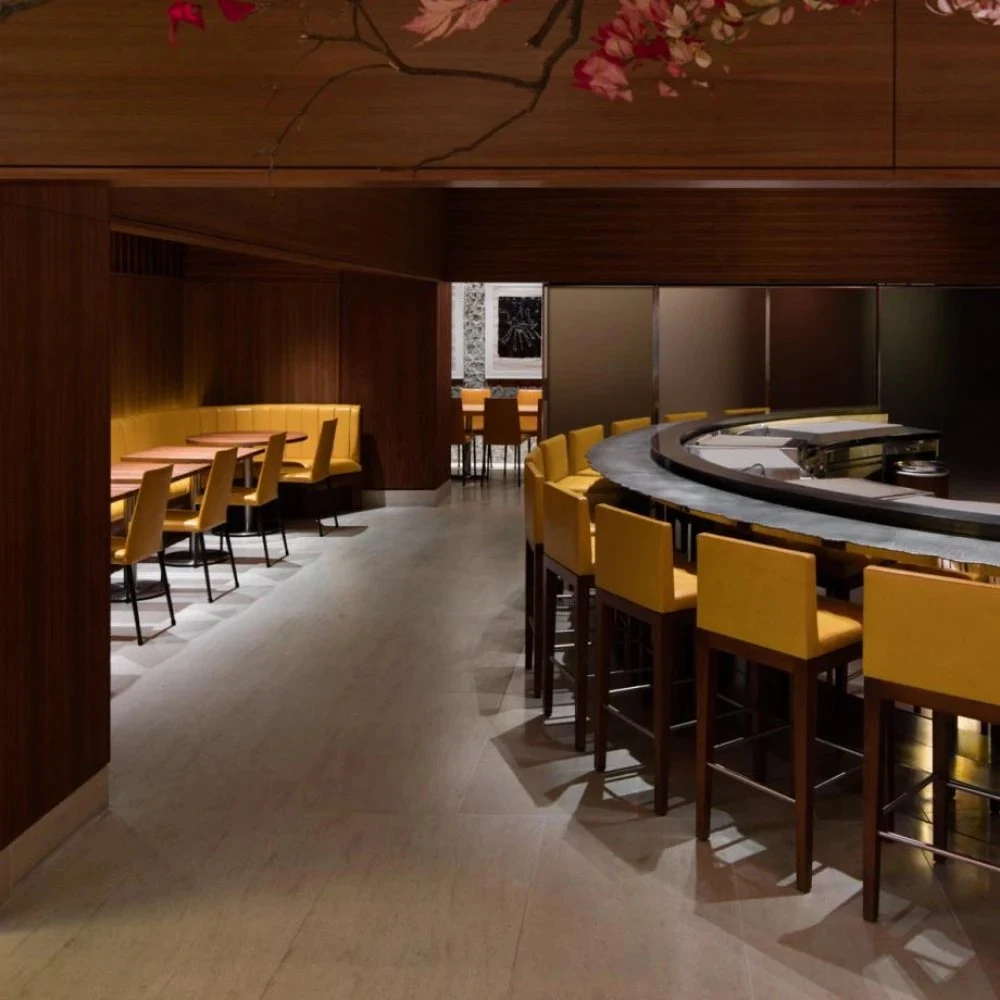
The Madison Avenue address places Kappo Masa in a corridor of galleries, boutiques, and a small number of serious restaurants that serve the neighbourhood's particular demographic, collectors, residents of considerable means, and the occasional dinner guest from out of the city who has done the research. The physical environment operates accordingly: the design registers as controlled rather than minimal, with the kind of material quality that reads without announcing itself. The counter remains the operational and experiential core. Watching the kitchen at a kappo counter is not passive entertainment; the cooking is the conversation, and proximity to the preparation is the point of the format.
That spatial logic distinguishes kappo from the large-format Japanese dining rooms that have multiplied across Manhattan. At a dedicated counter, the number of covers is limited by design, not by circumstance, and that limitation structures everything from the pacing of the meal to the specificity of what can be sourced for a given evening. This is a narrower comparable set than Japanese dining in New York broadly defined; it is closer in spirit to the omakase counter model, though the cooking vocabulary is considerably wider.
Where It Sits in the New York Japanese Dining Market
Opinionated About Dining placed Kappo Masa at #400 in its 2024 ranking of North American restaurants and moved it to #461 in 2025. The 2023 cycle included a Recommended designation before the numbered rankings. In a city where Japanese dining spans everything from the three-Michelin-star counter at Masa (one of the city's most expensive restaurant experiences by any measure) down to neighbourhood sushi that rarely crosses the critical radar, OAD recognition in the ranked tier places Kappo Masa firmly in the upper segment.
For a sense of the range below this tier in terms of Japanese format and price, Tsukimi, Blue Ribbon Sushi Izakaya, and Chikarashi each represent a different point on the accessibility spectrum.
Chef Masayoshi Takayama leads the kitchen, bringing a strong reputation for product sourcing standards and technical precision. In the kappo format, those sourcing standards translate directly to the beverage programme as well: the ingredients and the drinks occupy the same tier of seriousness.
Planning a Visit
Kappo Masa operates lunch and dinner Tuesday through Friday (noon to 2:30 pm and 5:30 to 10:00 pm), dinner only on Saturday (5:30 to 10:00 pm), and remains closed on Sundays. Monday lunch and dinner service also runs on the same pattern as the weekday schedule. The Madison Avenue location, 976 Madison Ave, New York, NY 10075, is accessible from the Upper East Side's museum corridor and connects naturally with a broader afternoon or evening in the neighbourhood. Given the format's seated-counter nature and the OAD recognition, advance booking is advisable, particularly for weekend dinner.
Questions
Frequently asked
Who works at Kappo Masa?
Made By profiles Masayoshi Takayama (Chef) at Kappo Masa.
How expensive is Kappo Masa?
Kappo Masa is listed at a price level of $$$$.
Where is Kappo Masa and what does it serve?
Kappo Masa is in Upper East Side-Carnegie Hill, New York City, serving Modern Japanese Omakase.
The field
How it compares
| Place | Cuisine | Notes | Awards |
|---|---|---|---|
| Kappo Masa | Modern Japanese Omakase | Upper East Side-Carnegie Hill, $$$$ | · |
| Atomix | Modern Korean Tasting Menu | New York City | Michelin 2 Stars, World's 50 Best |
| Daniel | Modern French Fine Dining | New York City | Michelin 1 Star, World's 50 Best |
| Eleven Madison Park | Contemporary Plant-Based Fine Dining | New York City | Michelin 3 Stars, World's 50 Best |
| Jungsik New York | Modern Korean Fine Dining | New York City | Michelin 3 Stars, World's 50 Best |
| Kabawa | Modern Caribbean Prix Fixe | New York City | World's 50 Best |
| Le Bernardin | French Seafood Fine Dining | New York City | Michelin 3 Stars, World's 50 Best |
In residence
Similar places
Modern Korean Tasting Menu
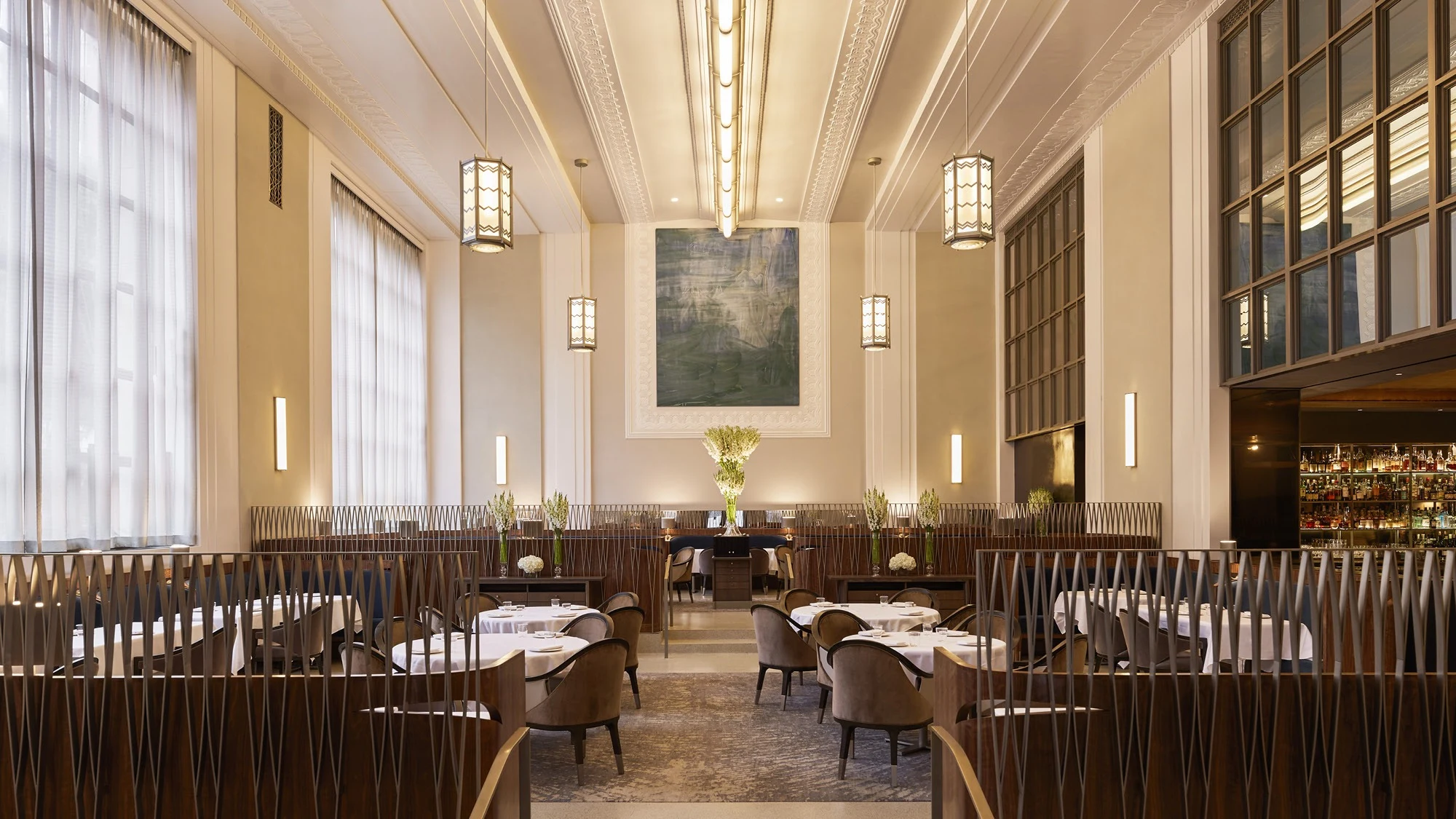
Atomix
New York City, United States
★★ · 50 Best
Modern French Fine Dining
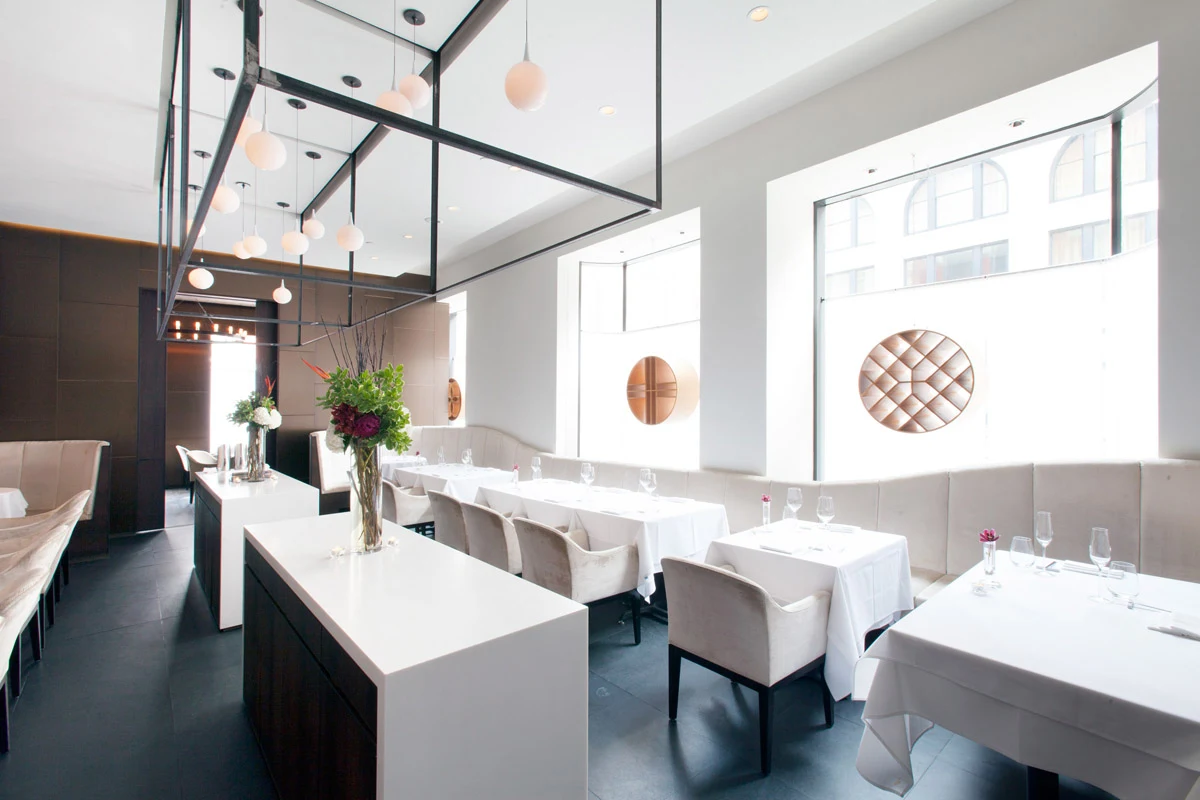
Daniel
New York City, United States
★ · 50 Best
Contemporary Plant-Based Fine Dining
Eleven Madison Park
New York City, United States
★★★ · 50 Best
Modern Korean Fine Dining
Jungsik New York
New York City, United States
★★★ · 50 Best
Modern Caribbean Prix Fixe
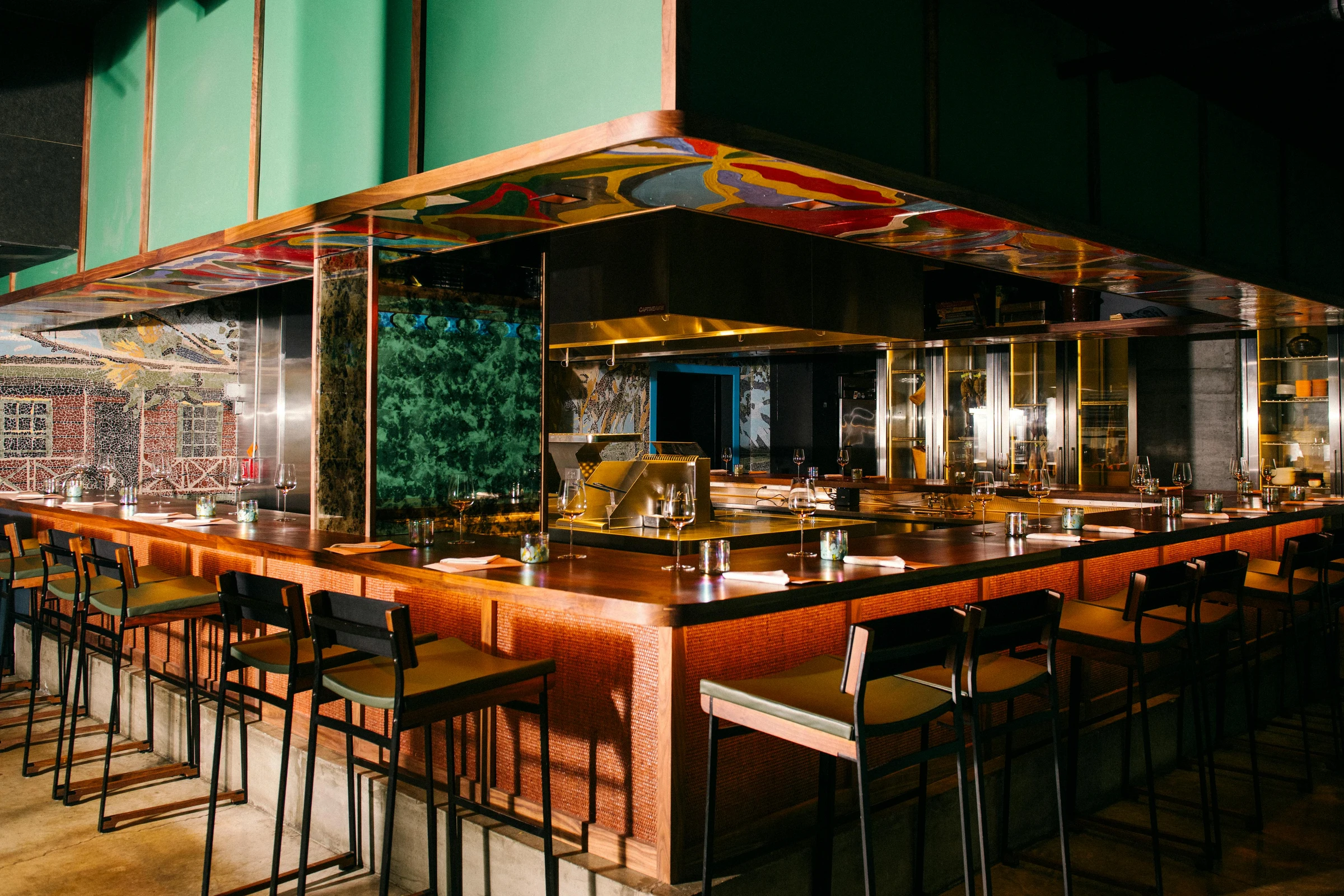
Kabawa
New York City, United States
50 Best
French Seafood Fine Dining
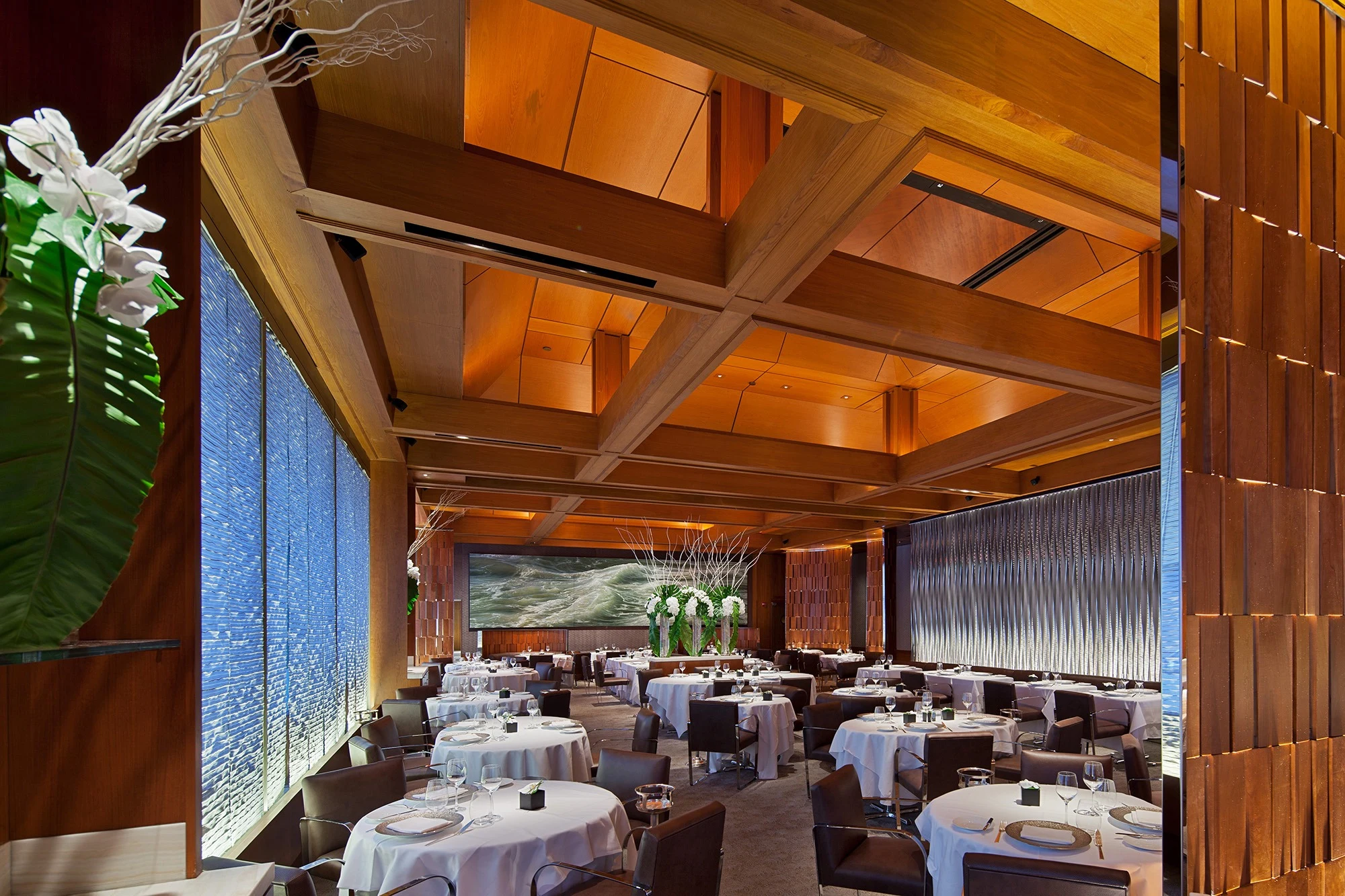
Le Bernardin
New York City, United States
★★★ · 50 Best
The Sunday letter
Get the next Made By story in your inbox.
We send one email every Sunday morning with the places and people we covered that week.
See a sample of the Sunday emailOne email a week. Unsubscribe from any issue.