Kappo Sono
In Residence
Sono Chikara
Chef
- 01CuisineTraditional Japanese Kaiseki
- 02CityNew York City, United States
- Wine Spectator · Tier 1
- New York Times Best Restaurants in New York City #24 · 2026
- Opinionated About Dining Top Restaurants in North America Ranked #110 · 2025
- Wine Spectator Award of Excellence · 2025
- Opinionated About Dining Top Restaurants in North America Ranked #166 · 2024
- Opinionated About Dining Top Restaurants in North America Recommended · 2023
A Sixth-Floor Room in the Village, and What It Asks of You
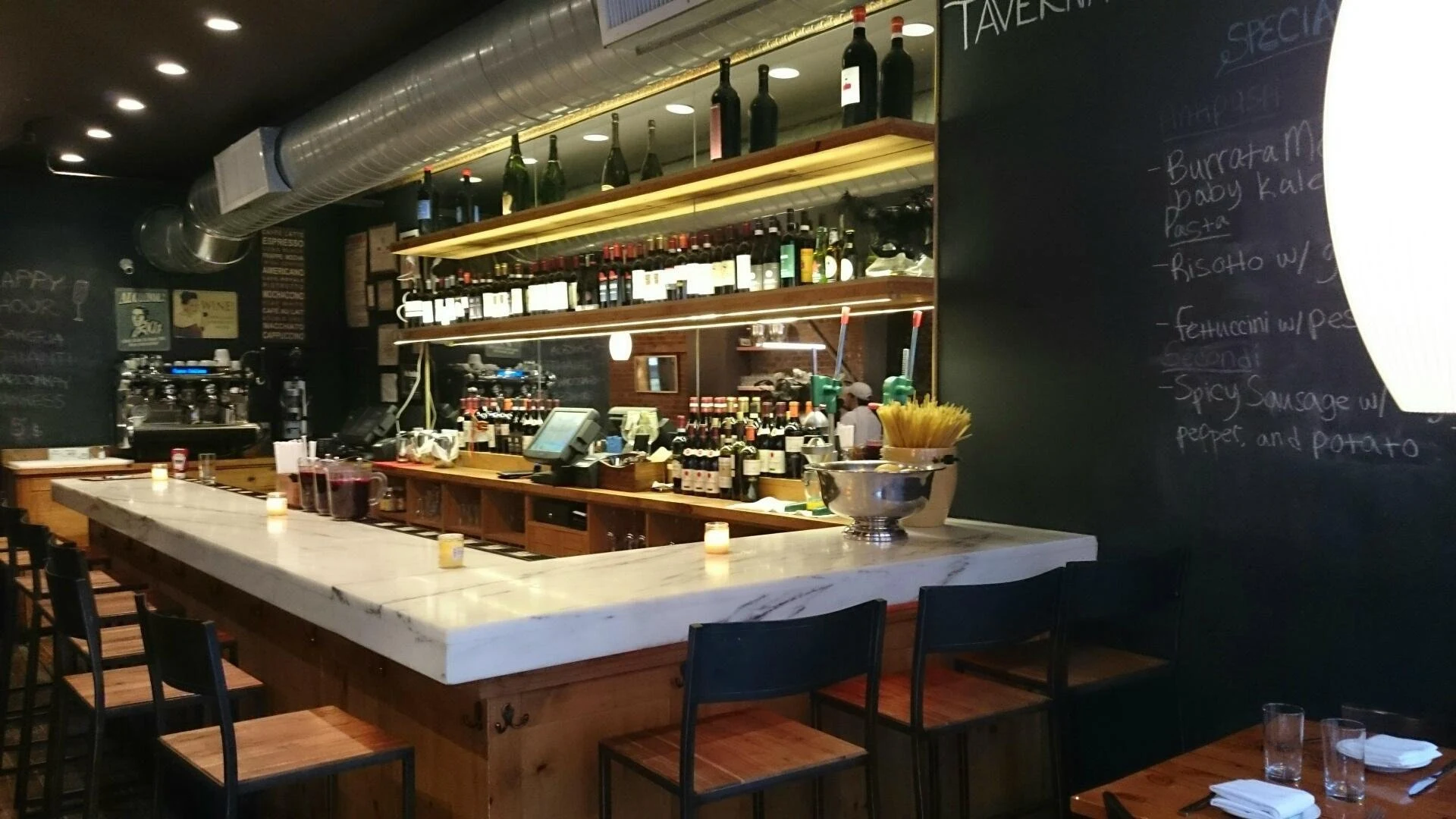
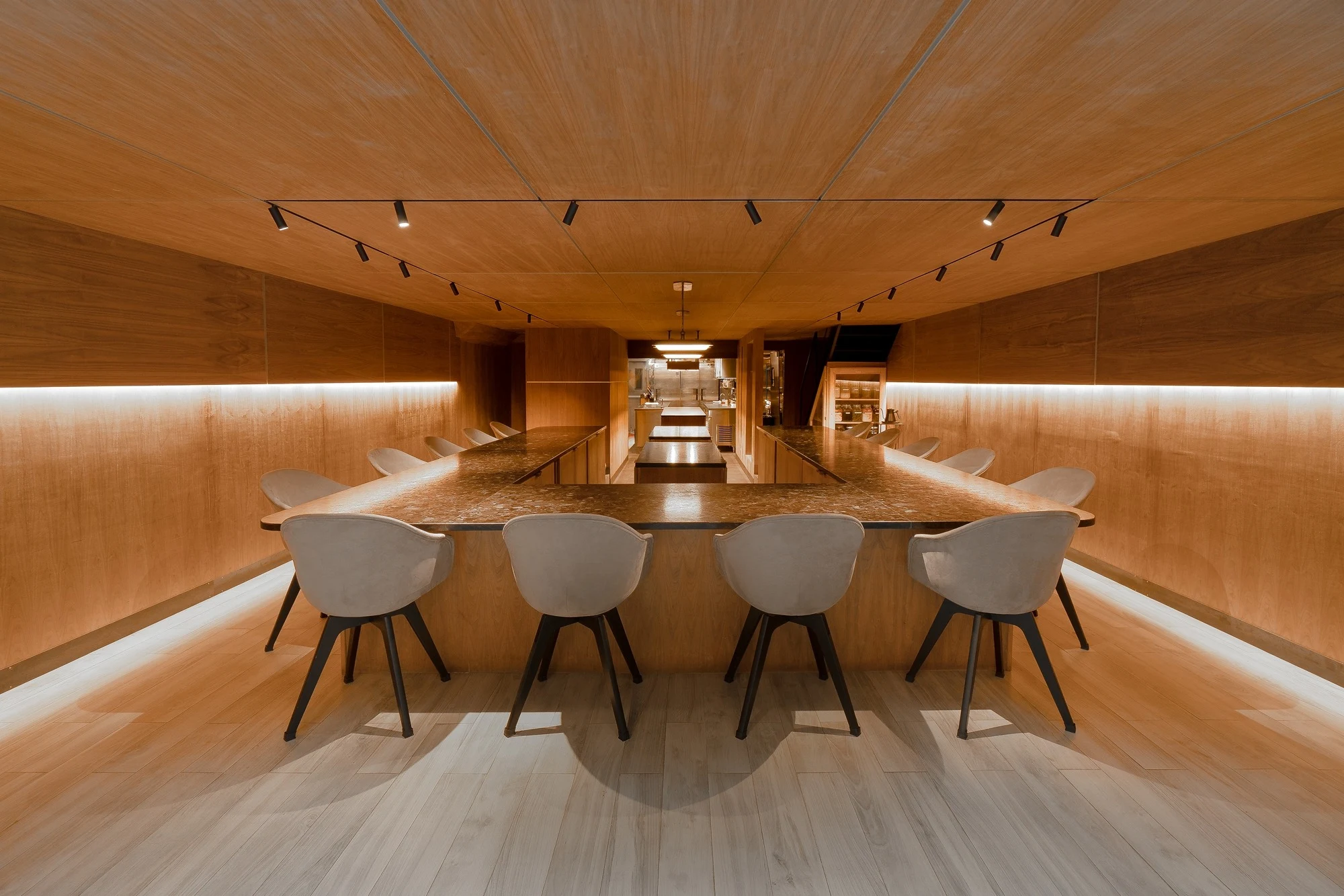
Reaching Kappo Sono requires a small act of commitment. The address is 39 East 13th Street, but the restaurant occupies the sixth floor, removed from the street-level noise below. That physical separation matters: kappo dining, as a format, has always operated at a remove from casual drop-in culture. You arrive having booked, having decided. The room rewards that decision.
New York's Japanese dining scene has stratified over the past decade into distinct tiers. At the leading sit omakase counters where the interaction is tightly choreographed and the price is unambiguous. Below them, a broader category of izakayas and ramen specialists absorbs foot traffic without ceremony. Kappo sits between these poles as its own category: a counter-based format rooted in Japanese culinary tradition where the chef cooks in front of guests, adapting to season and whim rather than executing a fixed menu. Odo and Noda operate within related registers of refined Japanese cooking in the city, but kappo as a specific format remains rare here compared to Tokyo, where dedicated kappo restaurants like Azabu Kadowaki and Myojaku anchor entire neighbourhoods.
The Sunday letter
Find new places through the people who run them.
Our Sunday email brings you the chefs, winemakers and hoteliers behind our newest stories. See a sample before you subscribe.
See a sample of the Sunday emailOne email a week. Unsubscribe from any issue.
Simplicity as Technical Demand
The editorial angle that defines Kappo Sono is not one of spectacle or luxury accumulation. It is, instead, about what discipline looks like when stripped of distraction. Kappo cooking shares a philosophical kinship with the great Japanese bowl traditions, ramen, udon, soba, in the sense that the ingredients are few, the technique is exposed, and there is nowhere to hide. A broth that has cooked for twelve hours either tastes like itself or it doesn't. A piece of fish either has correct temperature and texture at the moment of service or it was held too long. The disciplines are different, but the demand for craft without ornamentation is the same.
This is not a cuisine that benefits from the kind of tableside theatrics or foam-and-gel presentations that dominated New York fine dining in the early 2000s. Kappo's sophistication is in the sequencing of courses, the reading of guests, the calibration of temperature and portion across an evening. Diners at Tsukimi, operating within a different but related Japanese counter format, will recognise the dynamic: the chef as the controlling intelligence of an evening rather than a kitchen sending plates through a pass.
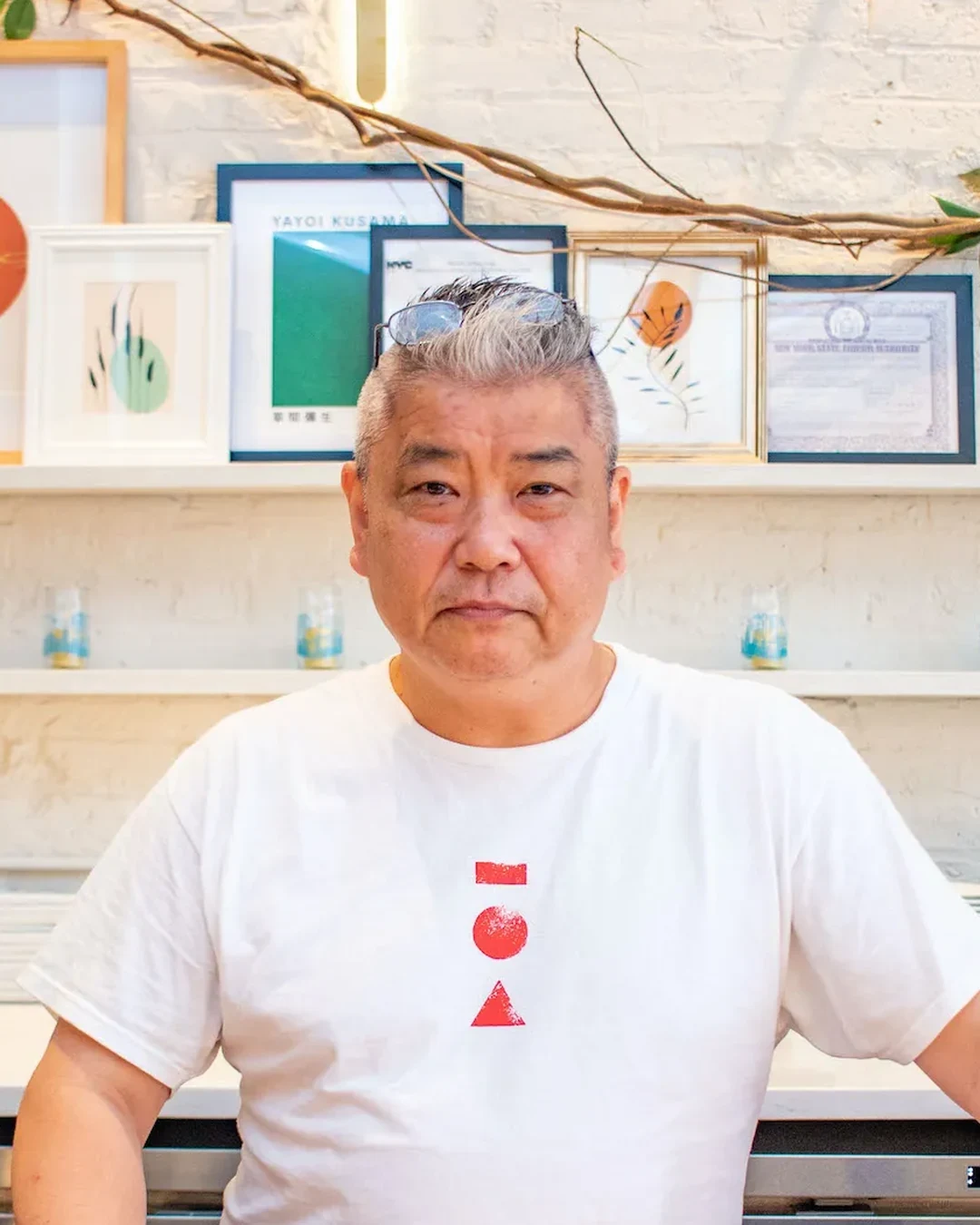
Chef Chikara Sono operates within this tradition. His presence behind the counter is the organizing principle of the experience, not a brand element layered on top of it. Kappo, at its most functional, is an inherently personal format: the menu responds to what is available and what the room seems to want. That responsiveness is the point.
Where Kappo Sono Sits in the North American Japanese Dining Conversation
Opinionated About Dining, the critic-weighted ranking that tracks serious restaurants across North America, placed Kappo Sono at #110 in 2025. That trajectory, from recommended to ranked, and then climbing within the ranked list, indicates a restaurant that has stabilised into consistent form rather than peaked and retreated. OAD rankings weight heavily toward repeat visits from a distributed set of informed diners, so sustained movement upward reflects more than a single good year.
Within New York's Japanese dining hierarchy, the reference points at the very leading include Masa, which operates at a $$$$ price point with three Michelin stars, and a cluster of omakase counters priced accordingly. Kappo Sono operates at $$$$, which for a dinner-only counter with this level of recognition places it as a serious option by the standards of the category. For comparison within the broader fine dining universe, destinations like The French Laundry in Napa and Alinea in Chicago operate at a tier above in both price and institutional recognition. Kappo Sono belongs to a different conversation: the specialist counter that earns sustained critical attention without the machinery of a Michelin three-star apparatus behind it.
Venues like Blue Ribbon Sushi Izakaya and Chikarashi represent the broader Japanese dining ecosystem the city sustains, each operating in more accessible formats. Kappo Sono occupies a narrower slice of that ecosystem, one where the format itself is the commitment.
The Wine List as Evidence of Seriousness
A wine list of 1,250 selections is not typical for a kappo counter. Most operations of this type either keep wine minimal or lean heavily into sake and whisky. Kappo Sono's list trends toward France at the upper end, with pricing in the $$$ tier, meaning a significant portion of the selection exceeds $100 per bottle. The corkage fee is set at $125, which places it at the high end of New York's corkage range and functions as a signal: the house wants you drinking from the list rather than arriving with your own bottle. For guests who do bring wine, the fee is not punitive so much as clarifying.
That depth of inventory, 1,250 bottles, requires storage infrastructure that most small counters don't maintain. It also implies a dining room with guests who drink seriously, and a pricing structure that supports the selection. For comparison within the fine dining comparable set, restaurants like Single Thread Farm in Healdsburg and Providence in Los Angeles maintain similarly ambitious wine programs alongside tasting menus. Kappo Sono achieves comparable wine depth within a format that is smaller and more intimate by design.
Planning Your Visit
Kappo Sono serves dinner only. The format and the OAD ranking together create meaningful demand on the booking side: this is not a walk-in restaurant, and the sixth-floor counter location already filters out casual interest. New York's most-discussed counter restaurants in the Japanese category typically require advance planning of several weeks to two months, and a venue that has climbed OAD's North American list consistently should be treated with similar planning assumptions. Arrival without a reservation is not a strategy worth testing.
The East Village location places it within easy reach of lower Manhattan and the wider downtown dining circuit.
Cuisine pricing: $$$$. Wine list: 1,250 selections, France-weighted, $$$ tier. Corkage: $125. Dinner only. Address: 39 East 13th Street, 6th Floor, New York, NY 10003.
Questions
Frequently asked
Who works at Kappo Sono?
Made By profiles Sono Chikara (Chef) at Kappo Sono.
How expensive is Kappo Sono?
Kappo Sono is listed at a price level of $$$$.
Where is Kappo Sono and what does it serve?
Kappo Sono is in Greenwich Village, New York City, serving Traditional Japanese Kaiseki.
The field
How it compares
| Place | Cuisine | Notes | Awards |
|---|---|---|---|
| Kappo Sono | Traditional Japanese Kaiseki | Greenwich Village, $$$$ | · |
| Atomix | Modern Korean Tasting Menu | New York City | Michelin 2 Stars, World's 50 Best |
| Daniel | Modern French Fine Dining | New York City | Michelin 1 Star, World's 50 Best |
| Eleven Madison Park | Contemporary Plant-Based Fine Dining | New York City | Michelin 3 Stars, World's 50 Best |
| Jungsik New York | Modern Korean Fine Dining | New York City | Michelin 3 Stars, World's 50 Best |
| Kabawa | Modern Caribbean Prix Fixe | New York City | World's 50 Best |
| Le Bernardin | French Seafood Fine Dining | New York City | Michelin 3 Stars, World's 50 Best |
In residence
Similar places
Modern Korean Tasting Menu
Atomix
New York City, United States
★★ · 50 Best
Modern French Fine Dining
Daniel
New York City, United States
★ · 50 Best
Contemporary Plant-Based Fine Dining
Eleven Madison Park
New York City, United States
★★★ · 50 Best
Modern Korean Fine Dining
Jungsik New York
New York City, United States
★★★ · 50 Best
Modern Caribbean Prix Fixe
Kabawa
New York City, United States
50 Best
French Seafood Fine Dining
Le Bernardin
New York City, United States
★★★ · 50 Best
The Sunday letter
Get the next Made By story in your inbox.
We send one email every Sunday morning with the places and people we covered that week.
See a sample of the Sunday emailOne email a week. Unsubscribe from any issue.