Kastel Sikuli
- 01CityKastel Novi, Croatia
- Falstaff Winery - Listed · 2026
Approaching Kastel Sikuli is less about a tasting room than coastal Dalmatian geography: stone under vine, hillside air, the Bay of Kaštel below, Split across the water. The setting does much of the editorial work before a glass is poured. This is not a polished corporate cellar built for scale; it sits at the smaller, family-run end of Croatian wine tourism, where the pull is a direct reading of land, grape and host-led hospitality.
Kaštel Novi lies in Dalmatia, where wine culture carries agricultural and archaeological weight. The name Sikuli refers to an ancient Greek settlement from around the 2nd century BC, later associated with finds including wine amphorae and glassware. That history matters because the winery’s strongest argument is continuity: modern Pošip and Tribidag/Crljenak are poured in a landscape where wine has long belonged to the region’s economy and identity.
Stony Kaštel Novi terrain gives the wines their point of view
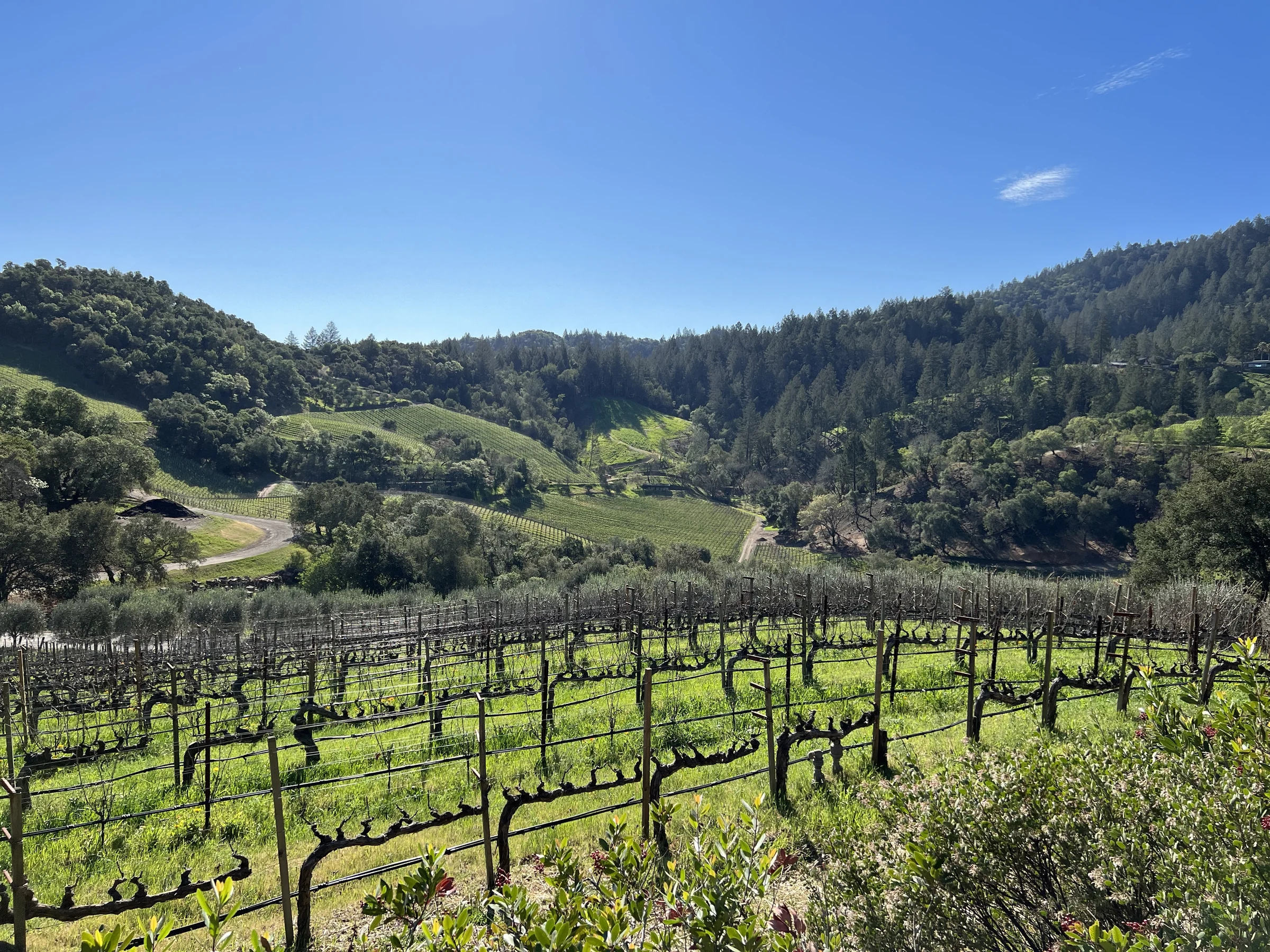
Dalmatian wine is often flattened into a coastal holiday category, but the better bottles usually rest on hard physical facts: exposure, wind, stone, slope and the tension between ripeness and freshness. Kastel Sikuli’s estate vineyard, planted in 2008, covers about one hectare, a scale that makes site selection more consequential than blending breadth. The ground is notably rocky, with vines described as struggling through stone-heavy soil. In Mediterranean viticulture, such low vigor can push concentration and structure, especially at small production.
The grape choices resist treating Dalmatia as one formula. Pošip is central, while Tribidag, also linked to Crljenak Kaštelanski, gives the red program its local reference. Plavac Mali once had a larger role, but the site’s earlier cooling pattern makes that late-ripening grape a less convincing fit. The decision says more than a slogan: the vineyard is interpreted through microclimate rather than forced into a regional stereotype.
Available cellar details point to a compact but serious approach. A 2020 Pošip used split aging: 20 percent sur lie in barrique, the rest in stainless steel. That familiar combination preserves freshness while adding texture, placing the white closer to structured Dalmatian Pošip than simple early-drinking seaside white. A 2019 Kaštelanski Crljenak from Tribidag received long maceration and a year in barrique, suggesting a red built for aromatic extraction, oak influence and shape rather than sheer fruit weight.
Food-pairing hospitality, not a standard tasting flight
Visit format is why Kastel Sikuli belongs in the destination-winery conversation around Split, not just a producer directory. The experience has included guided tasting with dinner, terrace seating, outdoor grilling and a peka setup, placing the wines within Dalmatian eating culture rather than a technical flight. Shrimp risotto, grilled lamb and vegetable sides have appeared in documented hospitality, but the key is format: wines framed by food, conversation and changing light over the bay.
Ivan Kovačević is the visible host and named winemaker, while the wider Kovačević family gives the property its operating identity. Ivica Kovačević’s wine-industry background, including leadership at Jako Vino on Brač, adds practical credential, though the story is not a founder myth. The better reading is generational: a family estate using local history, a small vineyard and indigenous grapes to enter Croatia’s premium wine-travel circuit without losing the informal texture that makes small producers worth seeking out.
Production remains deliberately small. Annual output has been cited around 10,000 bottles, with ambitions to reach 45,000 as the property develops and additional vineyards are planted. That expansion phase matters for travellers: the winery is established enough to have a defined portfolio, still small enough to feel personal and site-led. The range includes Pošip, Rosé, Tribidag/Crljenak and Merlot Rosé, with indigenous varieties carrying the stronger sense of place.
How to place it in a Croatia wine itinerary
For a wine-led trip through Kaštel Novi, Kastel Sikuli works well as a slow stop, not a quick tasting. Setting, small scale, food-pairing format and conversational service suit an afternoon or early evening on the terrace. Dress is casual, noise level conversational, tone rustic rather than formal. Reservations are recommended, logical for a small hillside property where food and guided tasting need more coordination than a walk-in bar counter.
The broader Kaštel Novi planning layer helps because the town sits within a larger coastal corridor of restaurants, hotels, bars, wineries and experiences. For city-level context, start with Our full Kastel Novi wineries guide, then cross-check dining in Our full Kastel Novi restaurants guide, stays in Our full Kastel Novi hotels guide, drinks in Our full Kastel Novi bars guide, and local programming in Our full Kastel Novi experiences guide.
Readers mapping Croatia’s wine regions beyond Dalmatia can broaden the itinerary without forcing direct comparisons. Continental Slavonia appears through Adzic in Kutjevo and Belje Podrumi in Darda; Dalmatian and island producers include Ante Sladić Vino in Skradin, Bakovic in Supetar, Baraka Winery in Sibenik and Bastijana in Hvar. Istria adds another coastal vocabulary via Arman Marijan Winery in Vizinada and Bastian in Buje, while Central European context can extend through »der Steiner« Hans Steiner in Podersdorf am See and & Handwein in Mannheim.
The critical reason to go is not a medal count or grand architecture. It is how a small Dalmatian winery turns stony Kaštel Novi terrain, native grape choices and bay-facing hospitality into a coherent visit. For travellers who care about terroir expression, Kastel Sikuli offers a clear lesson: in this part of Croatia, the view is not decoration. It is part of the wine’s argument.
Questions
Frequently asked
How expensive is Kastel Sikuli?
Kastel Sikuli is listed at a price level of $$$.
The field
How it compares
| Place | Notes | Awards |
|---|---|---|
| Kastel Sikuli | Kaštel Novi, $$$ | · |
| Abadía Retuerta | Sardón de Duero | World's 50 Best |
| Chateau Ausone | Saint-Émilion | · |
| Château Cos d'Estournel | Saint-Estèphe | World's 50 Best |
| Château d'Yquem | Sauternes | World's 50 Best |
| Harlan Estate | Napa | · |
| Michter's | Louisville | · |