Kemuri Tatsu-ya
In Residence
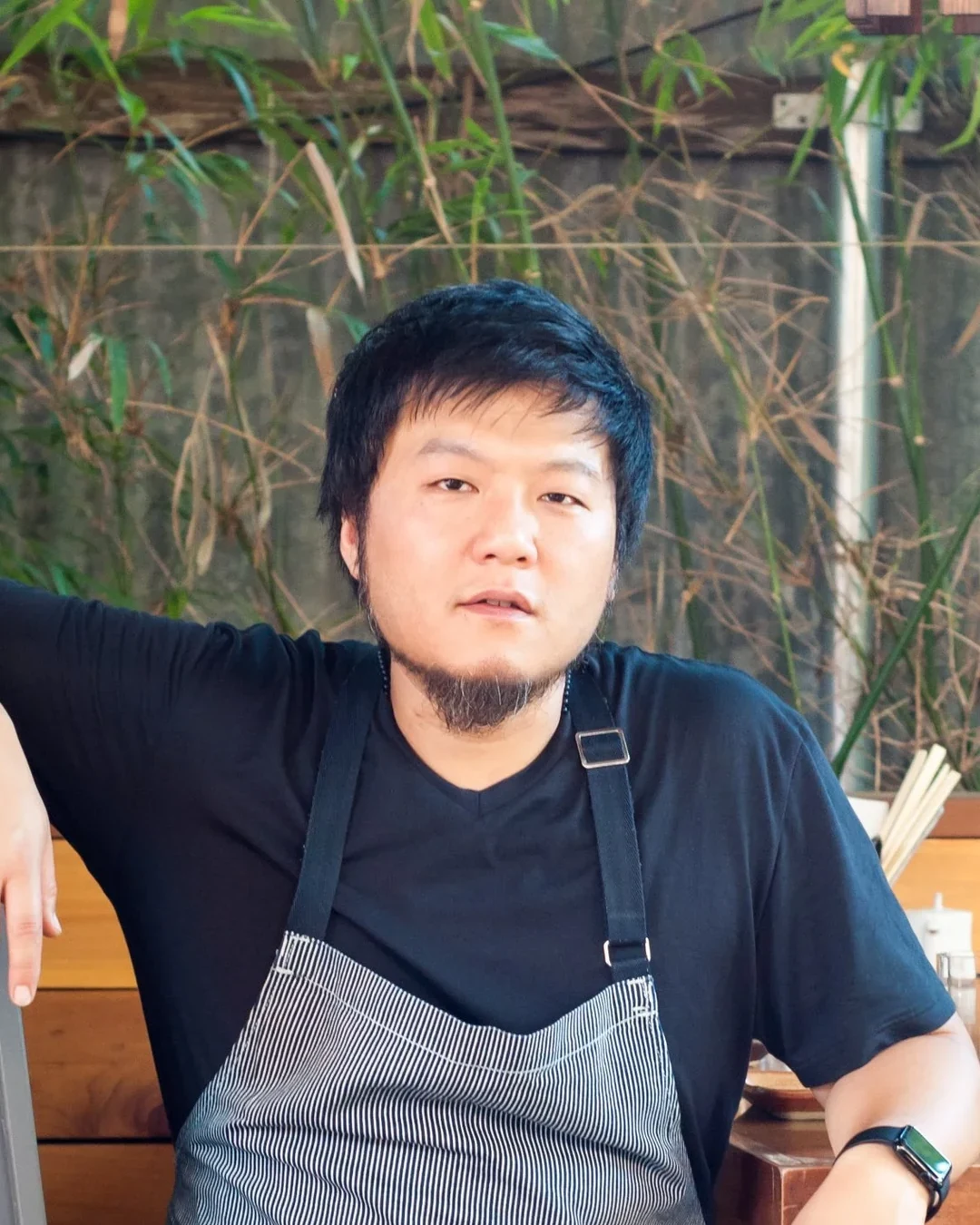
Tatsu Aikawa
Chef
- 01CuisineJapanese-Texas BBQ Izakaya
- 02CityAustin, United States
Smoke, Salt, and Shochu on Austin's East Side
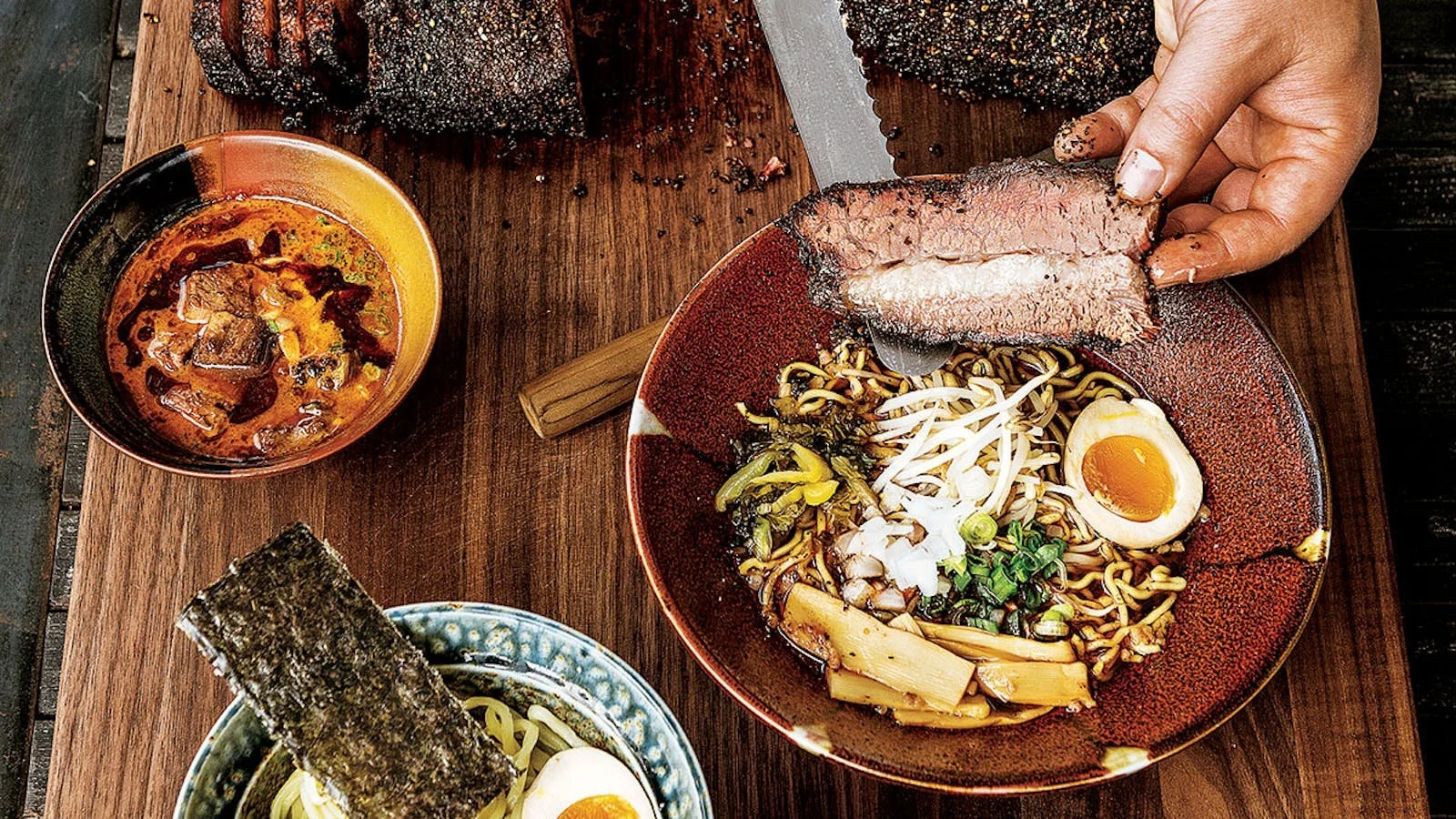
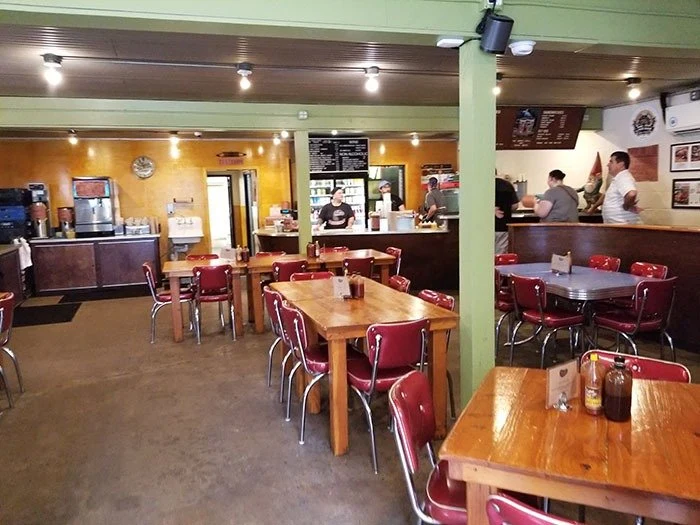
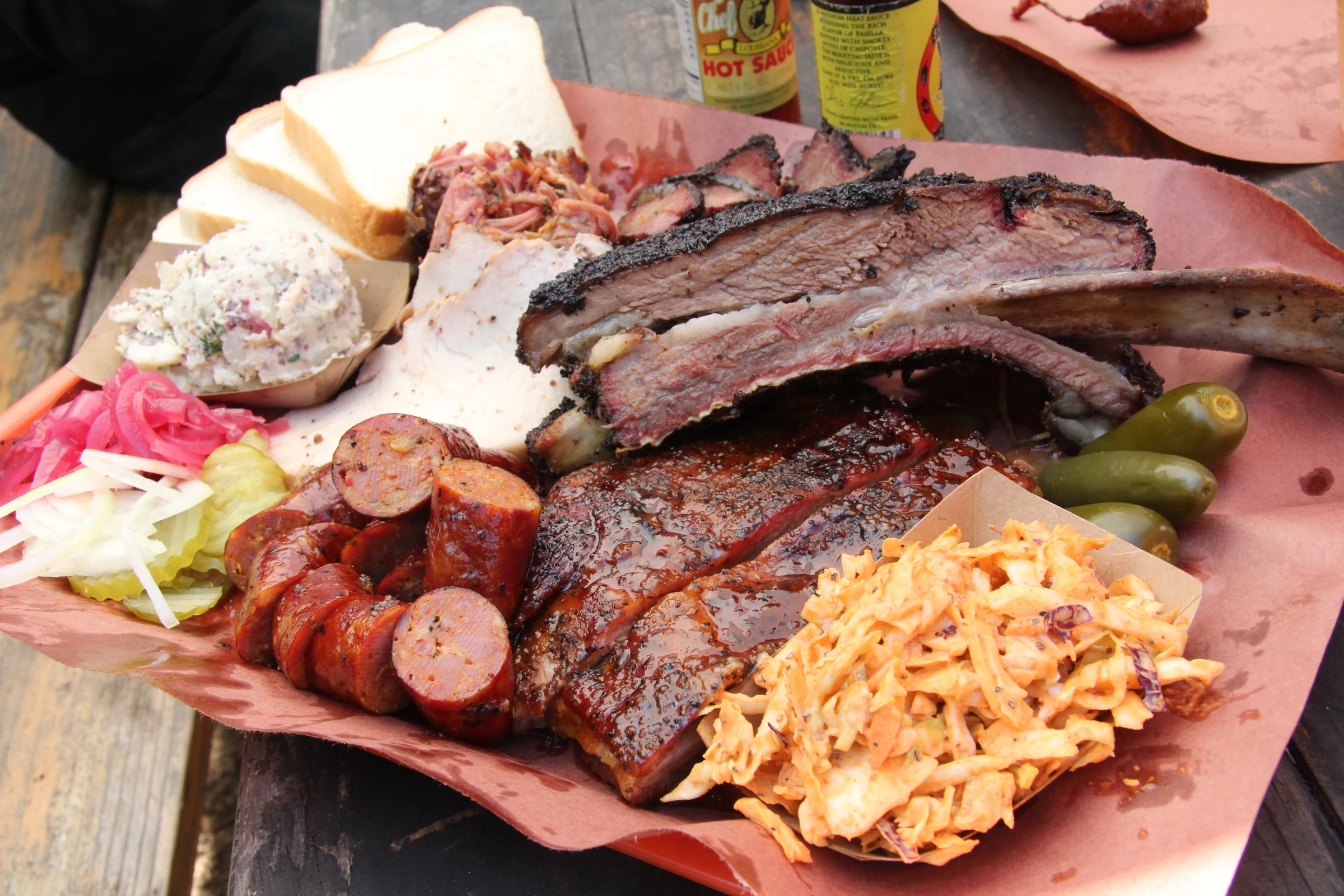
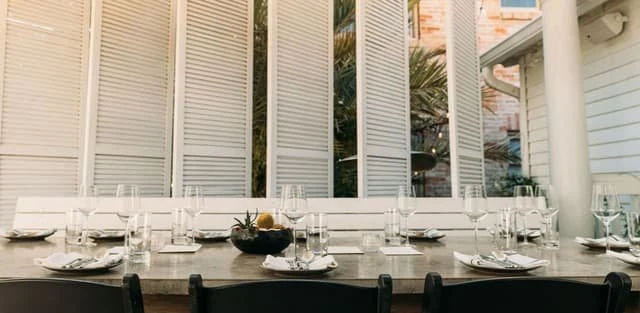
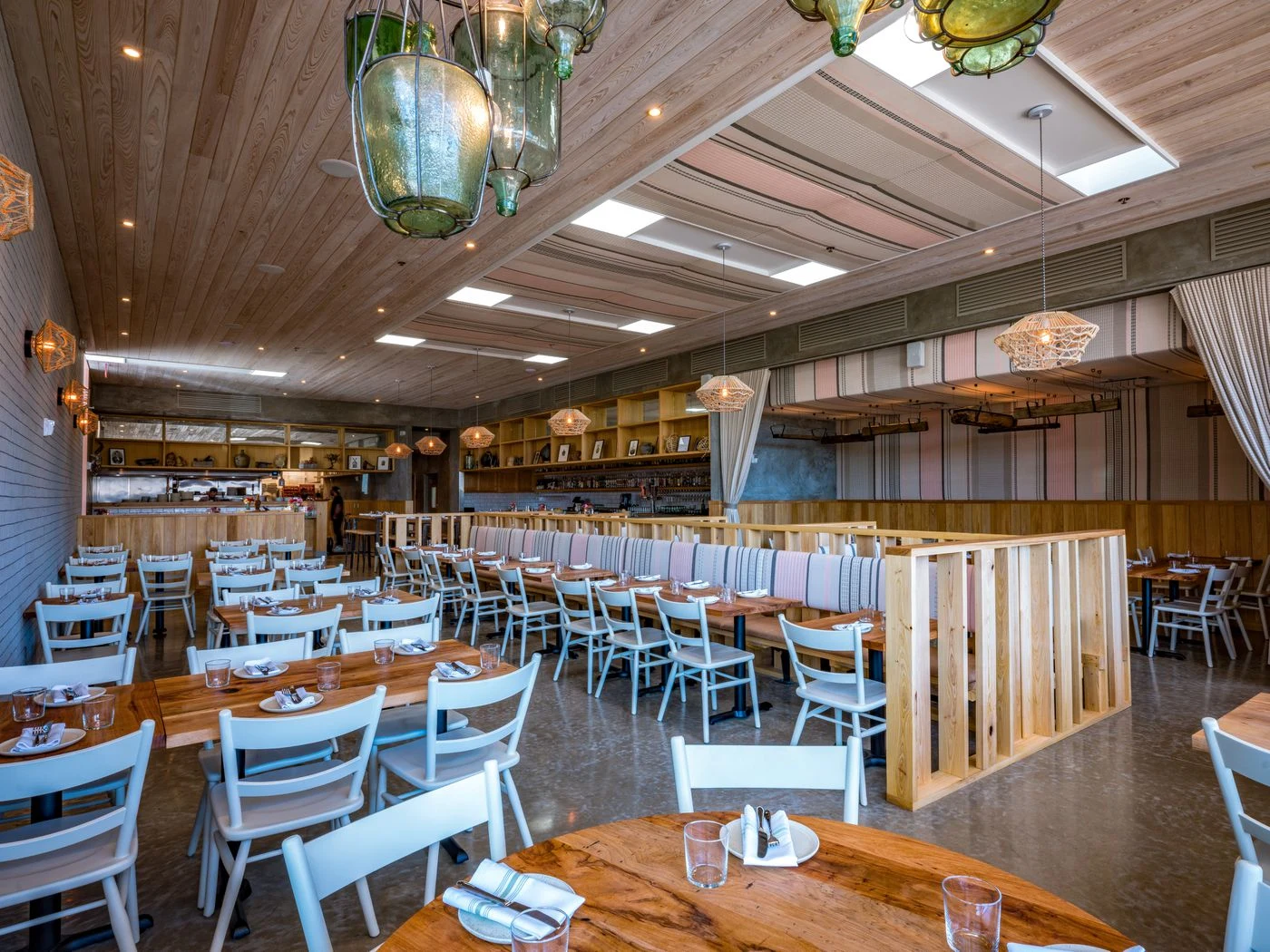
East Austin's 2nd Street corridor has become one of the more reliable stretches for serious eating in Texas, and within it, Kemuri Tatsu-ya occupies a position that takes a moment to categorize. The format is izakaya, Japan's loose, convivial pub model built around small plates and drinks that move together rather than in strict courses, but the execution here draws heavily on Texas barbecue tradition. The result is a hybrid that reflects where American izakaya culture has arrived in 2025: less a novelty concept than a settled genre with its own logic and its own comparable set.
The izakaya format rewards a particular kind of drinking and eating rhythm. In Japan, the drink arrives first; food follows as an accompaniment rather than an endpoint. That structure translates well to the Texas habit of long, unhurried evenings, and Kemuri Tatsu-ya leans into it. The smoke element, drawn from the same hardwood traditions that define Central Texas barbecue, threads through the menu in ways that give the beverage program something substantive to work against.
The Sunday email
Read about the people behind restaurants like Kemuri Tatsu-ya in the Sunday email.
Every Sunday we send a lead story and up to four more about the chefs, winemakers, sommeliers and hoteliers behind the restaurants, bars, wineries and hotels we cover.
Recent stories
Free. One email a week, and you can unsubscribe from any issue.
The Beverage Program as the Room's Organizing Logic
A well-constructed izakaya beverage program does something that wine-forward restaurants rarely attempt: it builds a progression across sake, shochu, Japanese whisky, and beer that mirrors the food's range from light and raw to fat and smoked. That range matters here. The move from a delicate junmai-shu, rice-forward, with lower acidity, toward a smokier, earthier mugi shochu (barley-based) tracks directly alongside a menu that shifts from clean, citrus-dressed preparations to heavier, char-touched plates.
Shochu deserves particular attention for drinkers unfamiliar with the category. Distilled rather than brewed, typically 25% ABV, it is less sweet than most spirits and carries a clean finish that makes it a more precise food pairing tool than sake in heavier preparations. Imo shochu, made from sweet potato, tends toward earthy and vegetal notes that bridge the gap between smoked meat and the salt-bright Japanese pantry ingredients that anchor this style of cooking. Mugi, made from barley, runs cleaner and is generally the more versatile companion across a full izakaya spread.
The pairing logic at a Texas izakaya like this one also accommodates a category that Japanese izakayas rarely need to consider: American craft beer. The bitterness of a well-hopped IPA or the caramel depth of a Vienna lager can function similarly to certain nigori (unfiltered) sakes when set against smoked preparations, giving drinkers a local-market entry point into the broader pairing framework.
What the Awards Signal About Where This Fits
Kemuri Tatsu-ya has held Michelin Bib Gourmand recognition in 2024 and 2025, the designation Michelin uses for restaurants delivering quality above what the price point would suggest. The Bib sits below the star tier but above general recommendation, and in Austin's still-developing Michelin cohort it carries meaningful weight as a signal of consistent technique. The venue has also appeared on the Opinionated About Dining casual North America list in 2023, 2024, and 2025, reaching as high as #74 in 2024, with a separate 2023 appearance at #16 on the OAD Gourmet Casual list. That dual-list presence, casual and gourmet casual simultaneously, reflects the format's range: the room operates informally, but the cooking requires precision to hold together.
For context within Austin's broader award landscape, the Bib Gourmand places Kemuri Tatsu-ya in company with other price-accessible venues earning Michelin attention. la Barbecue, which holds a full Michelin star at a similarly accessible price point, represents the Texas barbecue side of that equation. Barley Swine, at a higher price tier with a Michelin star, shows where New American tasting menus have landed. Kemuri Tatsu-ya occupies a different category entirely, casual izakaya format with consistent recognition across three consecutive years. The Google rating of 4.4 across 2,360 reviews adds a volume dimension that reinforces the consistency reading rather than positioning this as a critics-only proposition.
Among Austin's Japanese dining options, the positioning contrasts with the omakase tier. Craft Omakase operates in the counter-format, chef-led progression model that sits at the formal end of Japanese dining in the city. Kemuri Tatsu-ya runs the opposite direction: a full evening here is built around the guest's own pace, with drinks as the spine and food arriving laterally rather than sequentially.
For readers planning a broader Austin evening, Hestia offers live-fire New American cooking at a higher price point and in a more structured format. The comparison is useful because both venues take fire and smoke seriously as technique, but deploy them within entirely different dining frameworks. InterStellar BBQ represents the direct-smoke tradition without the Japanese pantry influence. Kemuri Tatsu-ya's specific value is in the synthesis.
The Izakaya Tradition in American Cities
Izakaya has expanded steadily across American cities over the past decade, and the format has matured past its early novelty phase. In Japan, venues like Benikurage in Osaka and Berangkat in Kyoto show the range the format can hold, from tightly edited sake-bar concepts to more expansive kitchen-forward rooms. American interpretations have generally had to choose between fidelity to Japanese sourcing or integration of local ingredients and techniques. The Texas approach taken here, importing the format's structure and the beverage logic while working with regional cooking traditions, represents one of the more coherent answers to that tension.
The $50 price point puts the full experience in reach of most Austin dining budgets. At that price tier, the Bib Gourmand recognition is harder to earn than at the fine-dining level, because the margin for error on sourcing, technique, and consistency is narrower when menu prices are compressed.
Questions
Frequently asked
What recognition does Kemuri Tatsu-ya hold?
Kemuri Tatsu-ya holds a Michelin Bib Gourmand.
Who works at Kemuri Tatsu-ya?
Made By profiles Tatsu Aikawa (Chef) at Kemuri Tatsu-ya.
How expensive is Kemuri Tatsu-ya?
Kemuri Tatsu-ya is listed at a price level of $$$.
Where is Kemuri Tatsu-ya and what does it serve?
Kemuri Tatsu-ya is in Holly, Austin, serving Japanese-Texas BBQ Izakaya.
The field
How it compares
| Place | Cuisine | Notes | Awards |
|---|---|---|---|
| Kemuri Tatsu-ya | Japanese-Texas BBQ Izakaya | Holly, $$$ | · |
| Franklin BBQ | Texas BBQ | Austin | · |
| Jeffrey's | Modern American Steakhouse | Austin | · |
| la Barbecue | Texas Barbecue | Austin | Michelin 1 Star |
| Lenoir | Modern Farm-to-Table with Goan Influences | Austin | · |
| Olamaie | Modern Southern | Austin | Michelin 1 Star |
| Suerte | Modern Mexican Masa | Austin | · |
Similar places
Texas BBQ
Franklin BBQ
Austin, United States
Modern American Steakhouse
Jeffrey's
Austin, United States
Texas Barbecue
la Barbecue
Austin, United States
★
Modern Farm-to-Table with Goan Influences
Lenoir
Austin, United States
Modern Southern
Olamaie
Austin, United States
★
Modern Mexican Masa
Suerte
Austin, United States

The Sunday email
Read about the people behind restaurants like Kemuri Tatsu-ya in the Sunday email.
Every Sunday we send a lead story and up to four more about the chefs, winemakers, sommeliers and hoteliers behind the restaurants, bars, wineries and hotels we cover.
Recent stories
Free. One email a week, and you can unsubscribe from any issue.