- Opinionated About Dining Top Restaurants in Japan Ranked #619 · 2025
The Ritual of Japanese Beef Cookery in Roppongi
Tokyo's beef dining culture has its own grammar. Whether the format is teppanyaki, shabu-shabu, sukiyaki, or yakiniku, the experience is structured around specific choreography: the sequencing of cuts, the management of heat, the pauses between bites. Kintan is a yakiniku restaurant in Roppongi, Tokyo, with a 4.1 Google rating. This is not incidental. The meal teaches you how to eat as you go, and fluency in that sequence is part of what separates a considered beef restaurant from a simple grill house. In Roppongi's dense dining corridor, where the competition includes everything from three-Michelin-starred kaiseki at RyuGin to high-volume izakayas, Kintan sits within a more focused category: the specialist beef restaurant where the cooking format and the cut selection define the evening.
Roppongi has long functioned as one of Tokyo's most international dining districts, drawing a mixed crowd of expatriates, business travelers, and locals who want serious food without the ceremonial weight of a kaiseki counter or the social theater of a Ginza dining room. Beef restaurants in this neighbourhood tend to lean in one of two directions: the high-production teppanyaki floor with theatrical presentation, or the quieter specialist house where the sourcing and preparation carry the evening. Kintan belongs to the latter.
How the Meal Unfolds
Japanese beef dining rituals are built around the idea that the diner is an active participant. At a yakiniku counter, you manage your own grill; at a shabu-shabu house, you control the pace of cooking; even at a teppanyaki table, the sequence of courses arrives in a specific order that asks you to pay attention. The logic behind this is not just theatrical, it is pedagogical. You are being shown how different cuts behave differently under heat, how fat content changes texture at various temperatures, how a brief rest before eating shifts the flavour profile.
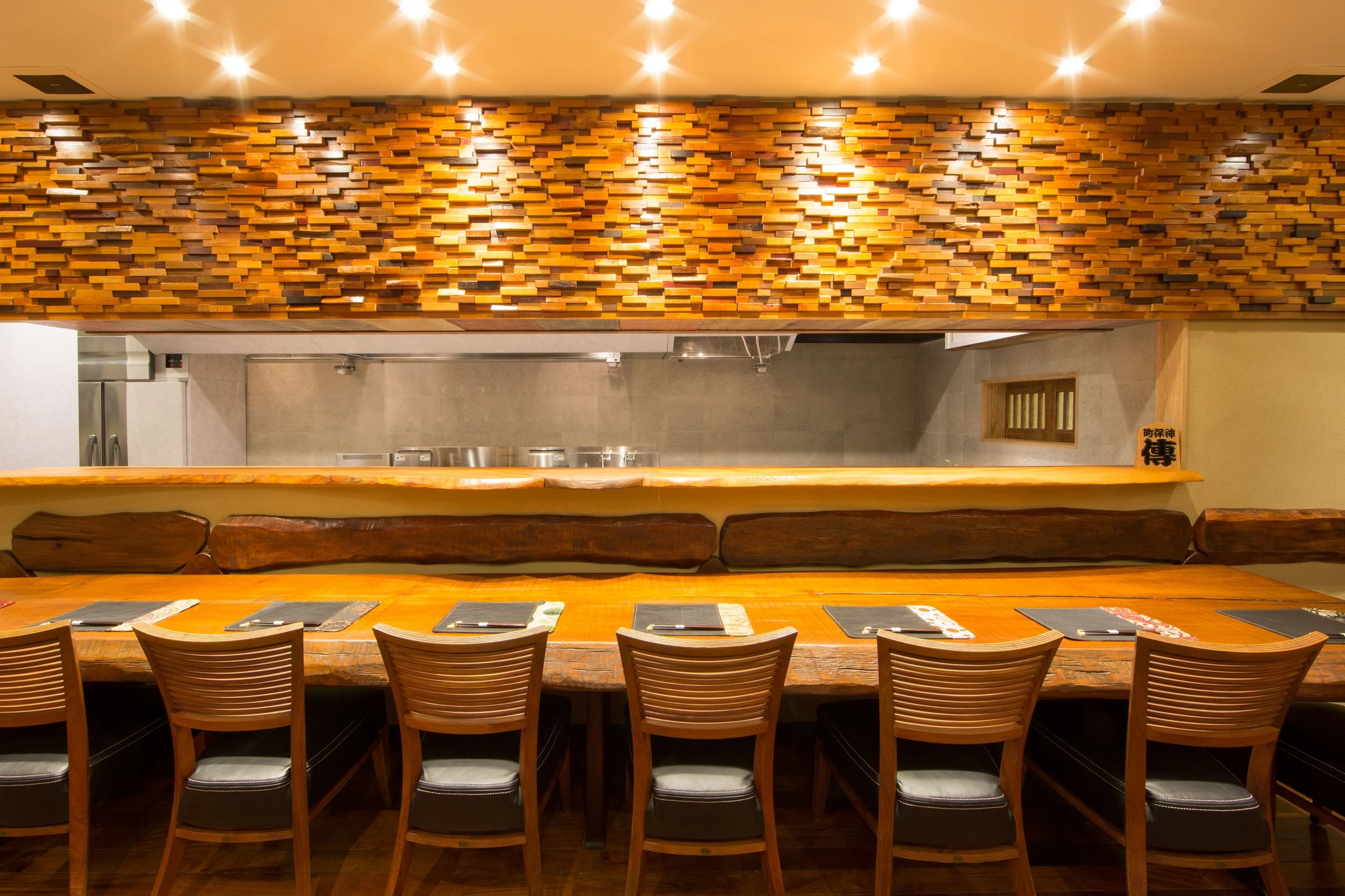
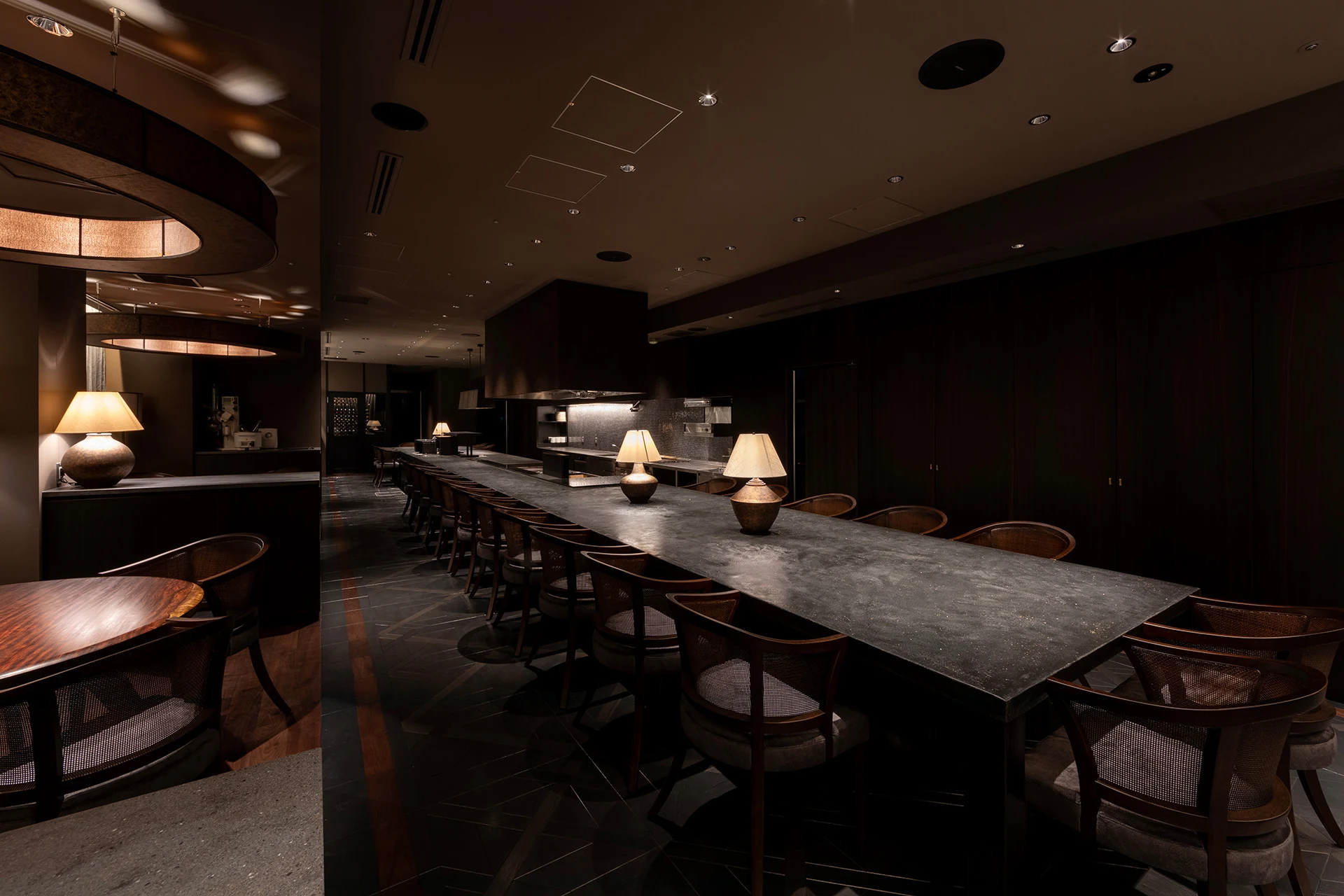
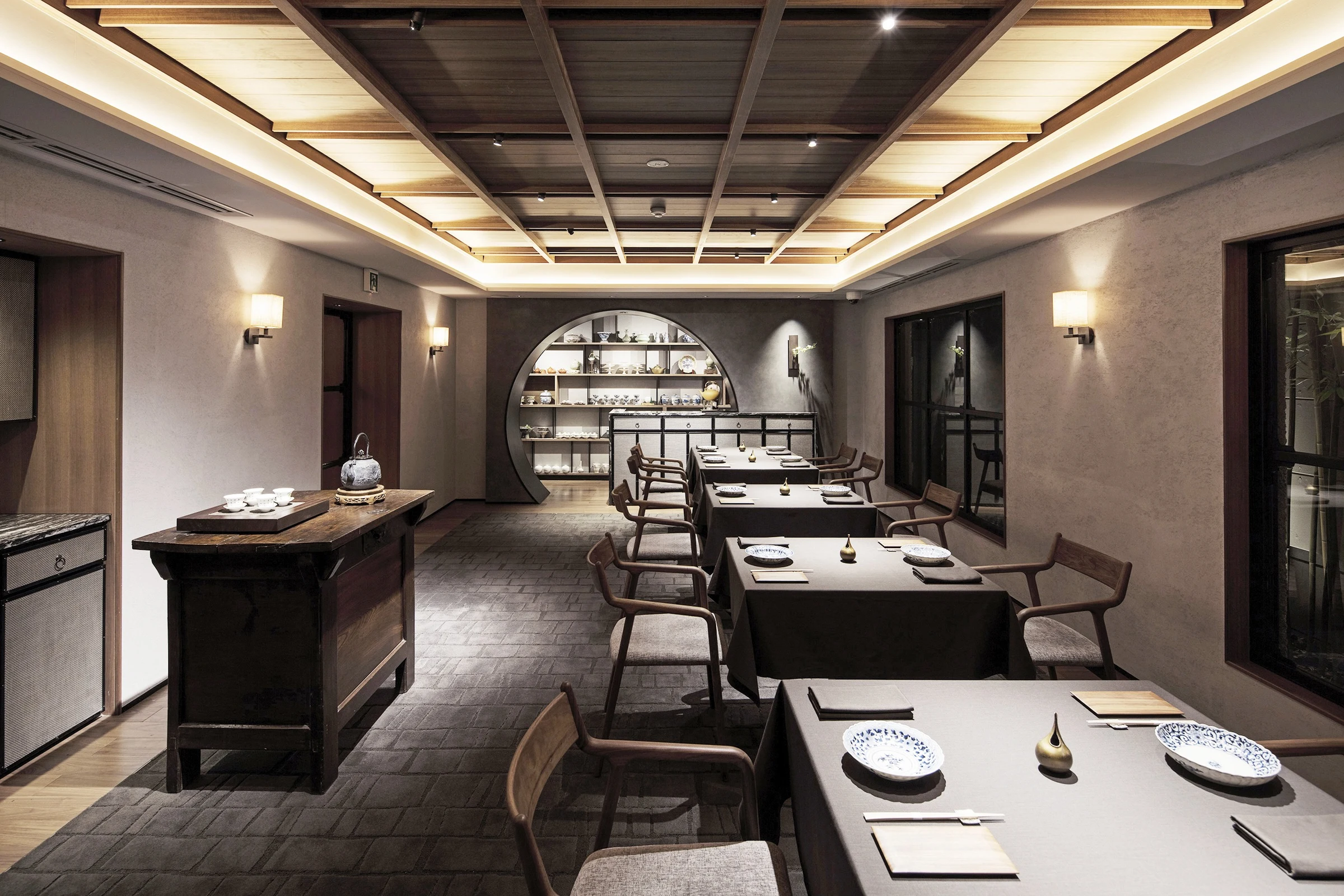
At Kintan, the framework follows this tradition. The restaurant occupies the second floor of Roppongi Green Building at 6 Chome-1-8, which places it above street level and physically removed from the noise of the main Roppongi intersection. That vertical separation is common in Tokyo's mid-to-upper dining tier, where second and third-floor locations signal a restaurant that expects its guests to seek it out rather than stumble in from the pavement. The 4.1 Google rating across 646 reviews is a useful sign of steady popularity.
Where Kintan Sits in the Tokyo Beef Conversation
Tokyo's recognised beef restaurants span a wide range of formats and price points. At the high end, kaiseki-influenced tasting menus incorporate premium wagyu as one element within a broader seasonal progression. Further down the register, specialised yakiniku houses focus on a single sourcing region or breed. Kintan was ranked number 619 in Opinionated About Dining's 2025 Japan ranking.
Within the specific category of beef-focused restaurants, the comparisons worth drawing are outside Tokyo. Setsugekka in Kobe operates in Japan's most recognised beef region, where Kobe certification carries protected designation status. NAKATSU WONIKU in Osaka represents Osaka's own approach to premium beef cookery in a city with a different culinary register from Tokyo. Kintan, operating in Roppongi rather than in a traditional beef-producing region, positions itself within the Tokyo market where the sourcing story must be communicated through the kitchen rather than assumed from geography.
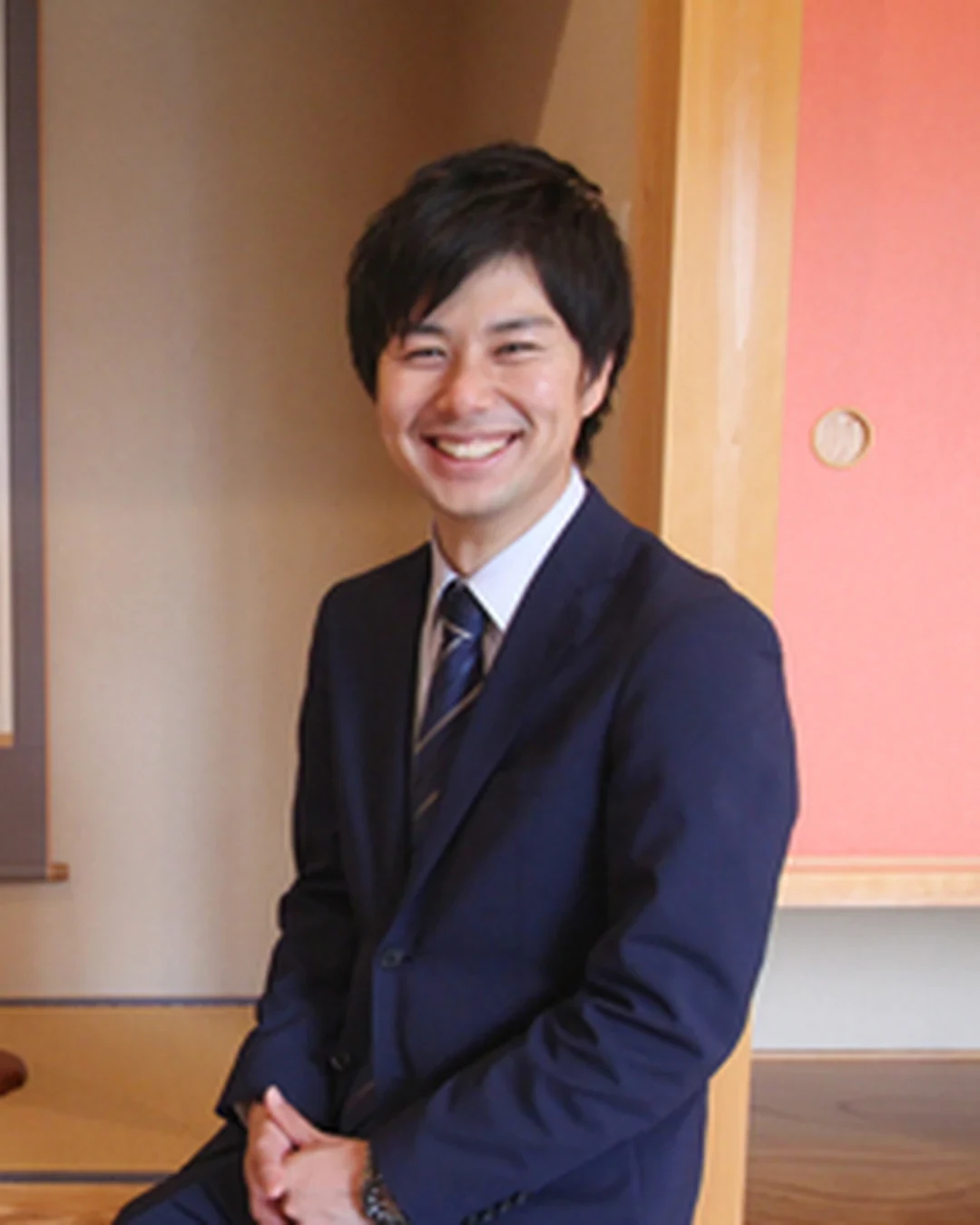
Chef Yusuke Shimodaira leads the kitchen. In the context of Japanese beef cookery, a named chef at this type of specialist restaurant typically indicates a focus on sourcing relationships and preparation precision rather than the kind of tasting-menu authorship associated with kaiseki or French-influenced fine dining houses like Sézanne or Crony.
Roppongi as a Context for This Style of Dining
The neighbourhood shapes the expectation. Roppongi has a higher concentration of internationally-oriented restaurants than most other central Tokyo districts, and that concentration affects both pricing norms and the type of hospitality that works here. A highly formal, Japanese-language-only dining ritual would be unusual for this postcode. Restaurants that operate in Roppongi's mid-to-upper tier tend to offer experiences that are accessible to guests without deep fluency in Japanese dining customs, and specialist beef cookery, with its inherent visual clarity (the meat arrives, you cook or watch it cook, you eat), translates across cultural familiarity in a way that multi-course kaiseki does not.
For visitors comparing Tokyo's restaurant formats and price tiers, the city's beef specialist category offers a different kind of dining experience from the omakase counter or the kaiseki progression. The meal is participatory and rhythmic, and a good beef restaurant teaches you something about the product through the structure of the service.
For those travelling beyond Tokyo, comparable beef-specialist experiences can be found at Setsugekka in Kobe and NAKATSU WONIKU in Osaka.
Know Before You Go
- Address: 6 Chome-1-8 Roppongi, Minato City, Tokyo 106-0032 (Roppongi Green Building, 2F)
- Chef: Yusuke Shimodaira
- Cuisine: Beef dishes (Japanese)
- Recognition: Opinionated About Dining Leading Restaurants in Japan, ranked #619 (2025)
- Google Rating: 4.1 from 608 reviews
- Nearest Station: Roppongi Station (Tokyo Metro Hibiya Line / Toei Oedo Line)
Questions
Frequently asked
Who works at Kintan?
Made By profiles Yusuke Shimodaira (Chef) at Kintan.
How expensive is Kintan?
Kintan is listed at a price level of $$$.
Where is Kintan and what does it serve?
Kintan is in Minato, Tokyo, serving Yakiniku Japanese BBQ.
The field
How it compares
| Place | Cuisine | Notes | Awards |
|---|---|---|---|
| Kintan | Yakiniku Japanese BBQ | Minato, $$$ | · |
| Den | Modern Japanese Kaiseki | Tokyo | Michelin 2 Stars, World's 50 Best |
| Florilège | Modern French-Japanese Plant-Based Fine Dining | Tokyo | Michelin 2 Stars, World's 50 Best |
| Narisawa | Modern Japanese Satoyama Fine Dining | Tokyo | Michelin 2 Stars, World's 50 Best |
| Quintessence | Modern French Fine Dining | Tokyo | Michelin 3 Stars |
| Sazenka | Modern Chinese Fine Dining | Tokyo | Michelin 3 Stars, World's 50 Best |
| Sézanne | Modern French Fine Dining | Tokyo | Michelin 3 Stars, World's 50 Best |
In residence
Similar places
Modern Japanese Kaiseki
Den
Tokyo, Japan
★★ · 50 Best
Modern French-Japanese Plant-Based Fine Dining
Florilège
Tokyo, Japan
★★ · 50 Best
Modern Japanese Satoyama Fine Dining
Narisawa
Tokyo, Japan
★★ · 50 Best
Modern French Fine Dining
Quintessence
Tokyo, Japan
★★★
Modern Chinese Fine Dining
Sazenka
Tokyo, Japan
★★★ · 50 Best
Modern French Fine Dining
Sézanne
Tokyo, Japan
★★★ · 50 Best