Kōnā
- 01CuisineTraditional Japanese
- 02CityBuenos Aires, Argentina
- Michelin Plate · 2026
- Michelin Plate · 2025
- Michelin Plate · 2024
- Opinionated About Dining Casual in Europe Ranked #609 · 2024
- Opinionated About Dining Casual in Europe Recommended · 2023
A Counter Culture in a Steakhouse City
Buenos Aires has long organised its restaurant identity around the parrilla. From the wood-fired theatrics at Don Julio to the neighbourhood cuts at La Carniceria, the city's dining conversation tends to begin and end with beef. Which makes the sustained presence of a Michelin-recognised Japanese izakaya in Belgrano one of the more interesting editorial footnotes in the local scene. Kōnā, on Mcal. Antonio José de Sucre in the C1428 district, has earned consecutive Michelin Plate designations in 2024 and 2025, with Opinionated About Dining placing it at #609 in its Casual rankings for 2024 after a Recommended listing the year before. That trajectory, from recommended to ranked, suggests a kitchen gaining confidence rather than coasting.
The broader context matters here. Buenos Aires has been quietly expanding its Asian dining tier over the past decade, moving beyond the old Belgrano Chinatown staples toward formats that reflect more specific regional or stylistic traditions. Izakaya, as a format, sits in a particular register within that shift: less formal than omakase, more technique-dependent than a ramen shop, and structured around the kind of shared, counter-proximate eating that suits a city that already understands long communal dinners. For comparison points further afield, Ippuku in San Francisco and Tei-An in Dallas demonstrate how izakaya and Japanese formats anchor themselves in cities where Japanese cuisine is not the dominant tradition, and Kōnā operates in that same logic.
The Performance at the Counter
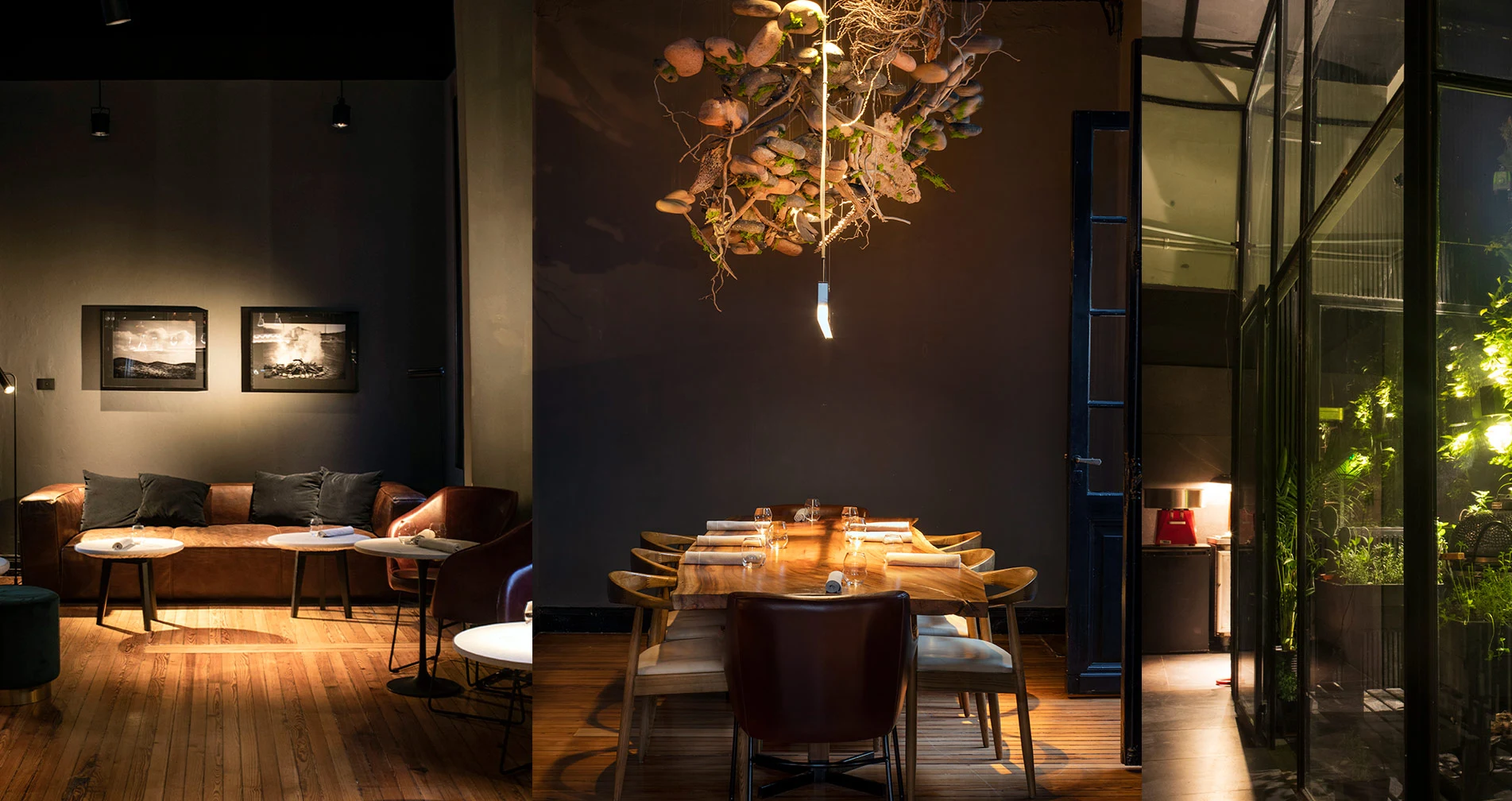
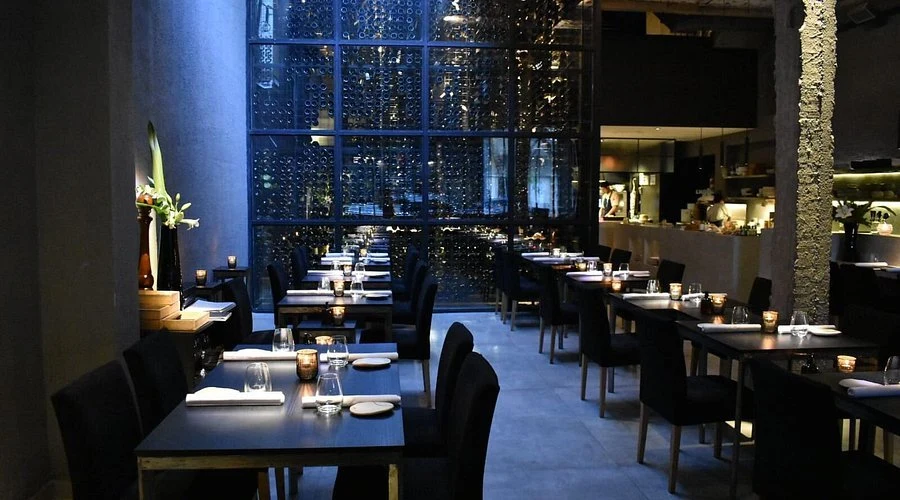
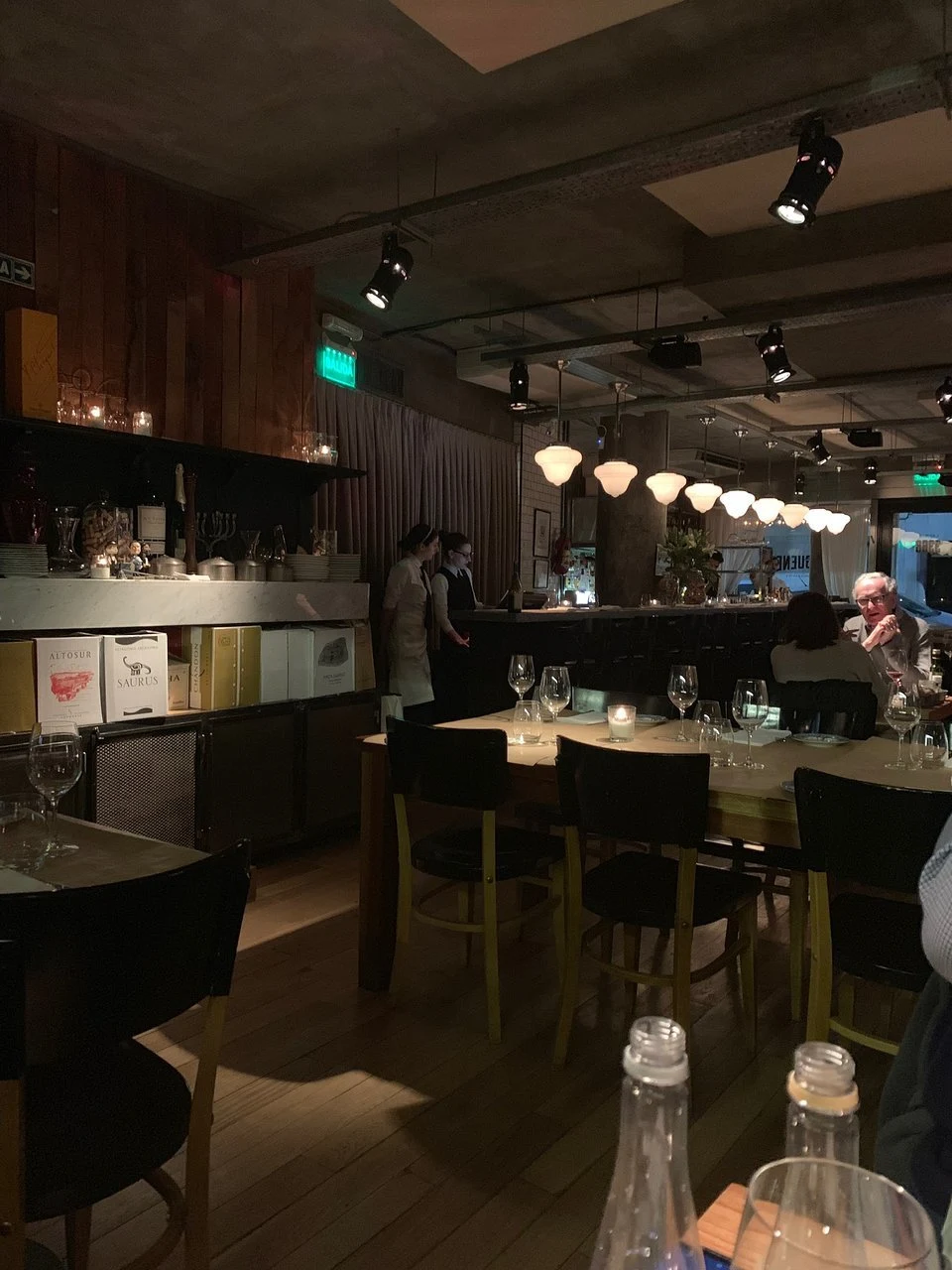
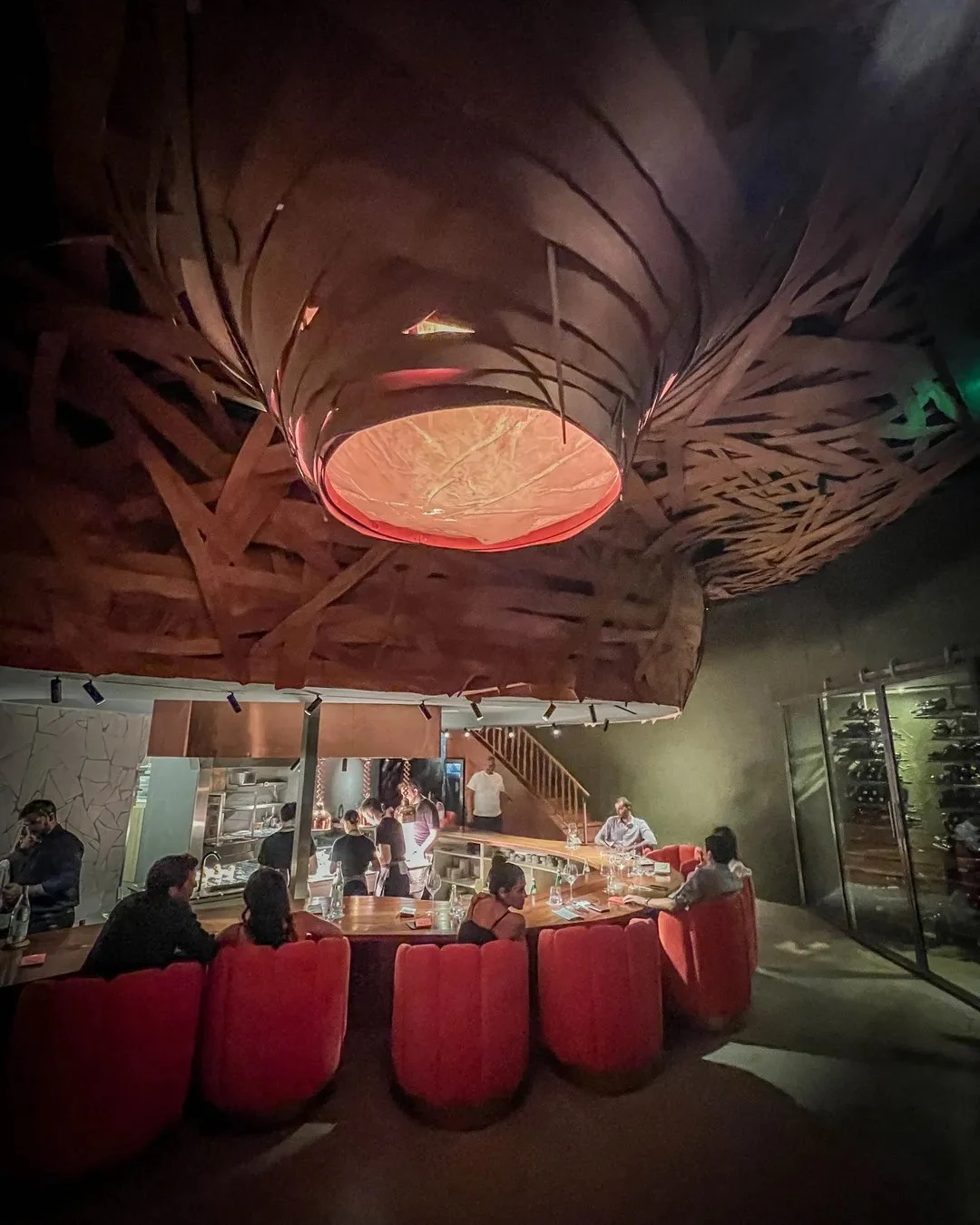
The izakaya format has always been partly about visibility. Where the parrilla places its fire at the back or on an open grill, the izakaya kitchen tends to put its prep work within reach of the diner, not as spectacle exactly, but as evidence. You see the mise en place, you hear the sear, you understand the sequence of what arrives. This proximity is part of what separates izakaya from other Japanese formats: it is inherently conversational, built around the relationship between kitchen motion and table pacing.
At Kōnā, Chef Jessica Natali operates within this tradition. The $$$-tier price point places the restaurant in the same bracket as Crizia and Anafe among Buenos Aires contemporaries, above the casual end but well below the four-symbol registers occupied by Aramburu or the top-tier steakhouses. That positioning makes Kōnā accessible as a recurring option rather than a special-occasion commitment, which aligns with how izakaya is meant to function: as a place you return to, not a single-visit monument.
The Michelin Plate designation, carried now for two consecutive years, signals kitchen discipline and consistency rather than high-wire ambition. Michelin awards Plates to restaurants where the food is considered good quality, it is a recognition of standard, not a shortlist for a star. In Buenos Aires' current Michelin landscape, where starred slots are occupied by ambitious tasting-menu formats, a Plate at the $$$-tier izakaya level represents a meaningful positioning: recognised, reliable, and operating in a culinary register that has few direct competitors in the city.
Where Kōnā Sits in the Buenos Aires Dining Picture
The 515 Google reviews averaging 4.3 stars provide a practical signal about the room's consistency over time. That volume of reviews at that score suggests a kitchen that delivers for a broad range of diners, not just specialists seeking Japanese authenticity at any cost. In a city where first-time visitors often default to Trescha for creative modern cooking or the parrilla circuit for local tradition, Kōnā represents something the main tourist track does not automatically surface: a restaurant with international culinary credentials operating in a neighbourhood context.
Belgrano's dining scene has historically been the city's most ethnically diverse, shaped by Japanese, Chinese, and Korean communities that have been present since the early twentieth century. The neighbourhood around Juramento and the Barrancas de Belgrano has long housed import grocers, noodle shops, and informal Japanese canteens. Kōnā's address on Sucre places it within that broader zone while operating at a notably different register from the traditional neighbourhood options, a pattern visible in other cities where fine-casual Japanese has emerged from within established ethnic enclaves to reach a wider audience.
For travellers building an Argentina itinerary that extends beyond Buenos Aires, the country's dining geography rewards serious planning. Azafrán in Mendoza anchors wine-country dining in the west, while Cavas Wine Lodge in Alto Agrelo pairs table and cellar in the Malbec heartland. Further south, EOLO in El Calafate offers a different register entirely, and La Bamba de Areco in San Antonio de Areco provides a gaucho-country counterpoint to urban dining. Awasi Iguazu and El Colibri in Santa Catalina complete the spread for those moving through the northeast.
Planning Your Visit
Kōnā sits at Mcal. Antonio José de Sucre 696 in Belgrano, a neighbourhood well-served by the D line of the Buenos Aires subte, with Juramento station the most practical stop. The $$$-tier pricing aligns with a dinner bill in the mid-range for Buenos Aires' recognised restaurant tier, above everyday neighbourhood dining but without the commitment of the city's prestige tasting-menu formats. Given the Michelin recognition and OAD ranking, booking ahead is advisable, particularly for weekend evenings when Belgrano's dining streets fill quickly. Reservations are recommended. The restaurant's Google rating and review volume suggest consistent service across seasons, though as with most compact urban kitchens, timing a visit mid-week or at early sittings tends to give the counter experience more room to breathe.
What to Eat at Kōnā
What should I eat at Kōnā?
Kōnā's cuisine type, izakaya, Japanese, frames the eating approach more than any single dish does. Izakaya menus are structured for sharing and pacing: multiple smaller preparations ordered across the meal rather than a single main. The kitchen holds a Michelin Plate for two consecutive years, which points toward technical consistency across the menu rather than one or two standout items carrying the room. Chef Jessica Natali's direction at the $$$ price point suggests a menu where the cooking technique and ingredient handling are the story. Given the izakaya format and the counter-proximate kitchen setup, dishes that show direct heat, grilled proteins, seared preparations, anything that benefits from being served immediately from the plancha or grill, tend to be where these kitchens make their clearest argument. Order broadly, let the kitchen's sequence guide the pacing, and treat the meal as a series of decisions rather than one fixed direction.
Questions
Frequently asked
How expensive is Kōnā?
Kōnā is listed at a price level of $$$.
Where is Kōnā and what does it serve?
Kōnā is in Belgrano, Buenos Aires, serving Traditional Japanese.
The field
How it compares
| Place | Cuisine | Notes | Awards |
|---|---|---|---|
| Kōnā | Traditional Japanese | Belgrano, $$$ | · |
| Aramburu | Modern Argentine Haute Cuisine | Buenos Aires | Michelin 2 Stars, World's 50 Best |
| Crizia | Contemporary Argentine Seafood | Buenos Aires | Michelin 1 Star, World's 50 Best |
| Don Julio | Argentinian Parrilla Steakhouse | Buenos Aires | Michelin 1 Star, World's 50 Best |
| Elena | Contemporary Argentinian Steakhouse | Buenos Aires | · |
| Mishiguene | Modern Jewish Immigrant Cuisine | Buenos Aires | World's 50 Best |
| Trescha | Modern Argentine Fine Dining | Buenos Aires | Michelin 1 Star, World's 50 Best |
Similar places
Modern Argentine Haute Cuisine
Aramburu
Buenos Aires, Argentina
★★ · 50 Best
Contemporary Argentine Seafood
Crizia
Buenos Aires, Argentina
★ · 50 Best
Argentinian Parrilla Steakhouse
Don Julio
Buenos Aires, Argentina
★ · 50 Best
Contemporary Argentinian Steakhouse
Elena
Buenos Aires, Argentina
Modern Jewish Immigrant Cuisine
Mishiguene
Buenos Aires, Argentina
50 Best
Modern Argentine Fine Dining
Trescha
Buenos Aires, Argentina
★ · 50 Best