Kobatl Biohof & PIWI Winzer - Familie Gangl
- 01CityTieschen, Austria
- Falstaff Winery - Listed · 2026
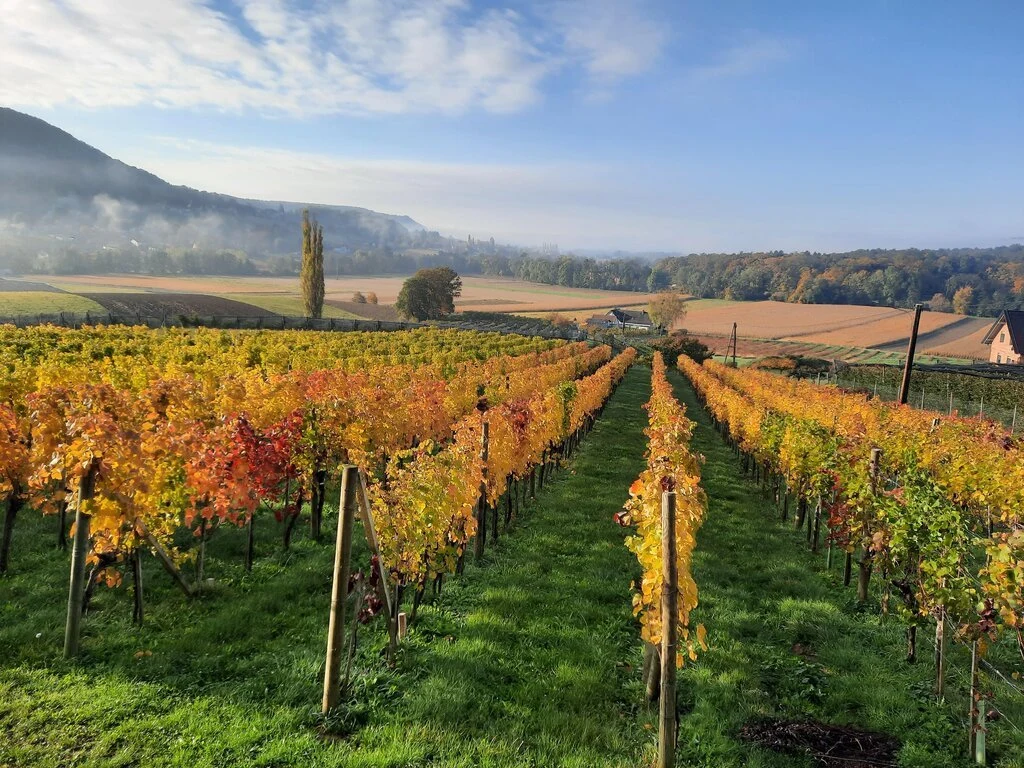
Approaching wine in Tieschen means reading a rural setting before reading a label: hills, farm courtyards, Buschenschank tables, and a sense of everyday agriculture rather than a formal dining room. Kobatl Biohof & PIWI Winzer - Familie Gangl belongs to that register. Its identity is built around an organic farm-winery ambiance, PIWI in the name, and a relaxed atmosphere at the foot of the Königsberg, where the rustic setting and the surrounding landscape shape the visit before any individual glass is considered.
For visitors looking across Tieschen, the useful starting point is to think in village-scale terms: small rural hospitality, farming, and wine culture sitting close together. The point is not to chase a single grand address, but to understand a local setting where tastings and simple regional food can feel closely tied to place. That village-scale reading also helps set the right tempo: the appeal lies in proximity, texture, and context, not in separating wine, food, and landscape into separate attractions.
PIWI is part of the farm-winery identity
Because PIWI is part of the venue name, it is fair to read Kobatl Biohof & PIWI Winzer - Familie Gangl through that lens: a farm-winery identity where the name, the organic setting, and the rural production context are central to the story. It is not a decorative detail in the wording, but one of the signals that frames how the place presents itself.
That matters because wine tourism often defaults to familiar regional cues and polished cellar hierarchies. Here, the picture is simpler and more rural: an organic farm-winery ambiance in a small-scale hilly cultural landscape, with the visit shaped by place as much as by any formal service format. The emphasis is therefore less on ceremony and more on the way the setting makes the wine feel rooted in its immediate surroundings.
The stronger story is not a long list of services or accolades, but the way the biohof model folds wine into a working agricultural identity. In Tieschen, this feels especially apt. The hills do not need a polished tasting salon to make their case; they need a setting that can connect cultivation, hospitality, and simple regional food without turning them into separate visitor categories. That is why the farm-winery language is useful: it keeps the experience grounded in production, landscape, and everyday rural hospitality at once.
The Buschenschank setting keeps the experience rural and low-formality
The Buschenschank setting, “Die Grean,” places the visit in a rural wine-hospitality context: a cozy, rustic environment with simple regional food rather than restaurant choreography. The mood is relaxed, rural, and small-scale, oriented around tastings and a sense of place. In this frame, informality is not a lack of identity; it is the point of the format, allowing the farm, the table, and the surrounding hills to remain closely connected.
This is a useful distinction for Tieschen. Some wine regions turn tasting into a polished retail script; here, the grounded format is agrarian and social. The experience is best understood as a farm-winery visit rather than a luxury restaurant reservation, with the hilly cultural landscape at the foot of the Königsberg doing much of the atmospheric work. Visitors who arrive expecting that rural register are more likely to understand the charm of the place on its own terms.
What is known is enough to set expectations clearly: Kobatl Biohof & PIWI Winzer - Familie Gangl is a $$ venue with an organic farm-winery feel, a rustic Buschenschank setting, and a relaxed rural tone. More specific claims about capacity, payment methods, opening patterns, formal tasting formats, awards, or additional services should be confirmed directly before planning around them. That caution is part of reading a small rural venue fairly: the essential character can be clear even when practical details should still be checked in advance.
How to place it within a Tieschen itinerary
Kobatl Biohof & PIWI Winzer - Familie Gangl works well for travelers who want wine culture with agricultural context: a small-scale hilly setting, relaxed tastings, and simple regional food in a Buschenschank environment. It is less about luxury-service polish and more about a coherent rural farm-winery experience. The visit makes most sense for people who value atmosphere, setting, and agricultural continuity as much as a more formal hospitality script.
In practical terms, Tieschen rewards a slower route. Build the day around local rhythm rather than treating wine as a brief stop between cities, and compare other dining or wine options in Tieschen generically rather than assuming every venue offers the same format. Kobatl Biohof & PIWI Winzer - Familie Gangl should be placed in that broader rural pattern, where the scale of the village and the surrounding hills help define the experience.
The editorial case is clear: this is a Tieschen venue for a rural farm-winery experience. The combination of organic farm-winery ambiance, rustic Buschenschank hospitality, simple regional food, relaxed tastings, and a hilly setting at the foot of the Königsberg gives the visit its logic. Its appeal comes from how those elements reinforce one another, creating a grounded sense of place rather than a more polished destination built around formality.
Questions
Frequently asked
How expensive is Kobatl Biohof & PIWI Winzer - Familie Gangl?
Kobatl Biohof & PIWI Winzer - Familie Gangl is listed at a price level of $$.
The field
How it compares
| Place | Notes |
|---|---|
| Kobatl Biohof & PIWI Winzer - Familie Gangl | Pichla bei Radkersburg, $$ |
| Weingut Gollenz | Tieschen |
| Weinhof Gollmann | Tieschen |
| Weinhof Neubauer | Tieschen |
| Weinhof Platzer | Tieschen |
| Weinhof Sorger | Tieschen |
| Weinhof Thurner-Seebacher | Tieschen |