Skip to Content
    Made ByRestaurant

    Koguma

    Hirotaka Koiwa

    In Residence

    Hirotaka Koiwa

    Chef

    1. 01CuisineKaiseki
    2. 02CityTokyo, Japan
    Koguma (restaurant)

    Chef Hirotaka Koiwa leads Koguma in Tokyo with seasonal kaiseki shaped by aged sashimi, aged game and wagyu beef tongue.

    • Opinionated About Dining Top Restaurants in Japan Recommended · 2026

    Patience at the cut edge

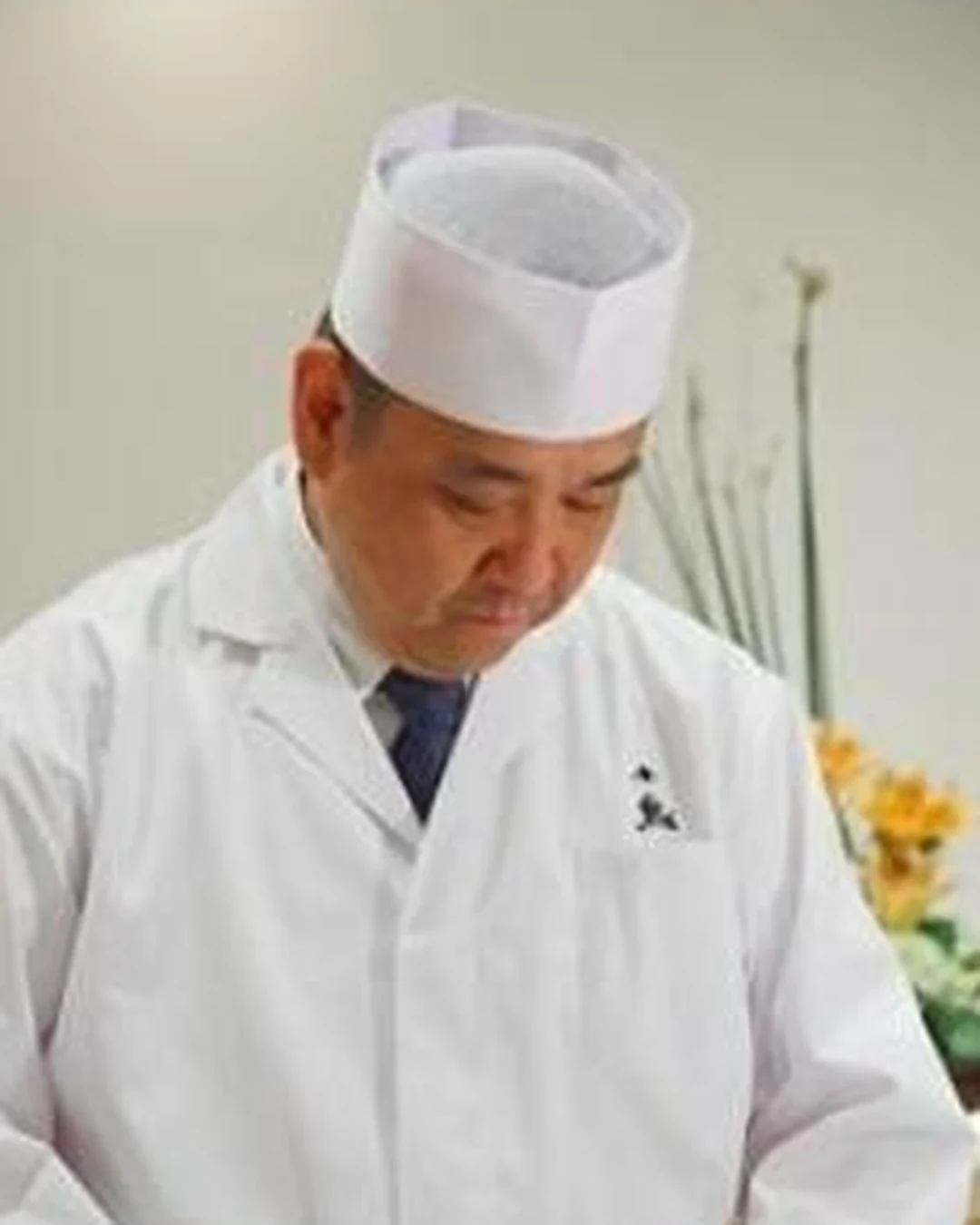
    A slice of fish changes after the knife, and Chef Hirotaka Koiwa lets that change matter at Koguma in Tokyo. His station is built around time held close to the material: sashimi that gains character after cutting, game that deepens through controlled aging, and wagyu beef tongue treated not as a quick luxury cut but as something dense, textured, and capable of further concentration. Koiwa is the chef here now, and the house gives his cooking a narrow, disciplined field in which to work. The cuisine is seasonal kaiseki, but its particular grammar is not only sequence and season. It is the handling of maturation, the decision to let texture and nutrient richness sit beside pleasure, and the refusal to rush ingredients that can still move after the first preparation. Published accounts do not name Koiwa’s teachers or predecessors, so the clearest lineage here is the method on the plate: traditional Japanese cooking carried into modern surroundings, with the hand still close to the cut, the vessel, and the pass.

    Aging as a kaiseki discipline

    The program at Koguma turns on controlled waiting. Aged sashimi depends on the shifting quality of fish once it has been cut and held, when flavor, firmness, and release begin to change under the chef’s control. Aged game asks for a different reading of time. The point is not softness alone, but depth, concentration, and the point at which the meat’s character becomes clearer rather than heavier. Wagyu beef tongue brings the same patience to a cut valued for density and texture, where maturation can make the chew part of the craft rather than an obstacle to it. Koiwa’s kaiseki remains seasonal, and the menu keeps function alongside pleasure, with nutrient richness named as part of the cooking’s purpose. That matters because the dishes are not arranged as display alone. They are built from choices of holding, cutting, warming, and placing, each one affecting how the next course is received.

    The vessel is part of the pass

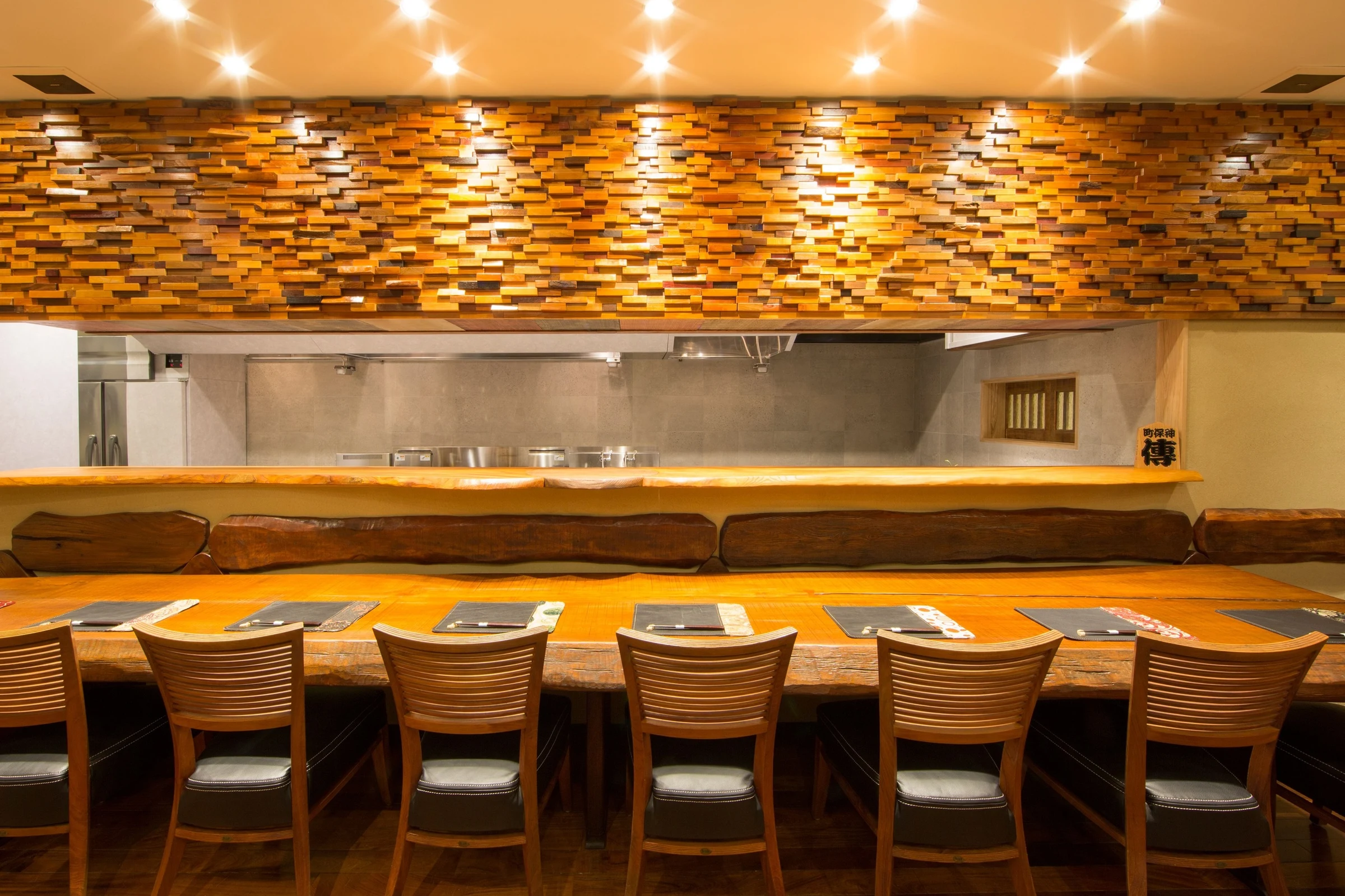
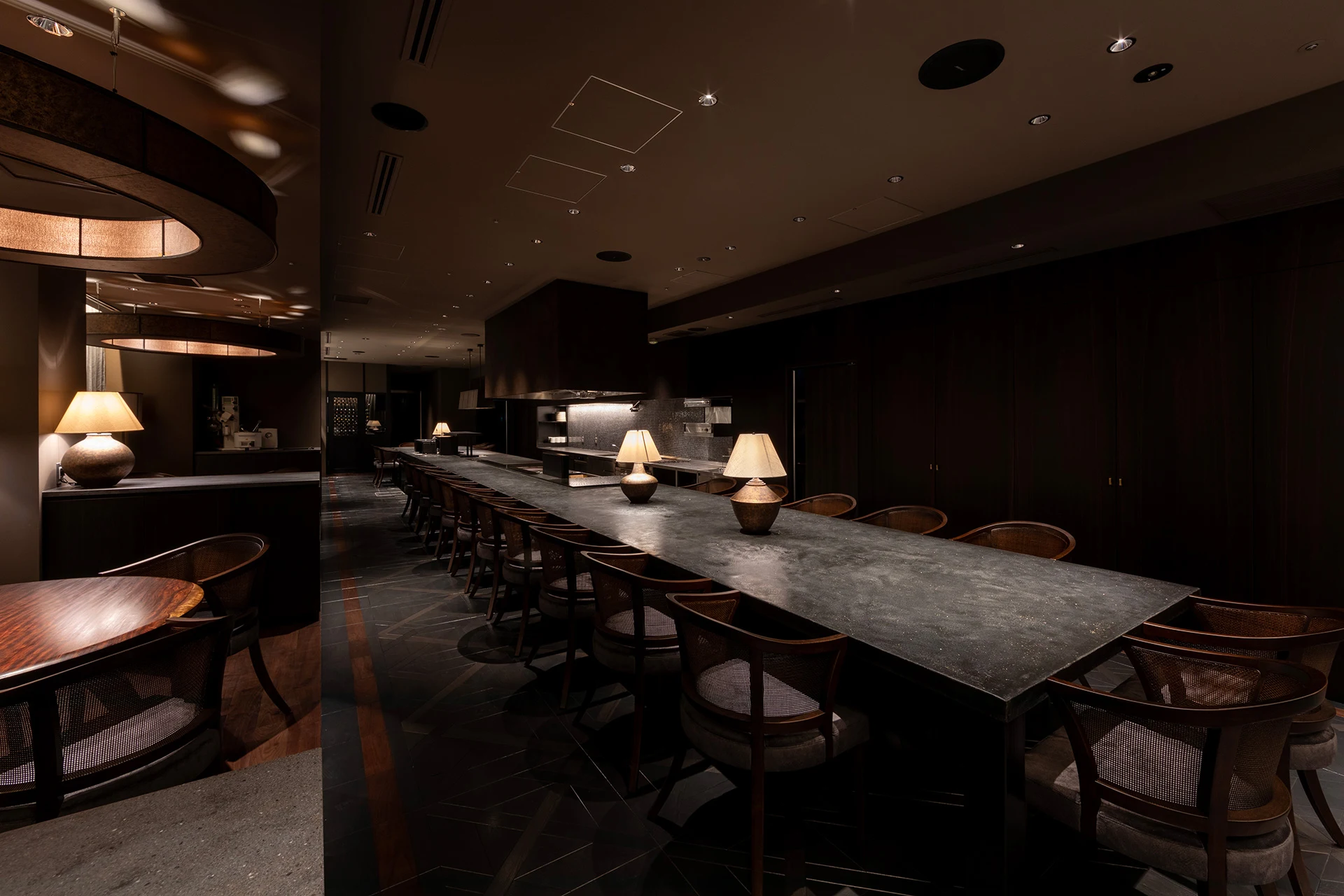
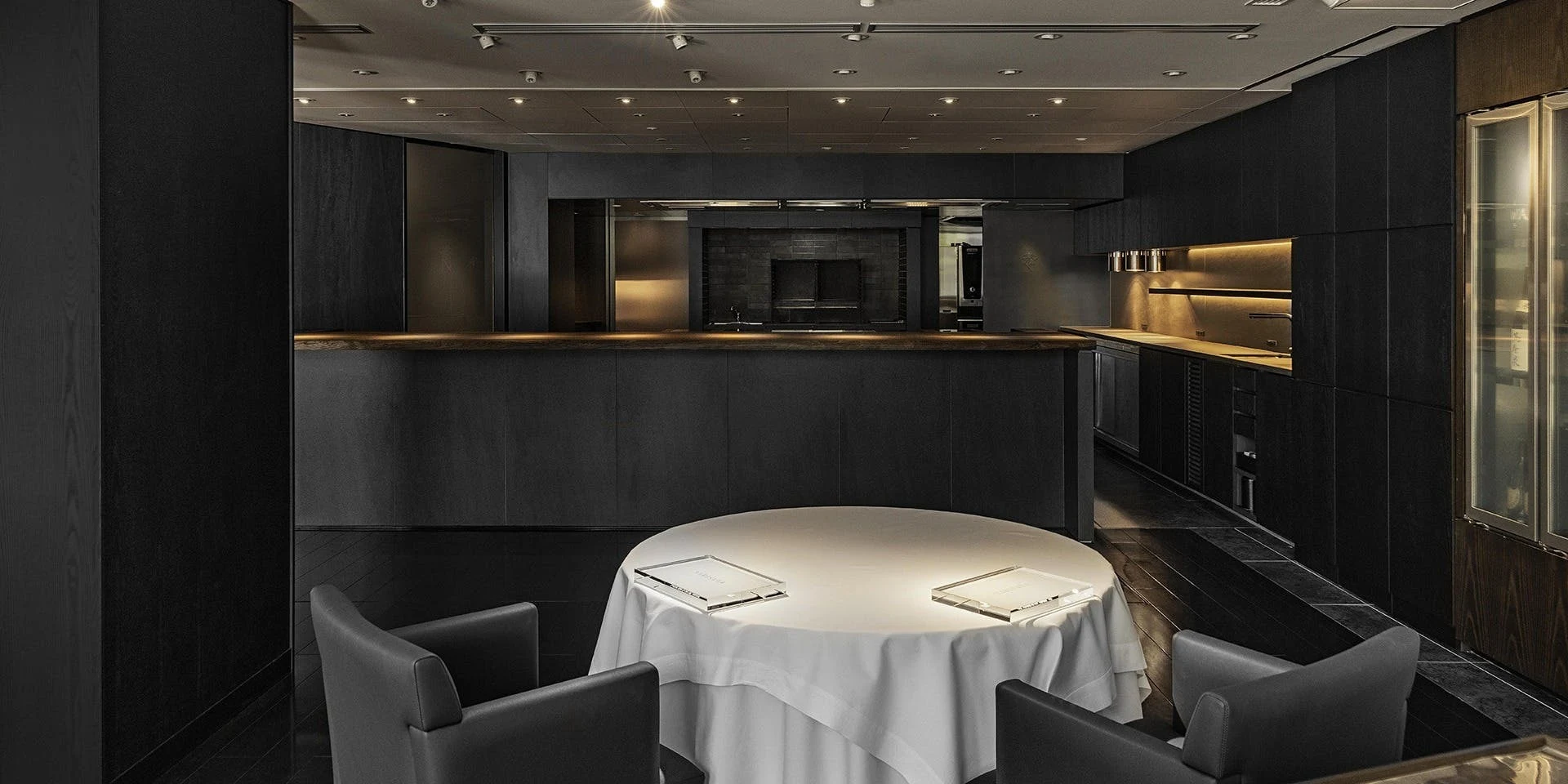
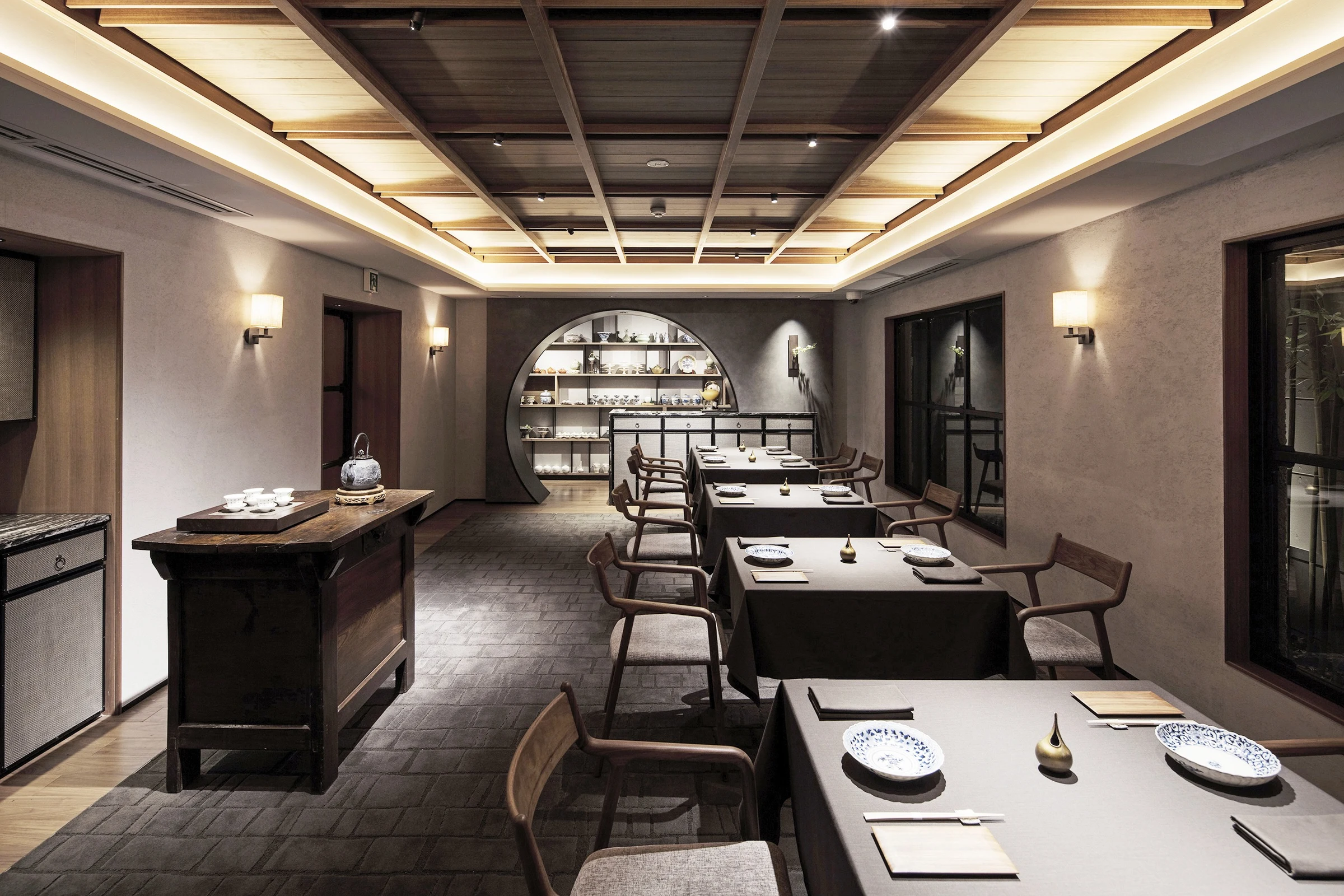
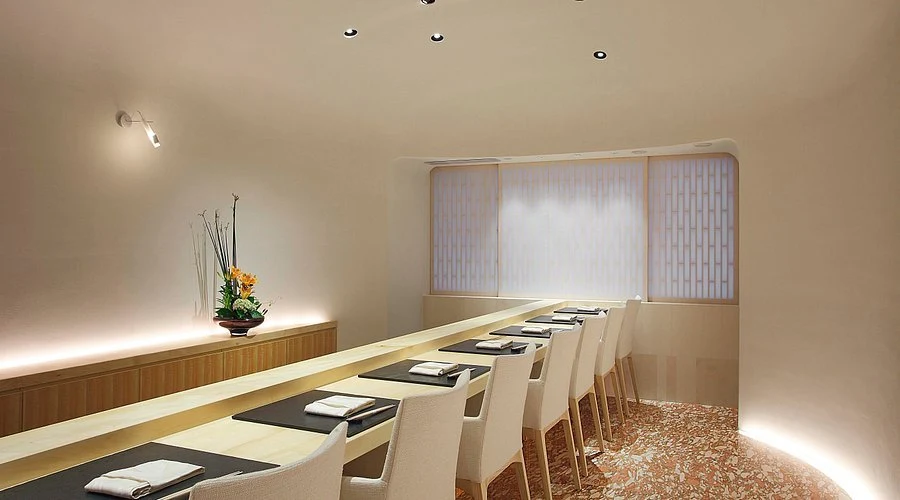
    In the room, the cooking does not end at the rim of the dish. Koguma gives real weight to tableware, treating the vessel, surface, weight, and visual field around each course as part of the meal’s value. The setting is modern rather than conventionally Japanese, which makes the older gestures read with less ornament and more focus. At the pass, that means a piece of aged sashimi does not arrive only as fish. It arrives with the temperature of the plate, the shadow of the glaze, the spacing left open around it, and the quiet pressure of sequence. The room’s calm lets those details stay visible without explanation.

    Where the craft rests

    Koguma’s distinction in Tokyo sits in that joined discipline: seasonal kaiseki, aged material, and tableware treated as a working part of the meal. Koiwa has not made the restaurant about spectacle. He has made it about duration, surface, and the exact moment an ingredient is ready to leave the bench. If there is a next move to read here, it is in the continued handling of aged sashimi, aged game, and wagyu beef tongue at Koguma.

    Questions

    Frequently asked

    Who is the chef at Koguma?

    Chef Hirotaka Koiwa is the chef at Koguma in Tokyo.

    What kind of cooking does Koguma serve?

    Koguma serves seasonal kaiseki.

    What is Koguma known for?

    It is known for cooking that treats aging as part of the craft, including aged sashimi, aged game, and wagyu beef tongue.

    How important is tableware at Koguma?

    Tableware is treated as part of the meal, with real weight given to the vessel, surface, and visual field around each course.

    What is the setting like?

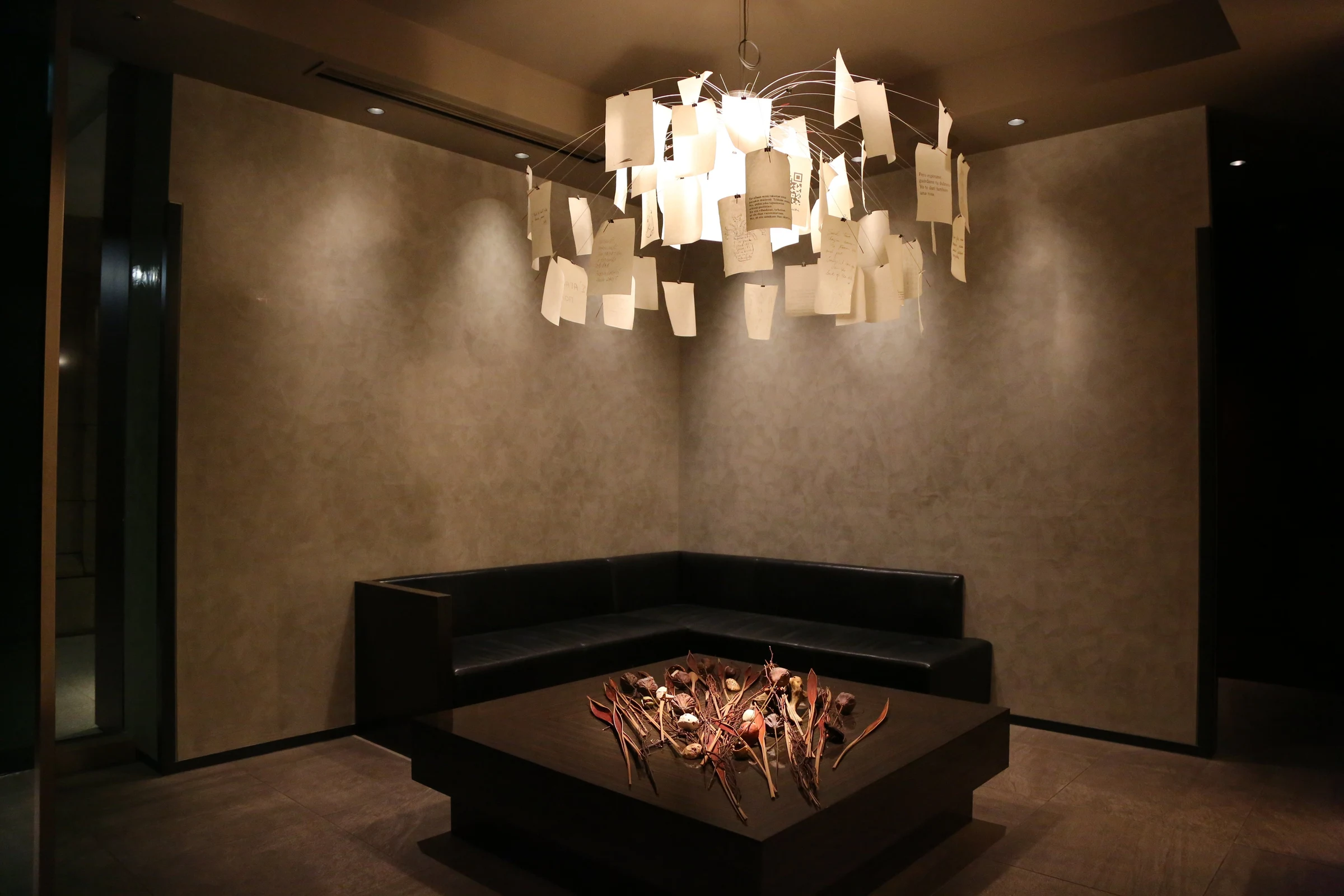
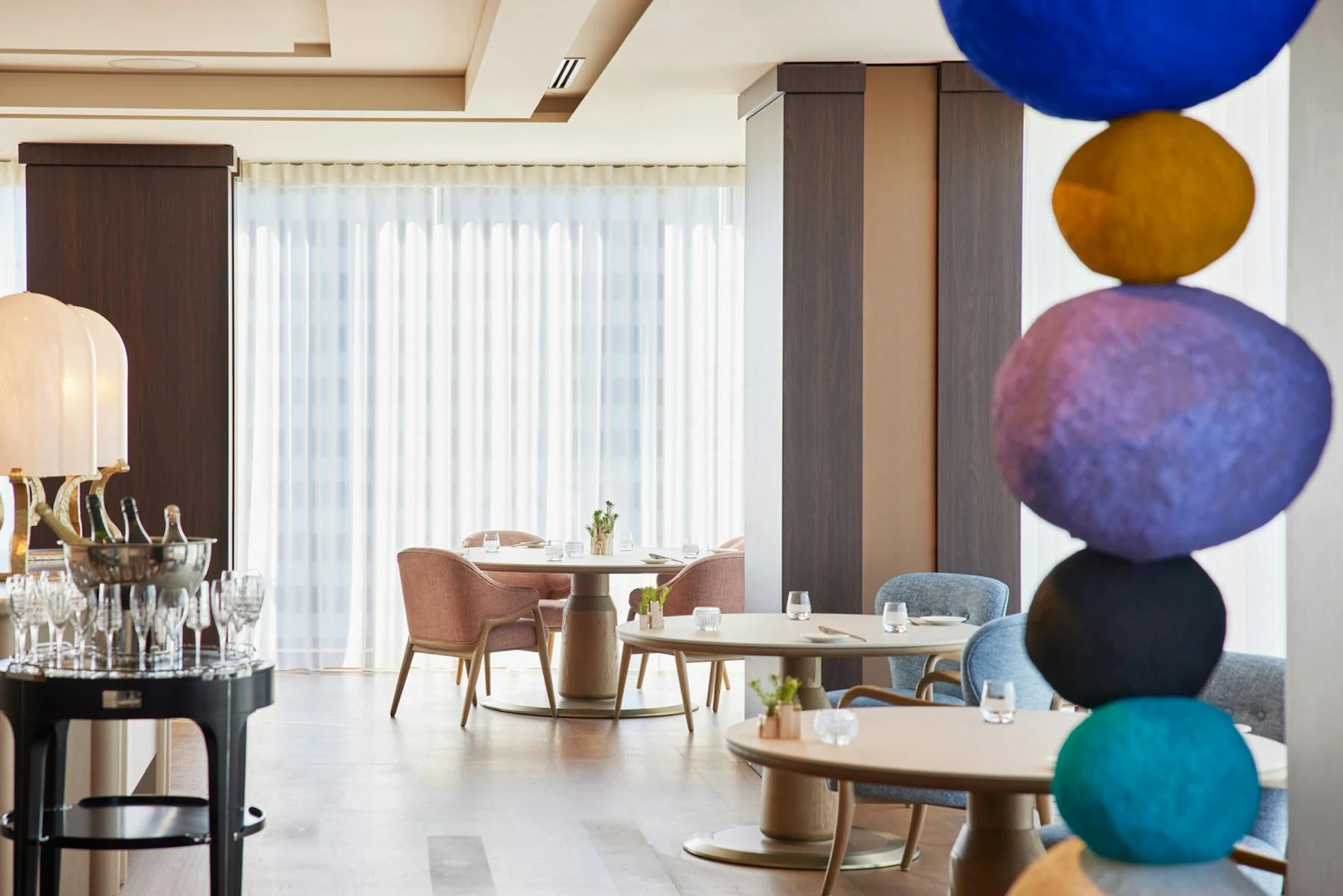
    The setting is modern rather than conventionally Japanese, which keeps the focus on the food and the details around it.

    The field

    How it compares

    PlaceCuisineAwardsNotes
    KogumaKaiseki··
    DenModern Japanese KaisekiMichelin 2 Stars, World's 50 BestTokyo
    FlorilègeModern French-Japanese Plant-Based Fine DiningMichelin 2 Stars, World's 50 BestTokyo
    NarisawaModern Japanese Satoyama Fine DiningMichelin 2 Stars, World's 50 BestTokyo
    QuintessenceModern French Fine DiningMichelin 3 StarsTokyo
    SazenkaModern Chinese Fine DiningMichelin 3 Stars, World's 50 BestTokyo
    SézanneFrenchMichelin 3 Stars, World's 50 BestTokyo

    In residence

    Similar places

    More in Tokyo← Browse all places