Old vines, tannin proud Shiraz
- Pearl 2 Star Prestige · 2025
Old vines under a light hand
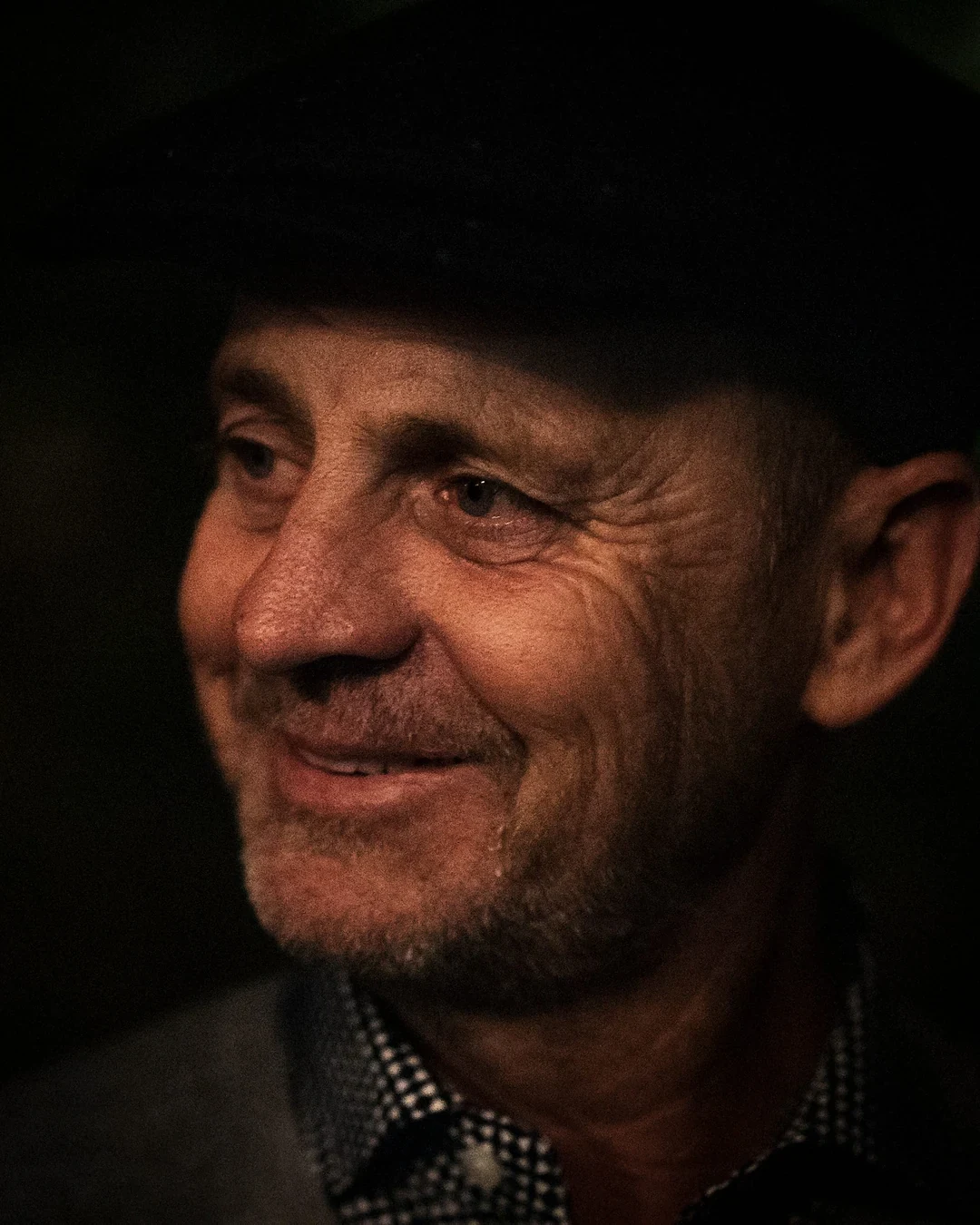
The old Shiraz vines at Koomilya ask for restraint before they ask for force. Stephen Pannell, winemaker at Koomilya in McLaren Vale, works the site as a founder who came to it after years of cellar and vineyard repetition in the same region. He has been at Koomilya since 2012, alongside his longer role as co-owner and winemaker at S.C. Pannell Wines since 2004, and the two positions share a plain brief: keep McLaren Vale legible after the wine is made.
Pannell’s training at Roseworthy gave him the technical base, but the method was shaped on the tools. His first job after graduating was at Andrew Garretts, the old Seraphino, before he became head winemaker at Randall's Tinlins winery in McLaren Vale. That sequence sits behind the work here without needing to announce itself in the glass. Koomilya is not built as a nostalgic label. It is a close reading of a historic vineyard, with tannin, fruit and texture held in relation to one place rather than polished away from it.
A 12ha site in Upper Tintara
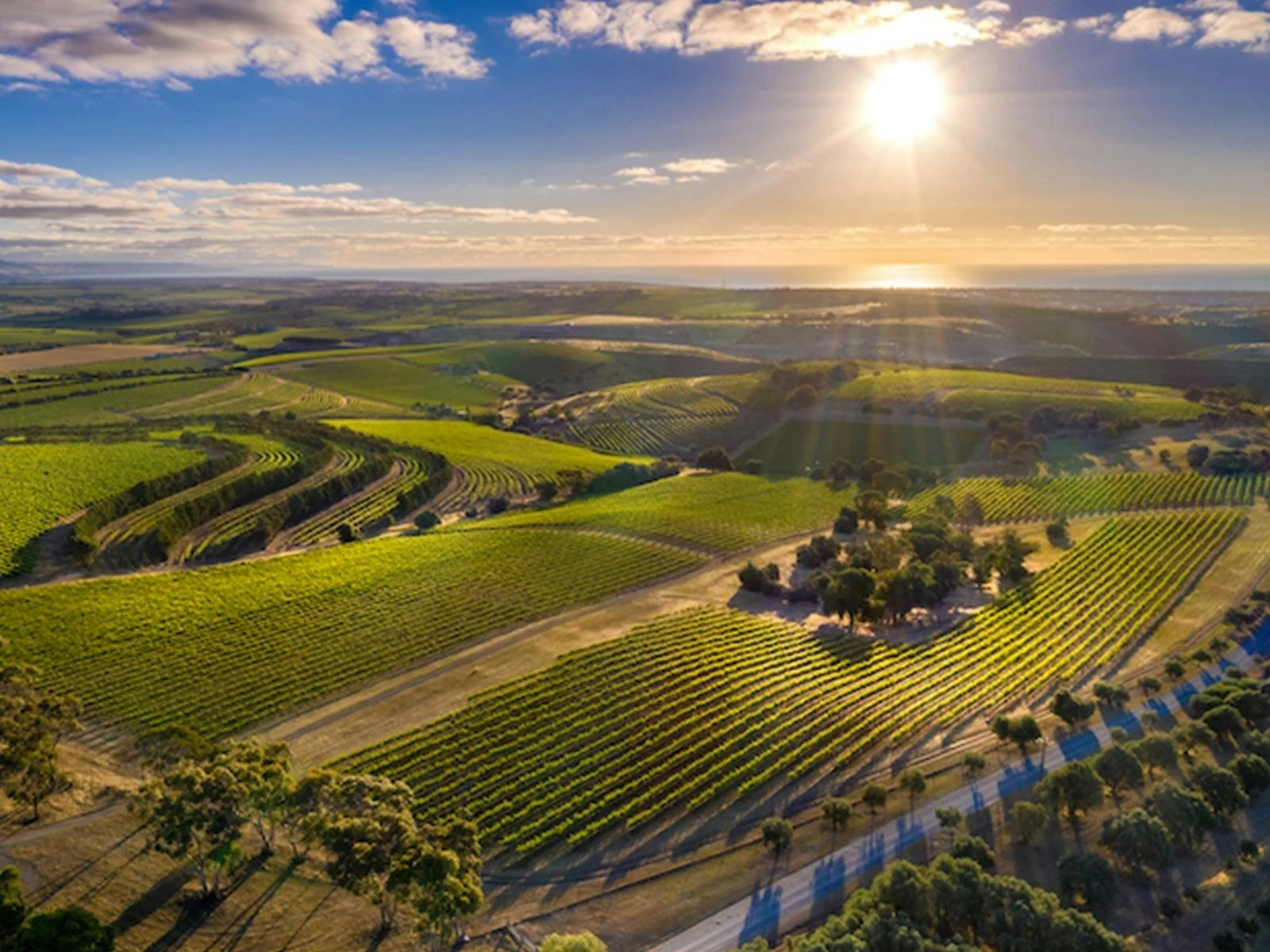
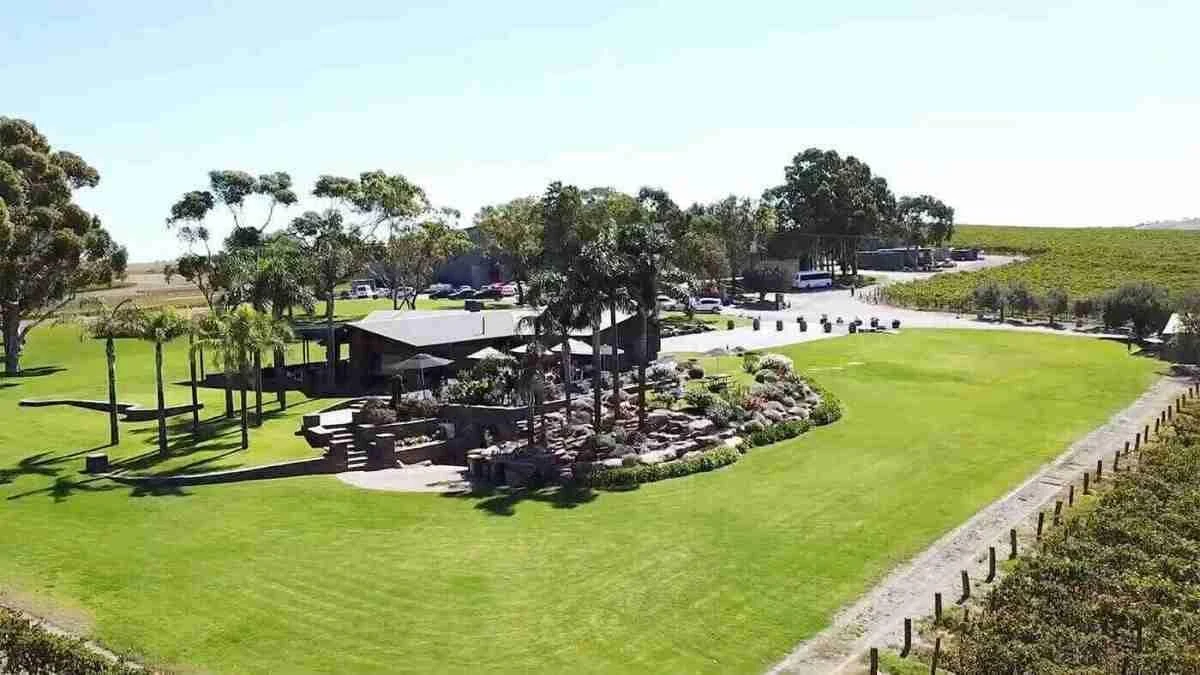
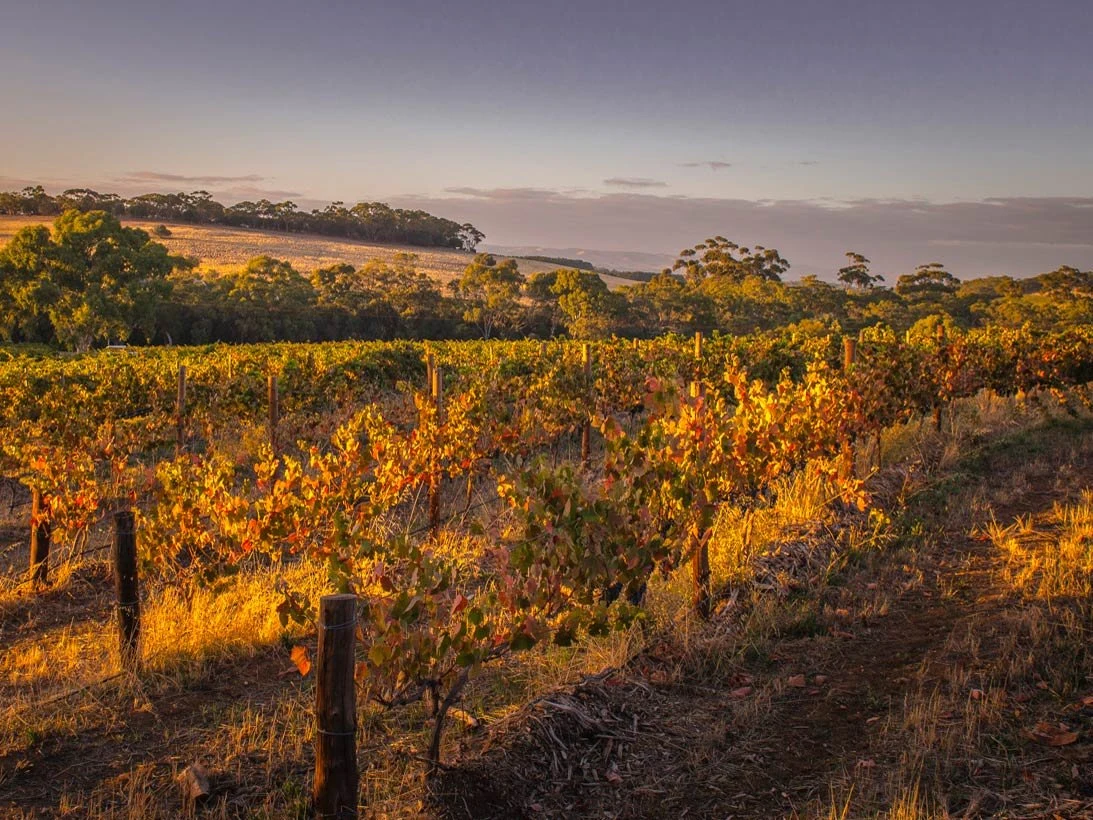
Koomilya’s centre is a historic 12ha vineyard in McLaren Vale’s Upper Tintara subregion, set among native scrub, a creek line and old vines wedged between pioneering 19th-century sites. The farming is organic, and the scale remains small, at 2000 cases. The house works with Shiraz, Cabernet Sauvignon, Touriga Nacional and Tempranillo, but the most direct line through the place is its intense single-site Shiraz from old vines.
Pannell has described the vine as “a magnifying glass for the landscape,” then set the discipline beside it: “to produce wine that tastes like the place, we must preserve the landscape and touch it lightly.” That is not a soft position. It asks the vineyard to carry the argument, and it asks the cellar to avoid drowning it. For the reds, his own phrase gives the shape: “In terms of our red wines, they're quite tannin proud.” At Koomilya, tannin is not treated as correction or frame alone. It is part of the site’s grammar.
The vineyard stays quiet around the cellar
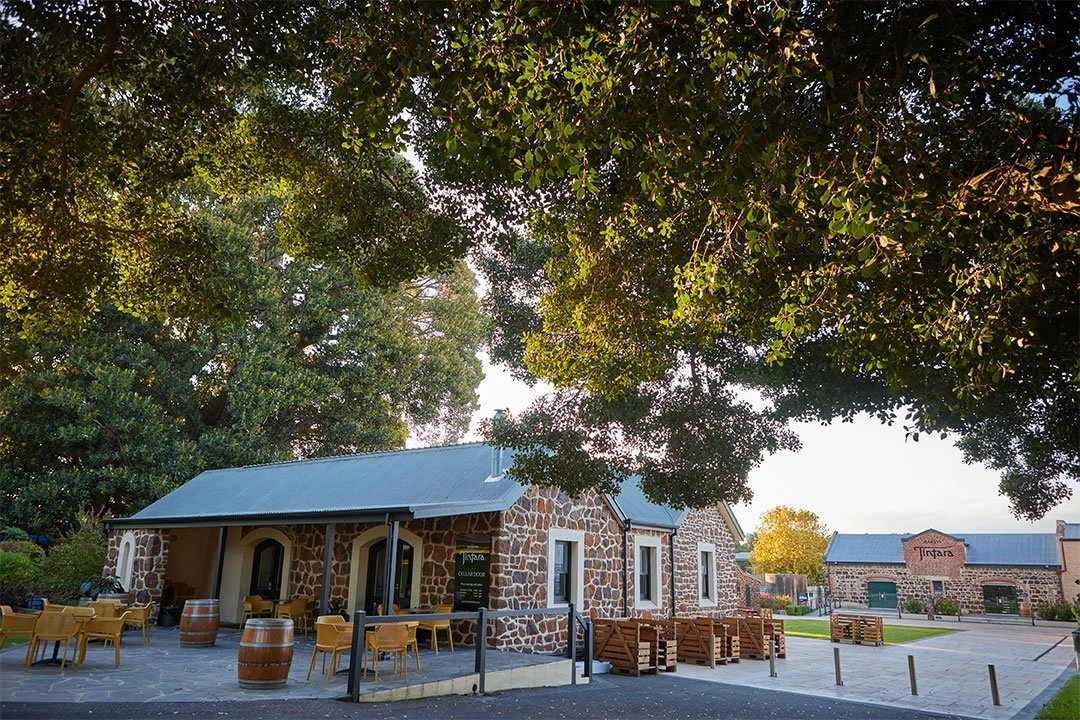
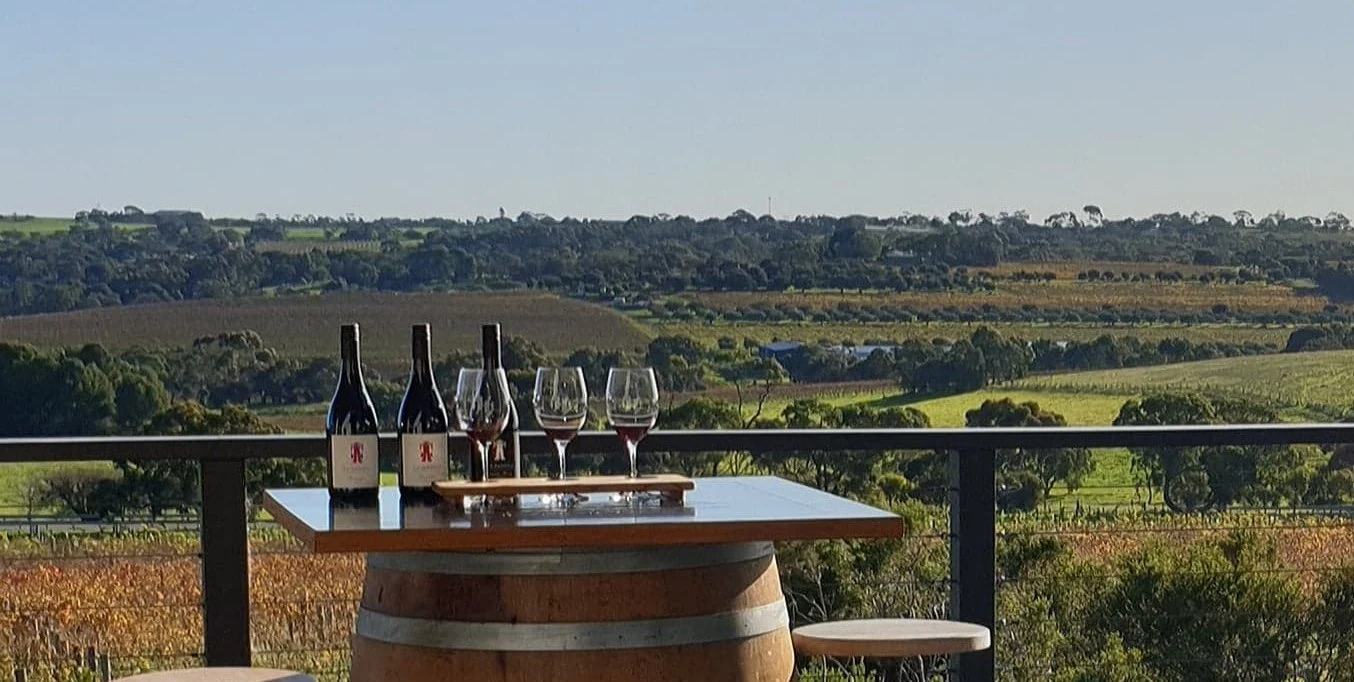
The room around the work is not a loud one. Koomilya’s atmosphere is rustic and historic, with native bush close enough to make the vineyard feel held rather than displayed. The tasting is single site in spirit, intimate in scale, and better understood as bench-side attention than performance. The old vines, creek line and scrub give the place its tempo.
That quiet matters because the wines are being asked to carry a narrow origin. In a region often spoken of through generosity, Koomilya holds to definition: still red wines, organic practice, old-vine material, and a cellar hand that does not try to make the vineyard more articulate than it already is.
Questions
Frequently asked
Who makes the wines at Koomilya?
Stephen Pannell is the winemaker at Koomilya in McLaren Vale. He has been there since 2012, and the site sits alongside his longer role as co-owner and winemaker at S.C. Pannell Wines.
What is Koomilya known for?
Koomilya is centred on a historic 12ha vineyard in McLaren Vale’s Upper Tintara subregion, with old Shiraz vines as the main focus. The winery works organically and is described as making single-site reds that keep the place legible in the wine.
What grapes are made there?
Koomilya works with Shiraz, Cabernet Sauvignon, Touriga Nacional and Tempranillo. The most direct line through the site is its old-vine Shiraz.
What kind of visit should be expected?
The atmosphere is rustic and historic, with native bush close to the vineyard. Reservations are recommended, the dress code is casual, and there is on-site parking.
The field
How it compares
| Place | Notes | Awards |
|---|---|---|
| Koomilya | McLaren Vale, $$ | · |
| d'Arenberg | McLaren Vale | World's 50 Best |
| Dandelion Vineyards | McLaren Vale | · |
| Hardys (Tintara) | McLaren Vale | · |
| Mitolo Wines | McLaren Vale | · |
| Mollydooker | McLaren Vale | · |
| S.C. Pannell | McLaren Vale | · |