Founded in 1878, still working
- Falstaff Winery - Listed · 2026
- Pearl 3 Star Prestige · 2025
Field work before the cellar door
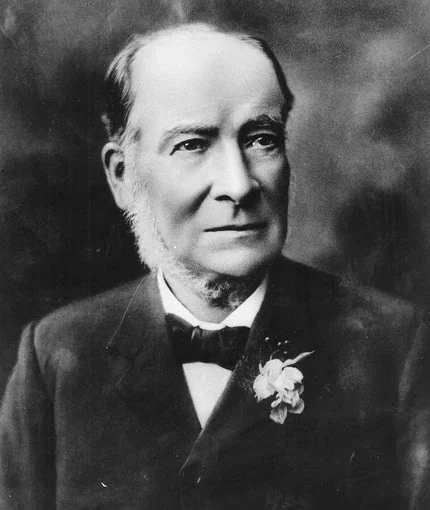
Farm work came before the label for Thomas Hardy, the nineteenth-century founder whose name Hardys (Tintara) in McLaren Vale still carries. His trade record began with arrival in South Australia in 1850, then labour at Reynella Farm, where soil, weather, and seasonal consequence sat closer than any later house style. That sequence matters at Tintara because the estate holds wine as agricultural work first, then as company, cellar, and public room. Hardy founded the Bankside winery on the River Torrens in Adelaide in 1853, tying production to water, labour, and the commercial life of the young capital. Thomas Hardy & Sons followed in 1887, giving the family enterprise a structure built to outlast one vintage or one site. At Hardys (Tintara), that lineage is carried in a McLaren Vale setting where the working winery, heritage buildings, gardens, terrace, and main-street address keep the craft in public view without turning it into theatre.
McLaren Vale fruit in a working estate
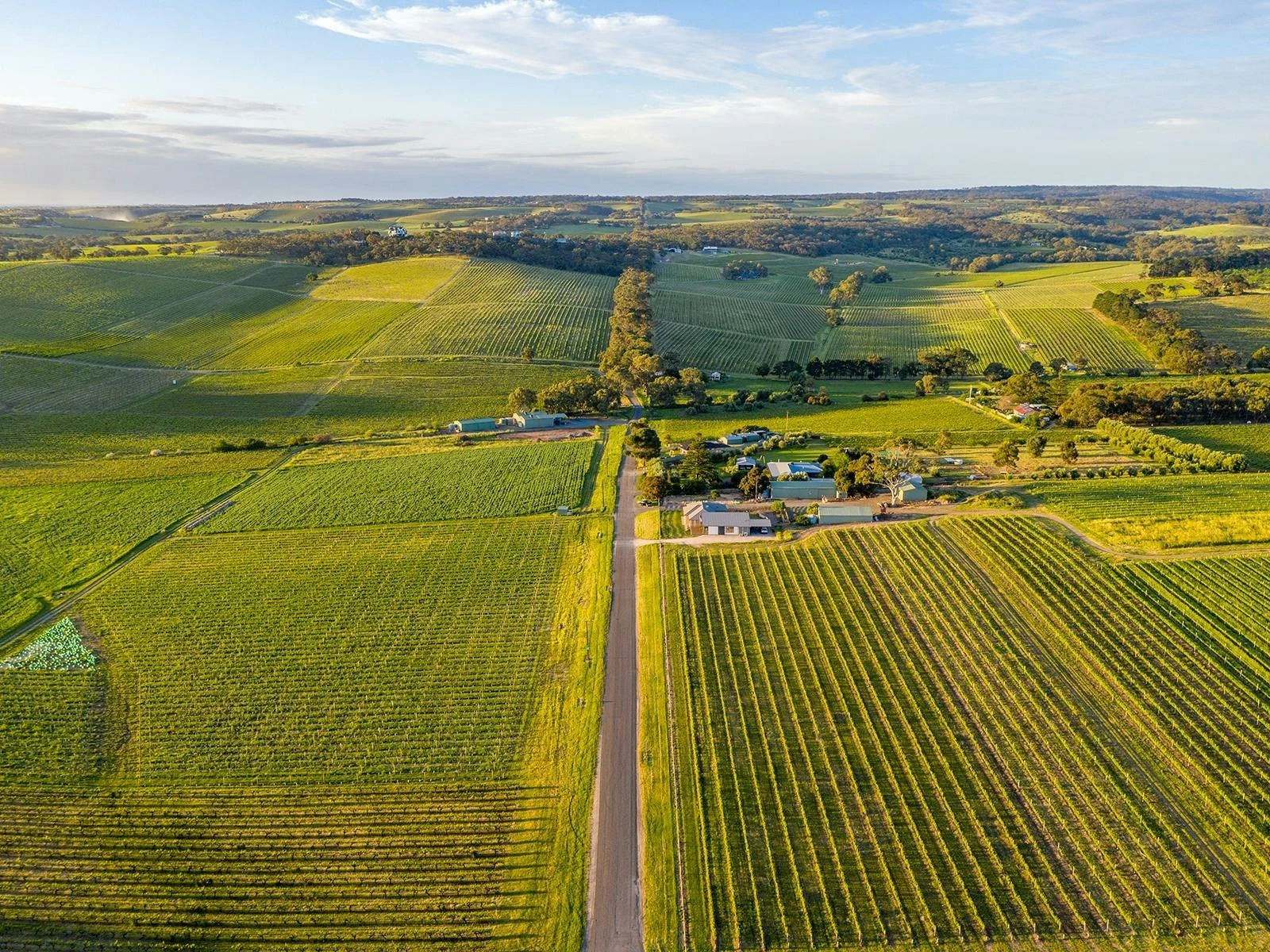
The program here is conventional in its farming and large in scale, with McLaren Vale giving the house its local frame. The cellar works with Shiraz, Cabernet Sauvignon, Grenache, Chardonnay, Riesling, and Pinot Noir, though the place reads most directly through still red wine and fortified wine. The estate itself was founded in 1878, a date that sits beside Hardy’s older South Australian record rather than replacing it. The trade word that fits the place is vigneron: not simply a maker in the cellar, but a practitioner whose authority comes from vines and production understood together. Hardys (Tintara) does not publish detailed fermentation, barrel, vineyard, or production figures for this site. What can be said plainly is that the method is presented through a working winery, a cellar door, and tasting formats that lean on sensory attention, including seated tastings and Tasting in the Dark.
The Sunday letter
Find new places through the people who run them.
Our Sunday email brings you the chefs, winemakers and hoteliers behind our newest stories. See a sample before you subscribe.
See a sample of the Sunday emailOne email a week. Unsubscribe from any issue.
The cottage, the fig tree, the cellar door
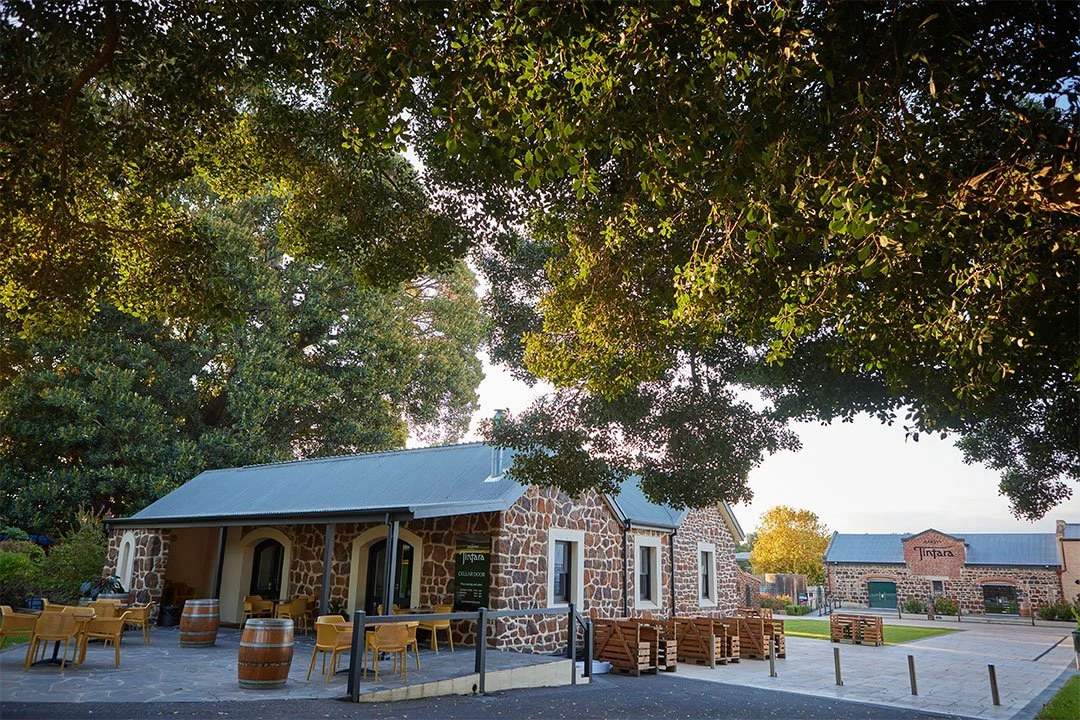
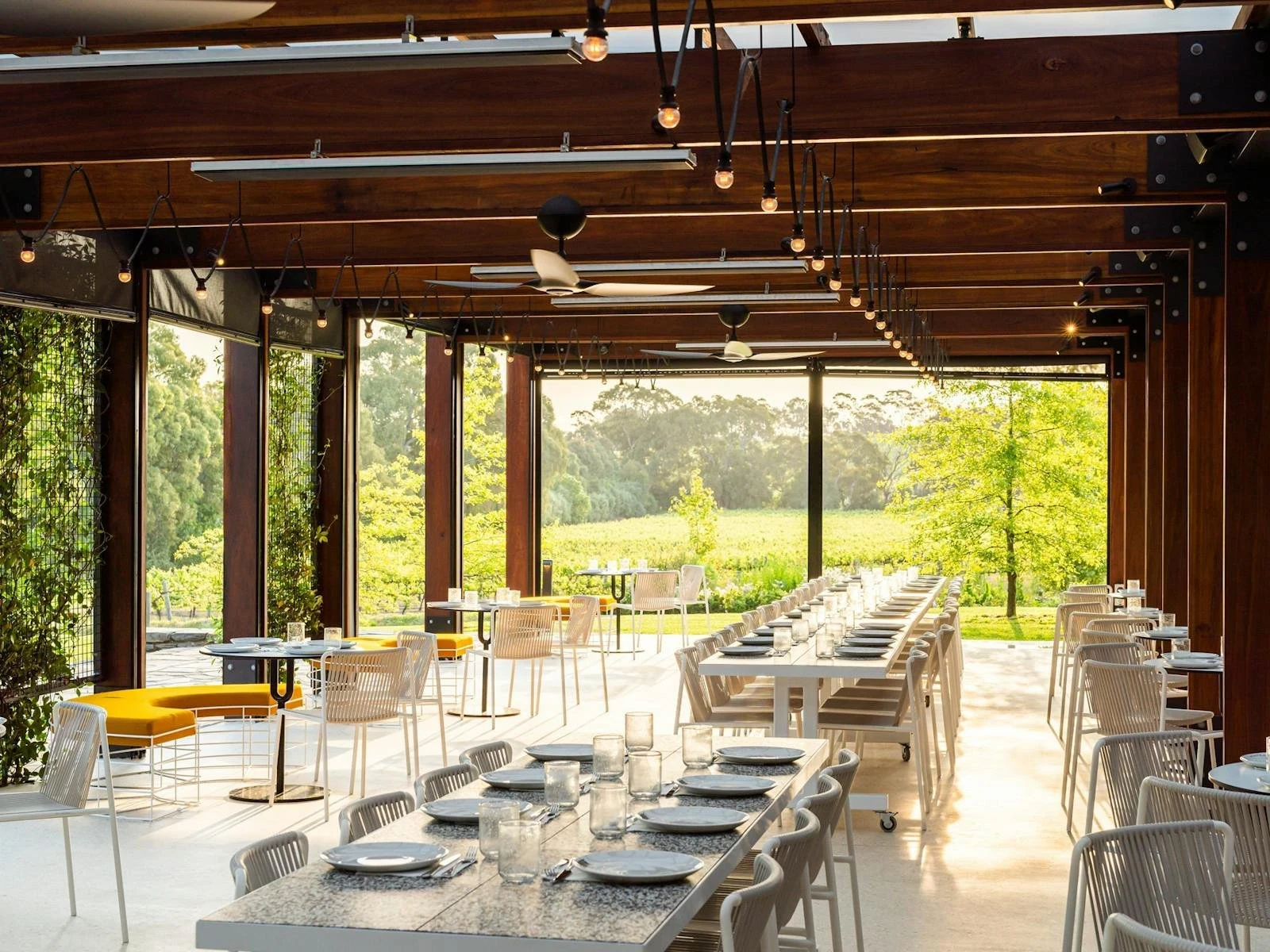
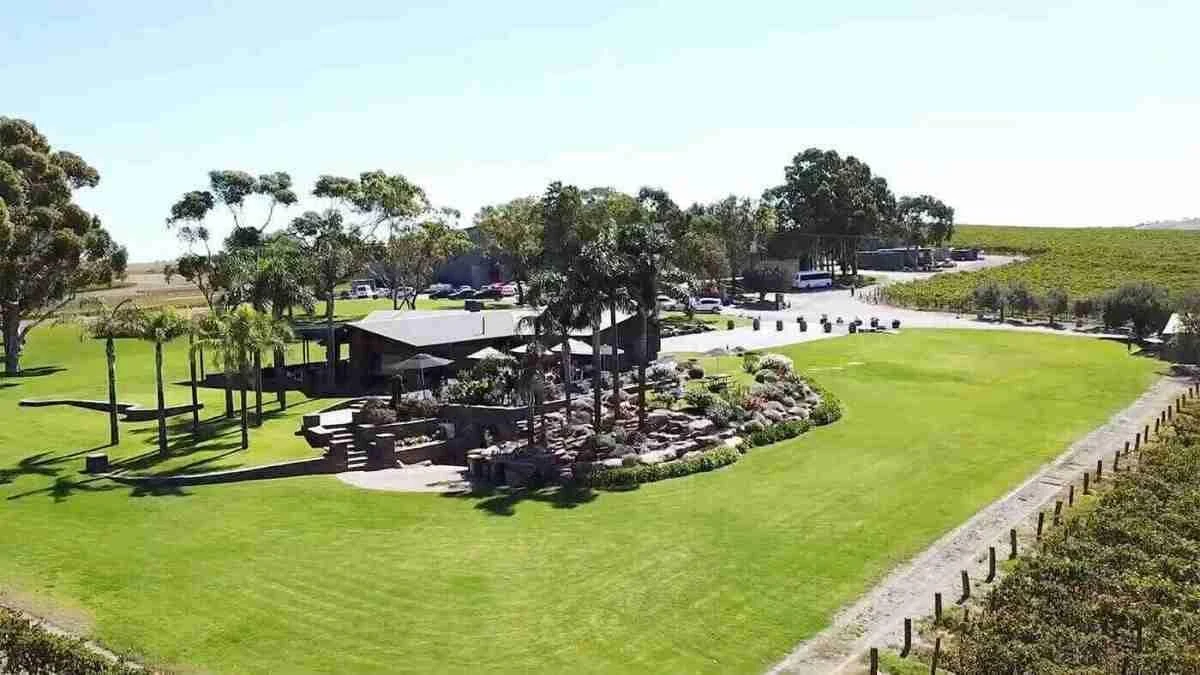
The room is bright and modern inside a historic cottage, with bespoke furniture set for seated tastings rather than quick pours at a crowded counter. Outside, the estate gathers its own materials: original winery buildings, gardens, a terrace, and the massive Moreton Bay Fig Tree dated to 1868. A Walk Through the Past gives the site a named path through its own buildings. Tasting in the Dark shifts attention back to the hand, the nose, and the palate.
A South Australian name kept in use
Hardy’s wider record belongs to South Australian wine because it moves from migration to farm work, from Bankside to company formation, and from private practice to public leadership among growers and manufacturers. At Tintara, the visible inheritance is not a single object. It is the persistence of wine as cultivation, manufacture, and trade under one name, held in the cottage, the cellar door, and the 1868 Moreton Bay Fig Tree.
Questions
Frequently asked
Who founded Hardys (Tintara)?
Thomas Hardy founded the South Australian wine name that Hardys (Tintara) still works under today. The estate at Tintara was founded in 1878, following Hardy’s earlier work in South Australia from 1850 and his founding of Bankside winery in Adelaide in 1853.
What is Hardys (Tintara) known for?
The place is a working winery in McLaren Vale, with a focus on wine made as agricultural work as well as cellar work. The cellar works with Shiraz, Cabernet Sauvignon, Grenache, Chardonnay, Riesling, and Pinot Noir, and the site is read most directly through still red wine and fortified wine.
What is the visitor experience like?
The cellar door is set in a bright, modern room inside a historic cottage, with bespoke furniture for seated tastings. The estate also includes original winery buildings, gardens, a terrace, and a named walk through its past.
What tasting formats are offered?
Hardys (Tintara) offers seated tastings and a tasting called Tasting in the Dark. The site says these formats lean on sensory attention to the hand, the nose, and the palate.
Do I need to book a visit?
Reservations are recommended.
The field
How it compares
| Place | Notes | Awards |
|---|---|---|
| Hardys (Tintara) | McLaren Vale, $$ | · |
| Bondar Wines | McLaren Vale | · |
| d'Arenberg | McLaren Vale | World's 50 Best |
| Koomilya | McLaren Vale | · |
| Mitolo Wines | McLaren Vale | · |
| Mollydooker | McLaren Vale | · |
| S.C. Pannell | McLaren Vale | · |
In residence

Similar places
The Sunday letter
Get the next Made By story in your inbox.
We send one email every Sunday morning with the places and people we covered that week.
See a sample of the Sunday emailOne email a week. Unsubscribe from any issue.