Kudu
- 01CuisineModern South African Braai
- 02CityLondon, United Kingdom
Braai fire, Kudu bread, texture
- Michelin Bib Gourmand · Michelin Guide
- Michelin Bib Gourmand · 2026
- National Restaurant Awards Top 100 #64 · 2026
- Michelin Plate · 2026
- Michelin Plate · 2025
- Michelin Bib Gourmand · 2025
- Michelin Bib Gourmand · 2024
- Michelin Plate · 2024
Texture before the flame
The plate starts with texture under control: Katlego Mlambo, Chef at Kudu in Marylebone, London, works in a kitchen where South African braai sits close to modern European structure. His cooking has long leaned on memory without letting it become decoration. At Kudu, that means smoke, heat, acid and softness have to arrive in order, not as a rush of reference.
Mlambo trained at Silwood School of Cookery and King Edward VII School, foundations that show in the way he builds a plate around rhythm and restraint. His time as Head Chef at Marabi Jazz Club gave him service pressure at close range; his London work at Kudu sharpened that discipline in another market. The Eat Out Nederburg Rising Star Award belongs to his wider reputation, and on the bench-side the texture held, the seasoning was placed, and the heritage was treated as material with weight.
Braai carried into Marylebone
Kudu’s Marylebone kitchen works from the braai rather than adding smoke as a finish. The move to 7 Moxon Street in 2025 gathered the earlier South London energy into a single W1 room, with the same South African pull now set in a more polished register. The menu keeps its structure compact: small plates, à la carte choices, braai mains, sides and desserts, each giving the fire a clear task.
Kudu bread remains the first signal of the method, served warm with butter that may bring bacon, Cape Malay spice or seafood into the crumb. Around it, the kitchen sets burrata with pineapple, tomato, ginger and shiso; harissa chopped beef tartare with crispy shallots; and a smoked prawn cruller with miso and pickled cucumber. The larger work belongs to the coals: lamb Barnsley chop, pork chop with monkey gland sauce, poussin, whole black bream, and a dry-aged T-bone steak listed as 1kg for sharing. A Cape Malay monkfish potjie brings the other register of heat, slower and enclosed, with the cast iron doing its part.
The room keeps the pass awake
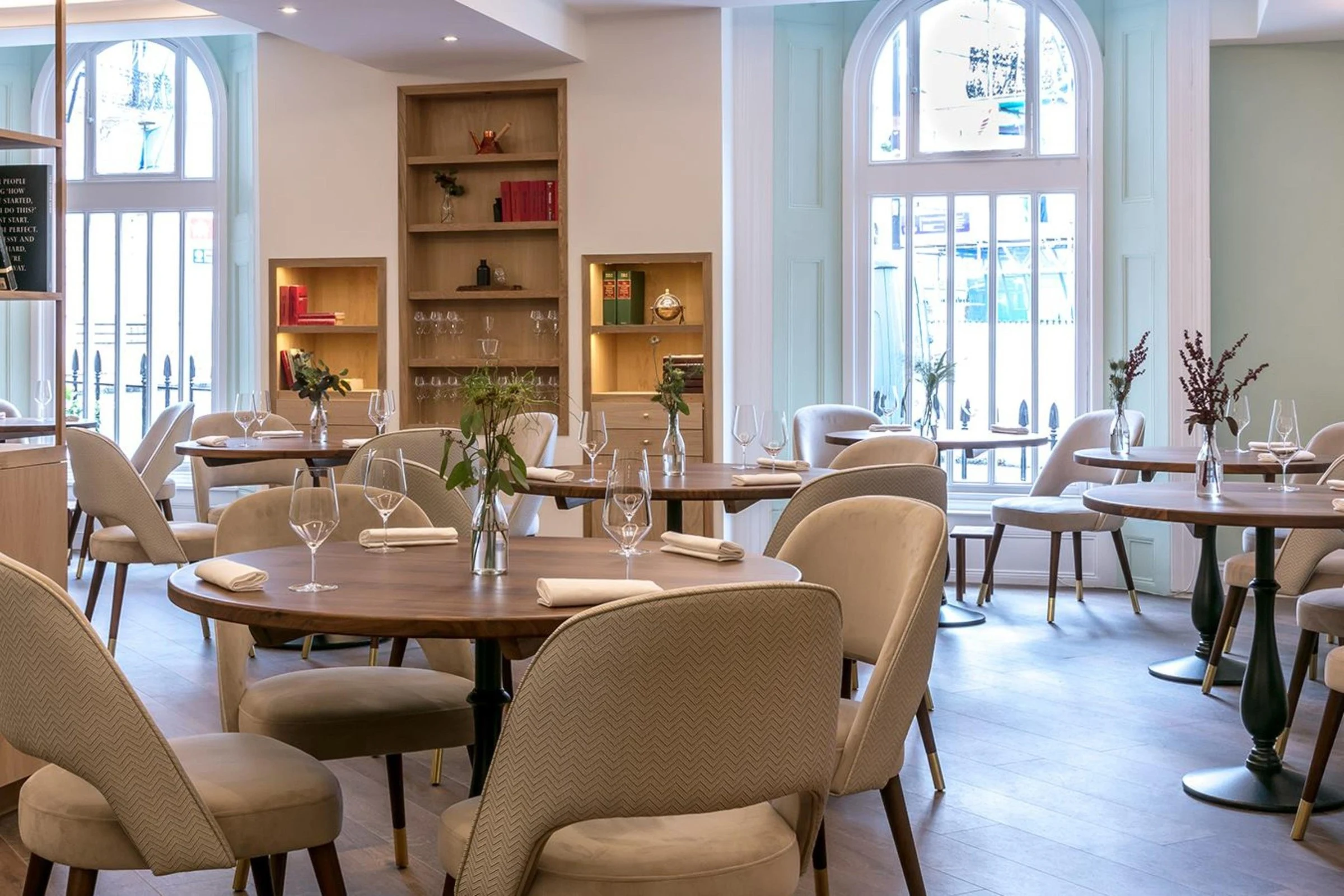
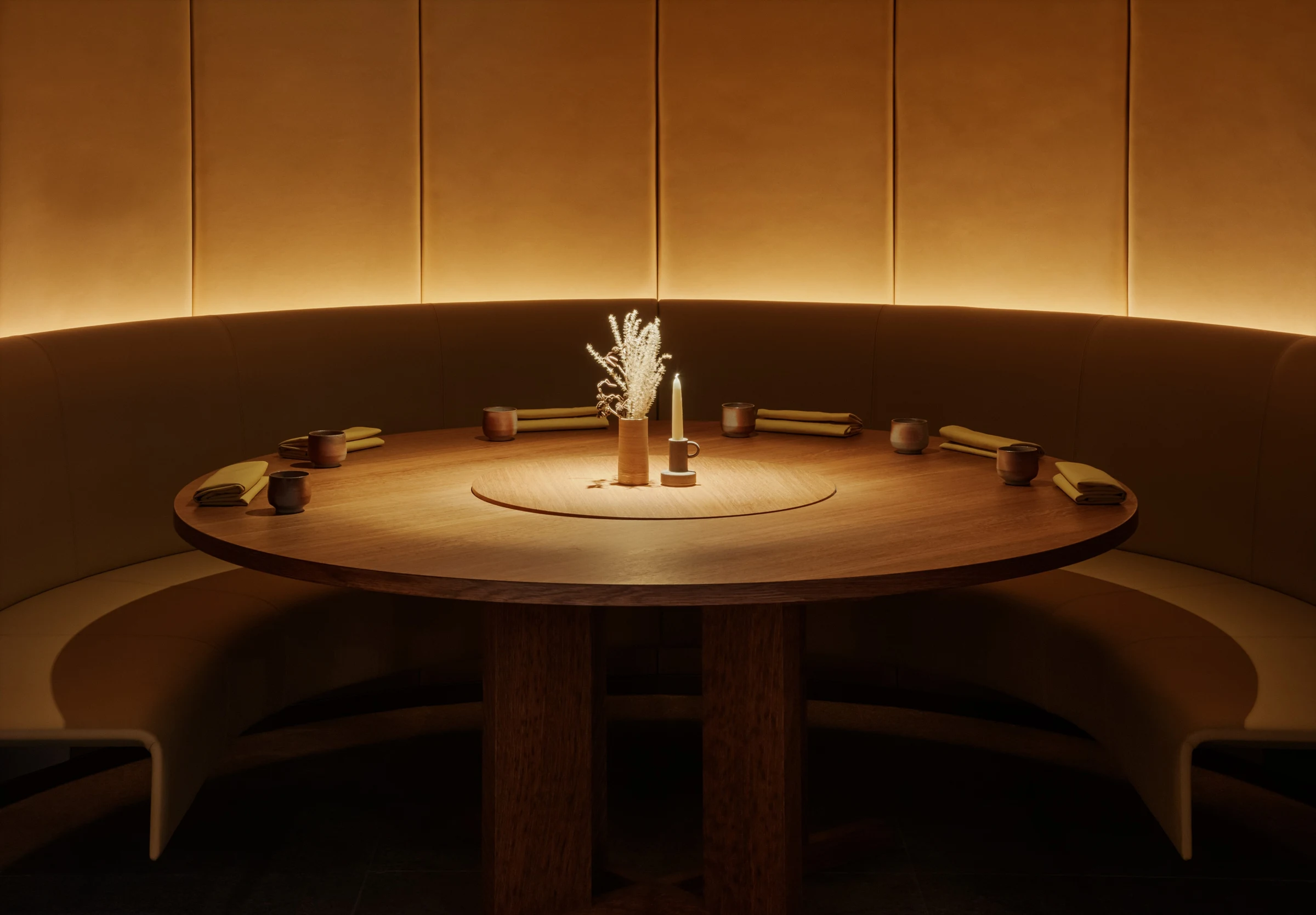
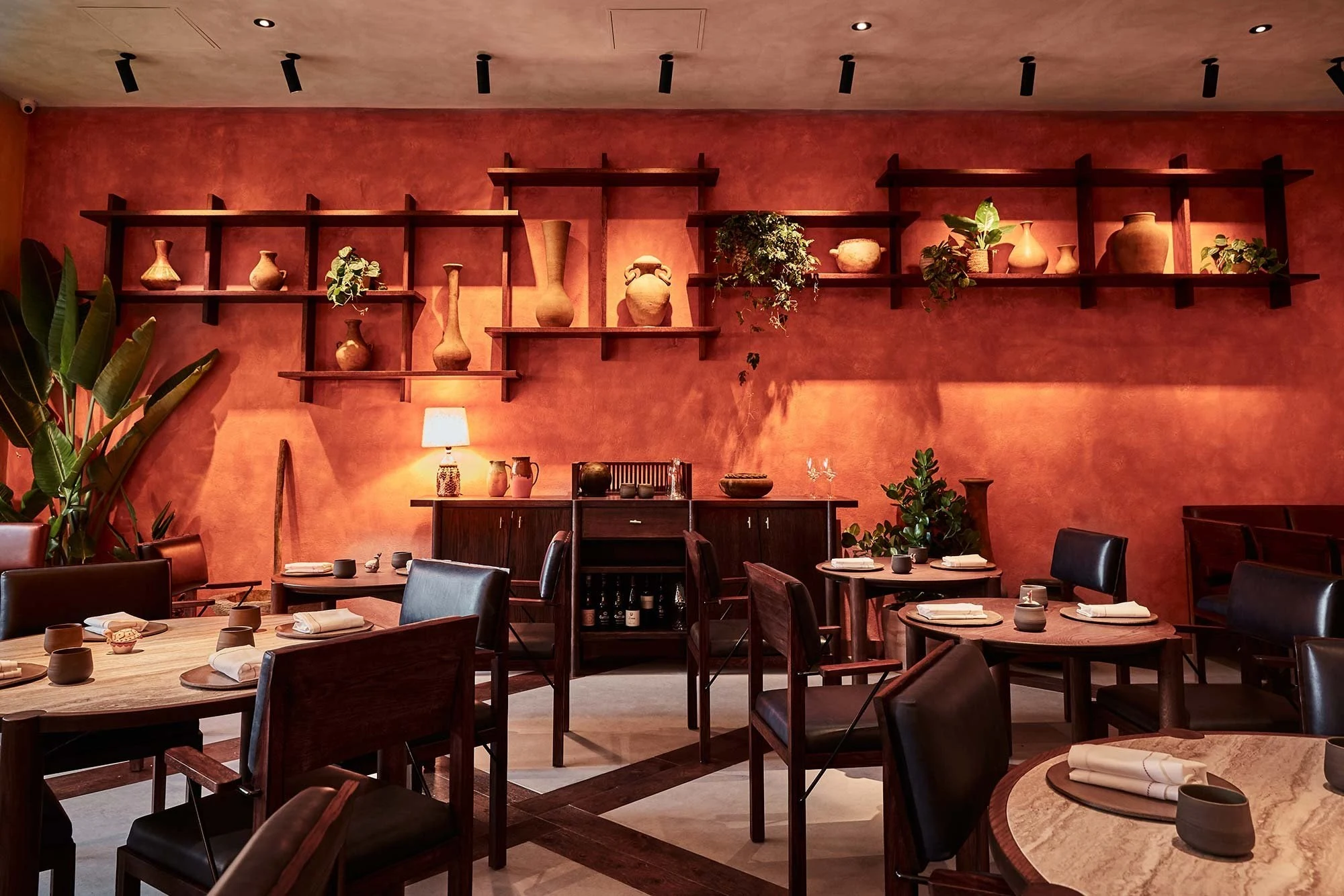
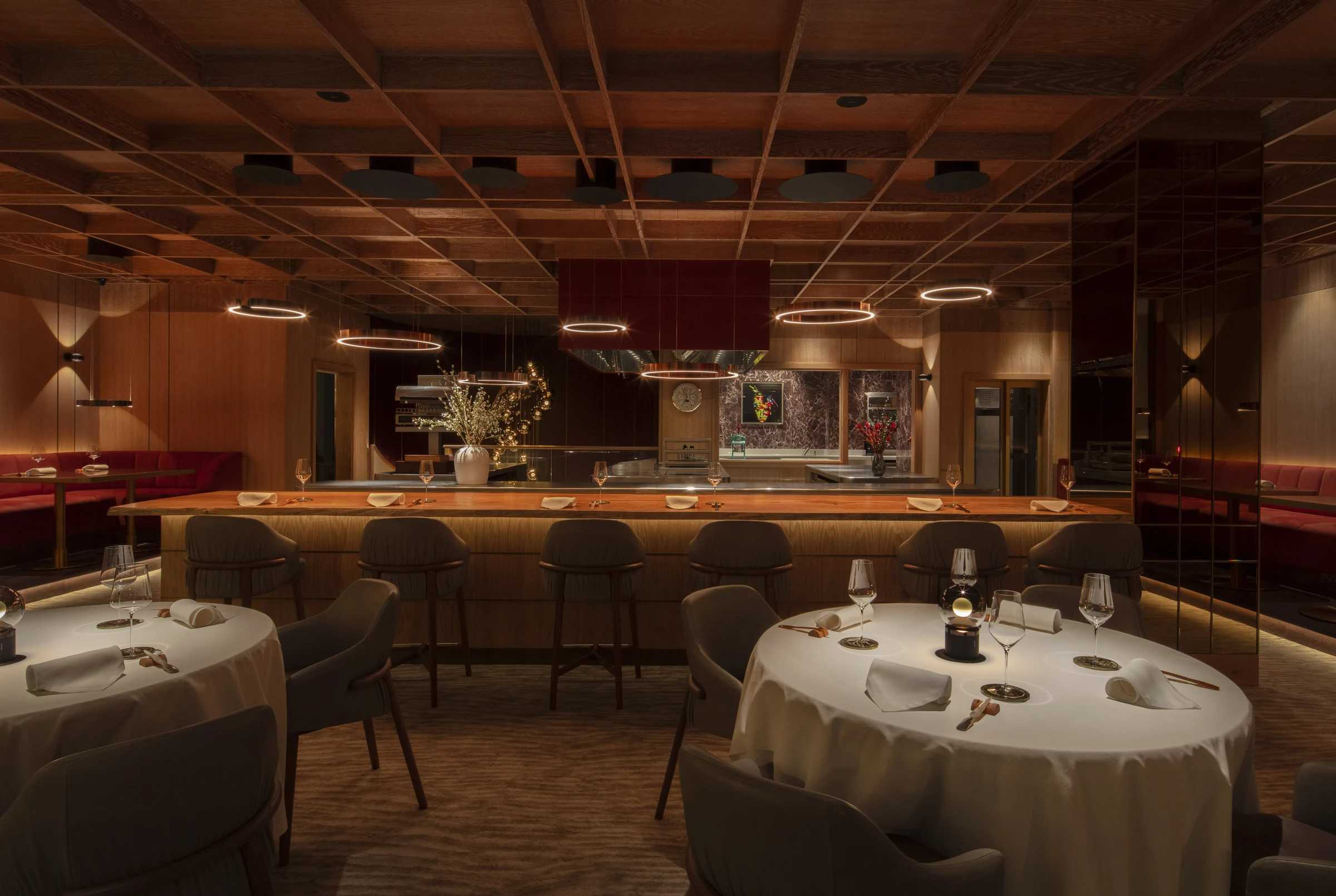
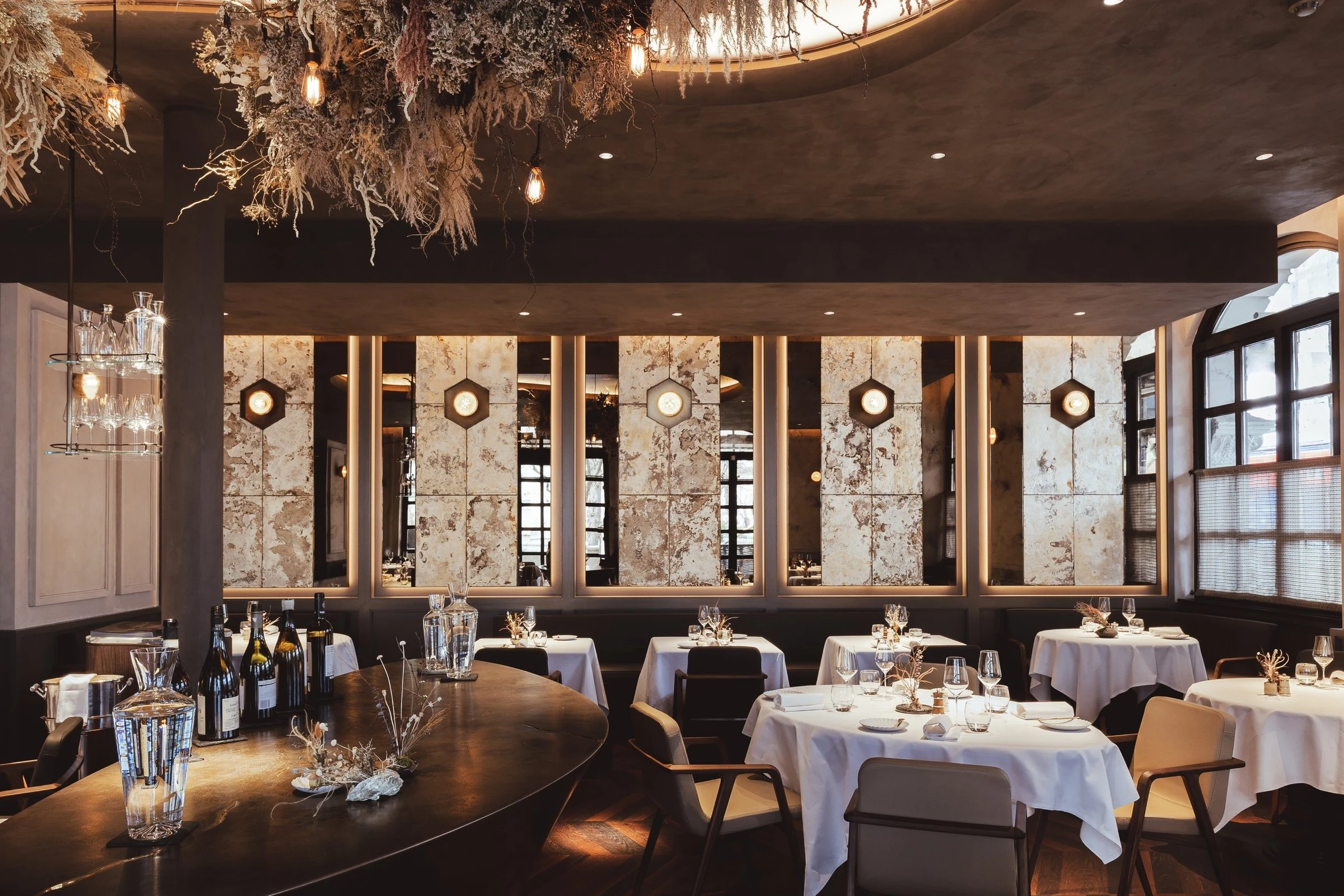
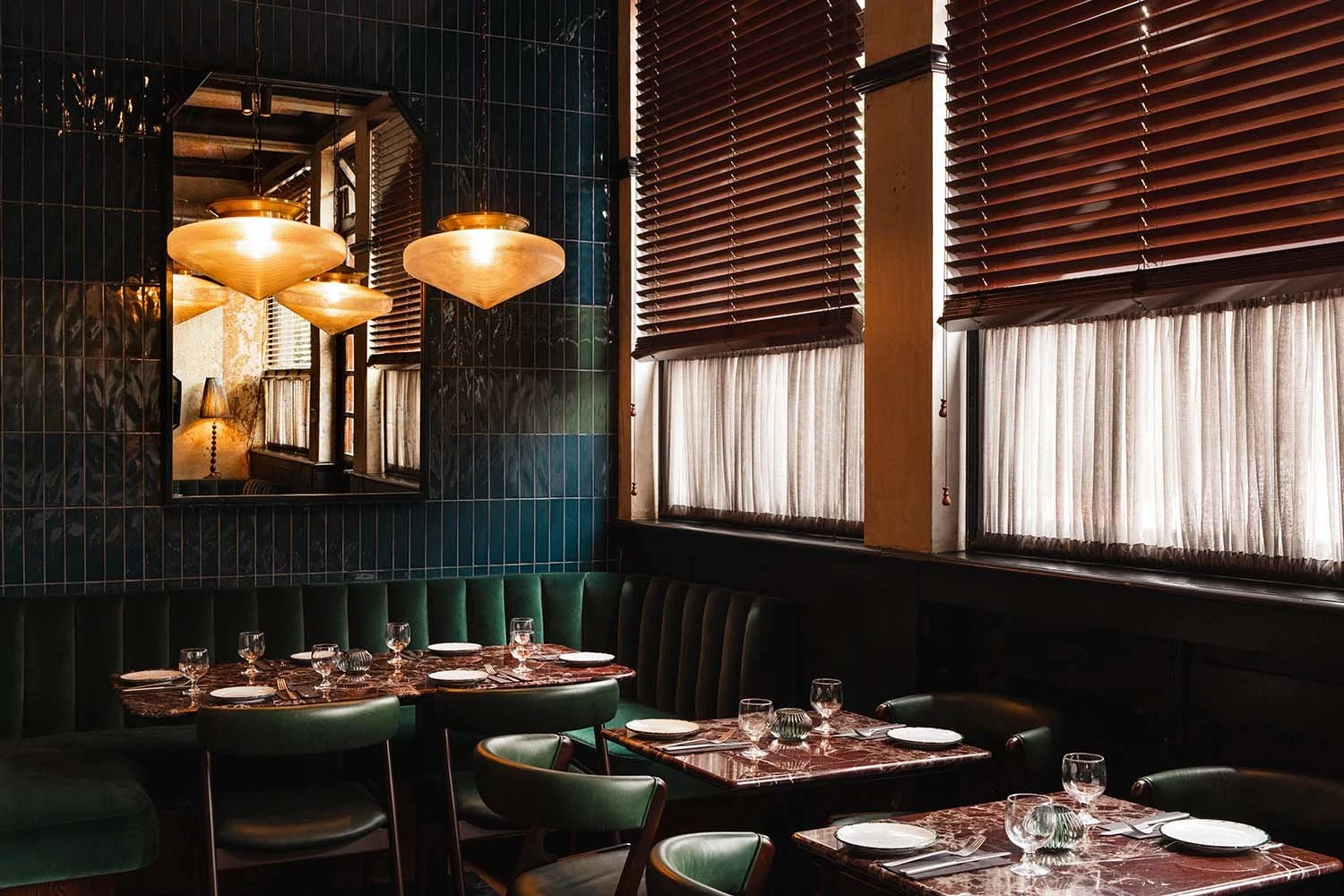
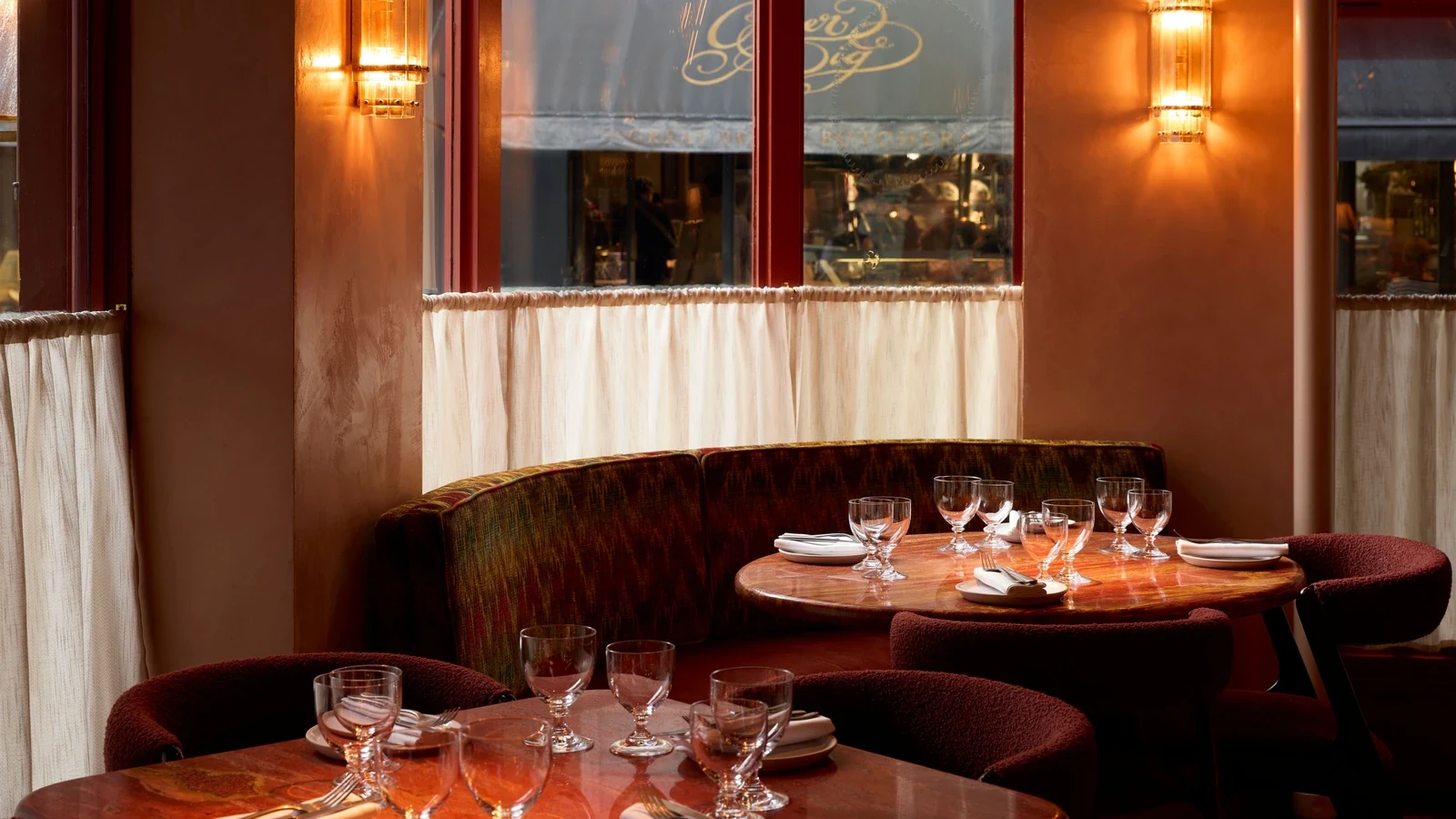
The room has the hum of a restaurant that did not leave its following behind when it crossed London. It is lively rather than loose, with an open kitchen, warm lighting and the kind of counter rhythm that lets the pass read back into the dining room. Plates move through a polished space, but the cooking still keeps a little soot in its grammar.
That tension is the point of Kudu in Marylebone: a small-plates restaurant with upscale ease, built around a technique that does not behave politely unless the hands stay alert. The wine program stays curated and South African inflection runs through the drinking as well as the food. If the room has become more elegant, the first proof still arrives warm, torn by hand, in the Kudu bread.
Questions
Frequently asked
What kind of restaurant is Kudu?
Kudu is a Marylebone restaurant serving modern South African braai, with a compact menu built around small plates, à la carte dishes, braai mains, sides and desserts.
Who cooks at Kudu?
Katlego Mlambo is Chef at Kudu. His cooking at the restaurant draws on South African braai and a style shaped by rhythm and restraint.
What is Kudu known for?
The kitchen is known for braai-led cooking and for dishes such as Kudu bread, burrata with pineapple, tomato, ginger and shiso, harissa chopped beef tartare, smoked prawn cruller, lamb Barnsley chop, pork chop with monkey gland sauce, poussin, whole black bream and a dry-aged 1kg T-bone steak for sharing.
Does Kudu have any recognition or booking guidance?
Kudu holds a Michelin Bib Gourmand, and reservations are recommended.
What are the practical details for visiting Kudu?
Kudu is at 7 Moxon St, London W1U 4EP, in Marylebone. It is open Monday to Saturday for lunch and dinner, and on Sunday for lunch and dinner with earlier evening service. The dress code is smart casual.
The field
How it compares
| Place | Cuisine | Notes | Awards |
|---|---|---|---|
| Kudu | Modern South African Braai | Marylebone, $$$ | · |
| CORE by Clare Smyth | Modern British Fine Dining | London | Michelin 3 Stars, World's 50 Best |
| Ikoyi | Modern West African Fine Dining | London | Michelin 2 Stars, World's 50 Best |
| Kitchen Table | Modern British Fine Dining | London | Michelin 2 Stars |
| KOL | Modern Mexican Fine Dining | London | Michelin 1 Star, World's 50 Best |
| Row on 5 | Modern British Fine Dining with Mediterranean & Asian Influences | London | Michelin 2 Stars |
| The Ledbury | Modern British Fine Dining | London | Michelin 3 Stars, World's 50 Best |
Featured in
Similar places
Modern British Fine Dining
CORE by Clare Smyth
London, United Kingdom
★★★ · 50 Best
Modern West African Fine Dining
Ikoyi
London, United Kingdom
★★ · 50 Best
Modern British Fine Dining
Kitchen Table
London, United Kingdom
★★
Modern Mexican Fine Dining
KOL
London, United Kingdom
★ · 50 Best
Modern British Fine Dining with Mediterranean & Asian Influences
Row on 5
London, United Kingdom
★★
Modern British Fine Dining
The Ledbury
London, United Kingdom
★★★ · 50 Best