Kunitoraya
In Residence
Masafumi Nomoto
Chef
- 01CuisineTraditional Japanese Udon & Yakitori
- 02CityParis, France
From the people index
Recommended by
One trusted voice points here.
- Opinionated About Dining Casual in Europe Recommended · 2026
- Opinionated About Dining Casual in Europe Ranked #638 · 2025
- Opinionated About Dining Casual in Europe Ranked #559 · 2024
Where Palais-Royal Meets the Steam of a Sanuki Kitchen
Rue Villédo runs parallel to the Palais-Royal gardens, a narrow street where the 1st arrondissement folds its quieter side in against the boulevards. Walking it at midday, you pick up heat before you register much else: the faint mineral smell of wheat dough, water at a rolling boil, a broth that has been running since morning. The frontage of Kunitoraya announces almost nothing by Parisian standards. There is no theatrical signage, no chalkboard poetry. What you see is a small room and, if you arrive around noon, a line already forming outside.
That queue is itself informative. It contains a significant proportion of Japanese residents and visitors, a reliable proxy for kitchen credibility in a city where the Japanese dining population is large and precise in its expectations. It also contains the neighbourhood regulars who have been coming for years. The two groups converge on the same thing: udon made to the Sanuki standard, which means thick, square-cut noodles with a specific chew and a broth transparent enough to read a menu card through.
The Tradition Behind the Noodle
Udon has a longer claim to Japanese culinary history than ramen, and the Sanuki style from Kagawa Prefecture in Shikoku is probably its most internationally recognised form. The dough is kneaded hard and rested long, then cut to a width and thickness that gives the finished noodle its characteristic resistance: it yields but pushes back, a quality Japanese cooks describe with the word koshi. Broth in the Sanuki tradition runs lighter than the heavier tonkotsu or miso bases of other Japanese noodle styles, relying on dashi assembled from kombu and katsuobushi to carry a clean, savoury weight without opacity.
In Paris, this positions udon in a different register from the ramen restaurants that have proliferated across the city since the mid-2010s. Where the ramen category has fragmented into a competitive, fashion-conscious tier, the udon scene in Paris remains small and specialist. Kunitoraya occupies the senior position in that small tier, with a tenure in the Palais-Royal area that pre-dates most of the current Japanese noodle market in the city.
Recognition and Competitive Position
The venue holds consecutive entries in the Opinionated About Dining Casual Europe list: ranked 559th in 2024, then 638th in 2025. A Google average of 4.3 across 1,921 reviews adds volume to the picture; that sample size at that average reflects a broad, stable consensus rather than a narrow enthusiast consensus. OAD rankings are sourced from the eating records of a self-selected critic community with a measurable bias toward technically serious food, which makes consistent appearance in that list a stronger signal than a high aggregate score on general review platforms. A Google average of 4.3 across 1,857 reviews adds volume to the picture; that sample size at that average reflects a broad, stable consensus rather than a narrow enthusiast consensus.
For reference, the 1st arrondissement also contains particularly formally decorated tables in France. Alléno Paris au Pavillon Ledoyen operates at three Michelin stars in the Creative category. Kei, which holds three stars for Contemporary French and Modern Cuisine, represents one decorated French-Japanese fusion address in the city. L'Ambroisie and Le Cinq at the Four Seasons George V anchor the Classic and Modern French tier at the same level. Kunitoraya operates in a different format and price category entirely, but the comparison is useful: central Paris rewards specific excellence at every price point, and a casual Japanese noodle address competing consistently in OAD's European rankings is notable in that context.
For udon specifically, the reference points outside Paris are Aozora Blue in Osaka and Gion Yorozuya in Kyoto, both operating in the cities most associated with refined Japanese noodle traditions. That Kunitoraya registers as a peer in European rankings while operating in a city whose dining culture is defined by haute French cuisine, along with the temples of regional French cooking like Mirazur in Menton, Flocons de Sel in Megève, and Troisgros in Ouches, suggests a kitchen not diluting its format for a non-specialist audience.
The Atmosphere and the Experience
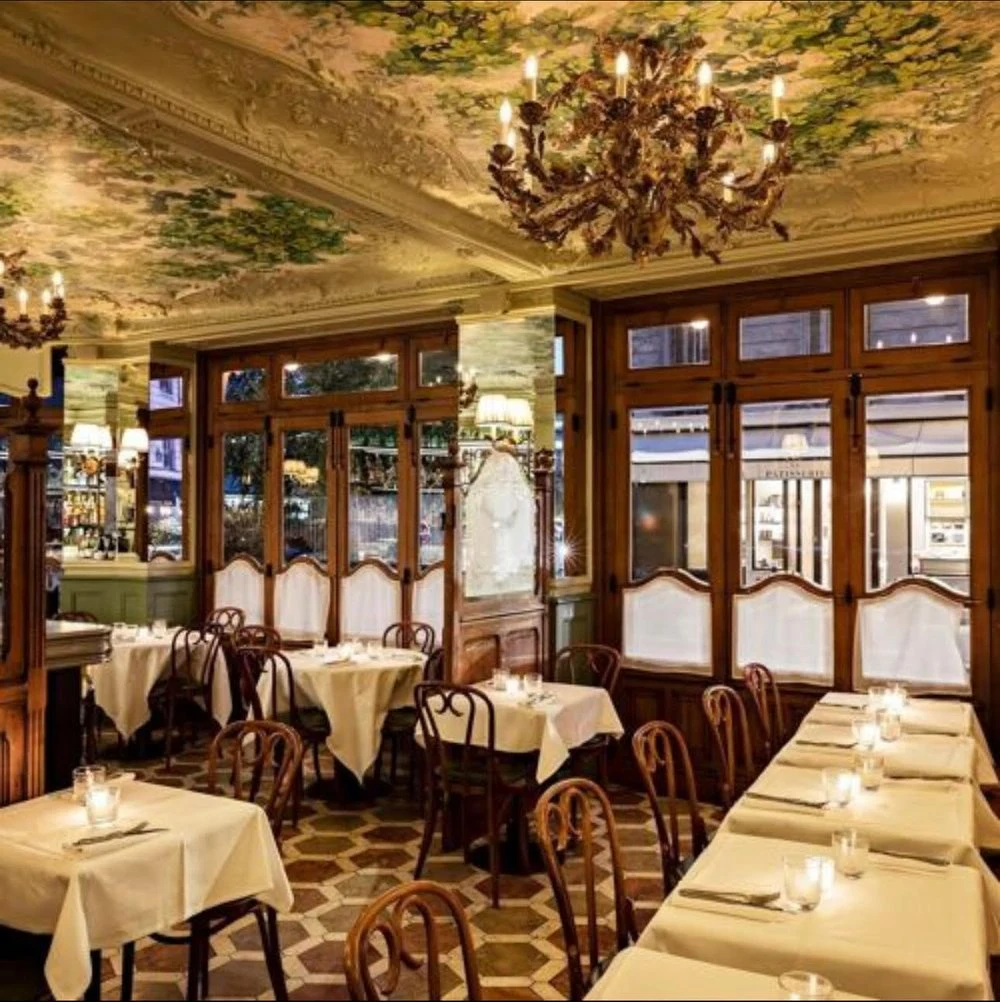
The room at Rue Villédo is compact. Compact in Paris, for a sit-down lunch address, usually means either cramped or precise; here it reads as the latter. The acoustics run loud at peak service, which is the honest outcome of a small space doing serious volume. Conversation is possible but not at a whisper. The dining pace is brisk without being pressured.
Visually, the kitchen activity is the dominant sensory element. Watching dough-worked noodles hit boiling water, then observing the preparation of dashi-based broths poured carefully over, gives lunch a transparency that aligns with the Sanuki tradition: nothing here is hidden by a complicated sauce or an architectural plating style. The food arrives direct, with the ingredients doing their own work. The smell that drifts from the kitchen from the moment you step in is that of a clean, serious dashi, one of the more specific and pleasant signals a Japanese noodle kitchen can send.
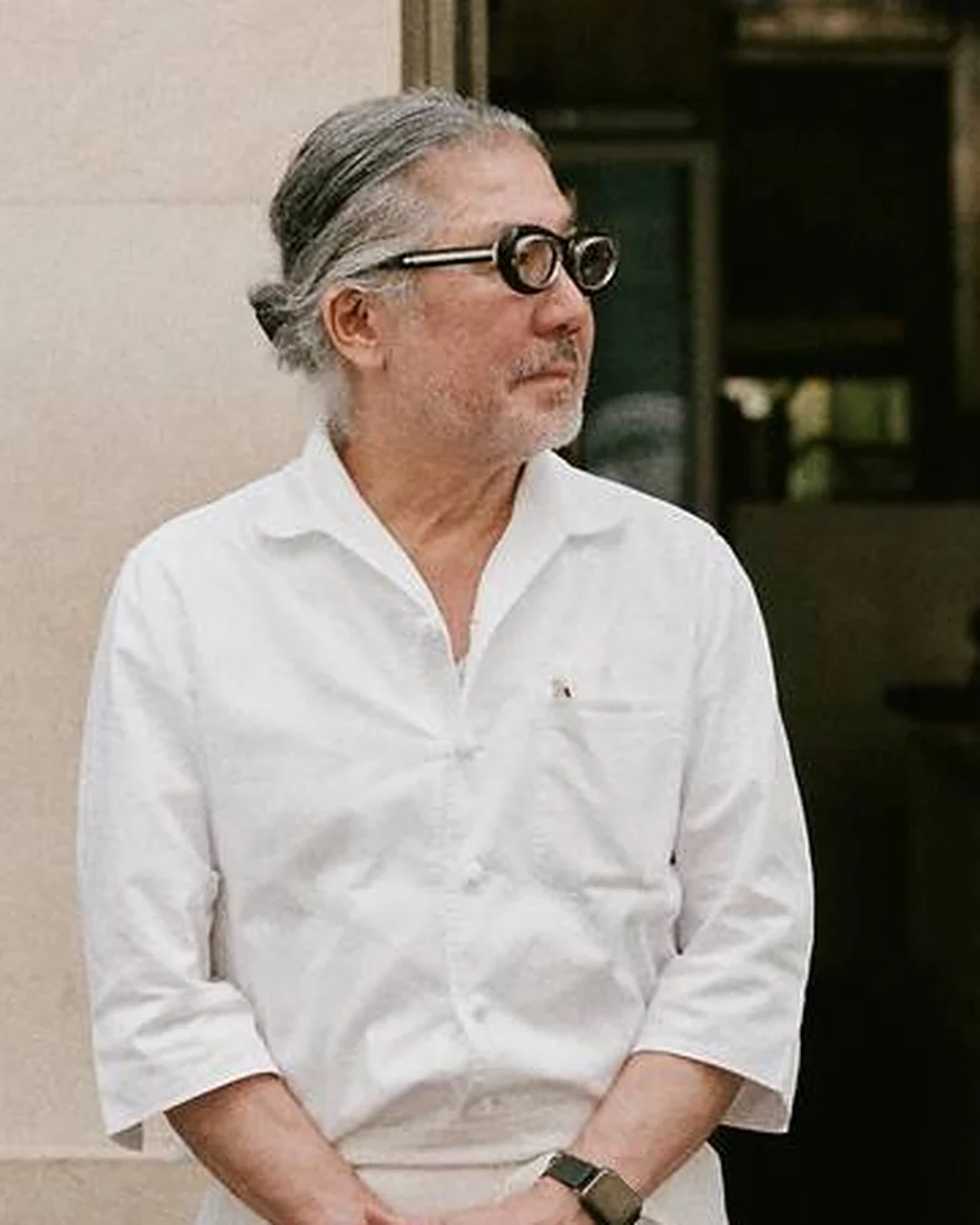
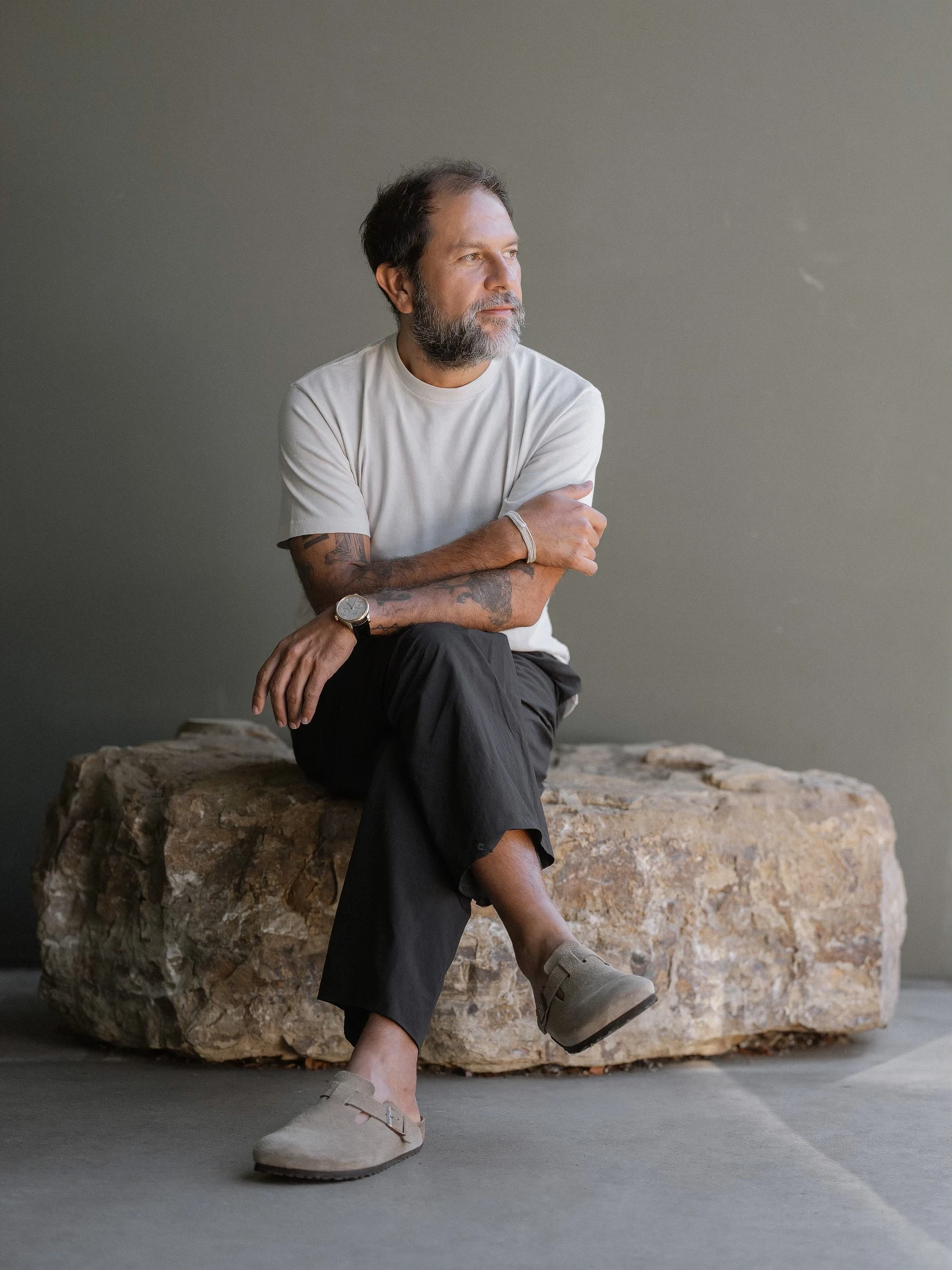
Chef Masafumi Nomoto leads the kitchen. The relevant detail here is the output: a kitchen producing Sanuki-standard noodles at volume, in Paris, consistently enough to hold OAD recognition across multiple years.
Practical PlanningArriving at opening on a weekday lunch is the standard advice for avoiding the longest queues. Dinner service is listed until 10 pm across the week with Sunday as the single closure.
For broader Paris planning, our full Paris restaurants guide covers the range from casual specialists to formal French. Related resources include our Paris hotels guide, Paris bars guide, Paris wineries guide, and Paris experiences guide. For French regional reference, the full institutional range runs from Auberge de l'Ill in Illhaeusern and Bras in Laguiole to Paul Bocuse in Collonges-au-Mont-d'Or, alongside the Paris institutions referenced above, including Arpège.
Questions
Frequently asked
Who works at Kunitoraya?
Made By profiles Masafumi Nomoto (Chef) at Kunitoraya.
How expensive is Kunitoraya?
Kunitoraya is listed at a price level of $$$.
Where is Kunitoraya and what does it serve?
Kunitoraya is in Louvre / Palais-Royal, Paris, serving Traditional Japanese Udon & Yakitori.
The field
How it compares
| Place | Cuisine | Notes | Awards |
|---|---|---|---|
| Kunitoraya | Traditional Japanese Udon & Yakitori | Louvre / Palais-Royal, $$$ | · |
| Arpège | Vegetable-Focused French Fine Dining | Paris | Michelin 3 Stars, World's 50 Best |
| Epicure | Contemporary French Fine Dining | Paris | Michelin 3 Stars |
| Guy Savoy | Classic French Fine Dining | Paris | Michelin 2 Stars, World's 50 Best |
| Le Cinq | Modern French Fine Dining | Paris | Michelin 3 Stars, World's 50 Best |
| Le Taillevent | Classic and Modern French Fine Dining | Paris | Michelin 2 Stars, World's 50 Best |
| Pierre Gagnaire | Avant-Garde French Fine Dining | Paris | Michelin 3 Stars, World's 50 Best |
In residence
Similar places
Vegetable-Focused French Fine Dining
Arpège
Paris, France
★★★ · 50 Best
Contemporary French Fine Dining
Epicure
Paris, France
★★★
Classic French Fine Dining
Guy Savoy
Paris, France
★★ · 50 Best
Modern French Fine Dining
Le Cinq
Paris, France
★★★ · 50 Best
Classic and Modern French Fine Dining
Le Taillevent
Paris, France
★★ · 50 Best
Avant-Garde French Fine Dining
Pierre Gagnaire
Paris, France
★★★ · 50 Best