Skip to Content
    Made ByRestaurant

    L’Atelier de Jean-Luc Rabanel

    Jean-Luc Rabanel

    In Residence

    Jean-Luc Rabanel

    Chef

    1. 01CuisineContemporary French
    2. 02CityArles, France
    L’Atelier de Jean-Luc Rabanel (restaurant)

    Jean-Luc Rabanel, chef at L’Atelier de Jean-Luc Rabanel in Arles, works a contemporary vegetal French line, daily, delicately.

    • Opinionated About Dining Classical in Europe Ranked #149 · 2026

    A vegetal line in Arles

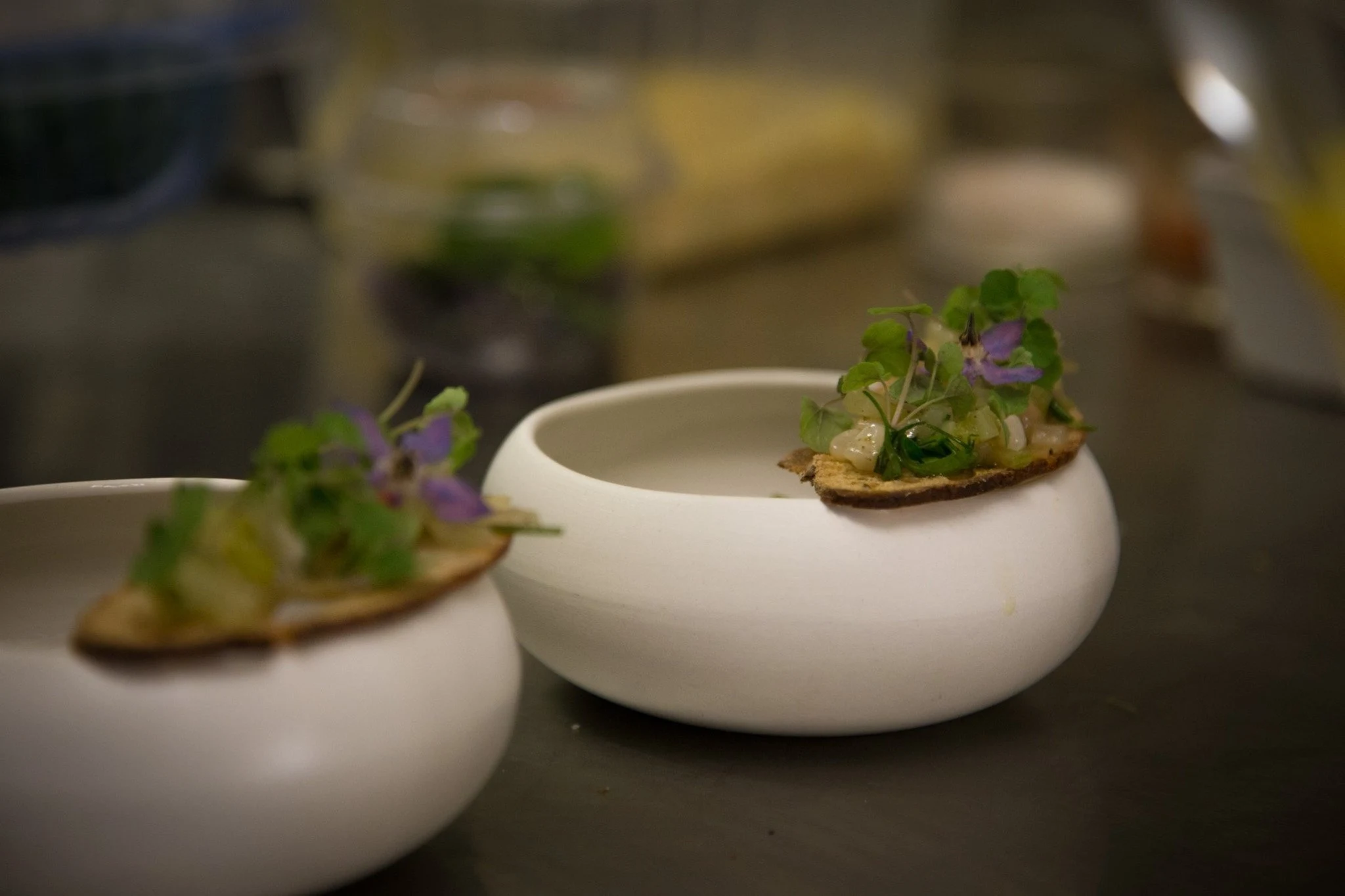
    La végétale gives Jean-Luc Rabanel, Chef at L’Atelier de Jean-Luc Rabanel in Arles, a clear first gesture: the plant is not garnish, it is the line of thought. At 7 Rue des Carmes, the kitchen carries a career that has stayed close to fixed addresses and the discipline they impose. Rabanel’s first founding role began in Tonneins from 1995; Arles followed, with L’Atelier since 2006 and À Côté from 2008. The movement matters less as a biography than as a way of reading the bench. He has not built his work around a restless succession of rooms. He has returned to named places, each one a station where an idea can accumulate pressure.

    His own account begins before the restaurant. “My history is rooted in the Lot-et-Garonne countryside, where I had my first sensory experiences.” That sentence gives the kitchen a source without turning it into folklore. Taste, texture, smell, and season entered early as practical memory. At L’Atelier, that memory appears through a controlled contemporary French vocabulary, one that keeps vegetal cooking close to structure rather than softness. The honors attached to Rabanel’s work include Michelin recognition, Chevalier of the Ordre des Arts et des Lettres, Gault Millau Chef of the Year in 2008, and Omnivore Extra Creator of the Year, and L’Atelier remains the main house for the line that bears his name.

    La végétale and Anarch’Riz

    The two dishes most directly attached to Rabanel, La végétale and Anarch’Riz, set the method in tension. One names a vegetal register outright. The other breaks the word rice into something less settled, closer to motion than category. Read together, they suggest a cook who wants form, then resists letting form become fixed. The plate can hold restraint and disturbance at once.

    L’Atelier does not need a large published vocabulary of technique to make that clear. The known language is enough: vegetal work, contemporary French cooking, the sensory memory of Lot-et-Garonne, and a house style developed over time in Arles. Precision here is not a matter of theatrical equipment. It is the choice to keep returning to the same ingredients, the same questions of texture and contrast, and the same pressure of the pass. Rabanel’s cooking is presented through discipline rather than display, which is why the named dishes carry weight. La végétale points to an ingredient field. Anarch’Riz points to a refusal to let that field become polite.

    The room off Rue des Carmes

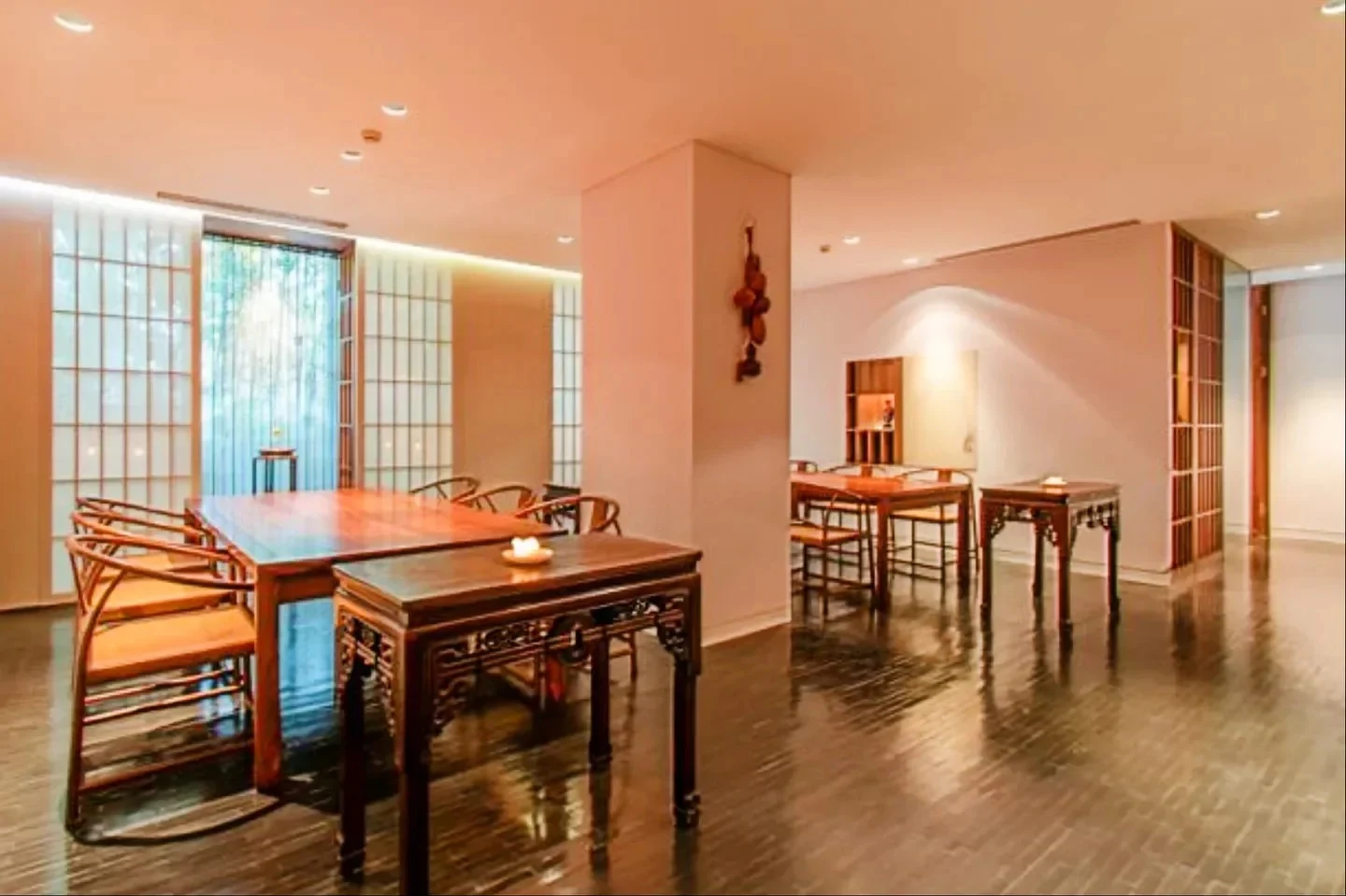
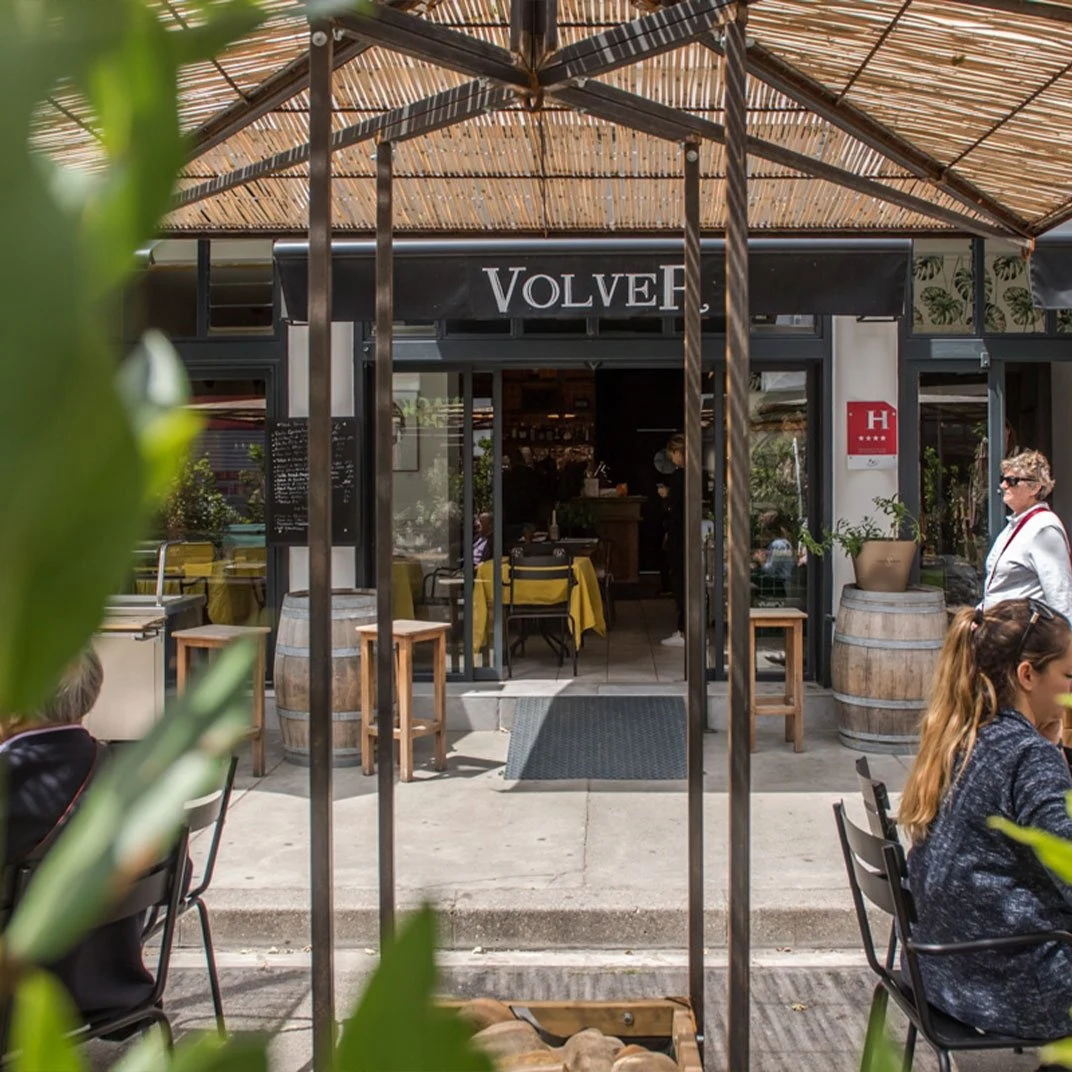
    The room at L’Atelier sits inside the compact grain of Rue des Carmes, a restaurant address that also appears in the practical life of the house as lodging and guest rooms. That dual nature changes the feeling of arrival. The dining room is not only a pass facing guests; it belongs to a small house of stay, return, and close quarters. Reviews have noted an eclectic interior, and that word suits a place where the cooking’s order meets a room with its own temperament.

    While the craft happens, the important distance is short: the pass, the table, the room, the plate. Rabanel’s authorship depends on that nearness. Arles gives the work its present address; Lot-et-Garonne remains in the memory of first taste. Between them sits L’Atelier, where La végétale and Anarch’Riz keep the kitchen’s two hands visible.

    Questions

    Frequently asked

    Who cooks at L’Atelier de Jean-Luc Rabanel?

    Jean-Luc Rabanel is the chef at L’Atelier de Jean-Luc Rabanel in Arles, and his work there is built around a contemporary French line with a vegetal focus.

    What is the cooking style at L’Atelier?

    The kitchen works with a controlled contemporary French vocabulary, keeping vegetal cooking close to structure rather than softness. The page describes the approach as daily and delicate, with taste, texture, smell, and season carrying the memory of Rabanel’s early life in the Lot-et-Garonne countryside.

    What dishes are most closely associated with Rabanel’s cooking?

    The two named dishes most directly attached to Rabanel are La végétale and Anarch’Riz. They point to the kitchen’s vegetal direction and its interest in form, contrast, and a less fixed way of thinking about a plate.

    What recognition has Rabanel received?

    Rabanel’s work is linked to Michelin recognition, and he has also been named Chevalier of the Ordre des Arts et des Lettres, Gault Millau Chef of the Year in 2008, and Omnivore Extra Creator of the Year.

    Where is the restaurant, and what is the setting like?

    L’Atelier de Jean-Luc Rabanel is at 7 Rue des Carmes in Arles. The room is described as part of a small house that also includes lodging and guest rooms, and reviews have noted an eclectic interior.

    The field

    How it compares

    PlaceCuisineAwardsNotes
    L’Atelier de Jean-Luc RabanelContemporary French··
    AlchemistAvant-Garde Molecular Gastronomy with Social CommentaryMichelin 2 Stars, World's 50 BestCopenhagen
    de nuitContemporary FrenchMichelin 1 StarTaipei
    Jeune et JolieContemporary FrenchMichelin 1 StarCarlsbad
    KaisersaalContemporary FrenchMichelin 1 StarRavensburg
    Le GibolinFrench Bistro with Market Cuisine·Arles
    Les Maisons RabanelGreenstronomie (Vegetal Fine Dining)·Arles

    In residence

    Similar places

    ← Browse all places