La Bien Aparecida
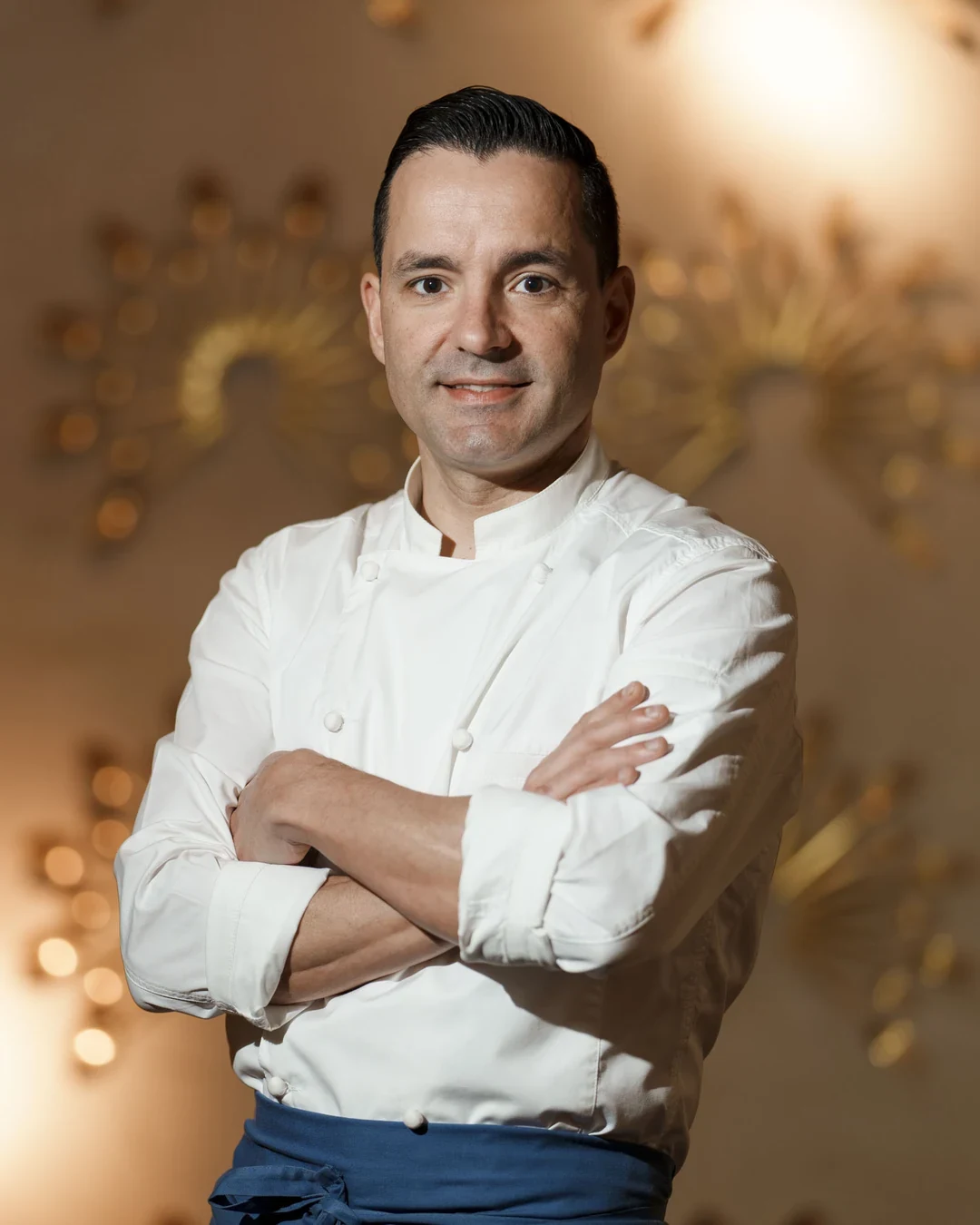
In Residence
José Manuel de Dios
Chef
- 01CuisineModern Cantabrian & Mediterranean
- 02CityMadrid, Spain
- Michelin Plate · 2026
- Macarfi 7.9 Food Rating · 2026
- Opinionated About Dining Top Restaurants in Europe Recommended · 2026
- Guía Repsol 1 Sol · 2026
- Opinionated About Dining Top Restaurants in Europe Ranked #669 · 2025
- We're Smart World 2 Radishes · 2025
- Michelin Plate · 2025
Cantabria in the Heart of Salamanca
Calle de Jorge Juan runs through one of Madrid's most expensive retail and residential corridors, where the dominant dining register tends toward polished Mediterranean or international contemporary. La Bien Aparecida occupies that street with a different agenda: the restaurant is named after the patron saint of Cantabria, and the kitchen holds to that geographic commitment with unusual discipline. Walking in, the reference point shifts north, toward the Atlantic coast and the green interior valleys of a region that rarely headlines Madrid's dining conversation.
That displacement is partly the point. Cantabrian cooking, built around seafood from the Bay of Biscay, mountain stews, and dairy-rich sauces, rarely travels well as a fine-dining proposition. The challenge for any kitchen attempting it in a Salamanca postcode is to modernise without erasing the regional legibility that gives the food its identity. At La Bien Aparecida, under Chef José Manuel de Dios, the answer has been to foreground produce, restrain intervention, and let the primary ingredient carry the narrative.
A Vegetable-Forward North
Spain's contemporary restaurant scene has developed two broad strands of sustainability thinking. The first, represented by addresses like Aponiente in El Puerto de Santa María, centres on marine ecosystems and the re-evaluation of overlooked species. The second, less visible internationally but increasingly present in mid-tier contemporary restaurants, draws from the vegetable-centric approach that Michel and Sébastien Bras developed at their Laguiole base in southern France: produce as protagonist, technique in service of flavour rather than spectacle.
José Manuel de Dios trained through that second lineage. The result is a kitchen where vegetables occupy the foreground of the menu rather than the garnish rail. This is a meaningful distinction in the context of Cantabrian cooking, which is not historically a vegetable-led cuisine. The traditional dishes that anchor the menu, fried squid from Santander, creamy rice with clams from the coastal village of Pedreña, veal tripe with fried egg and potatoes from the Liébana valley, are handled as reference points rather than centrepieces, making room for a broader produce-led approach that runs alongside them.
The Cañadío cheesecake, sourced from the lineage of the Cañadío 1981 restaurant in Santander, functions as a signal of how seriously the kitchen treats its northern provenance. That specific attribution is unusual: citing the originating restaurant for a dessert is a form of culinary transparency that places sourcing and heritage above any individual kitchen's claim to authorship.
Where La Bien Aparecida Sits in Madrid's Contemporary Tier
Madrid's highest-profile contemporary restaurants, DiverXO, Smoked Room, Coque, Deessa, occupy the €€€€ bracket and operate with tasting-menu formats, extensive front-of-house teams, and Michelin star recognition. La Bien Aparecida prices at €€€ and holds a Michelin Plate for 2025, a recognition tier that signals consistent quality without the full critical apparatus of a starred address. That positioning places it closer in competitive terms to restaurants like Adaly, BANCAL, and Desborre than to the city's upper-tier contemporary addresses.
OAD rankings are driven by surveyed critic and frequent-diner opinion rather than institutional inspection, and they tend to reflect a restaurant's consistency and regional distinctiveness more than its spectacle quotient. A ranking in that range in the OAD Europe list, which spans several thousand addresses, indicates a restaurant that holds the attention of serious diners without operating at the scale or ambition level of Spain's most-discussed rooms. Comparable contemporary venues elsewhere in Spain, including Arzak in San Sebastián, El Celler de Can Roca in Girona, Quique Dacosta in Dénia, Azurmendi in Larrabetzu, and Disfrutar in Barcelona, operate at significantly higher visibility and price points, which underscores the different register La Bien Aparecida occupies.
The Dining Room and Its Clientele
The loyal returning clientele noted in Michelin commentary is consistent with restaurants that build identity around a specific regional tradition: the food is legible across visits, the reference points are stable, and the kitchen's discipline around its source material creates a reliable anchor.
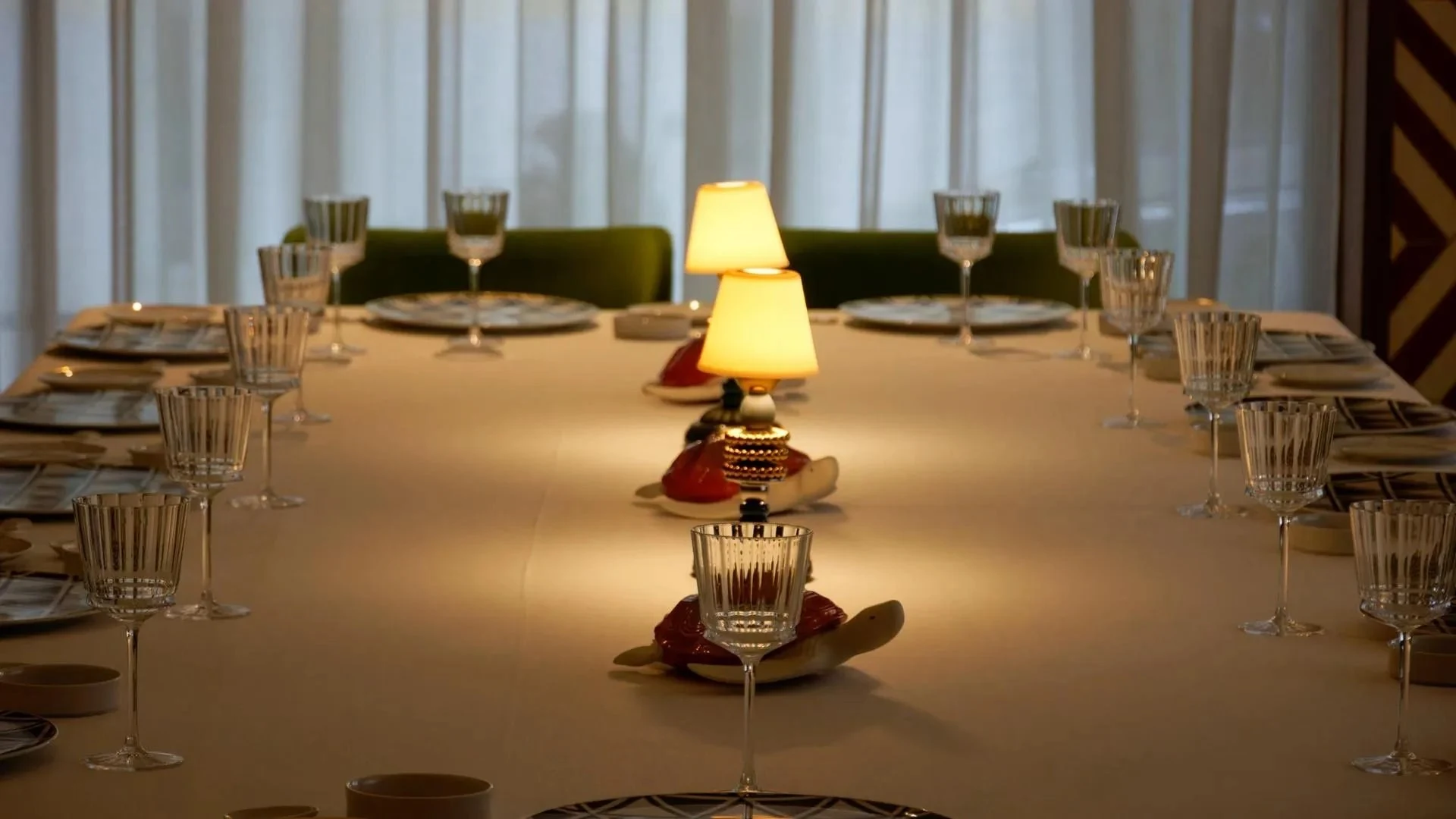
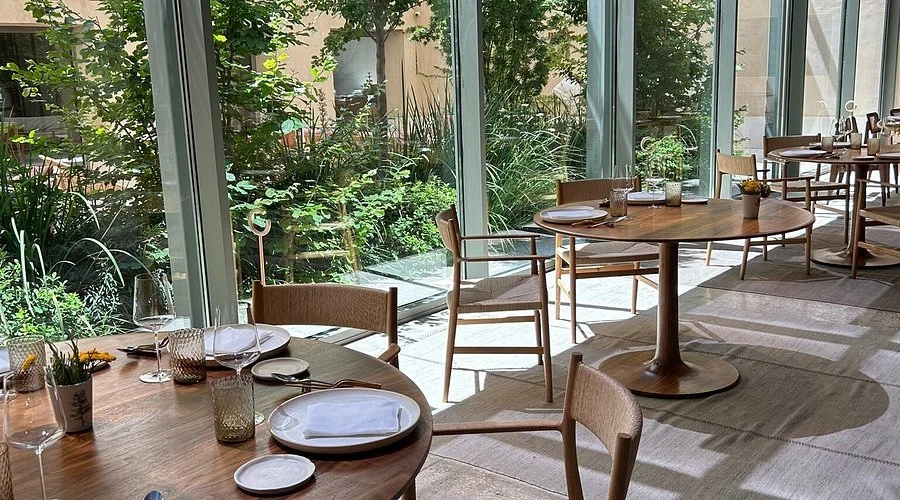
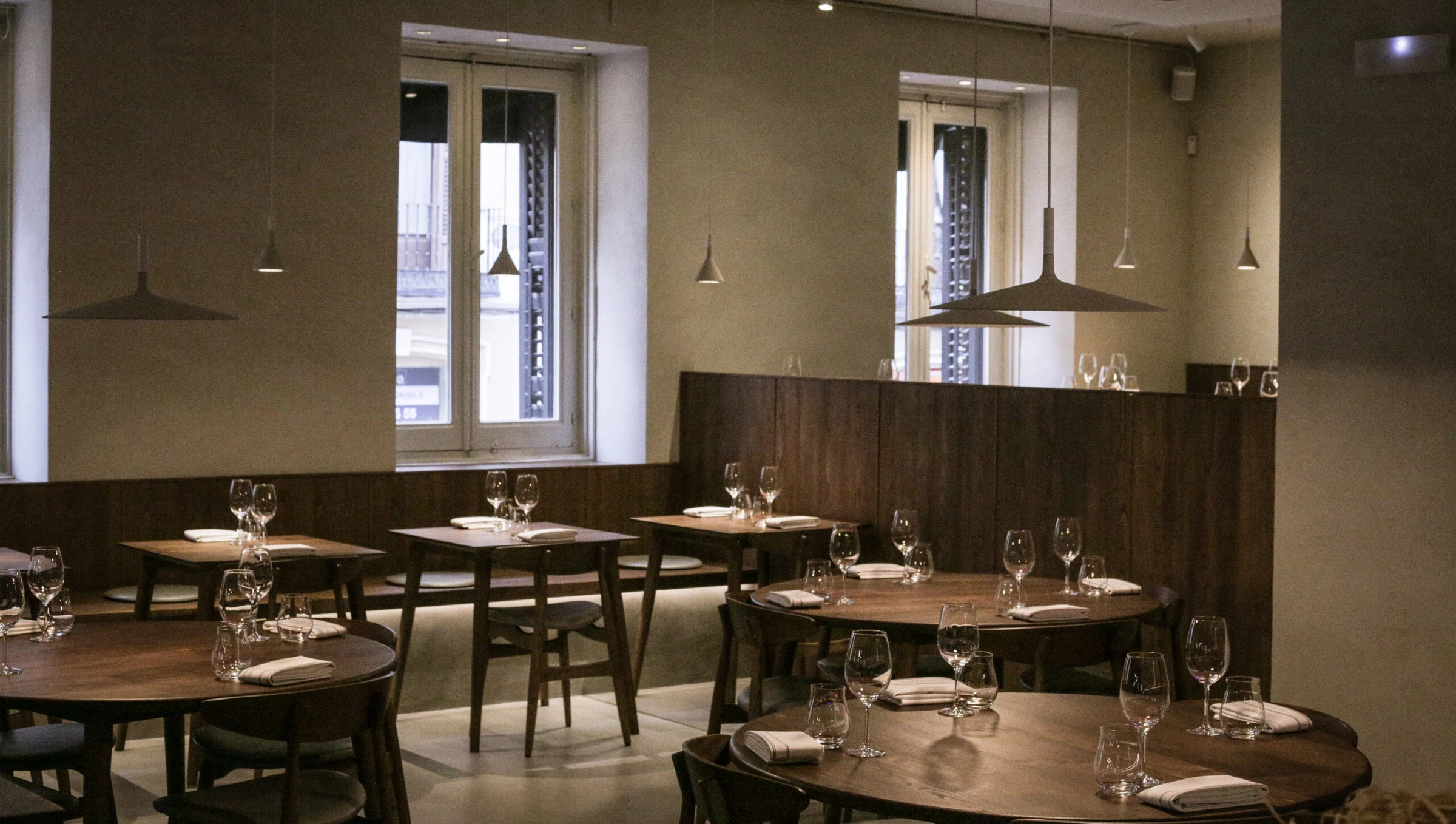
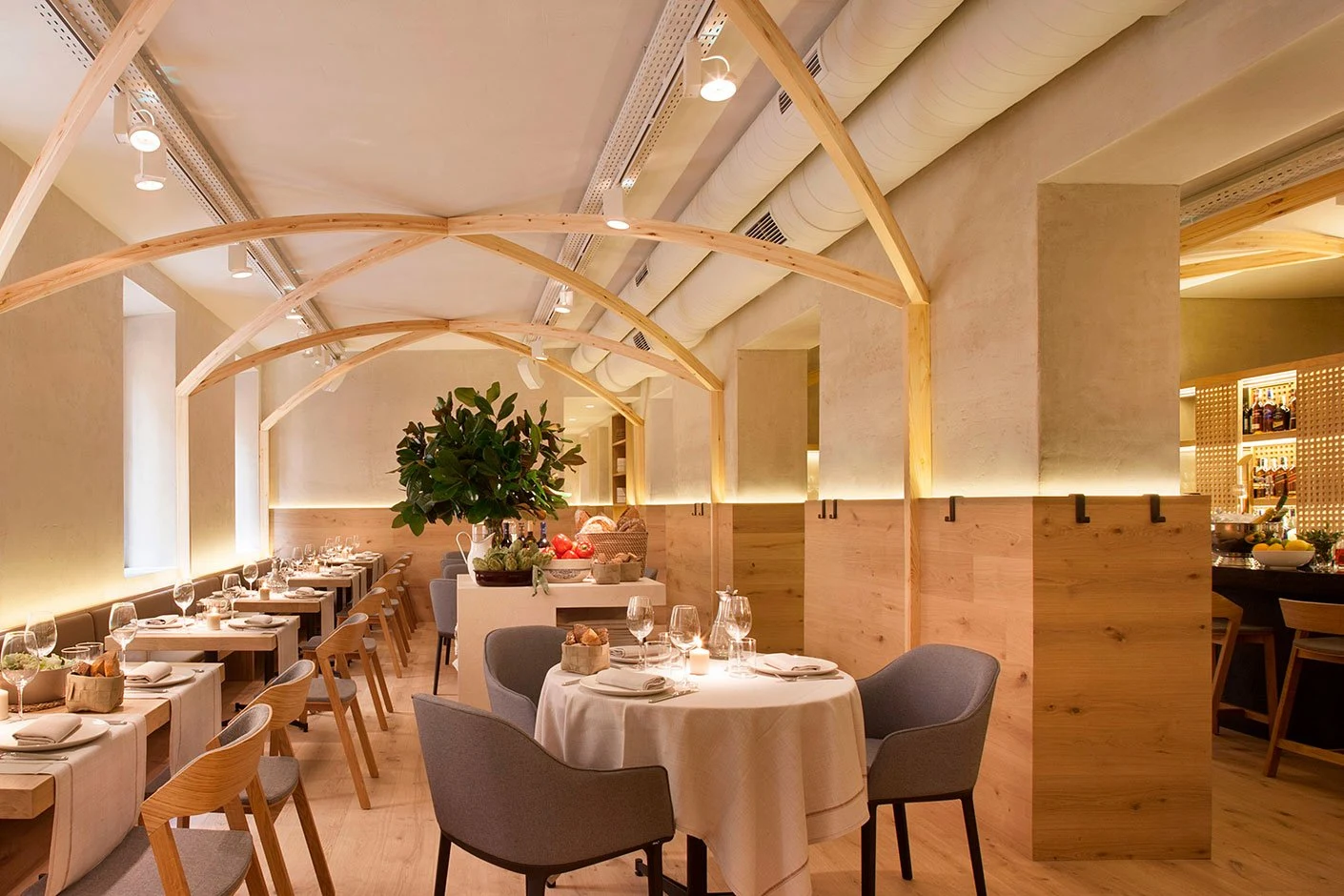
For restaurants operating at €€€ in Salamanca, that consistency is a competitive asset. The neighbourhood draws both Madrid residents and international visitors who expect a level of polish that goes beyond the casual. La Bien Aparecida's multiple dining spaces allow it to absorb different party configurations without the rigid format of a pure tasting-menu counter. Madrid restaurants taking a more format-driven approach, including En la Parra and Ferretería, offer useful contrast in terms of how differently contemporary kitchens in the city structure the dining experience.
The Sustainability Angle: Sourcing as Storytelling
The Bras methodology that shapes this kitchen's approach carries an implicit sustainability ethic: proximity, seasonality, and minimal transformation are structural principles rather than marketing additions. Cantabrian produce, including the seafood referenced in the squid and clam dishes, the dairy culture behind the cheesecake, and the mountain ingredients that underpin stew-based preparations, travels a shorter supply chain than the international ingredients that appear in many Madrid contemporary menus.
That regional anchoring is not just a culinary choice; it is a sourcing choice that reduces supply-chain complexity and supports producers from a single, well-defined territory. In the context of Madrid's contemporary restaurant tier, where ingredients are often sourced from multiple international suppliers to build multi-reference tasting menus, La Bien Aparecida's geographic discipline represents a coherent alternative approach.
Know Before You Go
- Address: C. de Jorge Juan, 8, Salamanca, 28001 Madrid, Spain
- Price range: €€€
- Awards: Michelin Plate (2025); Opinionated About Dining Europe #669 (2025) 5 (3,192 reviews)
- Cuisine: Contemporary Cantabrian
- Chef: José Manuel de Dios
- Neighbourhood: Salamanca, Madrid
Questions
Frequently asked
Who works at La Bien Aparecida?
Made By profiles José Manuel de Dios (Chef) at La Bien Aparecida.
How expensive is La Bien Aparecida?
La Bien Aparecida is listed at a price level of $$$$.
Where is La Bien Aparecida and what does it serve?
La Bien Aparecida is in Recoletos, Madrid, serving Modern Cantabrian & Mediterranean.
The field
How it compares
| Place | Cuisine | Notes | Awards |
|---|---|---|---|
| La Bien Aparecida | Modern Cantabrian & Mediterranean | Recoletos, $$$$ | · |
| Coque | Modern Spanish Fine Dining | Madrid | Michelin 2 Stars |
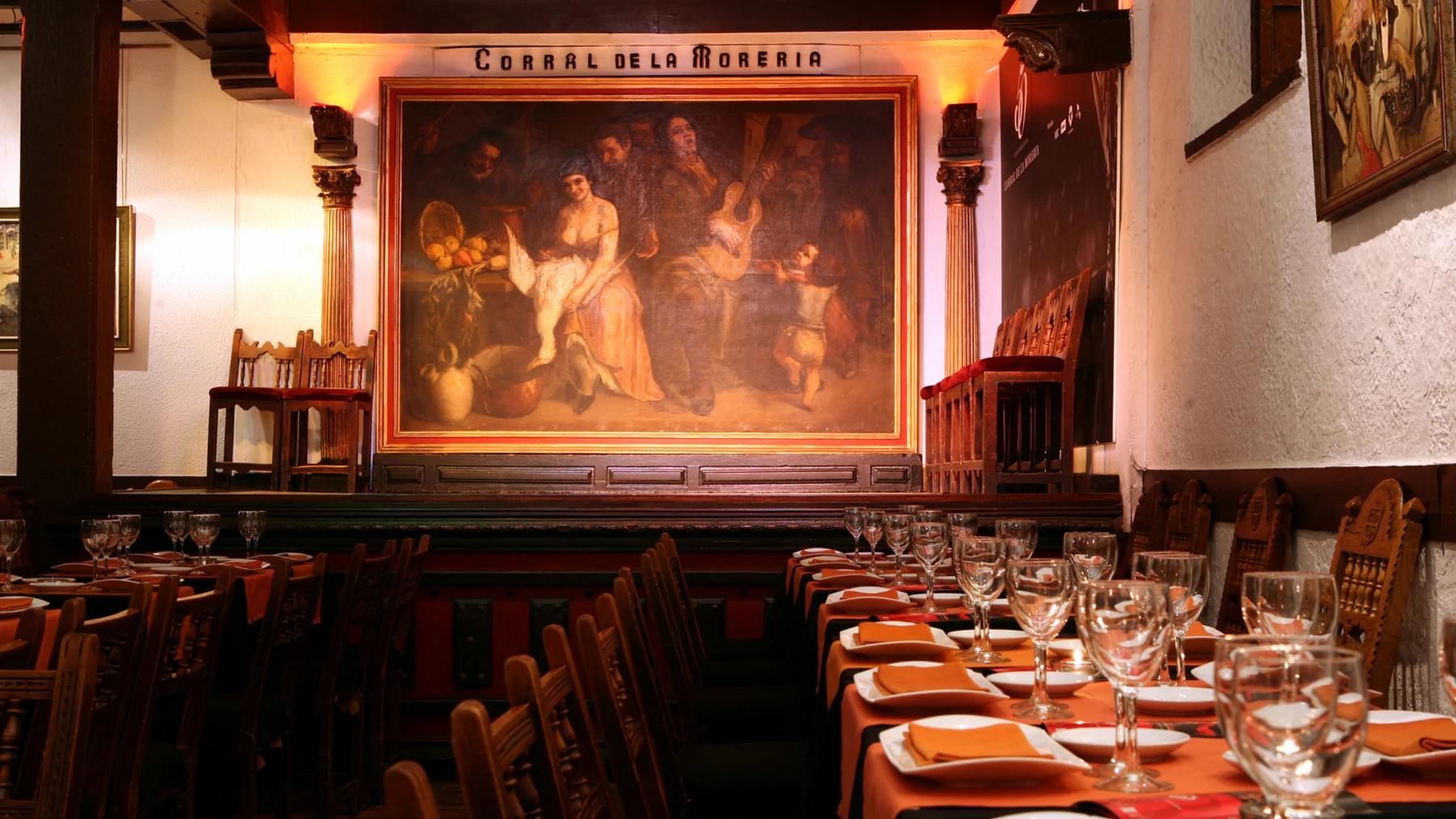
| Corral de la Morería | Modern Spanish Fine Dining with Flamenco | Madrid | Michelin 1 Star |
| Desde 1911 | Premium Seafood Fine Dining | Madrid | Michelin 1 Star |
| DiverXO | Avant-Garde Spanish Tasting Menu | Madrid | Michelin 3 Stars, World's 50 Best |
| DSTAgE | Avant-Garde Spanish Tasting Menus | Madrid | Michelin 2 Stars |
| Paco Roncero | Avant-Garde Spanish Fine Dining | Madrid | Michelin 2 Stars |
In residence
Similar places
Modern Spanish Fine Dining
Coque
Madrid, Spain
★★
Modern Spanish Fine Dining with Flamenco
Corral de la Morería
Madrid, Spain
★
Premium Seafood Fine Dining
Desde 1911
Madrid, Spain
★
Avant-Garde Spanish Tasting Menu
DiverXO
Madrid, Spain
★★★ · 50 Best
Avant-Garde Spanish Tasting Menus
DSTAgE
Madrid, Spain
★★
Avant-Garde Spanish Fine Dining
Paco Roncero
Madrid, Spain
★★