La Chapelle Saint-Martin
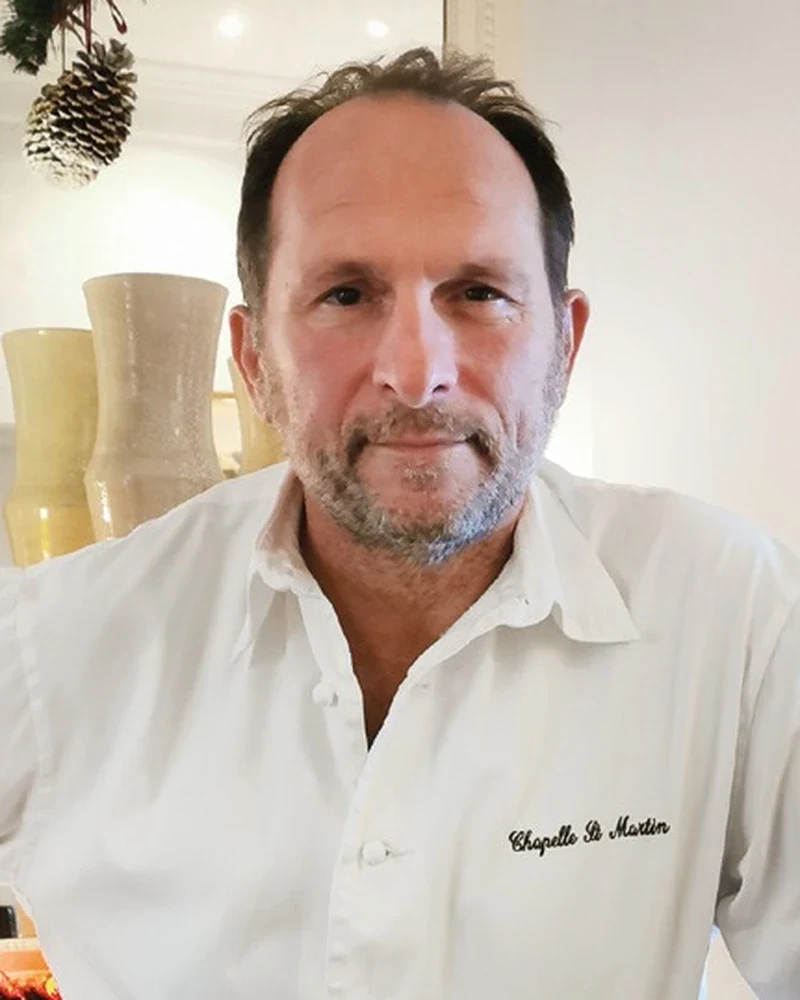
In Residence
Gilles Dudognon
Chef
- 01CuisineClassic French Michelin-Starred
- 02CityNieul, France
- 03RecognitionOne Michelin Star
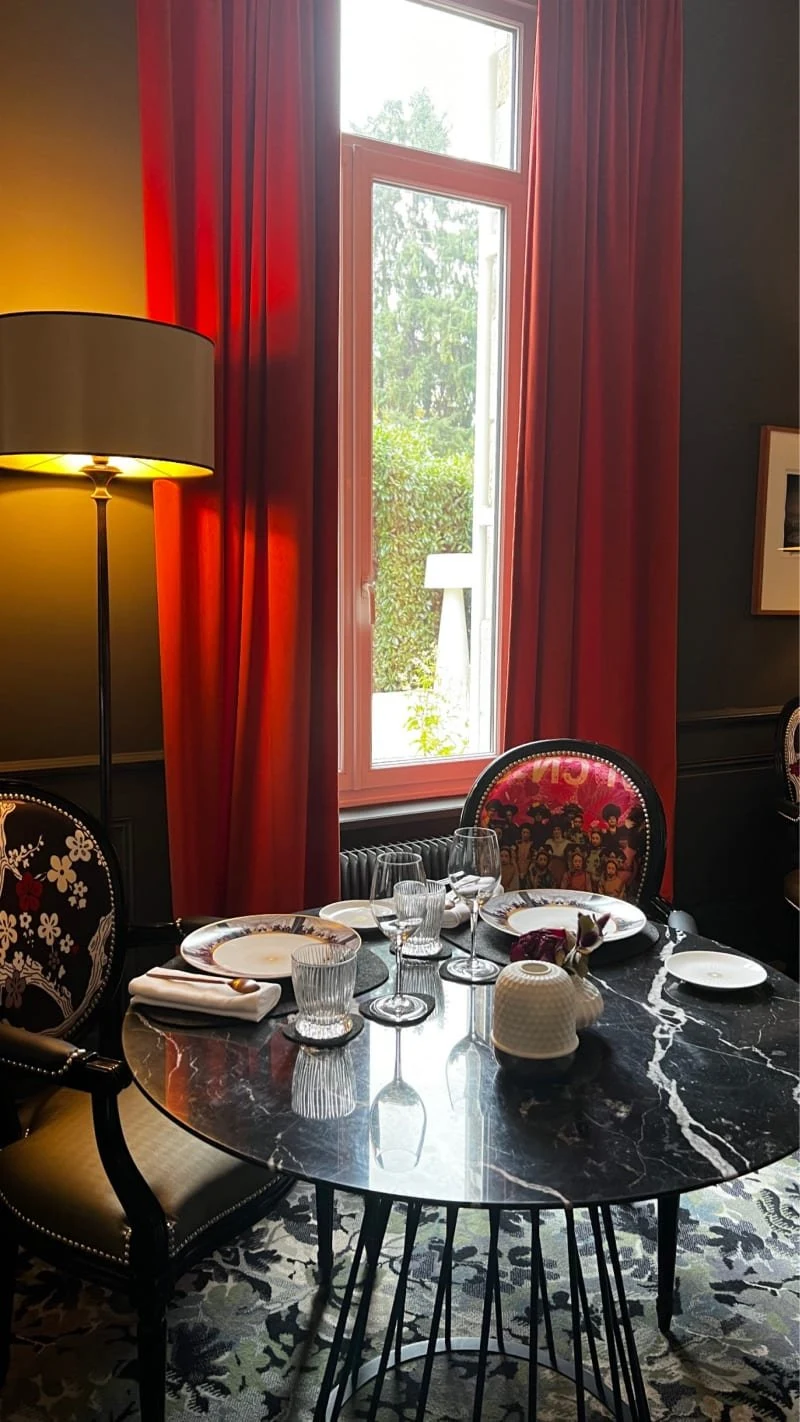
Classic French plates on Limousin ground
- 1 Michelin Star · Michelin Guide
- Michelin 1 Star · 2026
- Relais Chateaux Award · 2026
- Michelin 1 Star · 2025
- Relais Chateaux Award · 2025
- Michelin 1 Star · 2024
Control at a Limousin pass
The plate leaves the pass with its edges kept clean, the gesture as important as the garnish. Gilles Dudognon, chef and owner at La Chapelle Saint-Martin in Nieul, works within a classic French house where restraint has to carry through the room, the sauce, and the final lift of service. He took his first Michelin star at twenty-four, and the cooking he sets out is classic French with what he calls a sprinkle of inventiveness, which reads as balance rather than display. The house holds one Michelin star for its dining room, Le Saint-Martin, and the dining room asks for cooking that can meet that formality without losing the warmth of a country estate.
The kitchen language here is precision, contrast, and a clean finish, worked from Limousin material: Limousin veal, Cul Noir pork, and estate honey drawn from around 500,000 bees on the property. Dudognon runs the house with his partner Aude and his son Henri, so this is a family adventure rather than a rotating appointment, and the plates are sent out on Bernardaud porcelain. At La Chapelle Saint-Martin, that discipline meets a restaurant built around traditional French craft, local sourcing, and the slower tempo of a tasting menu or à la carte service, where the plate must answer to lineage, room, and product at once.
Classic cuisine on Limousin ground
The program works in the register of regional French cooking: Limousin veal, Cul Noir pork, Limousin beef, estate honey, garden vegetables, and bread with a crust that arrives before the larger declarations of the meal. The kitchen uses local products as more than a label; they set the weight and sequence of the menu. A tasting format allows the room to move by degrees, from shellfish or foie gras into meat, cheese, and dessert, with a wine program arranged to sit beside the food rather than interrupt it.
Numbers matter here because the place has them in its bones. The restaurant sits on an estate whose park is given as 40 hectares in the structured description of the house, while the broader property history reaches back through a building dated to 1550 and a chapel associated with 1798. Those figures do not cook the sauce, but they set the discipline around it. In a room like this, classic cuisine has to hold its nerve against stone, porcelain, old trees, and silence.
Four rooms, a terrace, and the quiet work
The room does not need volume to announce itself. La Chapelle Saint-Martin is described through elegant rooms, intimate lounges, and views across centuries-old trees and countryside; the restaurant also carries a large terrace for the same measured service in open air. Bernardaud porcelain connects the plate to the Limoges craft tradition close by, giving the pass another material to answer to before the dish reaches the table.
Service is formal, but the atmosphere is not stiff. The quieter details matter more: the pause before a course lands, the polished edge of a lounge, the way a tasting menu can slow a table without losing pace. The house belongs to the Relais & Châteaux register, yet the useful texture is bench-side and practical, a kitchen sending out classic French plates into rooms that look toward the Limousin countryside.
The estate as a working frame
La Chapelle Saint-Martin matters most when its separate crafts stay visible: cooking, porcelain, garden, cellar, room. The property’s estate honey and local meats keep the menu attached to Nieul, while the plate service links it to Limoges and the Arts of Fire. The kitchen sits inside that frame, where the next service is still measured by the pass, the porcelain, and the Limousin beef.
Questions
Frequently asked
Who cooks at La Chapelle Saint-Martin?
Gilles Dudognon is the chef and owner at La Chapelle Saint-Martin, and he runs the house with his partner Aude and his son Henri.
What kind of cooking does the restaurant serve?
The kitchen works in classic French cooking with a small touch of inventiveness, shaped by Limousin produce such as Limousin veal, Cul Noir pork, Limousin beef, estate honey, garden vegetables, shellfish, foie gras, cheese, and dessert.
What recognition does La Chapelle Saint-Martin hold?
The restaurant holds one Michelin star for its dining room, Le Saint-Martin.
What is the dining room like?
The house is described as having elegant rooms, intimate lounges, views across centuries-old trees and countryside, and a large terrace, with service that is formal but not stiff.
Do people need to book in advance?
Reservation is recommended.
The field
How it compares
| Place | Awards | Cuisine | Notes |
|---|---|---|---|
| La Chapelle Saint-Martin | Michelin 1 Star | Classic French Michelin-Starred | Nieul, $$$ |
| Coque | Michelin 2 Stars | Modern Spanish Fine Dining | Madrid |
| DiverXO | Michelin 3 Stars, World's 50 Best | Avant-Garde Spanish Tasting Menu | Madrid |
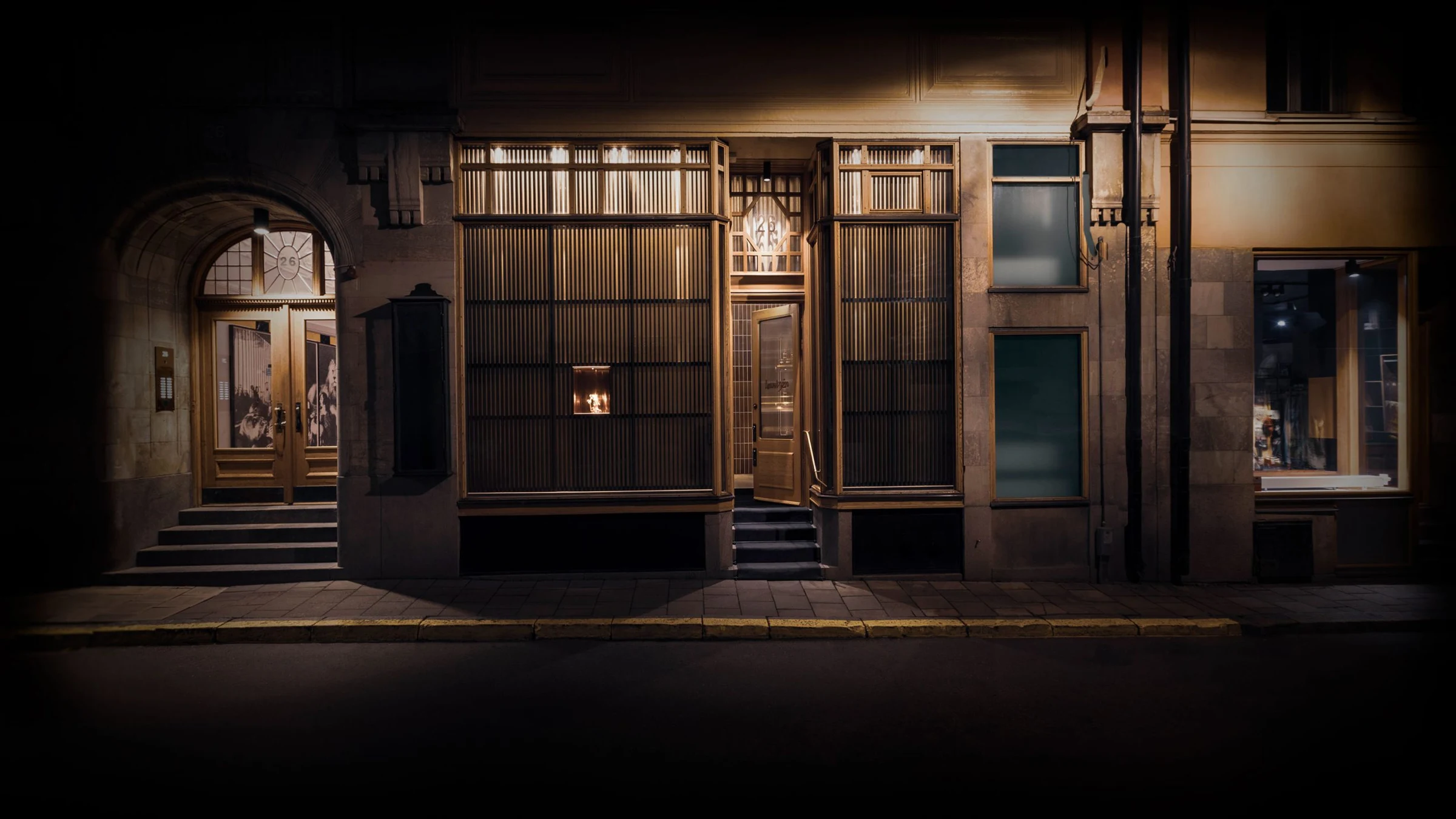
| Frantzén | Michelin 3 Stars, World's 50 Best | Modern Nordic Fusion with Japanese Influences | Stockholm |
| Myojaku | Michelin 3 Stars, World's 50 Best | Modern Minimalist Kaiseki | Tokyo |
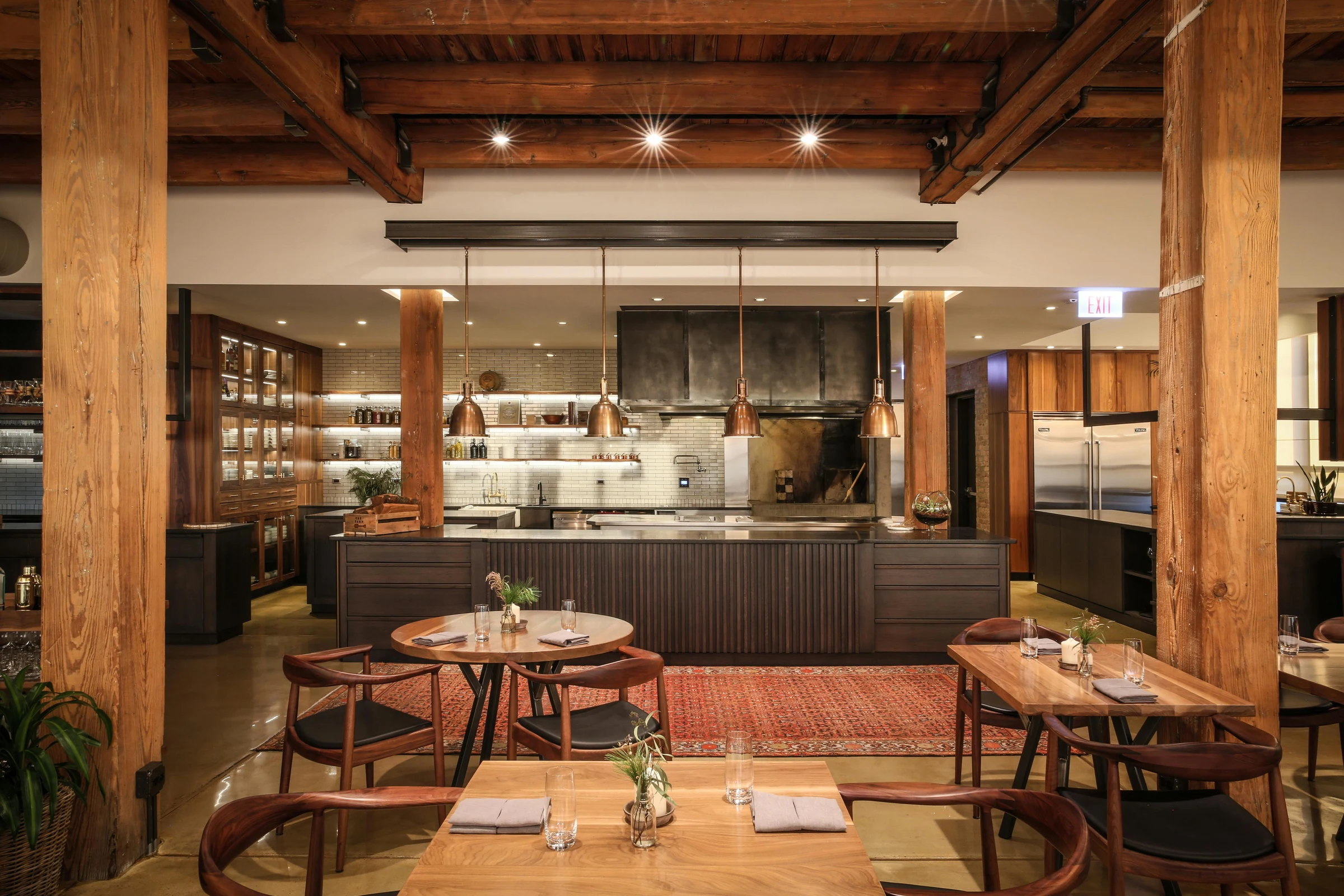
| Smyth | Michelin 3 Stars, World's 50 Best | Modern American Tasting Menu | Chicago |
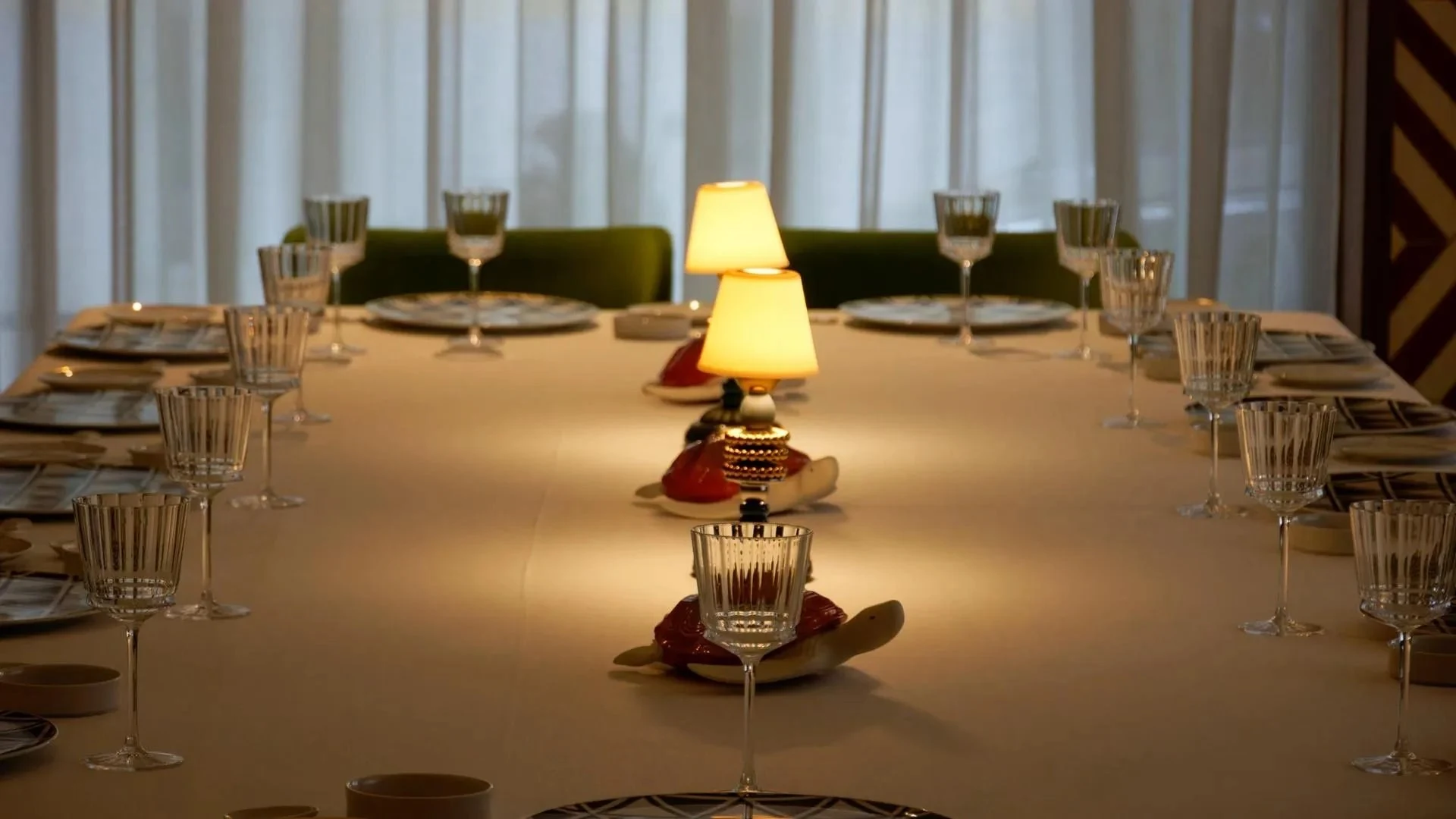
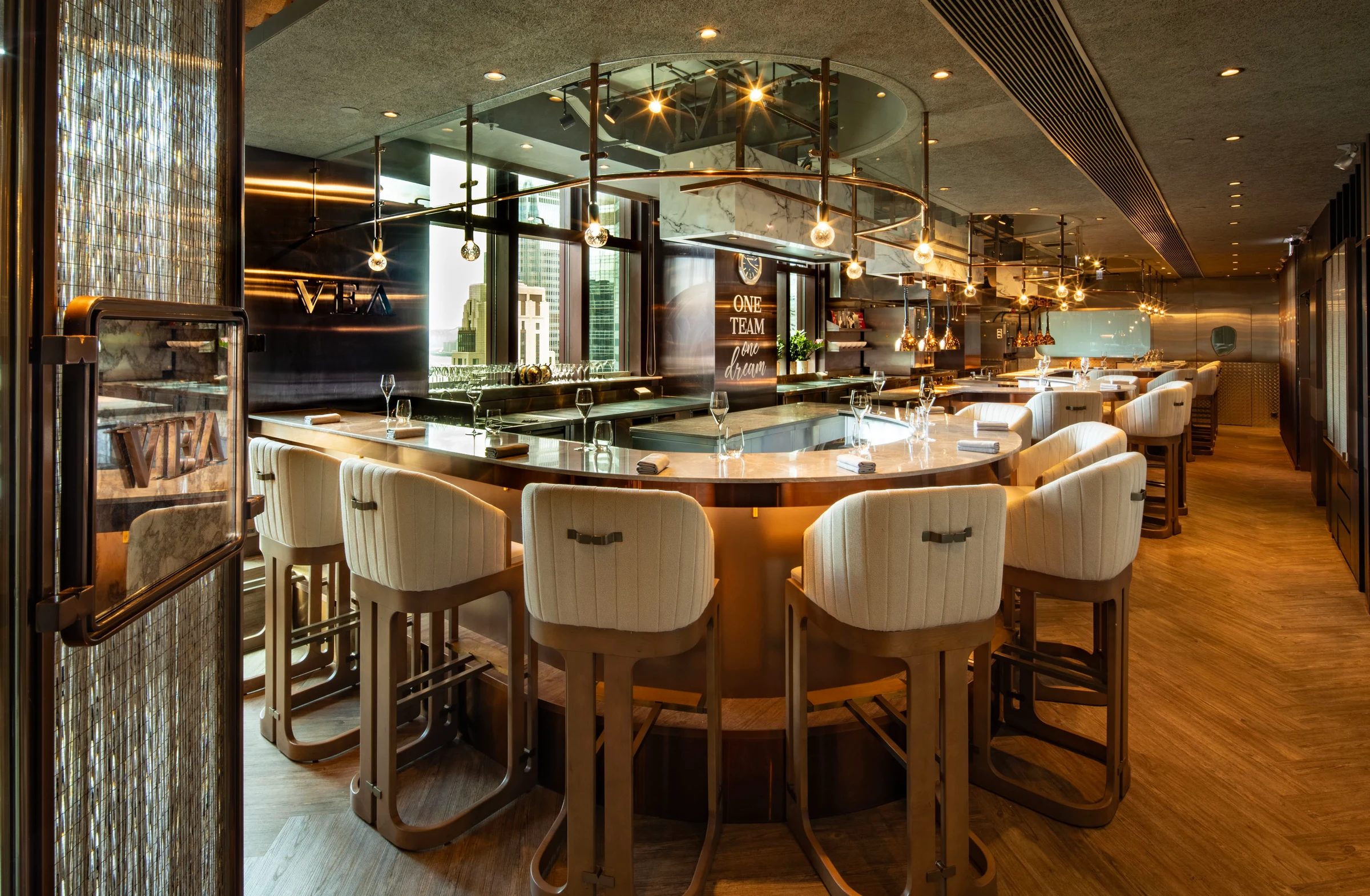
| Vea | Michelin 1 Star, World's 50 Best | Modern Chinese-French Fusion | Hong Kong |
In residence
Similar places
Modern Spanish Fine Dining
Coque
Madrid, Spain
★★
Avant-Garde Spanish Tasting Menu
DiverXO
Madrid, Spain
★★★ · 50 Best
Modern Nordic Fusion with Japanese Influences
Frantzén
Stockholm, Sweden
★★★ · 50 Best
Modern Minimalist Kaiseki
Myojaku
Tokyo, Japan
★★★ · 50 Best
Modern American Tasting Menu
Smyth
Chicago, United States
★★★ · 50 Best
Modern Chinese-French Fusion
Vea
Hong Kong, Hong Kong
★ · 50 Best