La Fiorita
- 01CityMontalcino, Italy
- Falstaff Winery - 3 Stars · 2026
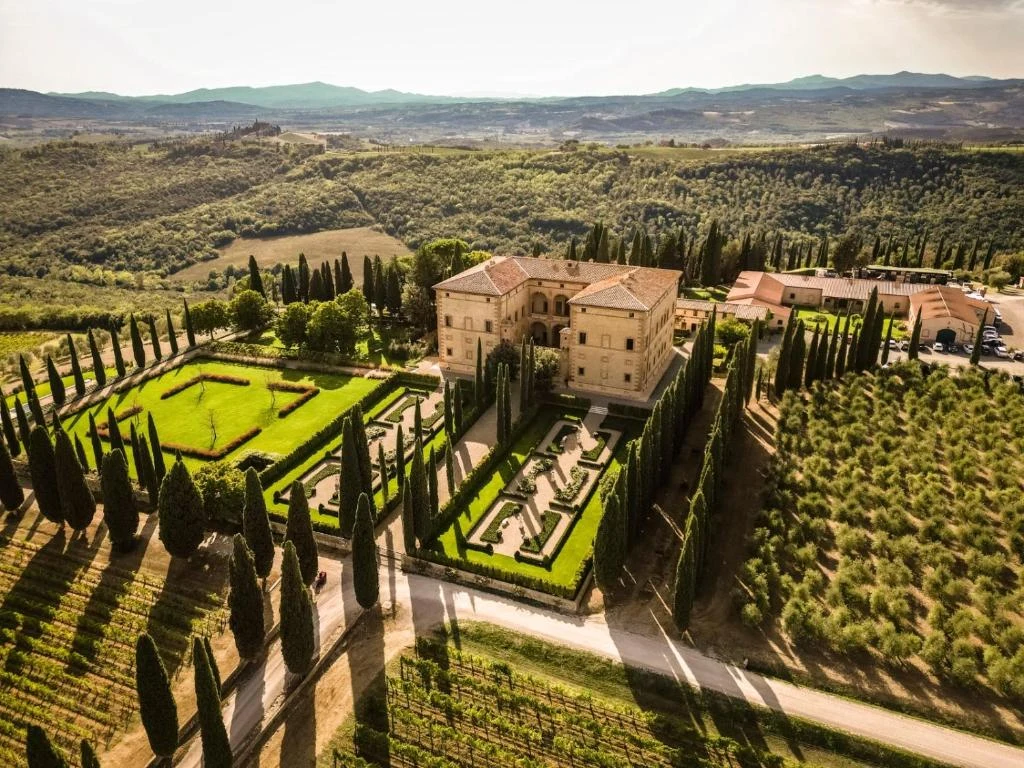
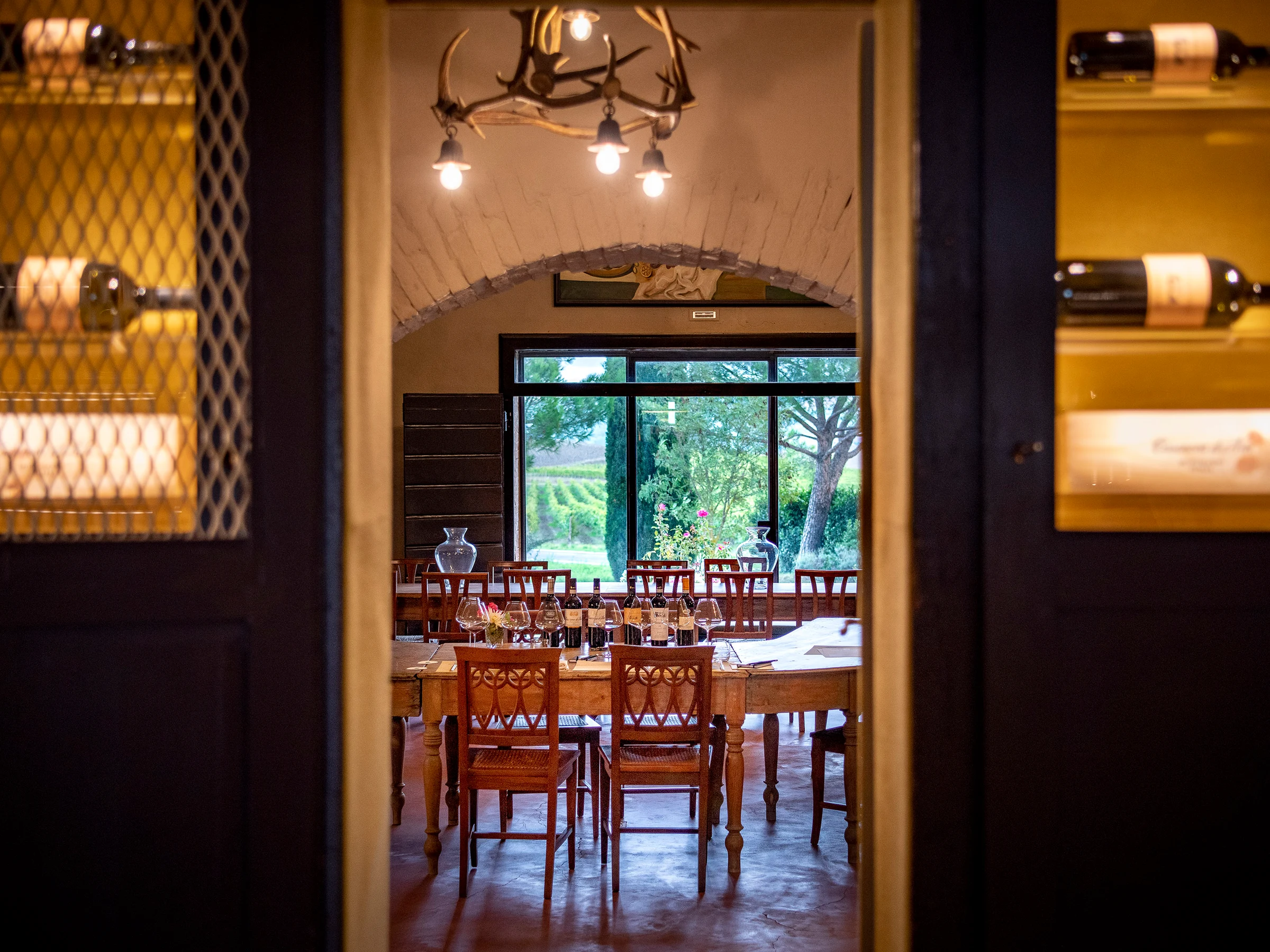
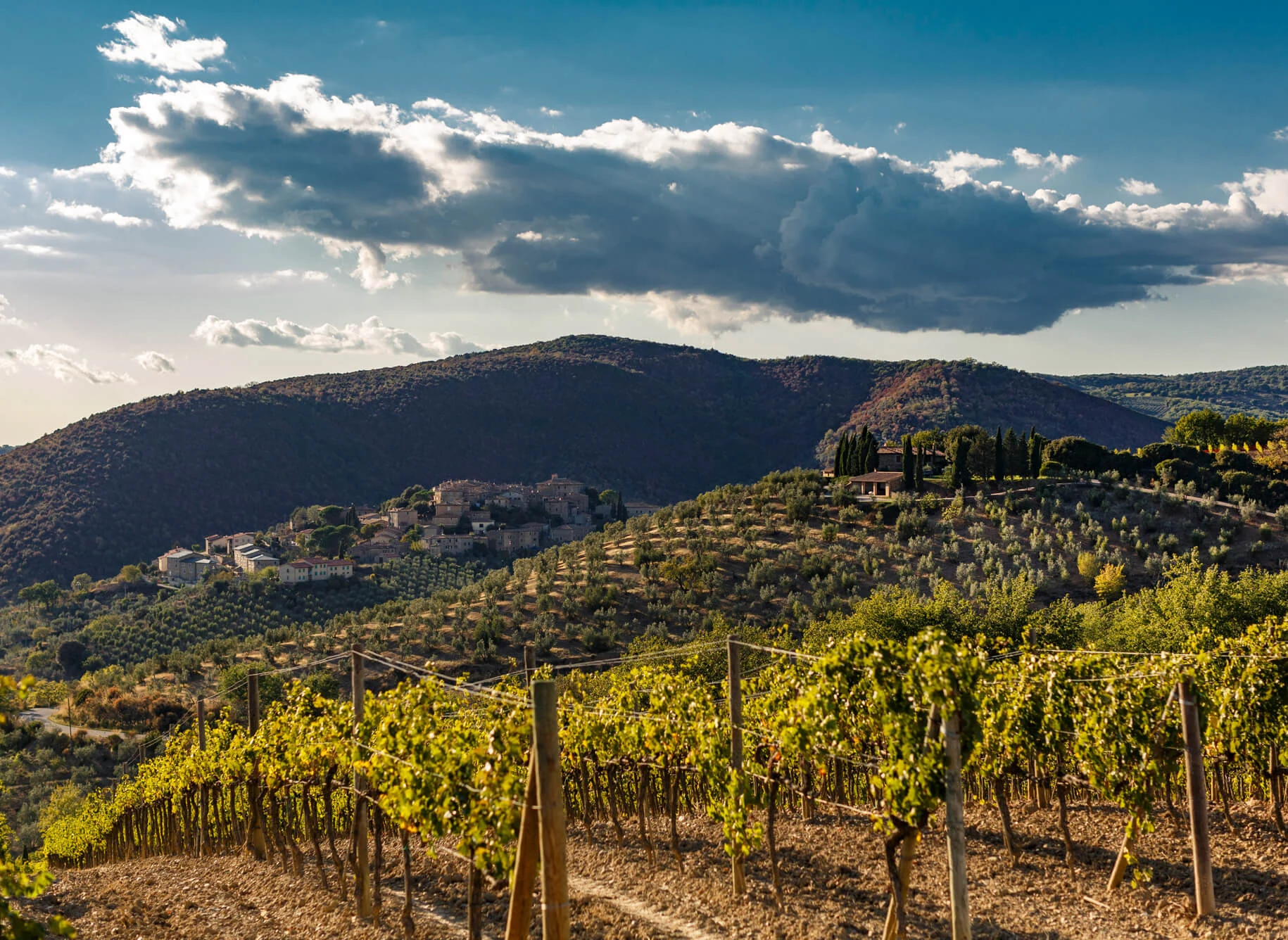
Approaching a serious Brunello estate in Montalcino is not about spectacle; the stronger cue is discipline. At La Fiorita, the defining visual is the modern two-level, gravity-fed cantina, an aesthetically designed production space that gives the visit a cellar-first feel. That matters, because the estate’s personality comes less from overt hospitality theatre and more from the way its working spaces communicate purpose. Concrete tanks, organic vineyards, and a quiet emphasis on terroir expression frame the estate’s identity, giving the impression of a property that wants its architecture and production choices to speak before anything else does.
La Fiorita fits the Montalcino conversation as a boutique Brunello estate focused on craftsmanship, vineyard expression, and a modern yet artisanal atmosphere rather than a broad lifestyle pitch. The experience, as presented, is tightly tied to Brunello identity: a compact set of cues that point toward seriousness, place, and controlled production rather than a sprawling visitor proposition.
Concrete tanks, gravity flow, and a cellar built around terroir
The cantina is the clearest statement of intent. Its two-level, gravity-fed design gives the estate a contemporary architectural identity while keeping the focus on wine production. The layout suggests a practical aesthetic: form is present, but it is anchored in the movement of wine through the cellar. The presence of concrete tanks reinforces the sense of a modern cellar that still reads as artisanal rather than industrial, with materials and design choices that support the estate’s stated emphasis on terroir expression.
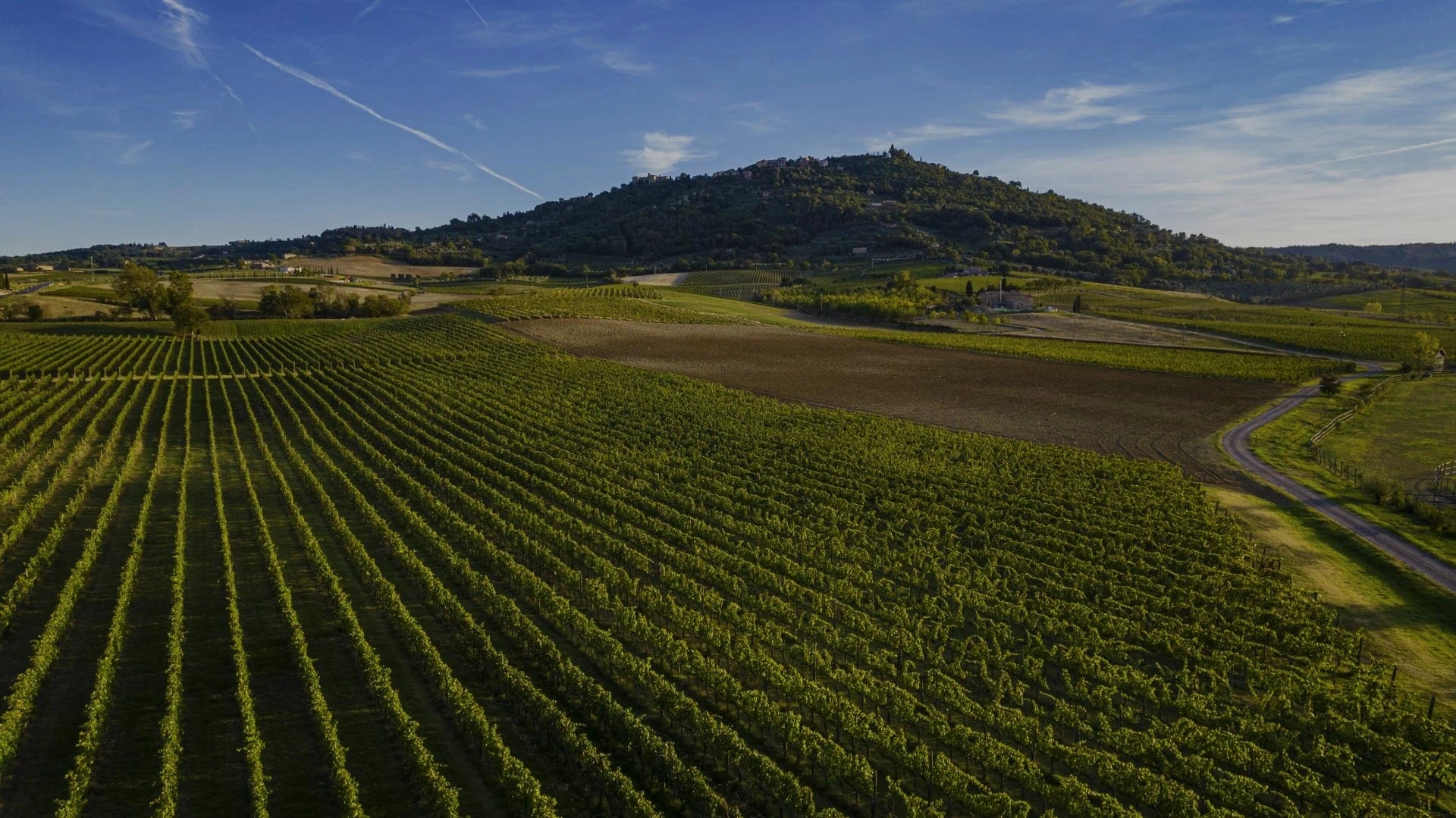
The most reliable way to understand La Fiorita is through that combination: organic vineyards, a gravity-fed cantina, concrete tanks, and an emphasis on terroir expression. Each element points in the same direction. The vineyards establish the agricultural foundation, the cellar design shapes the production narrative, and the concrete tanks add a tactile, contemporary note without pushing the estate into a purely technological register. Together, they create a profile that feels deliberate and restrained.
For visitors who care about why one Brunello estate differs from another, these are the relevant cues. La Fiorita’s appeal is not built on spectacle or a long list of amenities; it is built on the feel of a carefully designed Montalcino cantina and a stated focus on craftsmanship and place. In that sense, the estate is most compelling when approached through the details already visible in its identity: the way the cellar is arranged, the way production is foregrounded, and the way the language of terroir is allowed to remain central rather than decorative.
A Brunello estate with a production-first identity
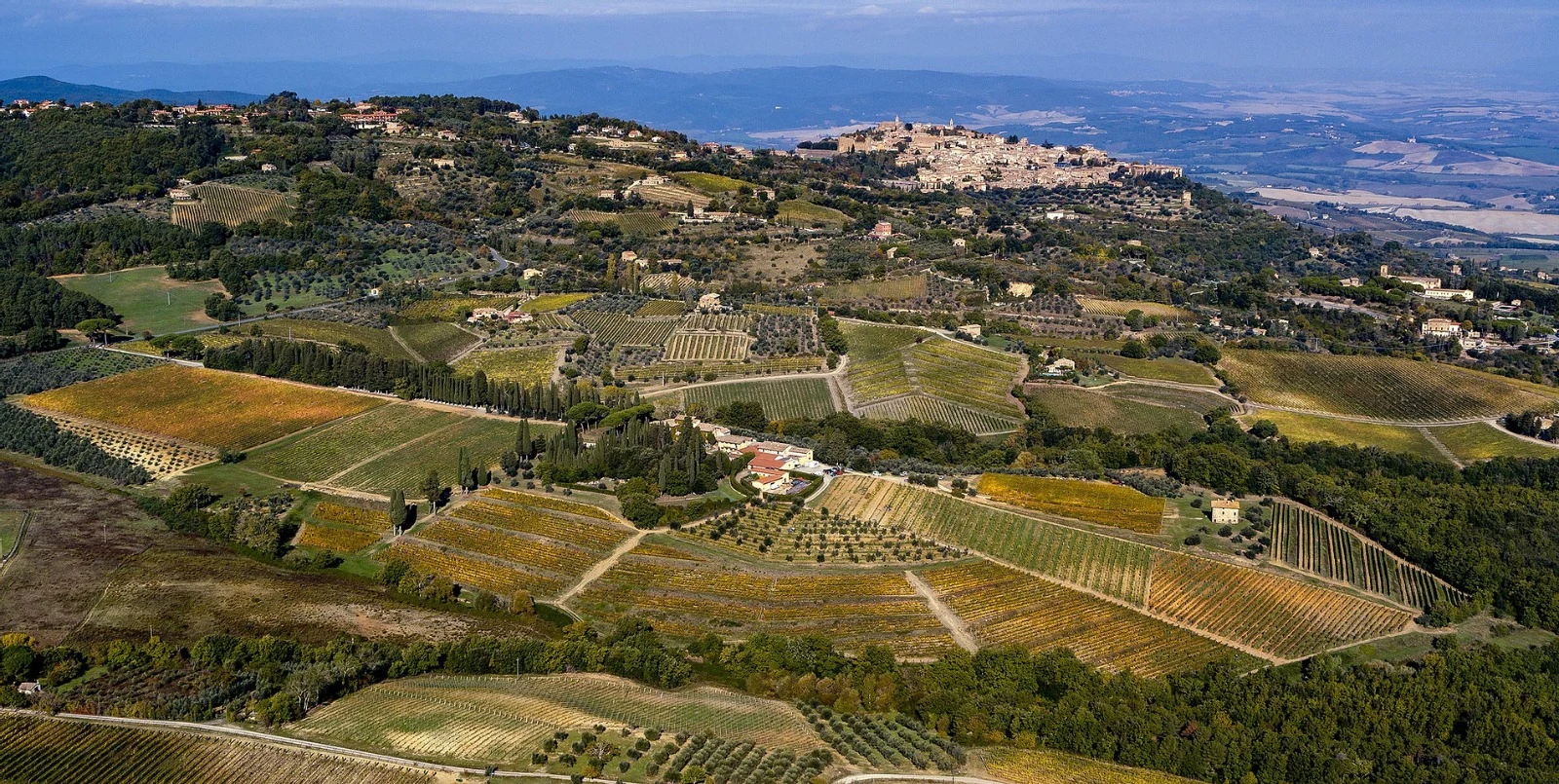
La Fiorita is best understood as a Montalcino Brunello estate rather than as a general Tuscan hospitality stop. The picture centers on organic vineyards, a two-level gravity-fed cantina, concrete tanks, and a modern yet artisanal atmosphere. Those details are enough to place the estate within a premium wine-travel itinerary without inventing a menu, tasting format, award history, or visitor schedule. The useful distinction is that La Fiorita’s identity is not dependent on surrounding extras; it stands on the clarity of its production environment and the discipline of its Brunello focus.
The estate’s positioning is especially relevant for travellers who want to see how a boutique Brunello property presents terroir expression through cellar design and vineyard-focused language. Rather than promising a generalized Tuscan experience, La Fiorita reads as a focused case study in how a smaller Brunello estate can communicate intent through architecture, farming language, and cellar materials. That makes it particularly suitable for travellers who are already interested in the structure and character of Montalcino wine estates.
For a broader stay, compare La Fiorita with other dining and wine experiences in Montalcino generically, using the estate as a focused Brunello reference point rather than a full-service hospitality anchor. It can help sharpen an itinerary precisely because its role is specific: it represents the production-led side of the region, where the interest lies in vineyard identity, cellar logic, and the atmosphere of a working wine estate.
Where it fits in a serious Italian wine itinerary
La Fiorita suits travellers who want a focused Brunello estate profile in Montalcino. The appeal is strongest for guests who follow production choices and atmosphere: organic vineyards, terroir expression, concrete tanks, a gravity-fed cantina, and a crafted modern cellar environment. Those details are not incidental; they are the vocabulary through which the estate presents itself. For a serious wine itinerary, that kind of clarity can be more useful than abundance, because it gives the visit a defined reason to exist within the wider Montalcino landscape.
It is less about confirmed visitor extras and more about understanding how a boutique Montalcino estate presents itself through design, craftsmanship, and Brunello identity. On that basis, La Fiorita can work as a concise, production-led stop within a larger Montalcino itinerary. It is best read as a place where the cellar, the vineyards, and the stated commitment to terroir expression form the core experience, offering a restrained but meaningful counterpoint to broader hospitality-driven stops in the area.
Questions
Frequently asked
How expensive is La Fiorita?
La Fiorita is listed at a price level of $$$$.
The field
How it compares
| Place | Notes | Awards |
|---|---|---|
| La Fiorita | $$$$ | · |
| Argiano | Montalcino | · |
| Azienda Agricola Casanova di Neri di Giacomo Neri | Montalcino | World's 50 Best |
| Biondi-Santi Tenuta Greppo | Montalcino | · |
| Castello Banfi | Montalcino | World's 50 Best |
| Poggio di Sotto | Montalcino | · |
| Valdicava | Montalcino | · |