La Fornace
- 01CityMontalcino, Italy
- Falstaff Winery - 3 Stars · 2026
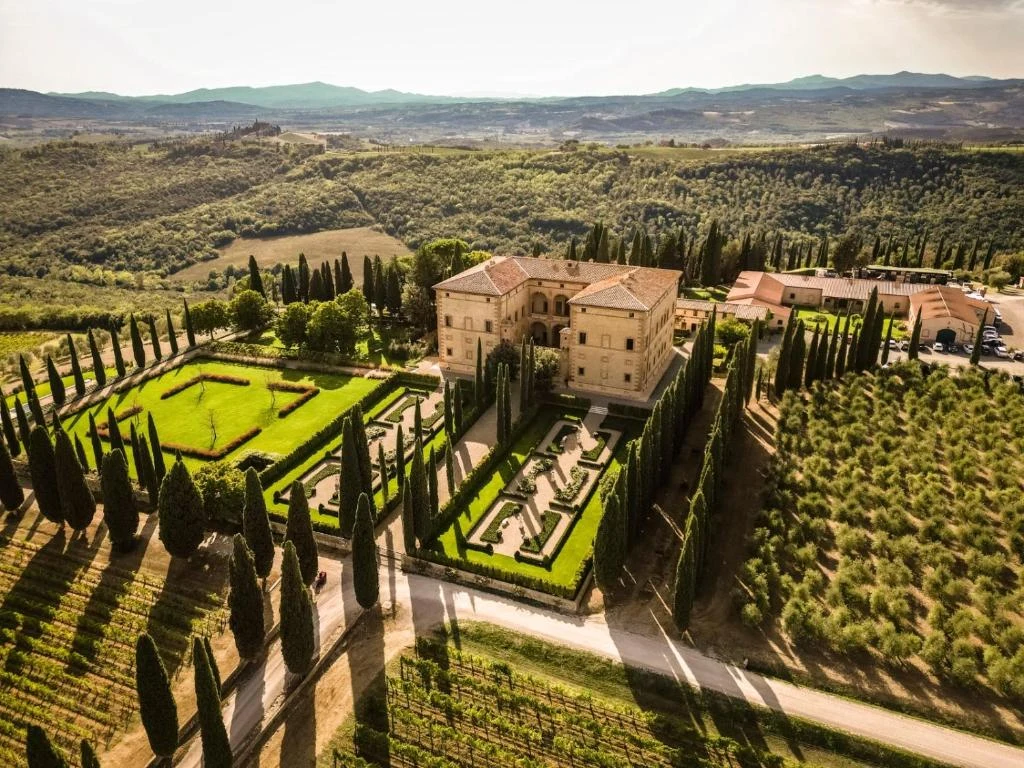
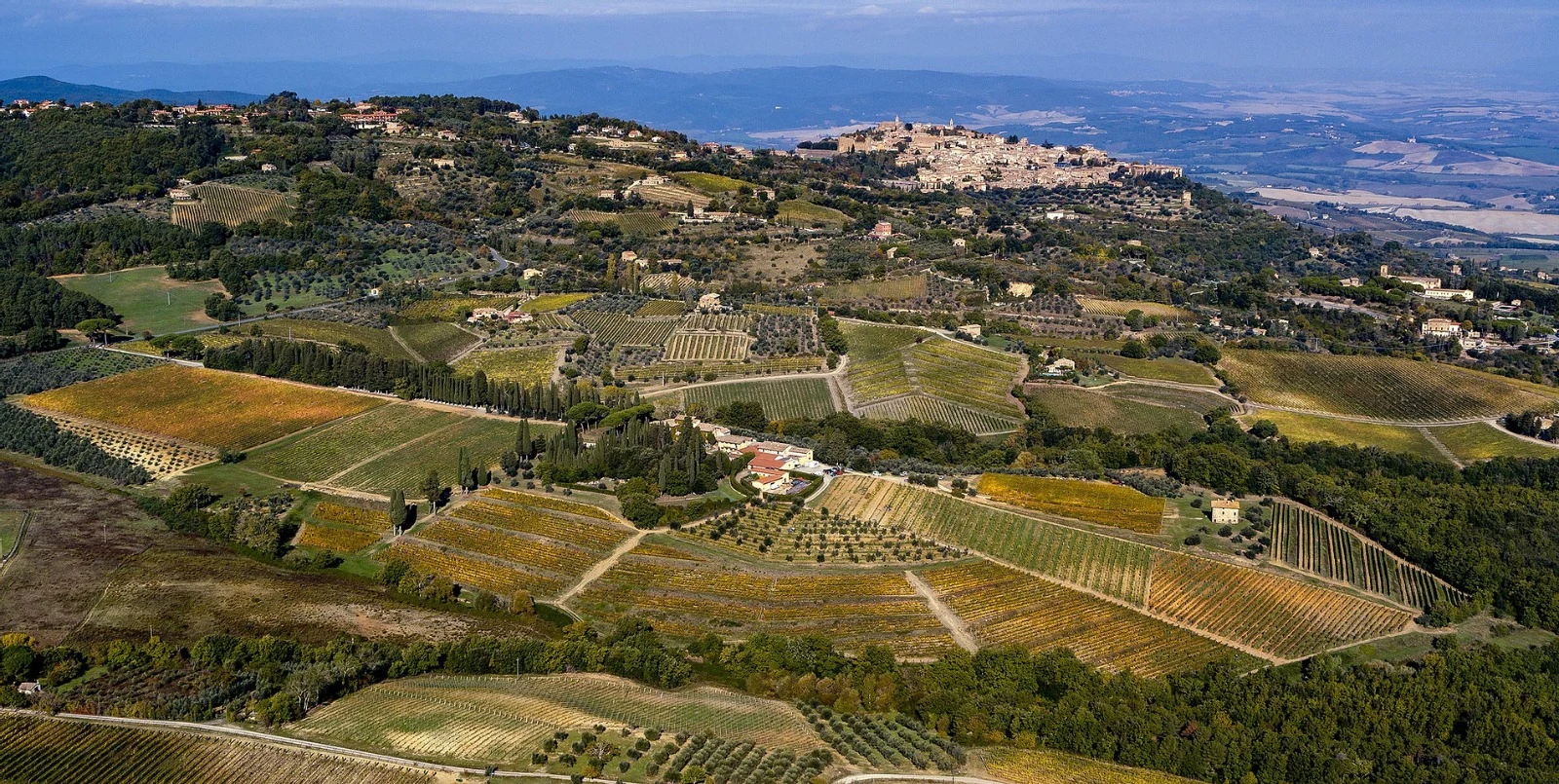
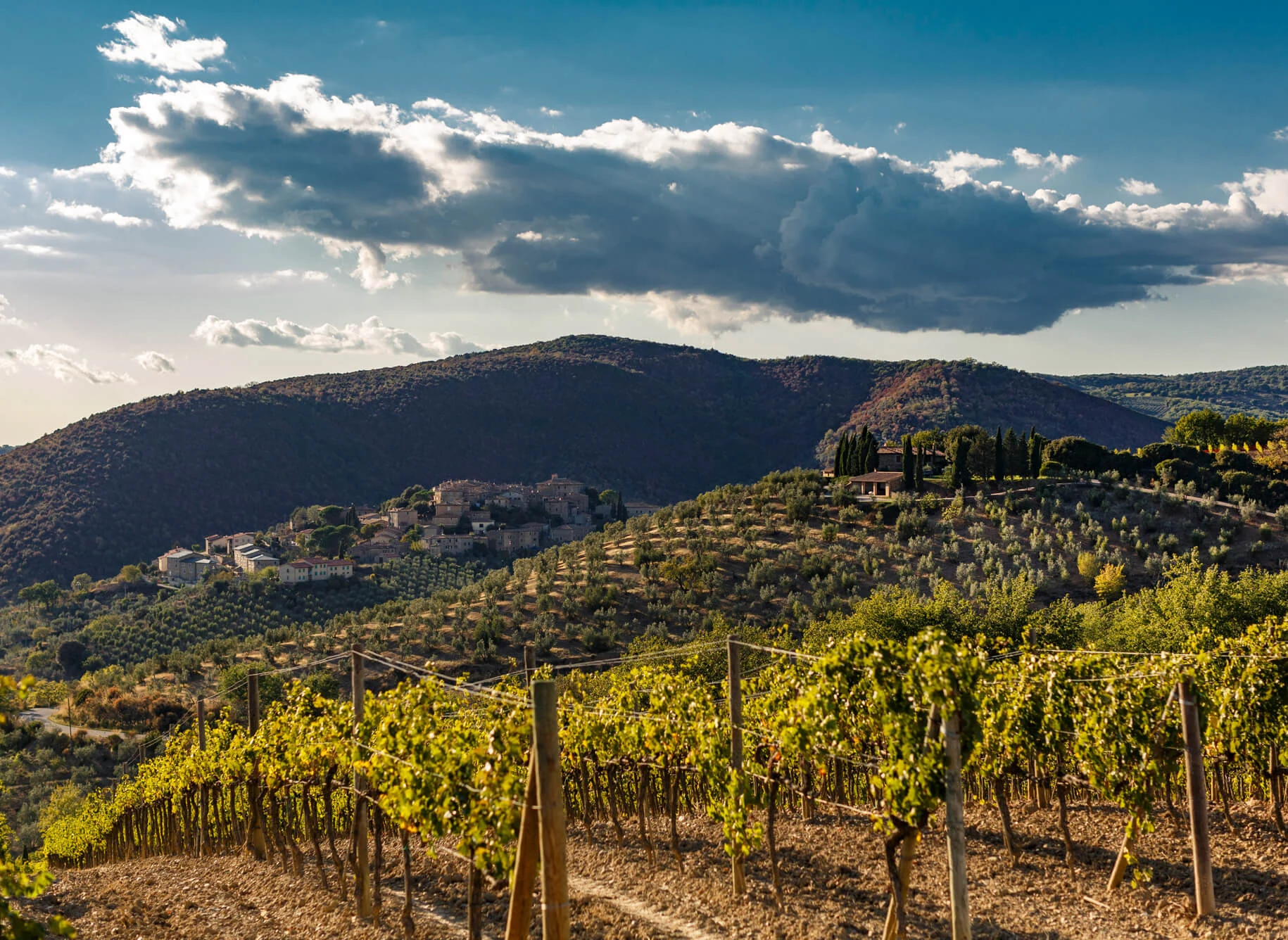
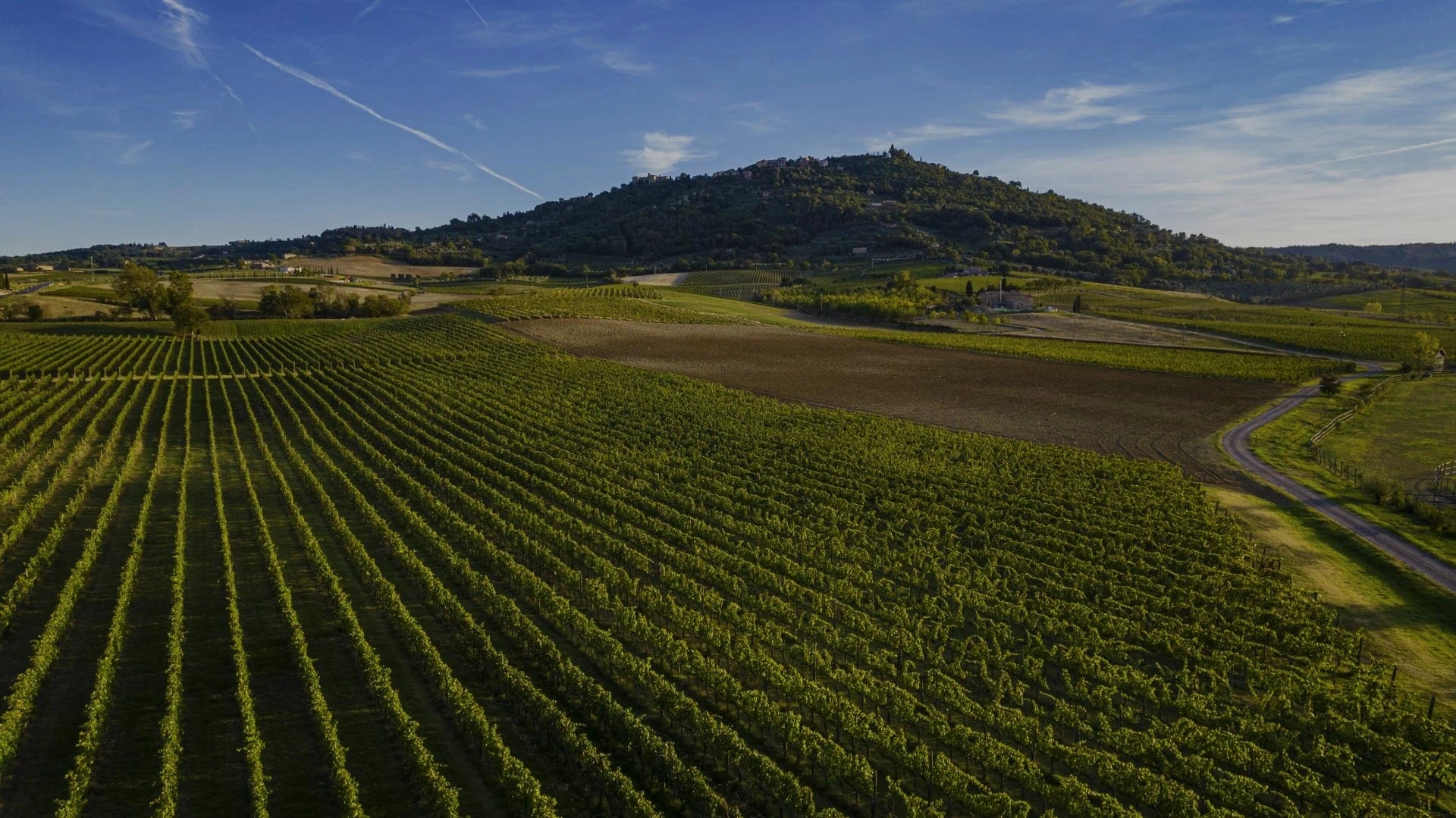
La Fornace in Montalcino is best understood through its setting: a small, family-run estate on a historic brick kiln site at about 400 m elevation. The picture is quiet and rural rather than polished or design-led, with a rustic countryside feel and an intimate, traditional Tuscan farmhouse atmosphere. In other words, the appeal begins with the place itself: its scale, its countryside position and the sense that it belongs to the surrounding Montalcino landscape rather than standing apart from it as a highly produced hospitality concept.
The strongest confirmed reason to place La Fornace on a Montalcino itinerary is its setting: scenic, classic and understated, with a sense of local history tied to the old kiln site. That history gives the venue a point of identity without needing to dress it up. For travellers who respond to rural texture, quiet surroundings and the character of a small estate, La Fornace reads as a gentle, atmospheric stop rather than a checklist-driven destination.
A rustic Montalcino estate setting
La Fornace’s character is described as small, family-run and traditional. The estate sits at about 400 m elevation in the Montalcino countryside, giving it a quieter feel than a more formal hospitality destination. Travellers looking for a refined architectural showcase should set expectations accordingly; the confirmed appeal here is rural atmosphere, not polished design. The countryside context matters, because it frames the experience as something rooted and low-key: a place to approach for its calm Tuscan setting, its modest scale and its sense of being part of the local terrain.
The historic brick kiln association is the key place-based detail. It gives the estate a grounded, local identity and helps explain the name and mood of the property without needing to overstate claims about production, service or awards. Rather than functioning as a decorative backstory, the old kiln connection is the detail that anchors the venue in place. It suggests a property whose character comes from continuity and setting, not from a newly manufactured sense of style.
That is why La Fornace is best read through restraint. The confirmed information does not support a portrait of a sleek, amenity-heavy venue, and it would be misleading to frame it that way. Its more credible strength is the combination of Montalcino countryside, elevation, small-estate intimacy and traditional rural mood. For the right visitor, those qualities can be more meaningful than a long list of services.
A farmhouse atmosphere rather than a design destination
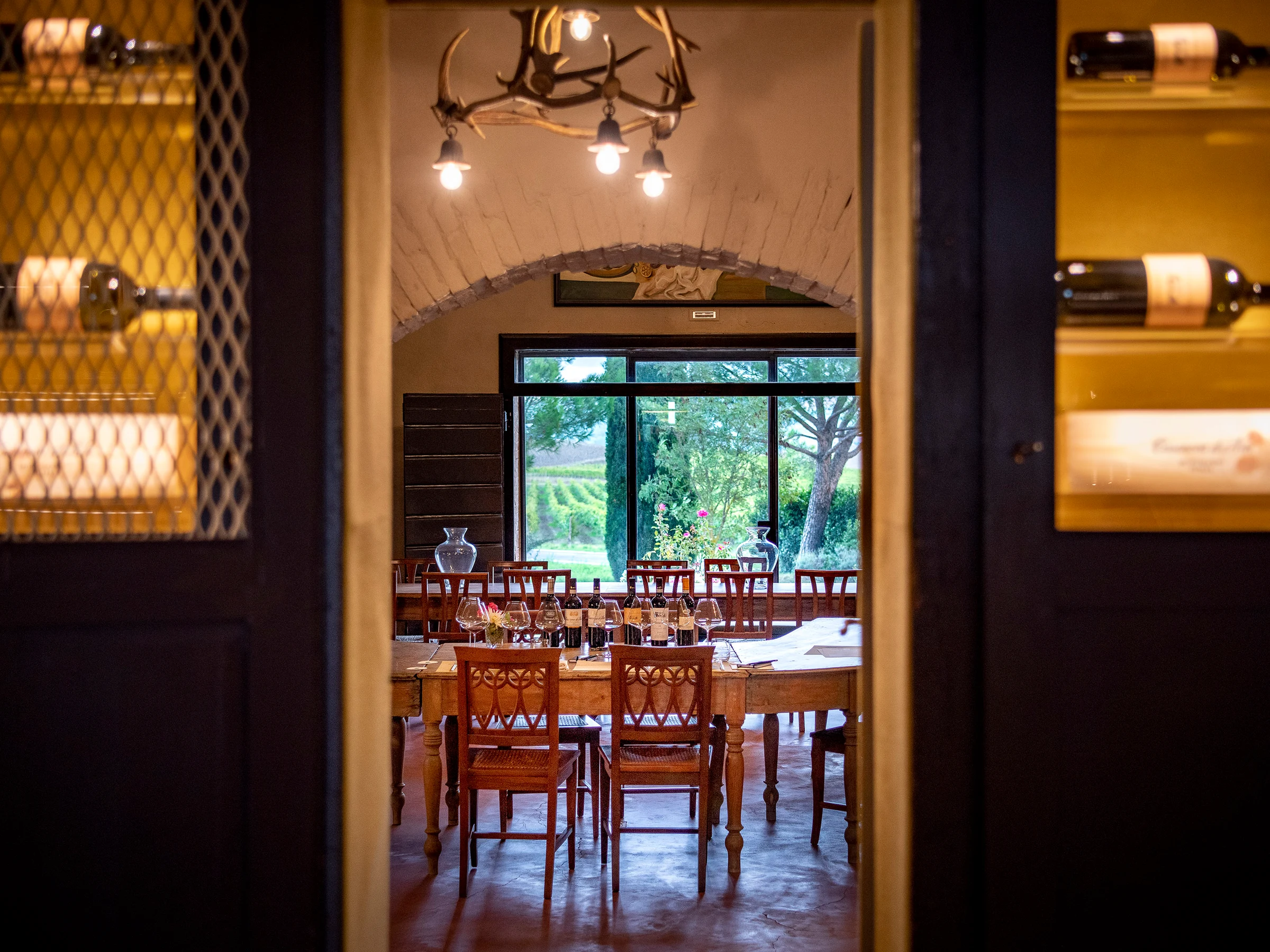
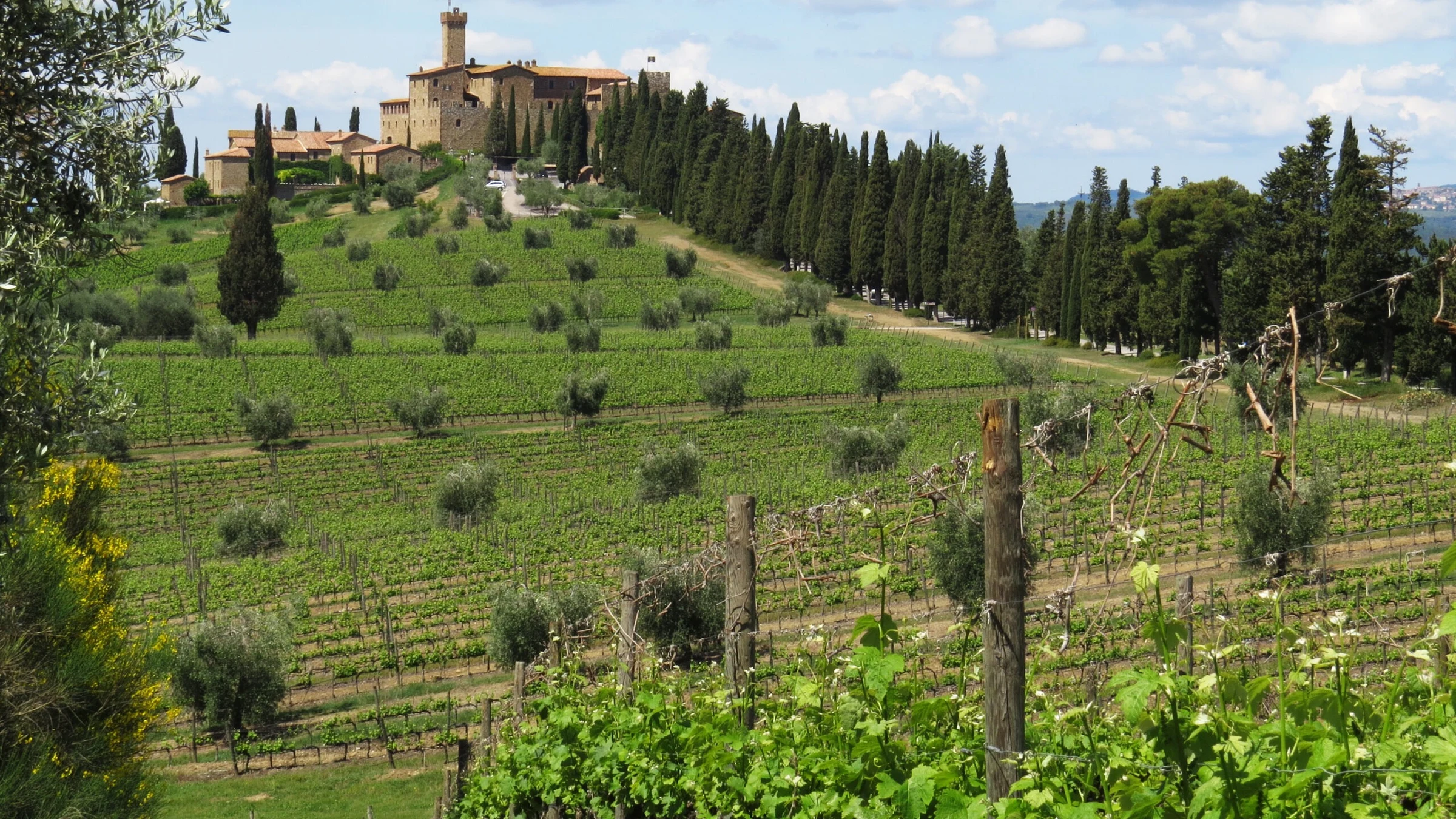
The description points to an intimate Tuscan farmhouse setting: rustic, scenic, classic and somewhat hidden in feel. That makes La Fornace a fit for visitors who prefer a slower countryside stop in Montalcino and who value atmosphere over a large-scale or highly staged experience. The word farmhouse is useful here because it sets the tone clearly: informal in spirit, traditional in character and more connected to rural Tuscan imagery than to contemporary design language.
This does not mean the venue should be romanticised beyond the confirmed facts. It simply means the available description supports a particular kind of expectation. Visitors should imagine a quiet estate environment with local character, not a venue defined by spectacle, elaborate presentation or a fully documented hospitality programme. The intimacy is part of the profile, but it is an intimacy of scale and atmosphere rather than a promise of any specific format.
Specifics such as food service, tasting structure, booking rules, languages, payment methods, vineyard details, bottle range and shipping options are not confirmed in the available data. Travellers should confirm any practical arrangements directly before planning around them. That caution is especially important in Montalcino, where many stops can vary widely in formality and availability. In the absence of confirmed operational details, La Fornace should be approached first as a place with a defined rural identity, and only secondarily as a practical stop once the current arrangements have been checked.
How to place it in a Montalcino itinerary
Use La Fornace as a quiet countryside reference point within Montalcino rather than as a venue defined by amenities. Its confirmed profile is intimate and rustic, with a family-run estate feel on a historic brick kiln site at elevation. That makes it most useful in an itinerary as a counterpoint to more formal or more clearly structured experiences, especially for travellers who want their time in Montalcino to include the softer, slower atmosphere of the surrounding countryside.
The price level is listed as $$$. Without adding unsupported detail, that is best treated simply as a general planning signal rather than a guarantee of what any particular visit will include. As with the practical details, travellers should verify current arrangements directly if price, format or inclusions will affect the day’s plans.
For broader planning, compare La Fornace with other dining, wine and hospitality options in Montalcino generically, while keeping the expectations here focused on its confirmed countryside setting and traditional Tuscan farmhouse character. It is not a venue to define by extras. Its clearest role is as a rustic, understated Montalcino estate with local history in its setting, a quiet rural mood and an appeal that comes from atmosphere rather than elaboration.
Questions
Frequently asked
How expensive is La Fornace?
La Fornace is listed at a price level of $$$.
The field
How it compares
| Place | Notes | Awards |
|---|---|---|
| La Fornace | Montalcino, $$$ | · |
| Argiano | Montalcino | · |
| Azienda Agricola Casanova di Neri di Giacomo Neri | Montalcino | World's 50 Best |
| Biondi-Santi Tenuta Greppo | Montalcino | · |
| Castello Banfi | Montalcino | World's 50 Best |
| Poggio di Sotto | Montalcino | · |
| Valdicava | Montalcino | · |