La Grange de Belle-Église
- 01CuisineTraditional French Gastronomic
- 02CityBelle-Église, France
- 03RecognitionOne Michelin Star
- 1 Michelin Star · Michelin Guide
- Michelin 1 Star · 2026
- Michelin 1 Star · 2025
- Michelin 1 Star · 2024
A Village Address With a Serious Kitchen
La Grange de Belle-Église is a one-star restaurant in Belle-Église, France, serving Traditional French Gastronomic cuisine under chef Stéphan Paroche. That relative anonymity is part of what makes La Grange de Belle-Église, on the Boulevard de Belle Église in the small commune of the same name, worth understanding on its own terms. Classic French cooking of the kind practiced here has largely migrated toward either grand urban institutions or the kind of marquee destination restaurants that command three-star pilgrimages.
The physical address reinforces that point. Belle-Église sits in a stretch of Picardy countryside where the built environment is low, quiet, and agricultural rather than architectural. Arriving at a former farm building, the name simply means "the barn", sets an expectation of rusticity that the kitchen then confounds. That friction between setting and ambition is, in practice, a reliable signal of culinary seriousness. The most rigorous cooking in France has always had a provincial streak: Auberge de l'Ill in Illhaeusern, Auberge du Vieux Puits in Fontjoncouse, and Bras in Laguiole all operate at significant remove from metropolitan supply chains and metropolitan audiences, yet each holds serious star recognition. La Grange de Belle-Église belongs to that broader pattern.
Chef Stéphan Paroche and the Classic Cuisine Register
Cuisine type is listed as Classic Cuisine, a designation that carries real meaning in the Michelin framework. It signals a kitchen oriented toward technique, continuity, and the French culinary canon rather than toward the experimental or concept-driven formats that now dominate the guide's higher registers. In Paris, the classic mode appears at addresses like Maison Rostang, where the vocabulary of sauces, composed plates, and precisely sourced proteins remains central. At the international level, Paul Bocuse's Auberge du Pont de Collonges remains the canonical reference for what Classic Cuisine means at its most codified. Chef Stéphan Paroche, working in Belle-Église, operates in that same tradition, though at a price point (€€€) that positions the restaurant a tier below the grand Parisian institutions carrying the same label.
Chef Stéphan Paroche anchors the kitchen, and his approach tells you something concrete about what arrives on the plate. In the Classic Cuisine category, where the techniques are codified and the reference points are shared, the question is always about execution rather than invention. Paroche's Michelin recognition confirms that the execution meets a standard the inspectors return to verify. That kind of durability in a rural one-star is harder to sustain than urban equivalents: the kitchen cannot rely on passing trade, and the audience must be motivated enough to drive or take a regional connection from Paris.
For context on where classic ambition scales upward from this register, Assiette Champenoise in Reims represents what the northeast of France looks like at the two- and three-star level in a similarly non-Parisian context. The comparison is useful because Reims, unlike Belle-Église, has sufficient destination gravity of its own; La Grange de Belle-Église relies more completely on its kitchen to generate the journey.
Where This Fits in the French Classic Dining Map
French classic cooking has bifurcated sharply over the past decade. At the very leading end, creativity has become the prerequisite for three-star retention: Alléno Paris au Pavillon Ledoyen and Mirazur in Menton sit in a tier where the classical foundation is present but the innovation layer is what drives recognition. At the other extreme, there is a large body of bistronomy and neo-bistro cooking that borrows classic technique but operates at a lower price register. The middle band, where classic method is applied rigorously, without creative departure, at a serious price point, is where one-star provincial kitchens like La Grange de Belle-Église sit. It is a narrower field than it was twenty years ago, which is part of why consistent Michelin retention in this category carries meaningful signal.
The Google review profile reinforces the Michelin signal: a 4.7 rating across 552 reviews is statistically significant. At this sample size, the score reflects consistent performance over time rather than a spike from a single cohort of enthusiasts. For a village restaurant in a department not known for dining tourism, that volume of reviews also indicates a broader draw than purely local regulars.
Comparison kitchens working in a similar classic mode elsewhere in France include Au Crocodile in Strasbourg and, at a different geographic remove, Flocons de Sel in Megève, which operates at a higher price tier and with an alpine context that gives it a different competitive set. Troisgros in Ouches represents what the long evolution of a classic French kitchen looks like across generations. Against those reference points, La Grange de Belle-Église is leading read as a kitchen of real precision operating at a more accessible price point, in a setting that demands the kind of deliberate visit that separates an occasional meal from a considered one.
For those travelling further afield to compare French classic cooking in a southern register, AM par Alexandre Mazzia in Marseille shows what happens when classic foundations are pushed toward a more personal interpretive style, while KOMU in Munich offers a useful cross-border comparison for how Classic Cuisine translates outside France entirely.
Planning the Visit
La Grange de Belle-Église is a destination meal that requires deliberate routing in Belle-Église, France. The address at 28 Bd de Belle Église, 60540 Belle-Église, France, places it in the Oise department of the Hauts-de-France region. The €€€ price range positions it above the bistronomy tier but below the grand Parisian three-star houses, making it a meaningful evening for the kind of traveller who treats a Michelin-starred meal as the primary purpose of a short excursion rather than a secondary activity within a larger itinerary.
Reservations are recommended.
Questions
Frequently asked
What recognition does La Grange de Belle-Église hold?
La Grange de Belle-Église holds 1 Michelin star.
How expensive is La Grange de Belle-Église?
La Grange de Belle-Église is listed at a price level of $$$.
Where is La Grange de Belle-Église and what does it serve?
La Grange de Belle-Église is in Belle-Église, Belle-Église, serving Traditional French Gastronomic.
The field
How it compares
| Place | Awards | Cuisine | Notes |
|---|---|---|---|
| La Grange de Belle-Église | Michelin 1 Star | Traditional French Gastronomic | Belle-Église, $$$ |
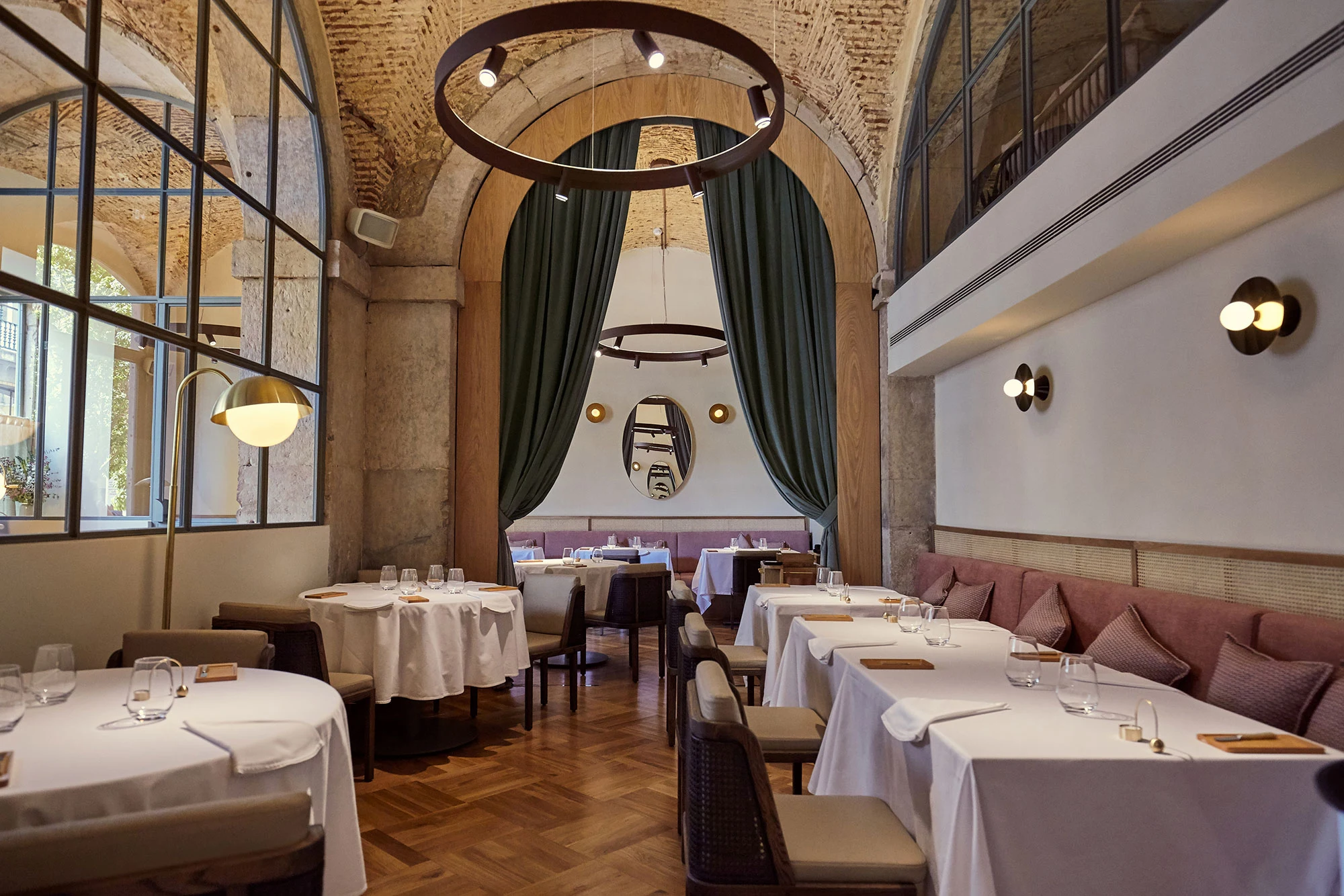
| Belcanto | Michelin 2 Stars, World's 50 Best | Contemporary Portuguese Fine Dining | Lisbon |
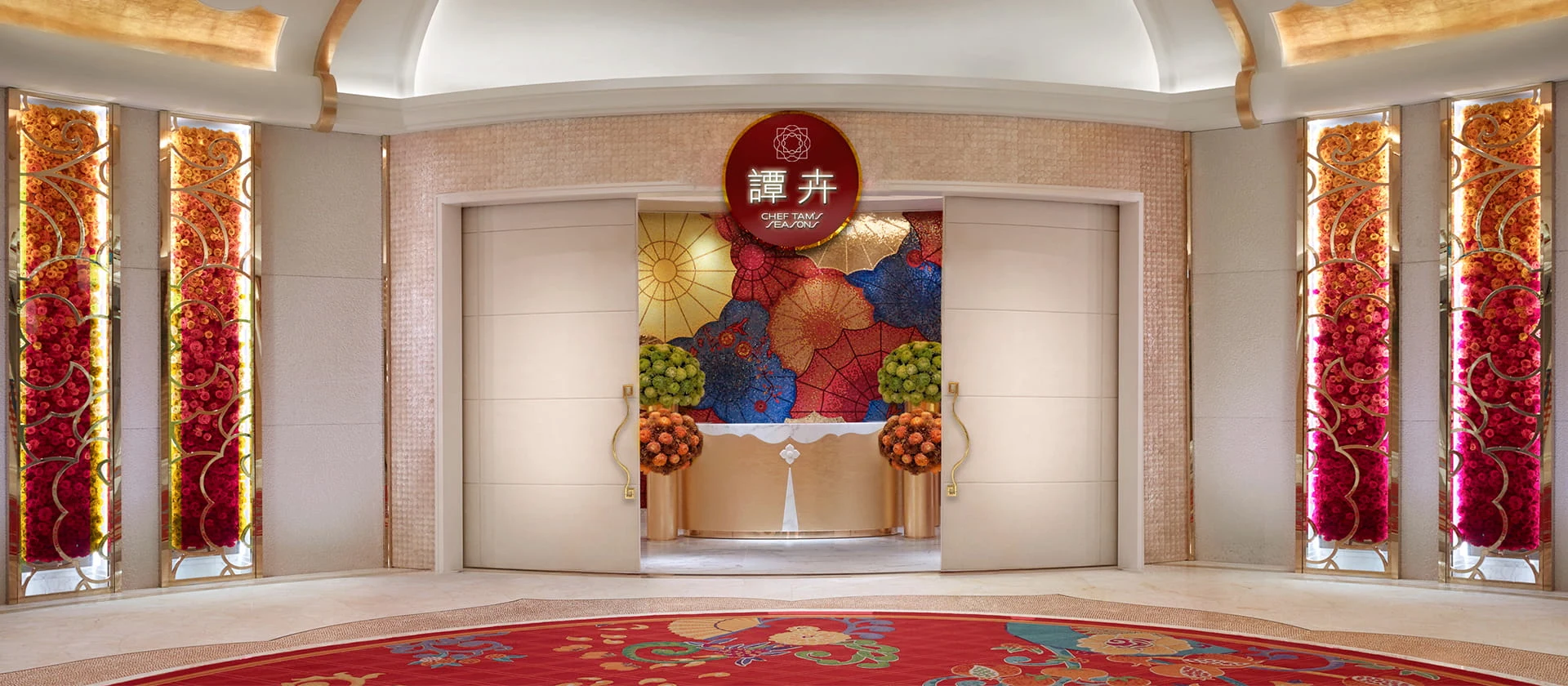
| Chef Tam's Seasons | Michelin 2 Stars, World's 50 Best | Modern Cantonese Fine Dining | Macau |
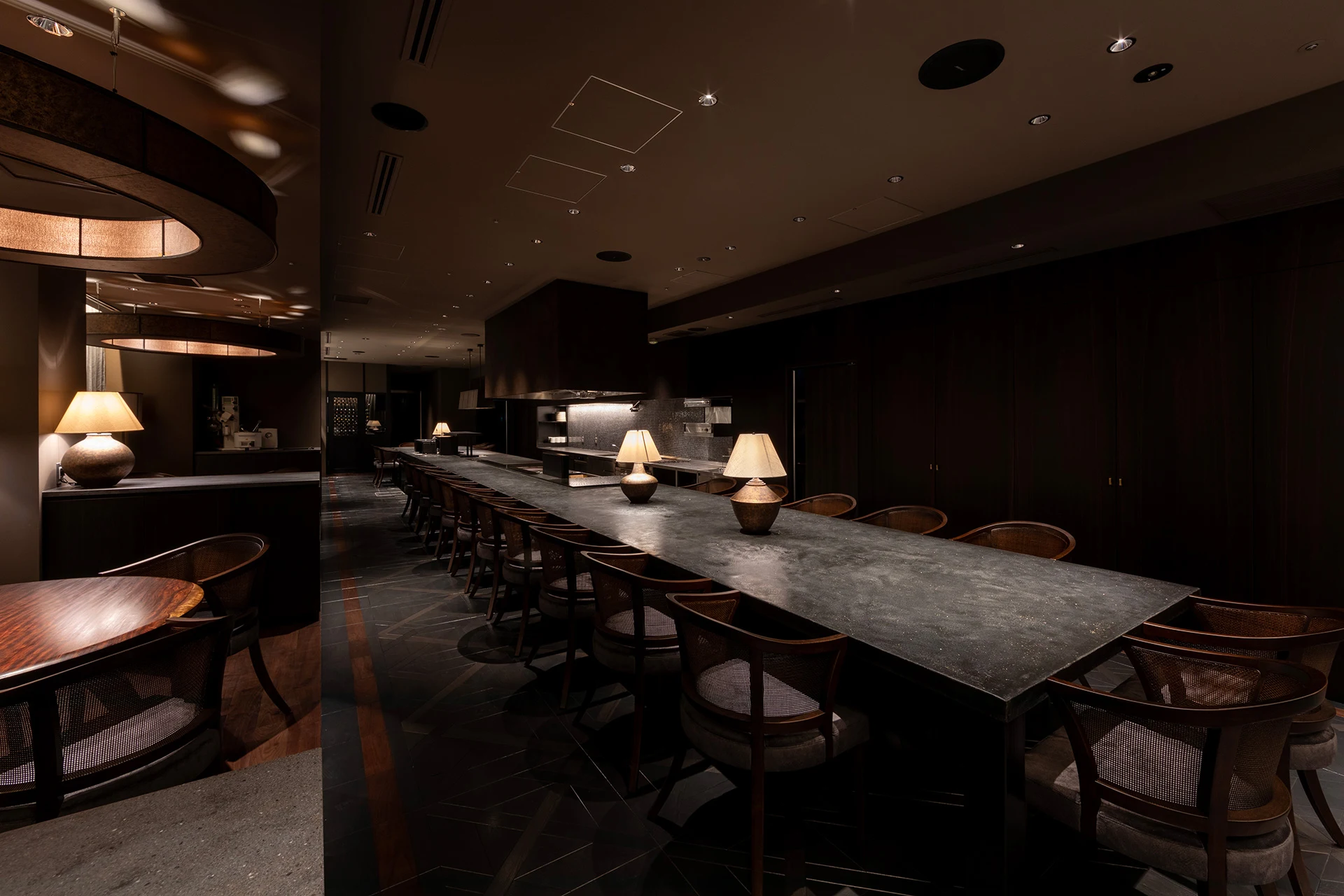
| Florilège | Michelin 2 Stars, World's 50 Best | Modern French-Japanese Plant-Based Fine Dining | Tokyo |
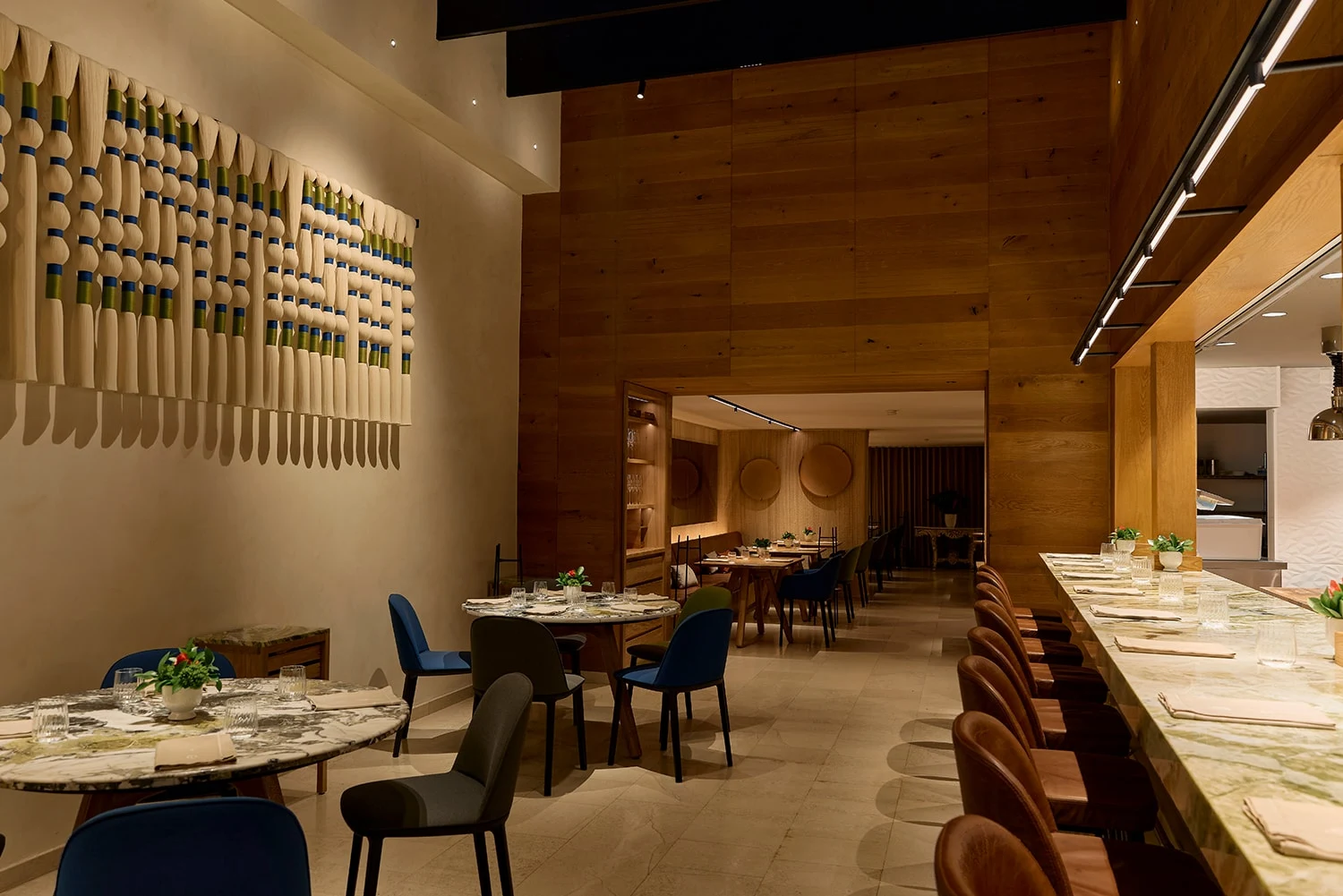
| Quintonil | Michelin 2 Stars, World's 50 Best | Modern Mexican Fine Dining | Mexico City |
| The Modern | Michelin 2 Stars | Contemporary American Fine Dining | New York City |
| WING Restaurant | World's 50 Best | Modern Chinese Fine Dining | Hong Kong |
Similar places
Contemporary Portuguese Fine Dining
Belcanto
Lisbon, Portugal
★★ · 50 Best
Modern Cantonese Fine Dining
Chef Tam's Seasons
Macau, Macau
★★ · 50 Best
Modern French-Japanese Plant-Based Fine Dining
Florilège
Tokyo, Japan
★★ · 50 Best
Modern Mexican Fine Dining
Quintonil
Mexico City, Mexico
★★ · 50 Best
Contemporary American Fine Dining
The Modern
New York City, United States
★★
Modern Chinese Fine Dining
WING Restaurant
Hong Kong, Hong Kong
50 Best