La Melina - Scopetone
- 01CityMontalcino, Italy

- Falstaff Winery - 2 Stars · 2026
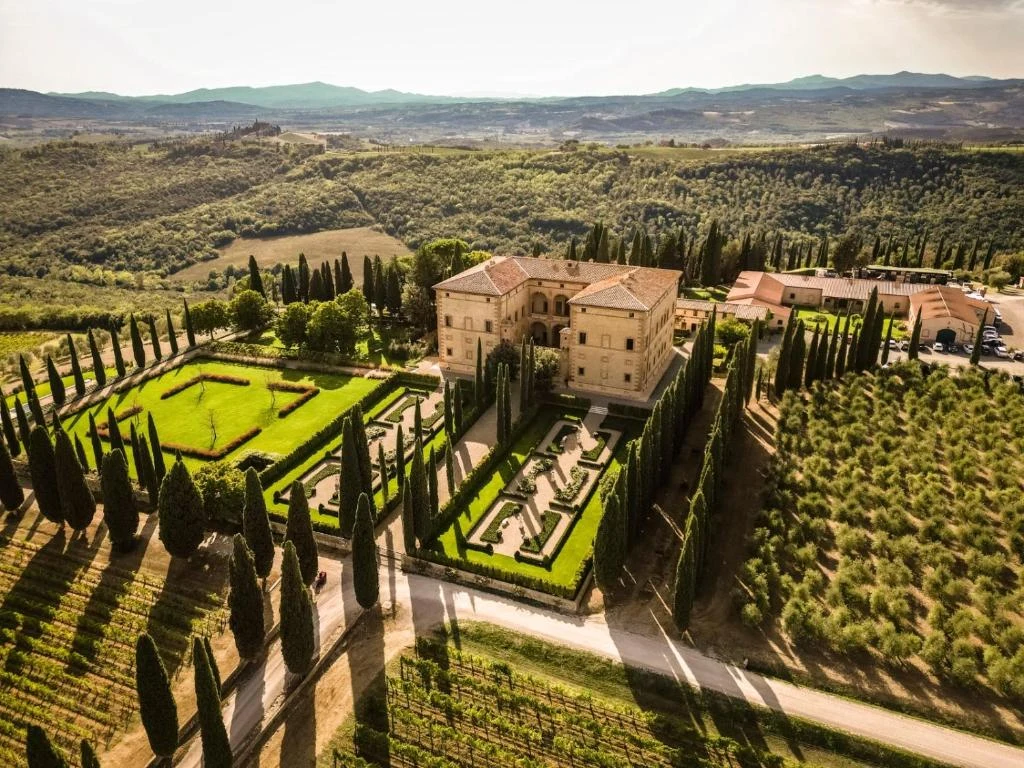
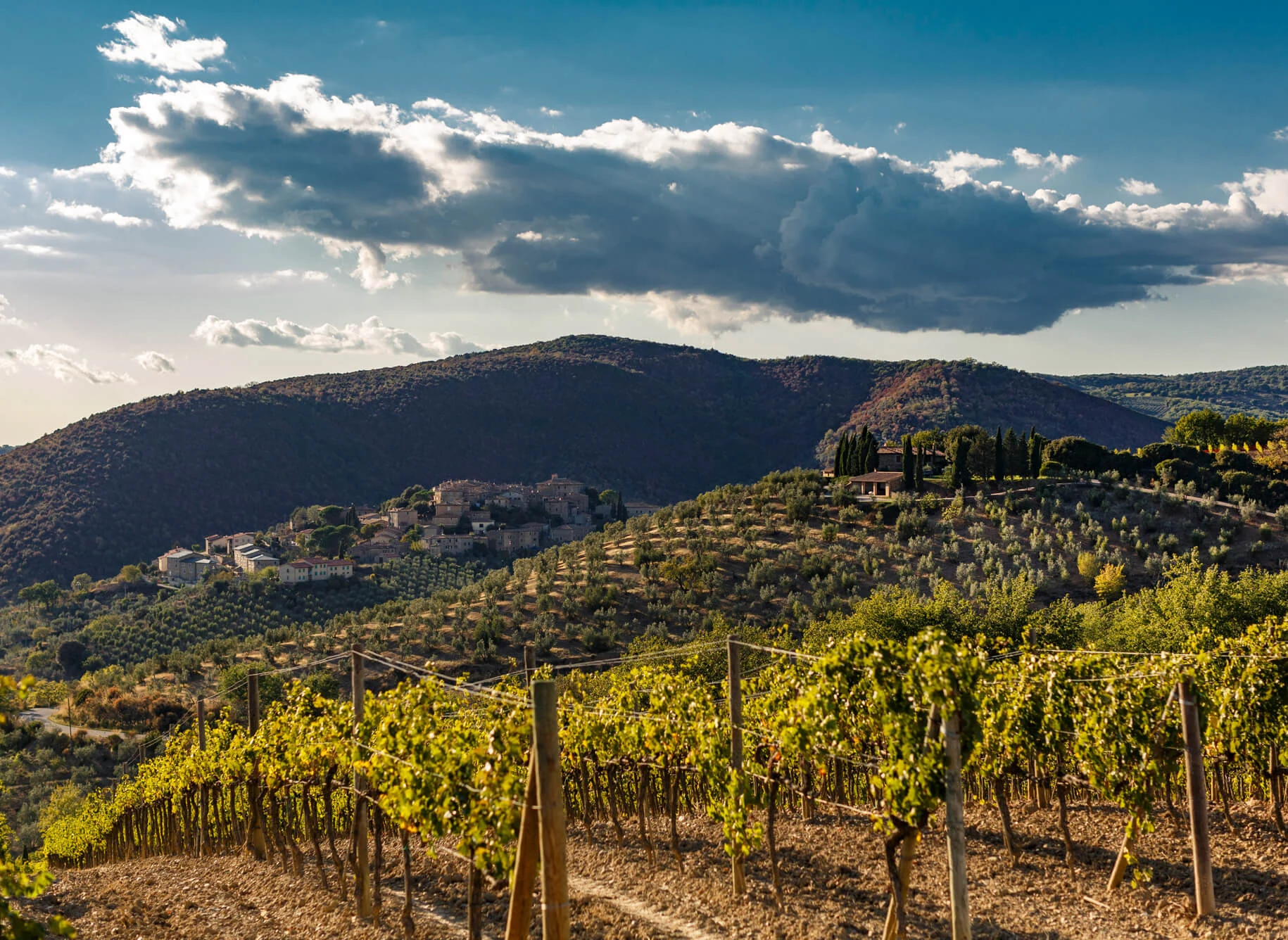
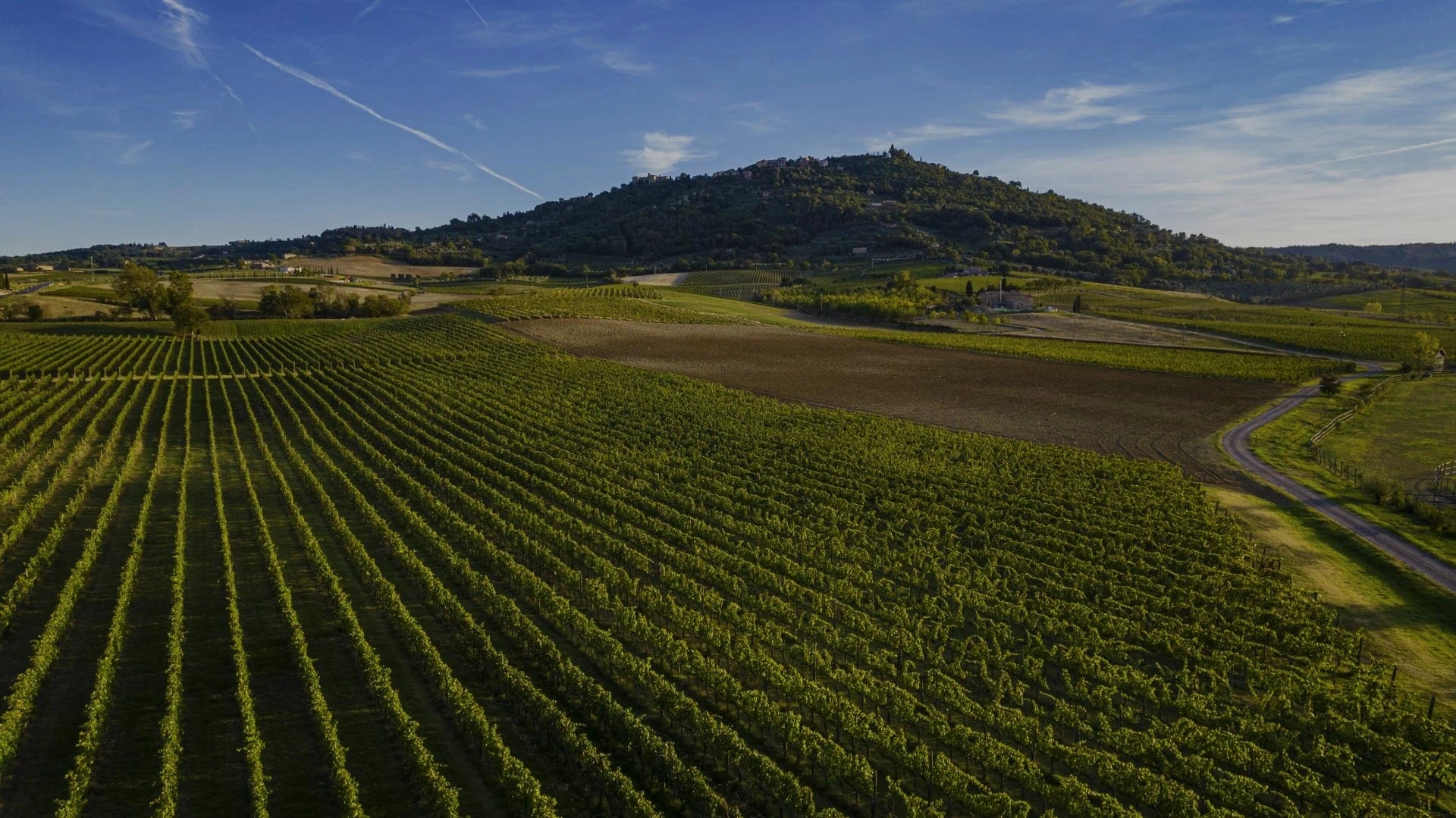
In Montalcino, La Melina - Scopetone is best understood as a family-run organic Brunello estate rather than a polished design-led tasting stop. Its identity is tied to a close connection with the land, an informal canteen setting, and a farm story that includes beekeeping roots and small-lot wines. The appeal is not built around spectacle, nor around a highly produced hospitality format, but around the quieter sense of visiting a working place where wine belongs to a broader agricultural narrative.
Brunello seen through a farm, not a showroom
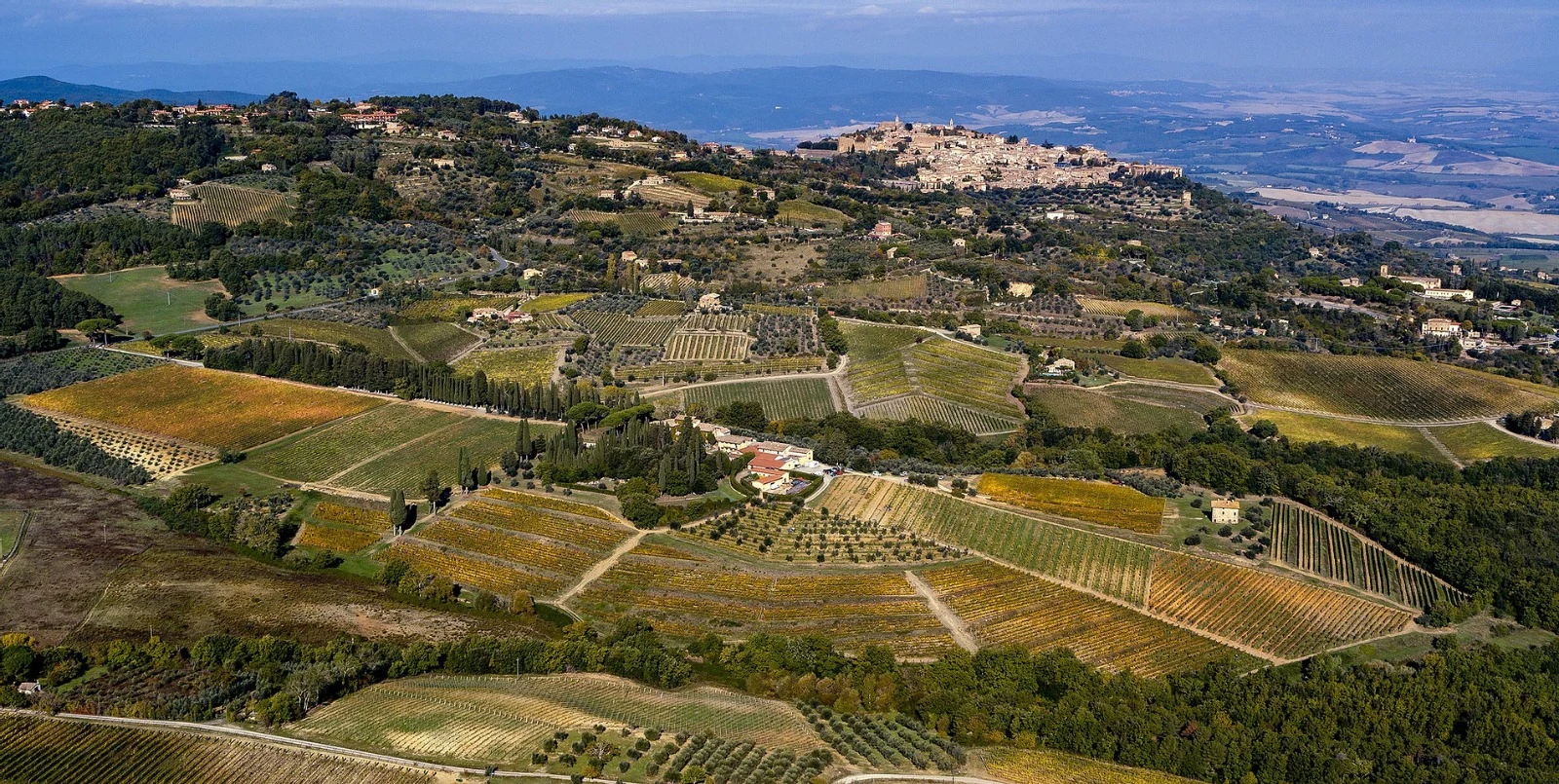
The clearest way to frame La Melina - Scopetone is through its agricultural character. The estate is described as family-run and organic, with Brunello at the center of its public identity. Rather than presenting itself through architectural spectacle or luxury hospitality language, it is grounded in the story of the farm and its relationship to the land. That distinction matters in Montalcino, where a Brunello visit can take many forms, from highly formalized cellar experiences to more direct encounters with the people and places behind the wine.
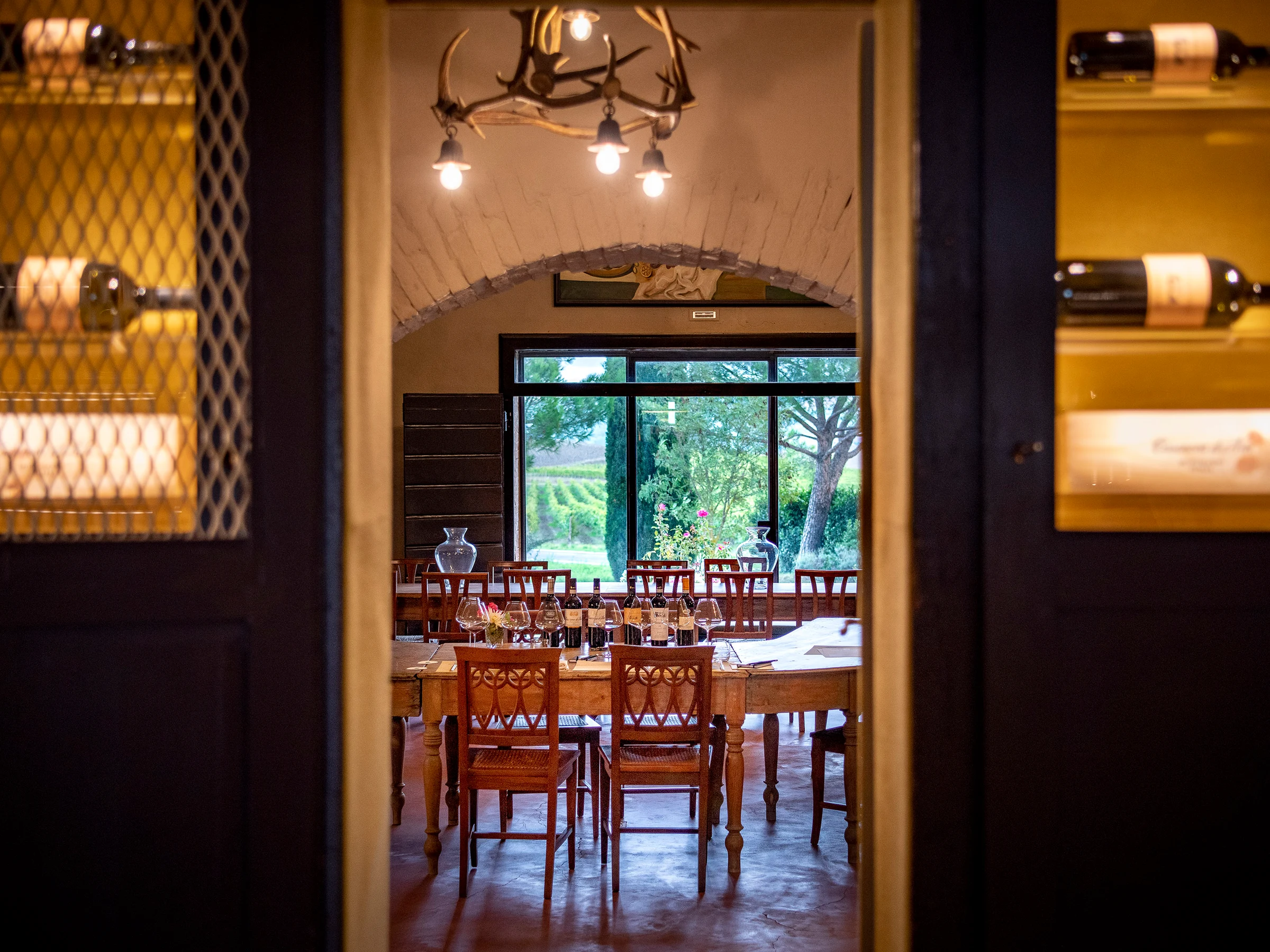
That makes the experience different from more formal wine visits in Montalcino. The tasting context is informal and educational, held in the canteen and focused on the estate’s story, its beekeeping roots, and its small-lot wines. The canteen setting helps set expectations: this is not positioned as a stage-managed showroom, but as a practical, unpretentious environment where the conversation can stay close to farming, continuity, and the estate’s own way of working. For readers comparing local options, La Melina - Scopetone sits within the broader range of Montalcino wine tourism as a farm-led Brunello stop.
The reliable editorial takeaway is narrower but useful: this is a modest, land-connected organic Brunello estate where the visit is framed around education and farm identity. It is best approached with curiosity about the farm and its background, rather than with an expectation of grand production values or a heavily scripted luxury experience.
Brunello, the land, and small-lot wines
The facts support describing La Melina - Scopetone as an organic Brunello estate in Montalcino. They do not support a detailed list of wines, tasting notes, vintages, appellation tiers, production volumes, or cellar methods. For that reason, the wine discussion is best kept general: the estate is part of Montalcino’s Brunello culture, with an emphasis on small-lot wines and the story of the farm. This is enough to define the character of the venue without overstating what is known.
Visitors looking for a more technical discussion may want to ask directly for current availability and what is being poured. The confirmed character of the experience is educational rather than theatrical, with the canteen setting used to explain the farm, the land, and the estate’s wine identity. In practice, that means the value of the visit is likely to come as much from context as from the glass itself: how the estate presents its agricultural roots, how it connects Brunello to place, and how it frames its smaller-scale production within the wider Montalcino landscape.
That restraint is important. Without information on the exact portfolio, public opening times, or specific tasting options, the most accurate guidance is to treat La Melina - Scopetone as a personal, informal Brunello-related visit in Montalcino rather than as a page defined by detailed bottle descriptions or critic-style claims. The useful emphasis is on tone and setting: organic farming, family scale, a canteen-based encounter, and a story that keeps returning to the land.
Where it fits in a Montalcino itinerary
La Melina - Scopetone is strongest for travelers who want a grounded, farm-connected Brunello experience in Montalcino. Its appeal lies in the combination of family-run organic farming, an informal canteen tasting context, beekeeping roots, and small-lot wines. Those elements make it a better fit for visitors who value sincerity, agricultural context, and a less polished atmosphere than for those seeking a highly designed tasting room or an experience defined by luxury cues.
The tone should be understood as educational and close to the land rather than polished or design-forward. That does not mean the experience is unserious; it means the estate’s identity is presented through farm continuity, rural context, and a modest style of hospitality. The informality is part of the point: it keeps attention on the estate’s background, its organic identity, and the way its Brunello story is rooted in a working farm rather than in performance.
For a broader itinerary, compare it with other dining, wine, and hospitality options in Montalcino generically, depending on whether the day is built around estate visits, meals, or countryside time. Among named references the relevant venue remains La Melina - Scopetone itself. It works well as a stop for travelers who want one of their Montalcino experiences to feel direct, local, and tied to the land, with the understanding that the confirmed information supports a concise, farm-led recommendation rather than an expansive set of claims.
Questions
Frequently asked
How expensive is La Melina - Scopetone?
La Melina - Scopetone is listed at a price level of $$.
The field
How it compares
| Place | Notes | Awards |
|---|---|---|
| La Melina - Scopetone | Montalcino, $$ | · |
| Argiano | Montalcino | · |
| Azienda Agricola Casanova di Neri di Giacomo Neri | Montalcino | World's 50 Best |
| Biondi-Santi Tenuta Greppo | Montalcino | · |
| Castello Banfi | Montalcino | World's 50 Best |
| Poggio di Sotto | Montalcino | · |
| Valdicava | Montalcino | · |