La Melonera
- 01CityRonda, Spain
From the people index
Recommended by
One trusted voice points here.

- Falstaff Winery - Listed · 2026
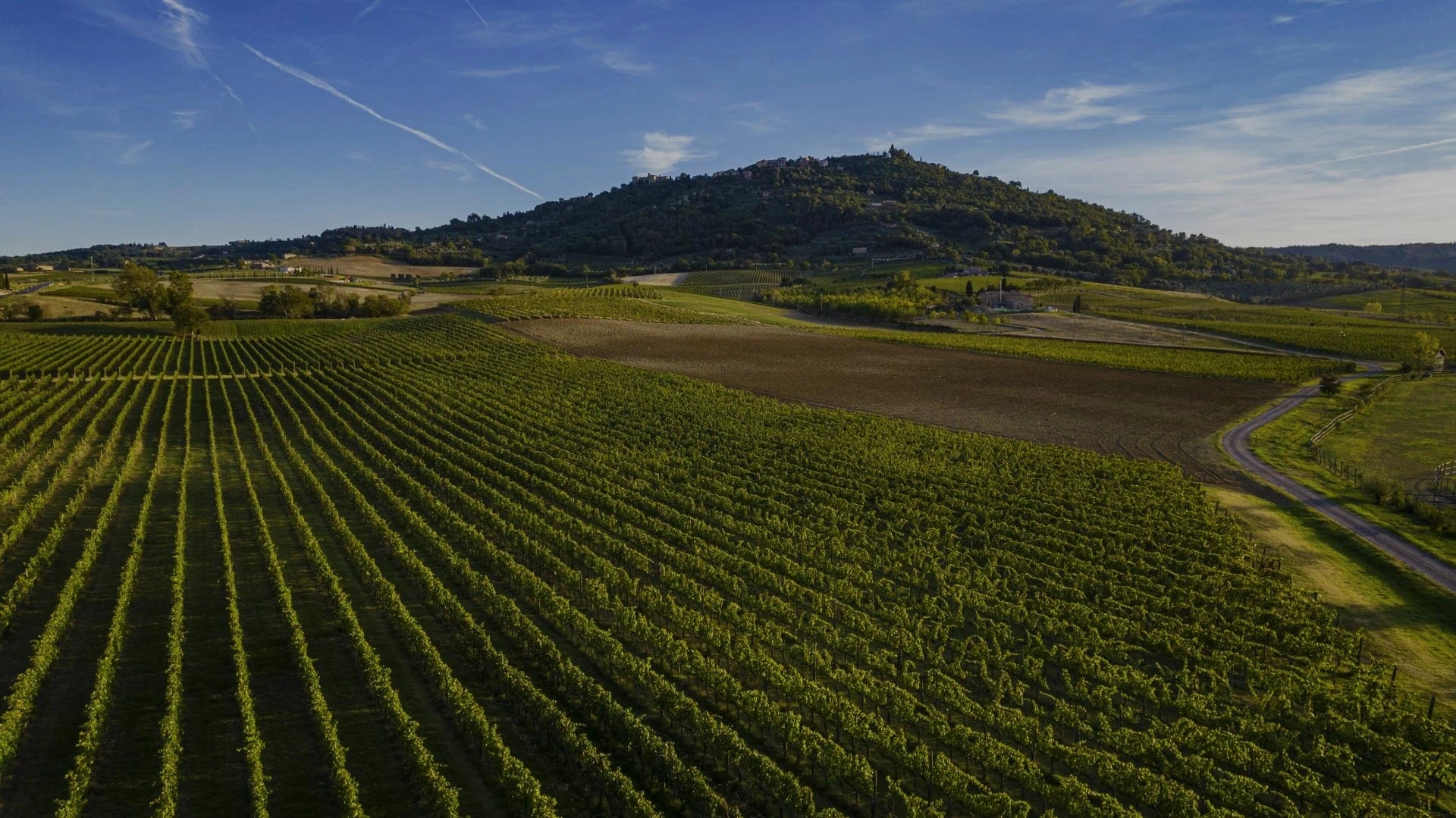
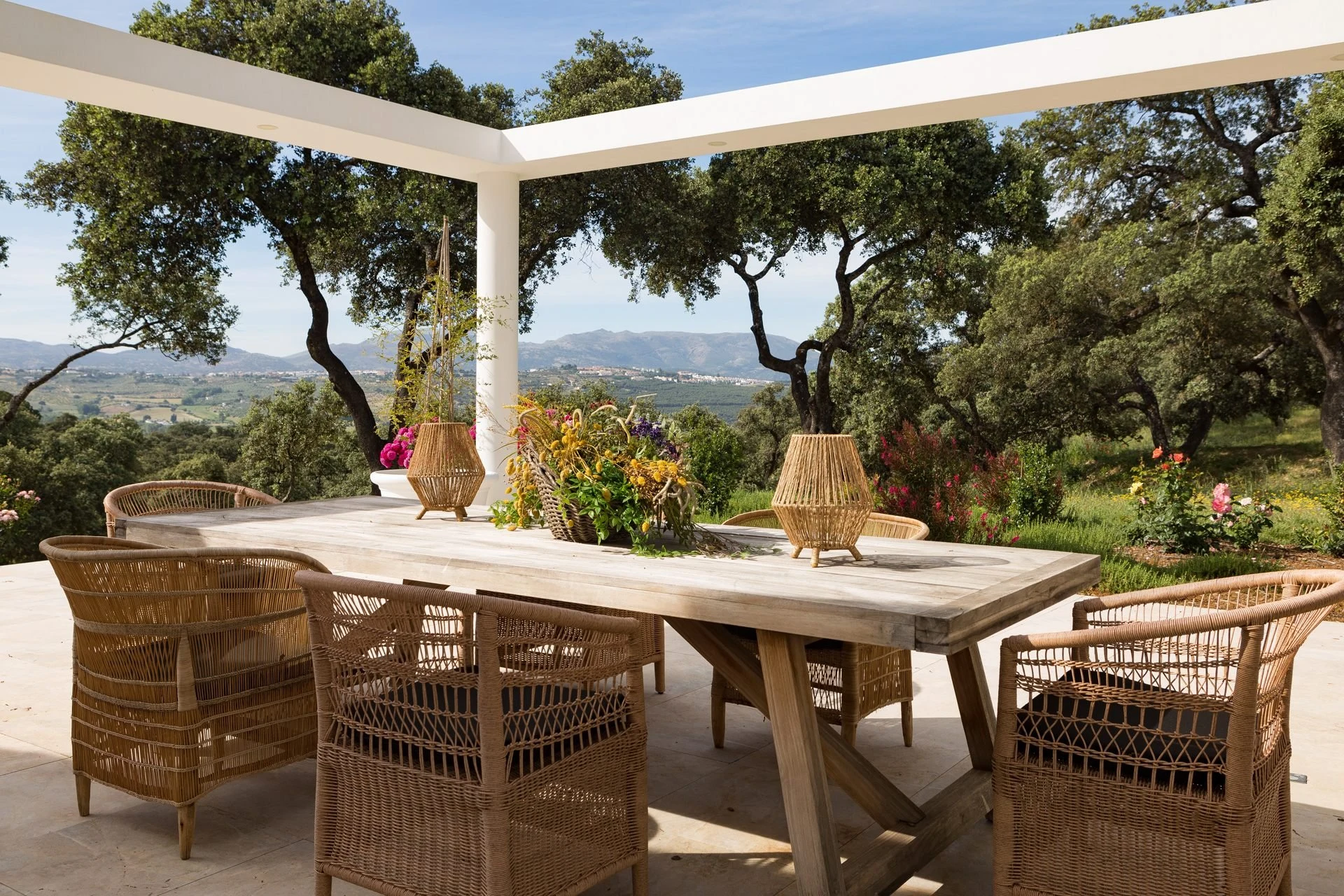
Approaching La Melonera means entering a slower register of Andalusian wine country: ancient holm oaks, pasture, vineyard rows, and the calm of a broad dehesa landscape rather than a setting built around quick spectacle. The picture of the estate is simple but distinctive: a winery in Ronda rooted in Andalusian heritage, with an emphasis on authenticity, recovered native vines, and a scenic rural atmosphere that feels rustic, elegant, and hidden away.
Because the confirmed information is limited, the strongest way to understand La Melonera is through its setting and purpose rather than through claims about menus, bottle lists, tour formats, awards, exact vineyard size, grape names, or operating details. What can be said with confidence is that the estate places recovered native vines at the center of its identity and frames wine as part of a wider range of pasture, oak trees, and Andalusian memory.
Ronda altitude, dehesa ecology, and recovered Andalusian grapes
The serious story here is not a catalogue of specific varieties or a list of technical production claims. It is the broader recovery impulse: La Melonera presents itself as a Ronda estate concerned with native vines and the continuity of local wine culture. That makes it a compelling stop for travellers who are interested in provenance, landscape, and the way rural Andalusia can shape a winery’s character.
The dehesa setting is central to that impression. Ancient holm oaks and pasture are not merely decorative background; they are part of the atmosphere that defines the visit. The estate reads as scenic and contemplative, with a sense of space that distinguishes it from more urban or purely commercial wine experiences. Its appeal lies in the feeling of being within a working rural landscape where wine, heritage, and place are closely linked.
Ronda also gives the estate a clear geographical identity. Rather than treating the winery as interchangeable with other Spanish wine destinations, the facts point to a property grounded in Andalusian heritage and a quieter, more reflective style of hospitality. The result is not a page that can honestly promise a specific tasting structure or named cuvées, but it can point to a grounded reason to care: La Melonera is about place, recovered vines, and a calm estate atmosphere.
The wines read as regional memory rather than varietal branding
Without details on individual wines, grape lists, vintages, or production methods, it would be misleading to describe La Melonera through specific bottles or blends. The more reliable framing is that the winery’s identity is tied to recovered native vines and to an Andalusian landscape that gives those vines cultural meaning. For visitors, that may be more important than a polished list of labels: the attraction is the relationship between wine and regional memory.
This makes La Melonera especially relevant for people who prefer wine experiences with a sense of origin. The estate’s calm, scenic, and rustic-elegant setting supports that kind of encounter. It is not necessary to invent a technical profile to make the case for the place; the facts already establish a strong personality, rooted in Ronda, ancient holm oaks, pasture, authenticity, and the recovery of native vine material.
That also means expectations should remain flexible. Confirmed public-facing details here do not support claims about a formal tasting menu, a specific cellar visit, lunch, delivery, accessibility, or a named beverage program beyond the winery identity itself. Travellers should treat La Melonera as a planned winery experience in Ronda and confirm any practical arrangements directly before going.
Who this Ronda estate is for
La Melonera is a stronger choice for travellers drawn to atmosphere, landscape, and Andalusian heritage than for anyone looking for a highly documented urban dining-room experience. The price is $40 per person, giving a basic expectation of cost, while the mood is best described as scenic, rustic, elegant, calm, and contemplative.
It is also a good fit for visitors who want Ronda wine country to feel connected to land rather than reduced to a tasting counter. The dehesa landscape, ancient holm oaks, and pasture create a sense of depth, and the focus on recovered native vines gives the estate a reason to stand out. Those are the reliable anchors of the experience.
Ronda’s broader appeal includes wine, food, hotels, bars, and cultural experiences, so La Melonera can work as part of a wider itinerary in the city and surrounding countryside. For more local context, see Our full Ronda wineries guide, Our full Ronda restaurants guide, Our full Ronda hotels guide, Our full Ronda bars guide, and Our full Ronda experiences guide.
Readers comparing wineries should keep the comparison close to the facts: La Melonera is best understood as a Ronda estate winery with a dehesa setting, recovered native vines, and a calm Andalusian atmosphere. Other dining and wine experiences in Ronda may offer different formats, but this estate’s grounded appeal is its landscape, heritage, and reflective rural character.
Questions
Frequently asked
How expensive is La Melonera?
La Melonera is listed at a price level of $$$.
The field
How it compares
| Place | Notes | Awards |
|---|---|---|
| La Melonera | Serranía de Ronda, $$$ | · |
| Chateau Leoville Las Cases | Saint-Julien-Beychevelle | · |
| Cortijo Los Aguilares | Ronda | · |
| Domaine Jacques-Frédéric Mugnier | Premeaux-Prissey | · |
| Scarecrow | Napa | · |
| Taittinger | Reims | World's 50 Best |
| Valdicava | Montalcino | · |