La Picanteria
- 01CuisineNorthern Peruvian Seafood Cevicheria
- 02CityLima, Peru
- Opinionated About Dining Top Restaurants in South America Ranked #13 · 2026
- Opinionated About Dining Top Restaurants in South America Ranked #11 · 2025
- Opinionated About Dining Top Restaurants in South America Ranked #10 · 2024
- Opinionated About Dining Top Restaurants in South America Ranked #9 · 2023
Surquillo's Market Logic and the Seafood Counter
Lima's most discussed restaurants tend to occupy Miraflores or Barranco, where international visitors cluster and the tasting-menu format dominates. Surquillo operates differently. The neighbourhood's Mercado No. 1 is one of the city's primary wholesale seafood sources, and the restaurants that have grown up around it work in a different register: shorter menus, daytime hours, and a direct relationship with what came off the boats that morning. La Picanteria, on Santa Rosa 388, sits inside this logic. The room fills from noon; by early afternoon, particularly prized preparations are gone. This is not a dramatic scarcity, it is simply how seafood restaurants built around fresh supply have always operated in Lima.
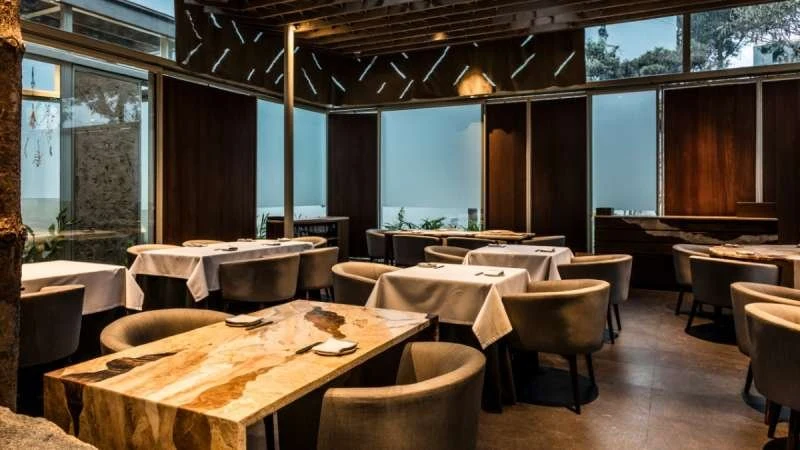
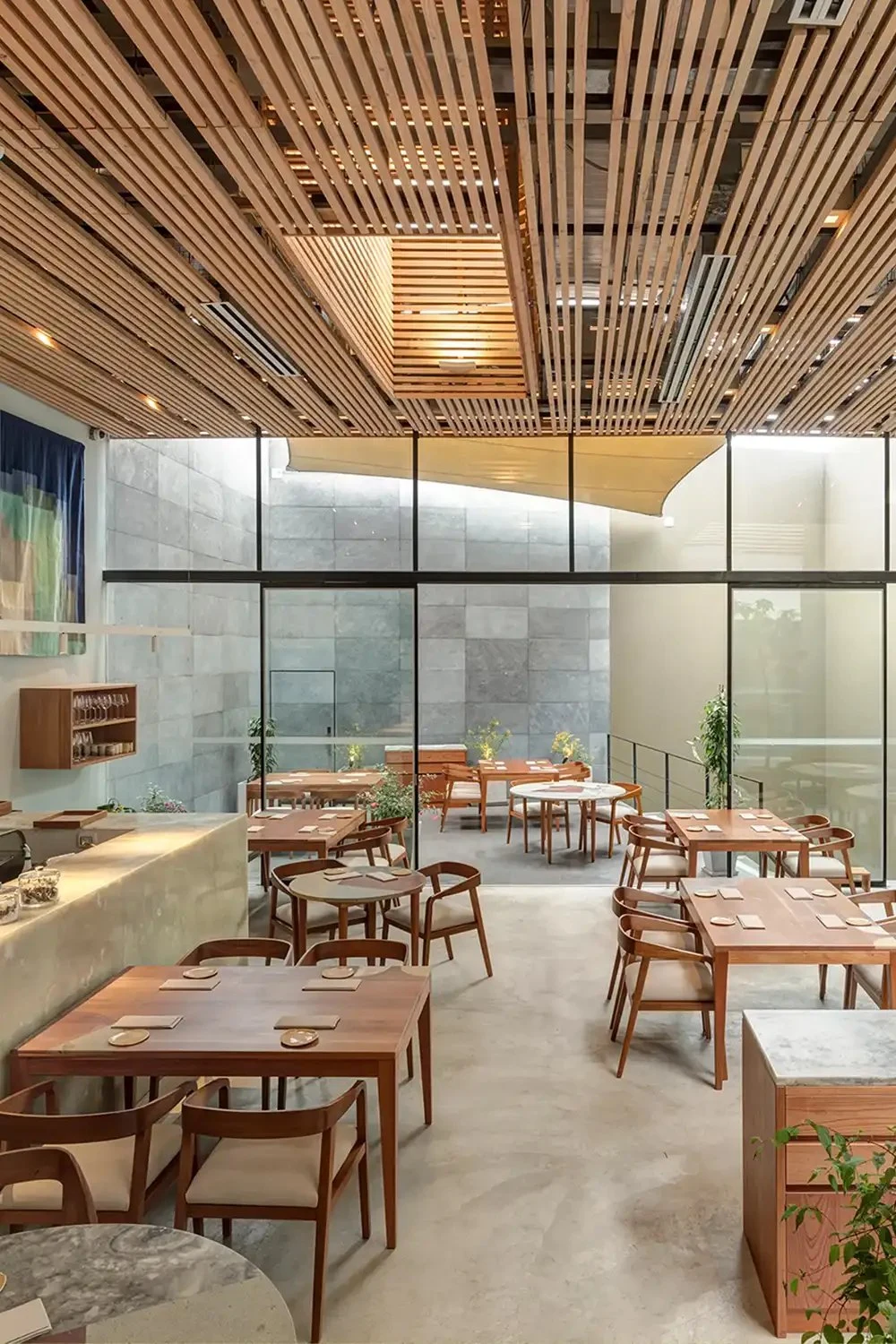
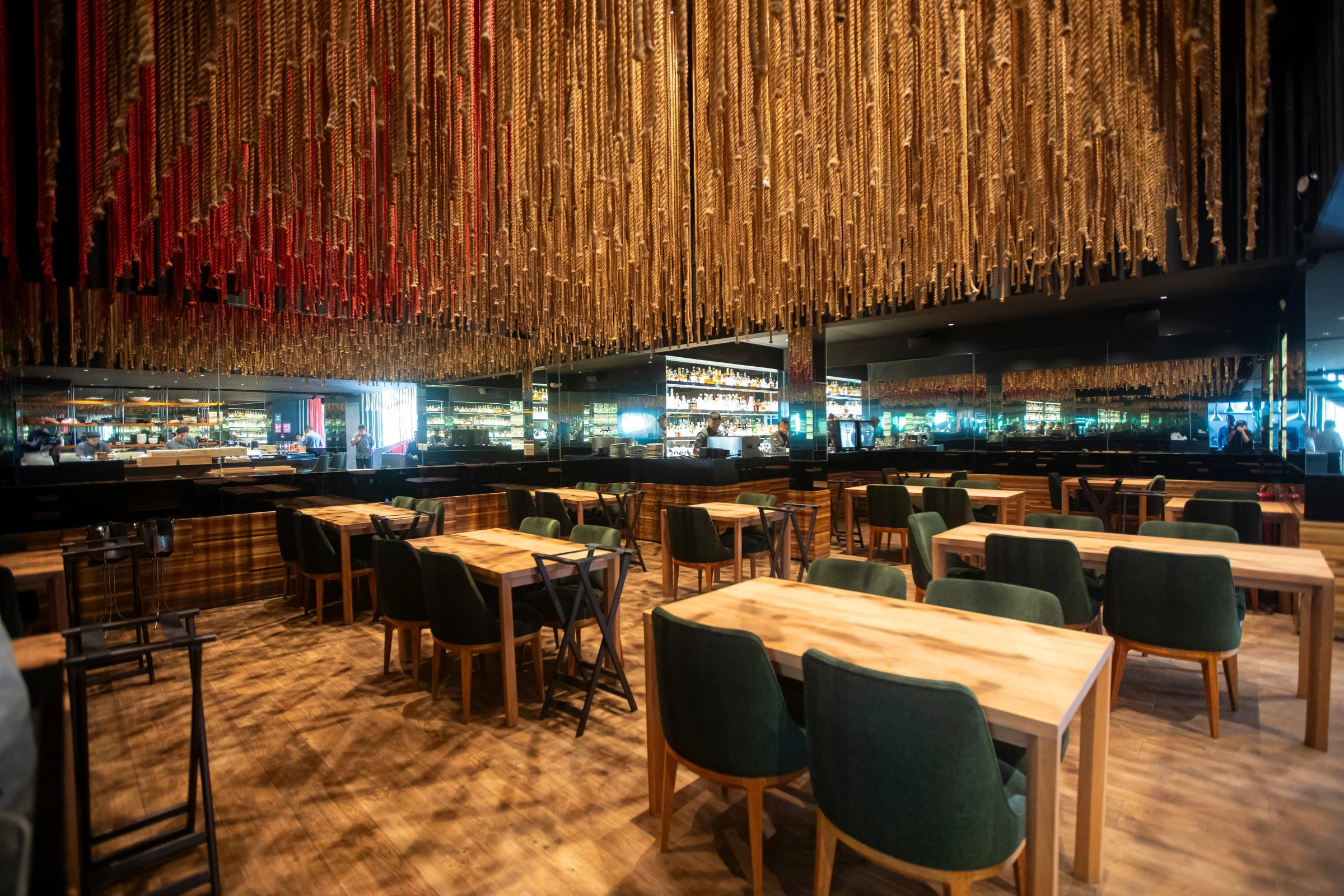
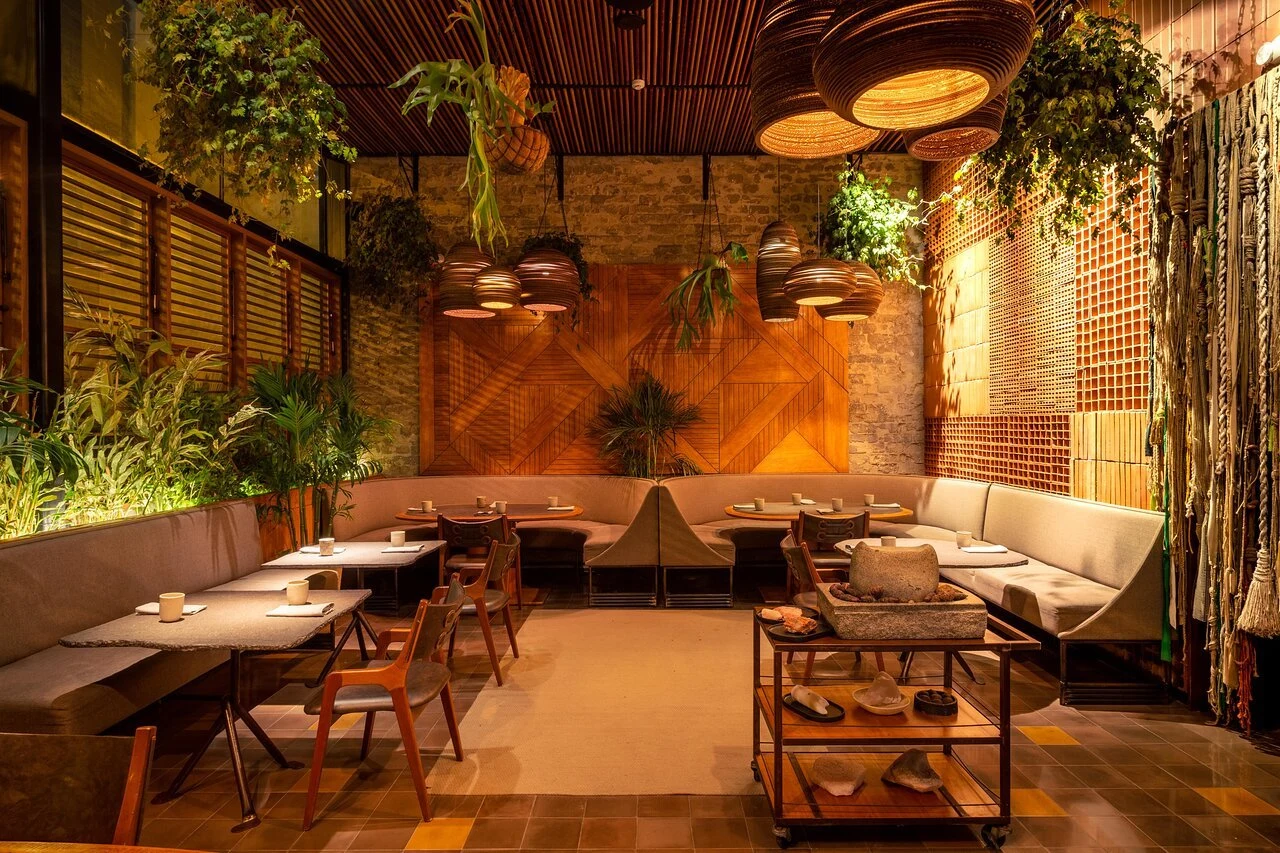
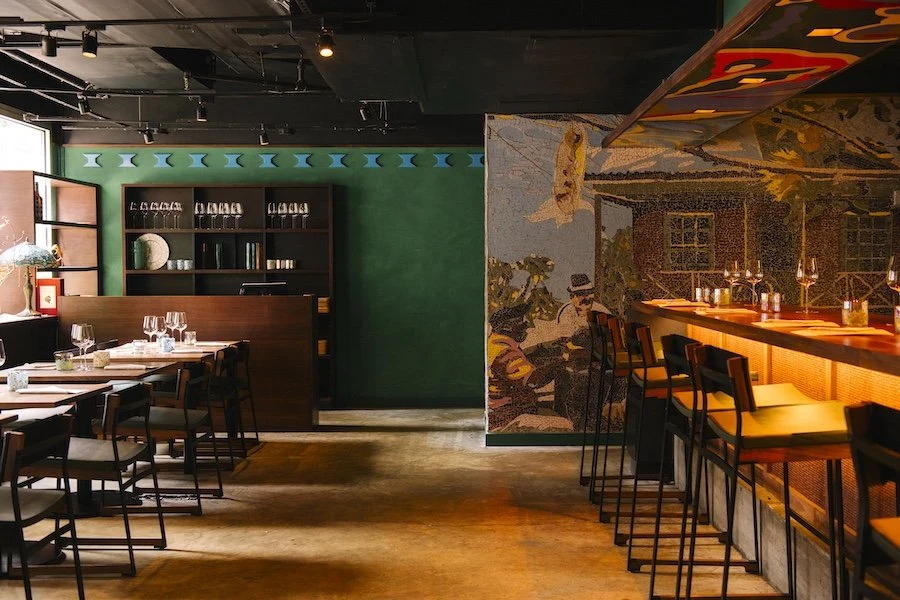
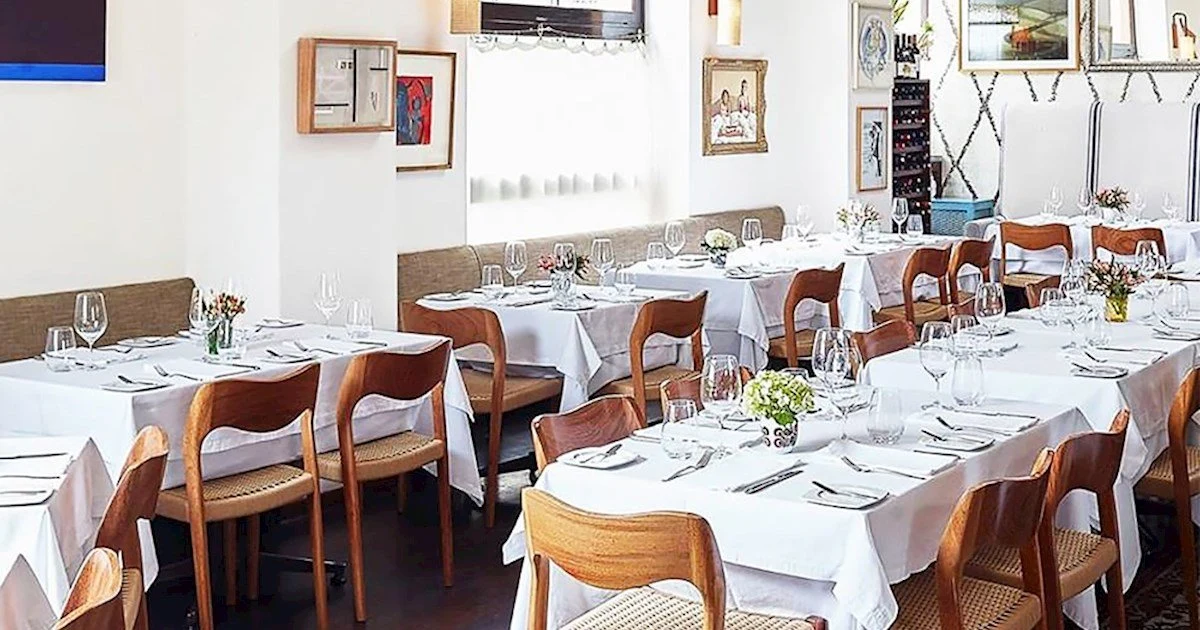
Approaching from the market, the atmosphere is less formal than anything on Lima's fine-dining circuit. The room is loud in the way that comes from full tables rather than from music, and the light is the flat, diffuse kind that coastal Lima delivers most of the year through marine cloud cover. None of this is incidental to the experience. It reflects what Lima's ceviche and picantería traditions actually look like when they are not being repackaged for a tasting-menu audience. For readers comparing this to Central or Kjolle, the difference is not quality, it is register and intention.
Where the Ingredients Come From
The editorial angle that matters most at La Picanteria is sourcing. Peru's Pacific coastline runs cold due to the Humboldt Current, which drives one of the world's most productive marine ecosystems. The fish species available to Lima's seafood kitchens, corvina, lenguado, mero, and the various shellfish harvested from Peruvian waters, are distinct from what comparable restaurants in Europe or Asia work with. Proximity to Surquillo's market compresses the supply chain to a degree that restaurants in more tourist-oriented neighbourhoods cannot replicate at scale.
Chef Héctor Solís built La Picanteria's identity around this proximity. His background connects to the picantería tradition, the informal, regionally rooted eating houses that predate Lima's current international reputation by generations. The picantería format is not a chef's concept or a trend; it is a category of Peruvian culinary institution with deep roots in Arequipa and the coast, built around shared preparations, long tables, and fish or meat driven by what is available rather than what is planned. Solís adapts this framework for Surquillo's urban market setting, which means the menu's actual composition shifts with the catch. For comparison, the coastal seafood tradition at Costanera 700 in Miraflores works from a more fixed format; La Picanteria's approach is more elastic.
Where La Picanteria Sits in Lima's Ranking Picture
Three consecutive years on the Opinionated About Dining (OAD) South America rankings, ranked #9 in 2023, #10 in 2024, and #11 in 2025, establishes La Picanteria in a tier of sustained regional recognition. OAD rankings are compiled from the votes of frequent restaurant-goers and serious eaters rather than from a single guide's inspectors, which makes them a useful indicator of consistent performance across multiple visits and different tables.766 reviews adds a separate data layer: this is not a restaurant that performs for a specialist audience only.
Within Lima's competitive set, that positioning is worth reading carefully. Maido and Astrid & Gastón operate in the global tasting-menu tier, with evening formats and international reservation pipelines. Mayta sits in the modern Peruvian register. La Picanteria draws from a different peer group: it is ranked alongside restaurants where sourcing specificity and format discipline matter more than menu architecture. That is a meaningful distinction for anyone planning a Lima itinerary that goes beyond the standard tasting-menu circuit.
For readers interested in how Lima's seafood culture extends to Peru's other regions, Mil in Cusco approaches ingredient sourcing from an Andean altitude perspective, while Delfin Amazon Cruises in Iquitos and the Delfin I dining room in Nauta show how Peru's river ecosystems produce an entirely different sourcing logic. Cirqa in Arequipa and Cosme in San Isidro round out the broader Peruvian picture for itinerary planning.
The Daytime Format and What It Requires of You
La Picanteria operates Tuesday through Sunday, noon to 5:30 pm, and is closed on Mondays. There are no dinner seatings. This is not an operational curiosity, it is a structural feature of how seafood-driven picanterías function. The kitchen builds its menu around what arrives in the morning; by late afternoon, the supply is exhausted and service closes. Readers who build their Lima schedules around evening dining will need to recalibrate. One productive approach is to treat La Picanteria as the anchor of a full afternoon: arrive closer to noon when the full selection is available and the room is at its most energetic, then use the neighbourhood to explore Surquillo's market and surrounding food stalls before or after.
For seafood restaurants operating in a comparable daytime-only, market-adjacent format internationally, the analogy holds with places like Gambero Rosso in Marina di Gioiosa Ionica or Alici Restaurant on the Amalfi Coast, both cases where daytime rhythm and sourcing proximity are foundational to the format rather than a scheduling inconvenience.
Planning Your Visit
La Picanteria is at Santa Rosa 388, Surquillo 15047, Lima. The address places it a short distance from Miraflores by taxi, making it an easy addition to a broader Lima itinerary without requiring a dedicated trip across the city. Given the daytime-only format and the market-dependent menu, arriving without a strong preference for specific dishes is the more practical posture: what is available will be driven by that morning's supply, and the kitchen's decisions about what to work with are part of the experience's logic.
For broader context on where La Picanteria fits into Lima's dining scene, our full Lima restaurants guide maps the city's tasting-menu circuit, neighbourhood lunch culture, and market-adjacent options across price tiers. Readers planning a longer stay should also consult our Lima hotels guide, Lima bars guide, Lima wineries guide, and Lima experiences guide for a complete picture of what the city offers across categories.
Questions
Frequently asked
How expensive is La Picanteria?
La Picanteria is listed at a price level of $$.
Where is La Picanteria and what does it serve?
La Picanteria is in Surquillo, Lima, serving Northern Peruvian Seafood Cevicheria.
The field
How it compares
| Place | Cuisine | Notes | Awards |
|---|---|---|---|
| La Picanteria | Northern Peruvian Seafood Cevicheria | Surquillo, $$ | · |
| Central Restaurante | Modern Peruvian Tasting Menu | Lima | World's 50 Best |
| Kjolle | Modern Peruvian Fine Dining | Lima | World's 50 Best |
| Maido | Nikkei (Japanese-Peruvian Fusion) | Lima | World's 50 Best |
| Mayta | Modern Peruvian Fine Dining | Lima | World's 50 Best |
| Mérito | Modern Venezuelan-Peruvian Fusion | Lima | World's 50 Best |
| Rafael | Modern Peruvian Fine Dining | Lima | World's 50 Best |
Similar places
Modern Peruvian Tasting Menu
Central Restaurante
Lima, Peru
50 Best
Modern Peruvian Fine Dining
Kjolle
Lima, Peru
50 Best
Nikkei (Japanese-Peruvian Fusion)
Maido
Lima, Peru
50 Best
Modern Peruvian Fine Dining
Mayta
Lima, Peru
50 Best
Modern Venezuelan-Peruvian Fusion
Mérito
Lima, Peru
50 Best
Modern Peruvian Fine Dining
Rafael
Lima, Peru
50 Best