2,500 bottles beside sumibi charcoal
- Star Wine List · 2026
- Opinionated About Dining Casual in Japan Ranked #143 · 2026
- Opinionated About Dining Casual in Japan Ranked #99 · 2025
- Opinionated About Dining Casual in Japan Ranked #82 · 2024
- Opinionated About Dining Casual in Japan Ranked #56 · 2023
Opened around the cellar in 2013
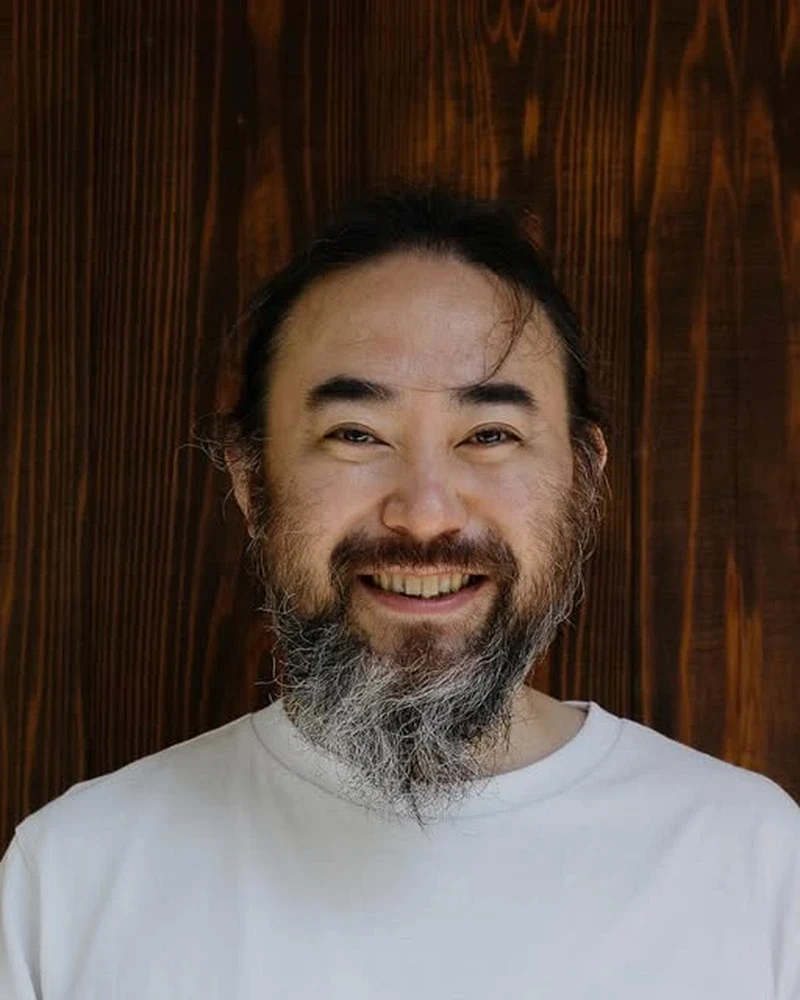
A bottle leaves the rack only after Shinya Hayashi, owner and sommelier at La Pioche in Nihonbashi, Tokyo, has read it against the table: producer, season, farming choice, and the food already moving toward the grill. Since 2013, Hayashi has kept the restaurant organized around that act of judgment rather than around a trophy list. The room is a French bistro in form, but the discipline is agricultural. Wine arrives as the record of field work and cellar decisions, with French producers, Beaujolais and Loire gamay, and bottles that shift from vintage to vintage rather than behaving like fixed categories.
Hayashi opened La Pioche after time with natural farming in France, and the restaurant still carries that bias toward soil and producer. The house does not name a separate executive chef; the cooking follows the same line as the wine, ingredient-led, seasonal, and spare enough for the bottle to remain part of the structure of the meal. His station is not only the back bar or the cellar. It is the table-side pass between bottle, grill, plate, and guest.
A cellar of 2,500 bottles
The working scale is nearly 2,500 bottles, with over 500 selections, all pointed toward natural, organic, and biodynamic producers. Hayashi treats that breadth as a flexible cellar, not display. A bottle may need air, a narrower glass, food with more char, or simply a quieter explanation. The list changes because the wines change; the method depends on tasting the bottle in front of him rather than treating it as an example of a style.
The kitchen gives those wines a clear counterweight. Seasonal plates move over a traditional Japanese sumibi grill, where charcoal gives smoke and heat without burying the ingredient. Salciccia suzuki comes from that logic, crisped at the exterior and kept juicy inside, seasoned for fruit, acid, and grip in the glass. Grilled asparagus works the other side of the same method, with light char and a clean finish. Pours can be as small as 3 oz, enough for a conversation across several bottles rather than a single declaration.
The glow at the counter
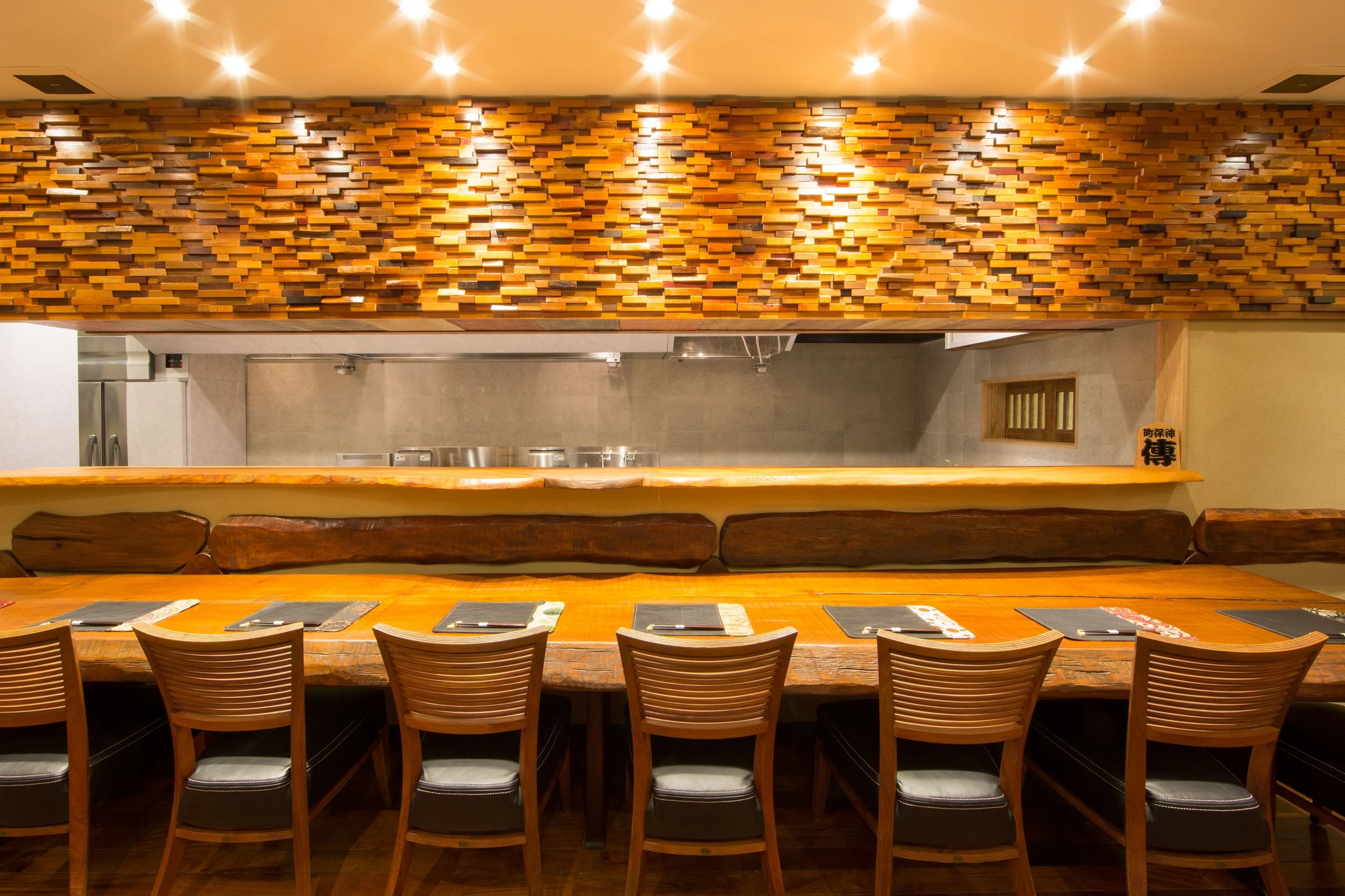
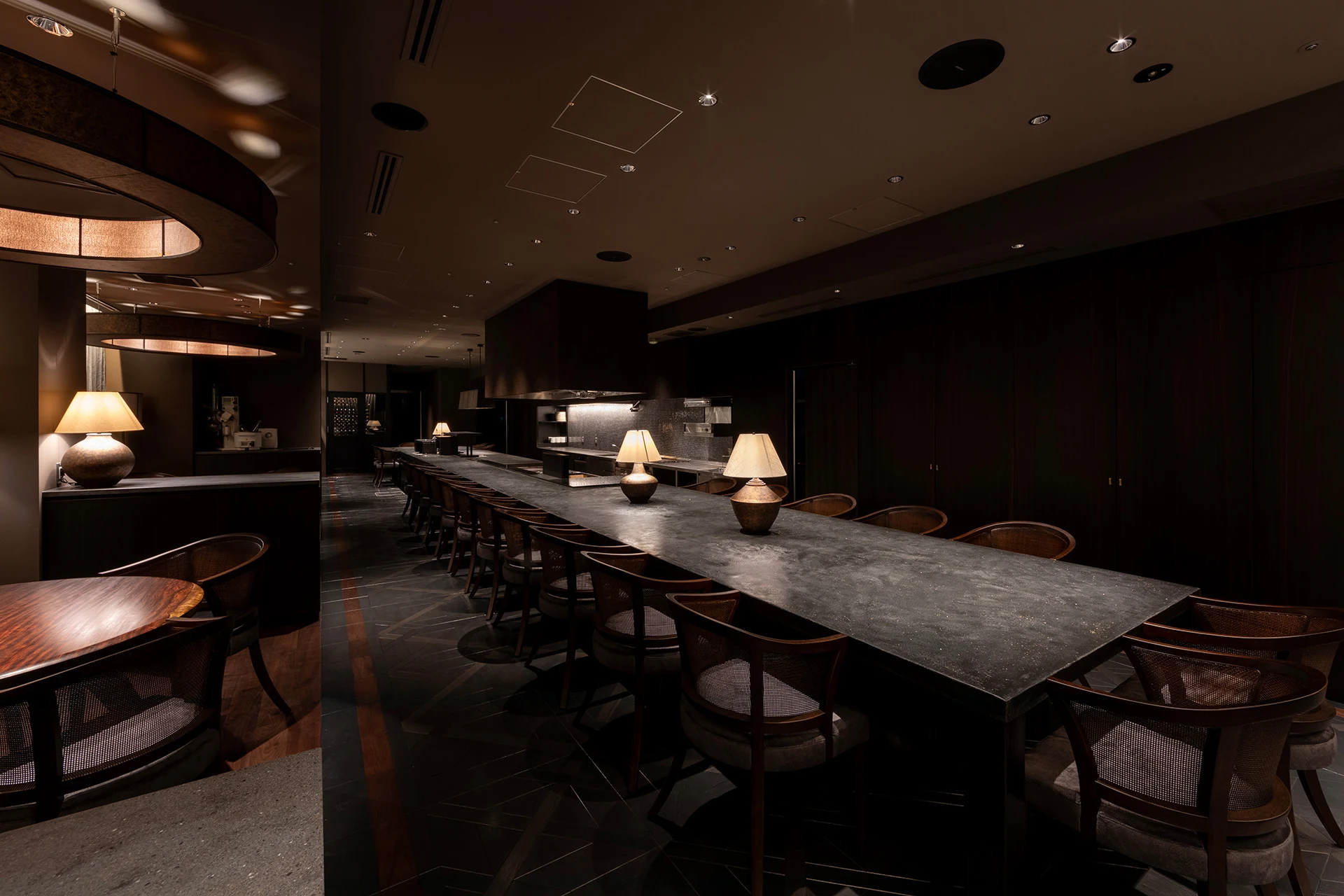
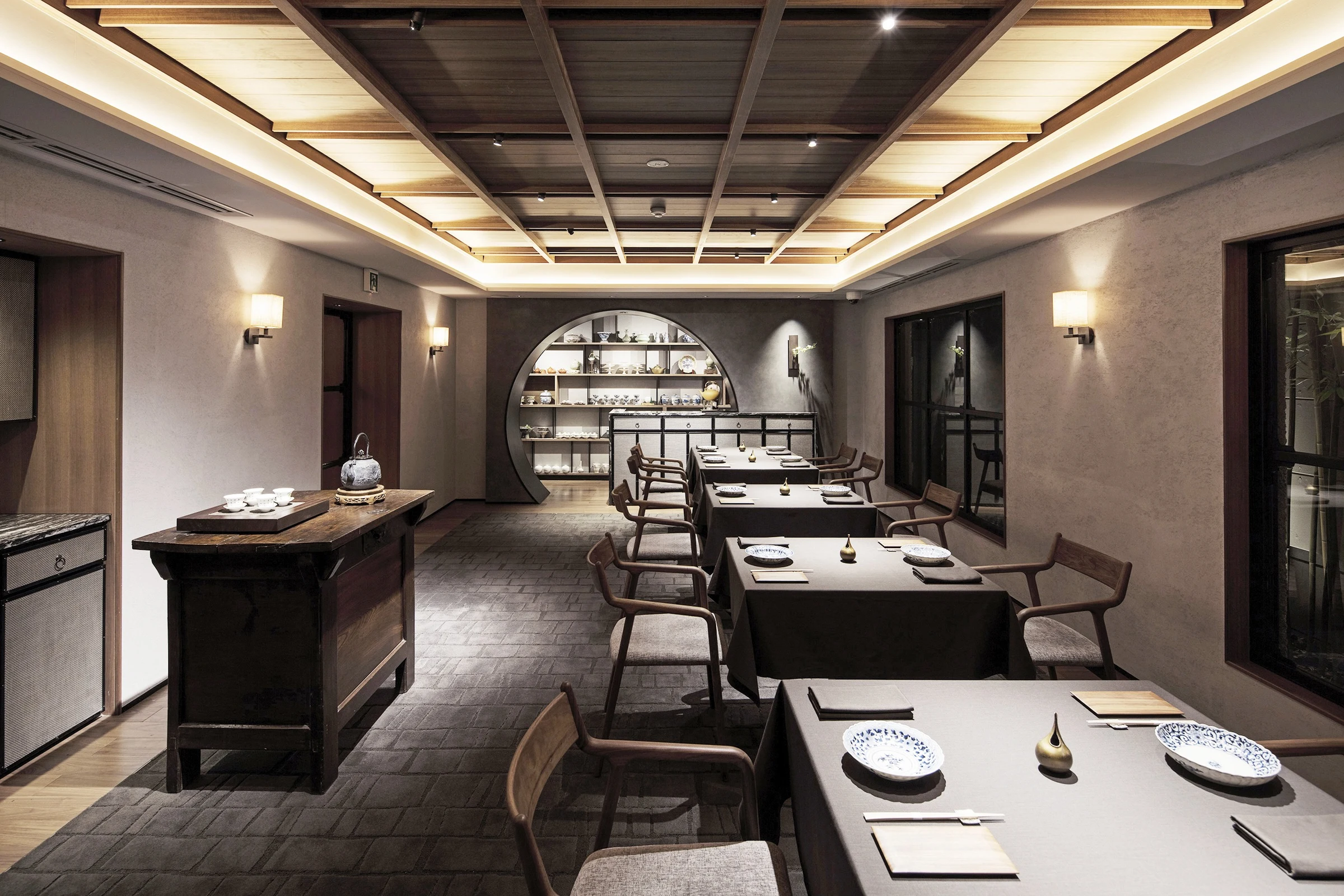
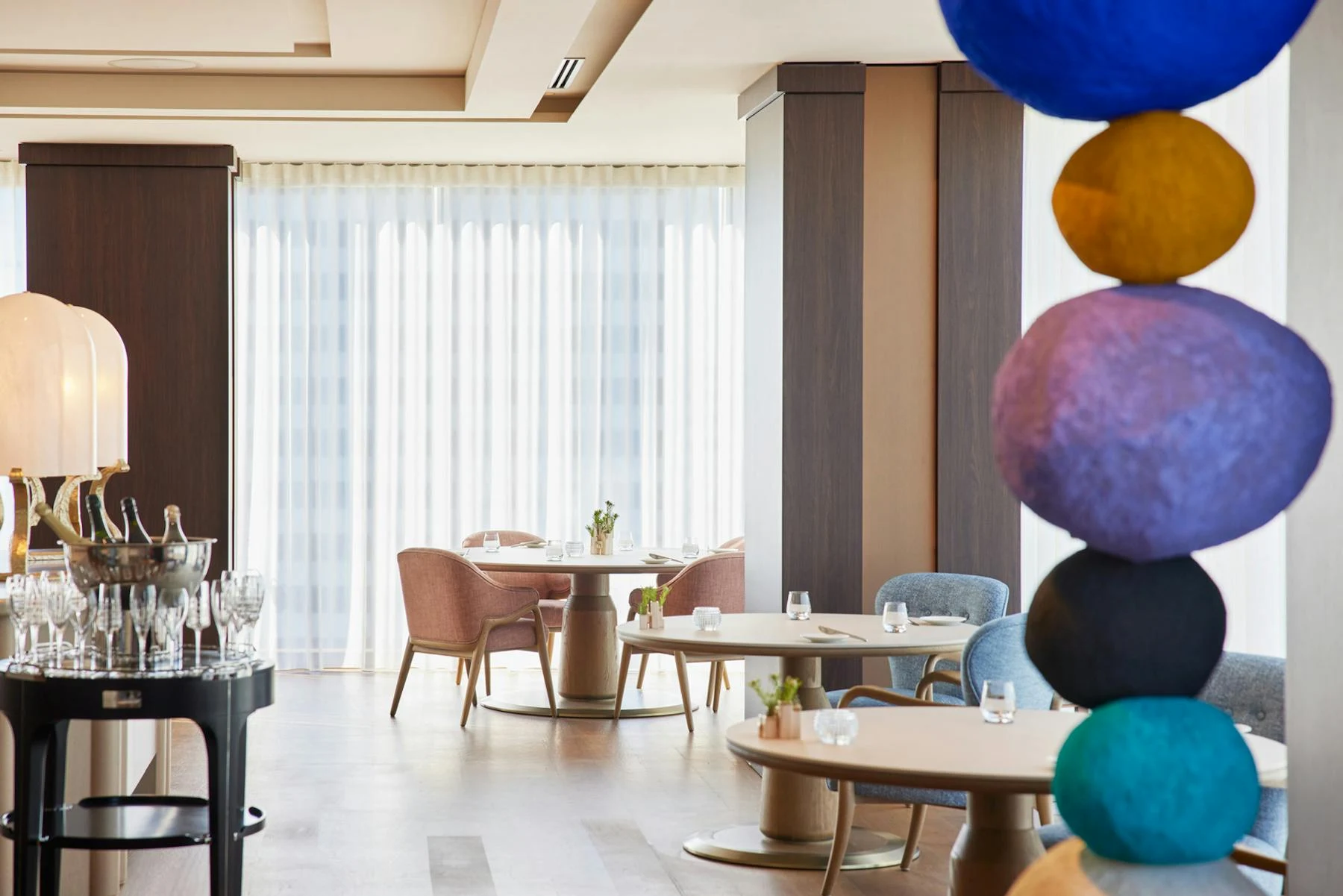
The room is compact, an 18-seat place where conversation stays close to the counter, the back bar, and the grill. Bottles sit within reach and in view, less as decoration than as working stock. Warm, functional light keeps attention on labels, stems, plates, and the movement of hands at service. The charcoal gives the room its second light.
La Pioche sits in Nihonbashi Kakigarachō, near Suitengumae, away from the louder routes through Tokyo dining. That distance matters less as atmosphere than as pace. Guests can let Hayashi build a sequence from the cellar while the kitchen sends out small plates shaped by market and flame. At La Pioche, salciccia suzuki, grilled asparagus, and the next bottle Hayashi pulls come from its 2,500-bottle cellar.
Questions
Frequently asked
Who is behind La Pioche?
Shinya Hayashi is the owner and sommelier at La Pioche, and he opened the restaurant in 2013 after time with natural farming in France.
What kind of place is La Pioche?
La Pioche is a French bistro in Nihonbashi, Tokyo, with a focus on natural wine and a seasonal, ingredient-led menu.
What does the wine list focus on?
The cellar holds nearly 2,500 bottles and more than 500 selections, all oriented toward natural, organic, and biodynamic producers, with French producers, Beaujolais, and Loire gamay among the reference points.
What should diners expect from the cooking?
The kitchen works over a traditional Japanese sumibi grill, with charcoal used for smoke and heat, and dishes such as salciccia suzuki and grilled asparagus built to sit alongside the wines.
Is booking recommended at La Pioche?
Reservations are recommended, and the restaurant is open Monday to Friday from 5:30 to 10 PM and Saturday and Sunday from 5 to 10 PM.
The field
How it compares
| Place | Cuisine | Notes | Awards |
|---|---|---|---|
| La Pioche | French Bistro with Natural Wines | Chūō, $$$ | · |
| Den | Modern Japanese Kaiseki | Tokyo | Michelin 2 Stars, World's 50 Best |
| Florilège | Modern French-Japanese Plant-Based Fine Dining | Tokyo | Michelin 2 Stars, World's 50 Best |
| Narisawa | Modern Japanese Satoyama Fine Dining | Tokyo | Michelin 2 Stars, World's 50 Best |
| Quintessence | Modern French Fine Dining | Tokyo | Michelin 3 Stars |
| Sazenka | Modern Chinese Fine Dining | Tokyo | Michelin 3 Stars, World's 50 Best |
| Sézanne | Modern French Fine Dining | Tokyo | Michelin 3 Stars, World's 50 Best |
In residence
Similar places
Modern Japanese Kaiseki
Den
Tokyo, Japan
★★ · 50 Best
Modern French-Japanese Plant-Based Fine Dining
Florilège
Tokyo, Japan
★★ · 50 Best
Modern Japanese Satoyama Fine Dining
Narisawa
Tokyo, Japan
★★ · 50 Best
Modern French Fine Dining
Quintessence
Tokyo, Japan
★★★
Modern Chinese Fine Dining
Sazenka
Tokyo, Japan
★★★ · 50 Best
Modern French Fine Dining
Sézanne
Tokyo, Japan
★★★ · 50 Best