L'Abysse au Pavillon Ledoyen
In Residence
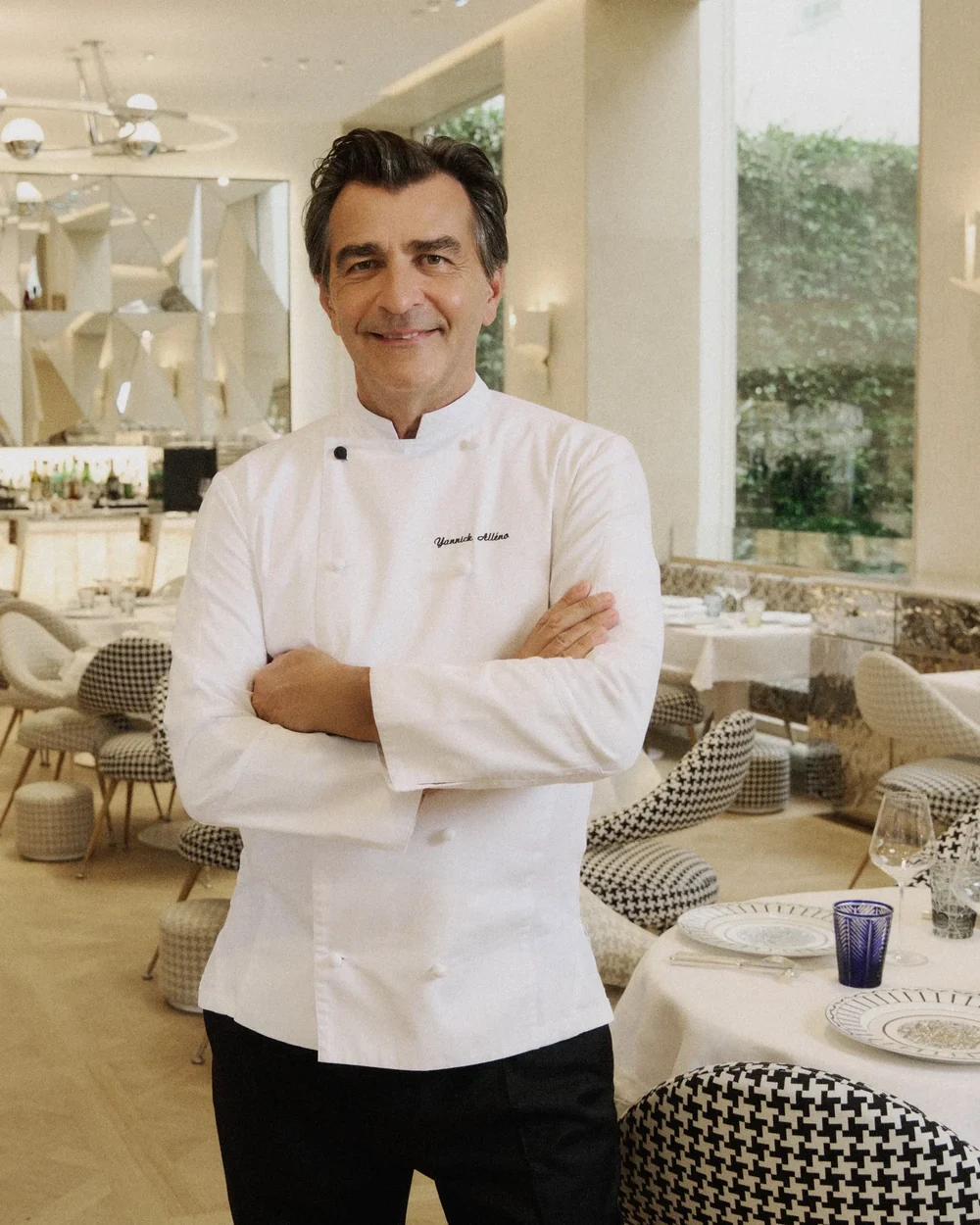
Yannick Alléno
Owner
- 01CuisineFrench-Japanese Fusion Omakase
- 02CityParis, France
- 03RecognitionTwo Michelin Stars
- 2 Michelin Stars · Michelin Guide
- Falstaff Restaurant - 95 Falstaff Points · 2026
- Michelin 2 Stars · 2026
- La Liste Top Restaurants: 90pts · 2026
- Opinionated About Dining Top Restaurants in Europe Recommended · 2026
- Gault & Millau Prestige Restaurant: 17.5pts · 2025
- We're Smart World 3 Radishes · 2025
- La Liste Top Restaurants: 91pts · 2025
- Michelin 2 Stars · 2025
- Opinionated About Dining Top Restaurants in Europe Ranked #204 · 2024
- Michelin 2 Stars · 2024
- Opinionated About Dining Top New Restaurants in Europe Highly Recommended · 2023
Japanese Counter Discipline Inside a French Monument
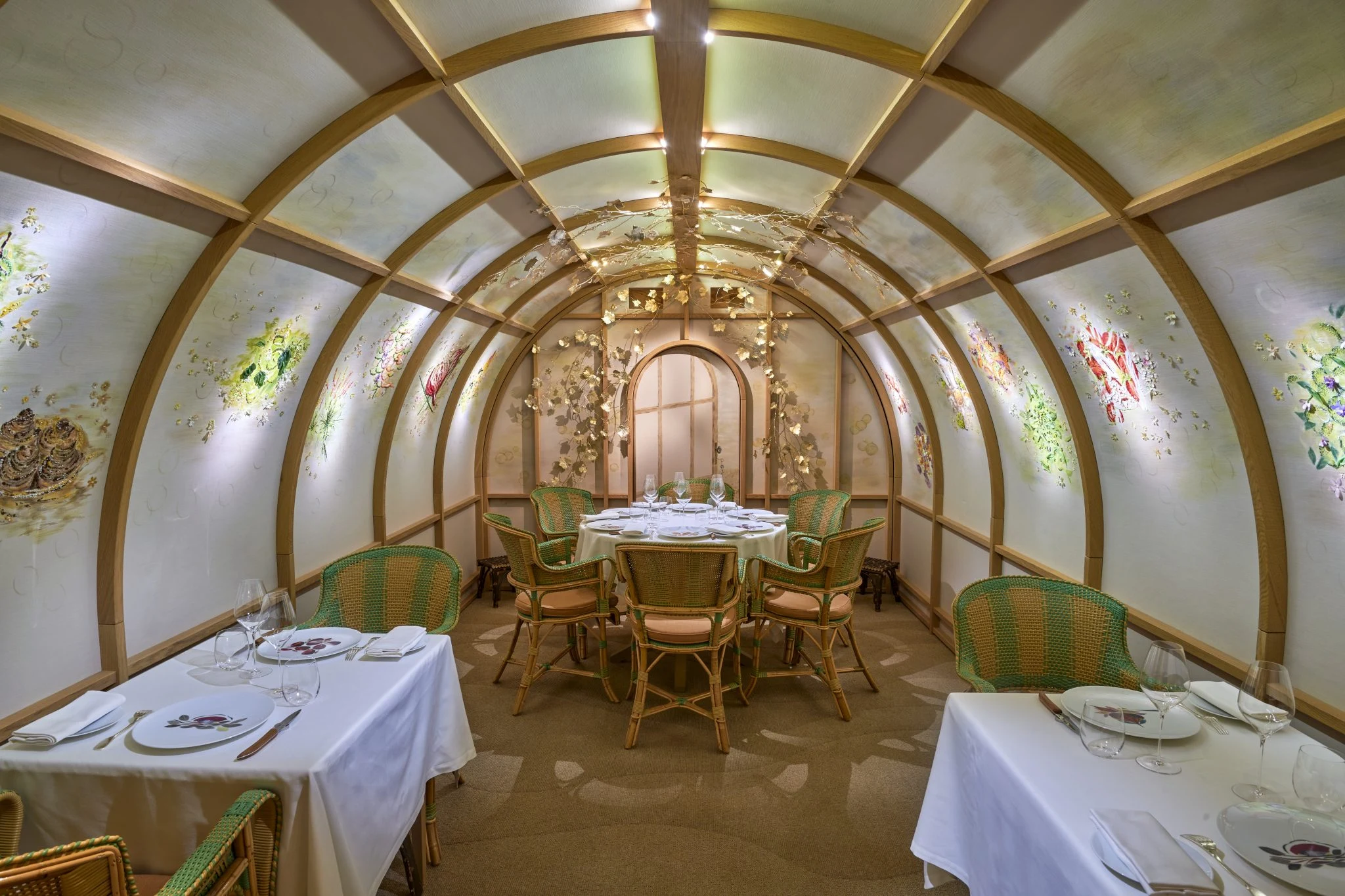
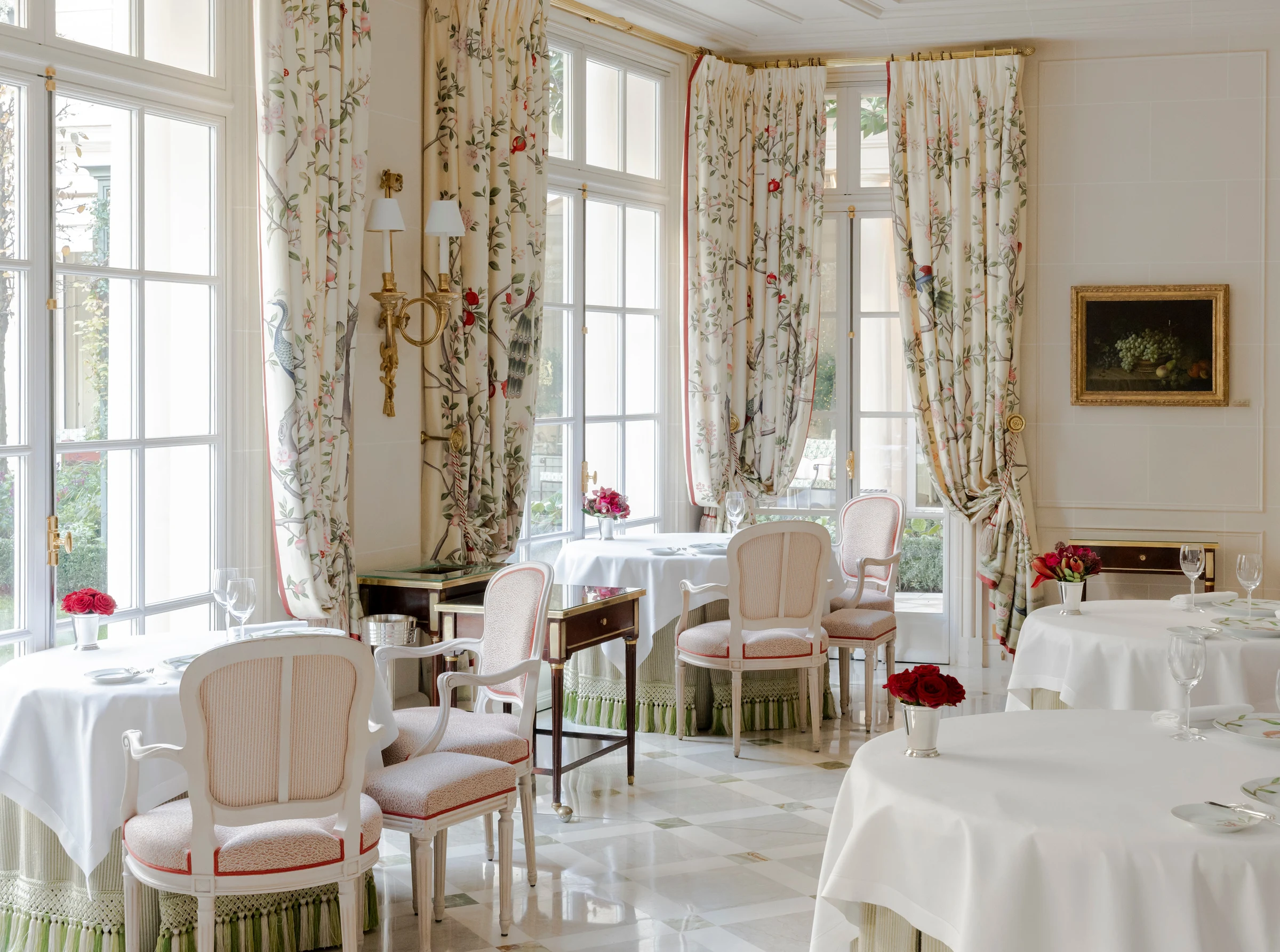
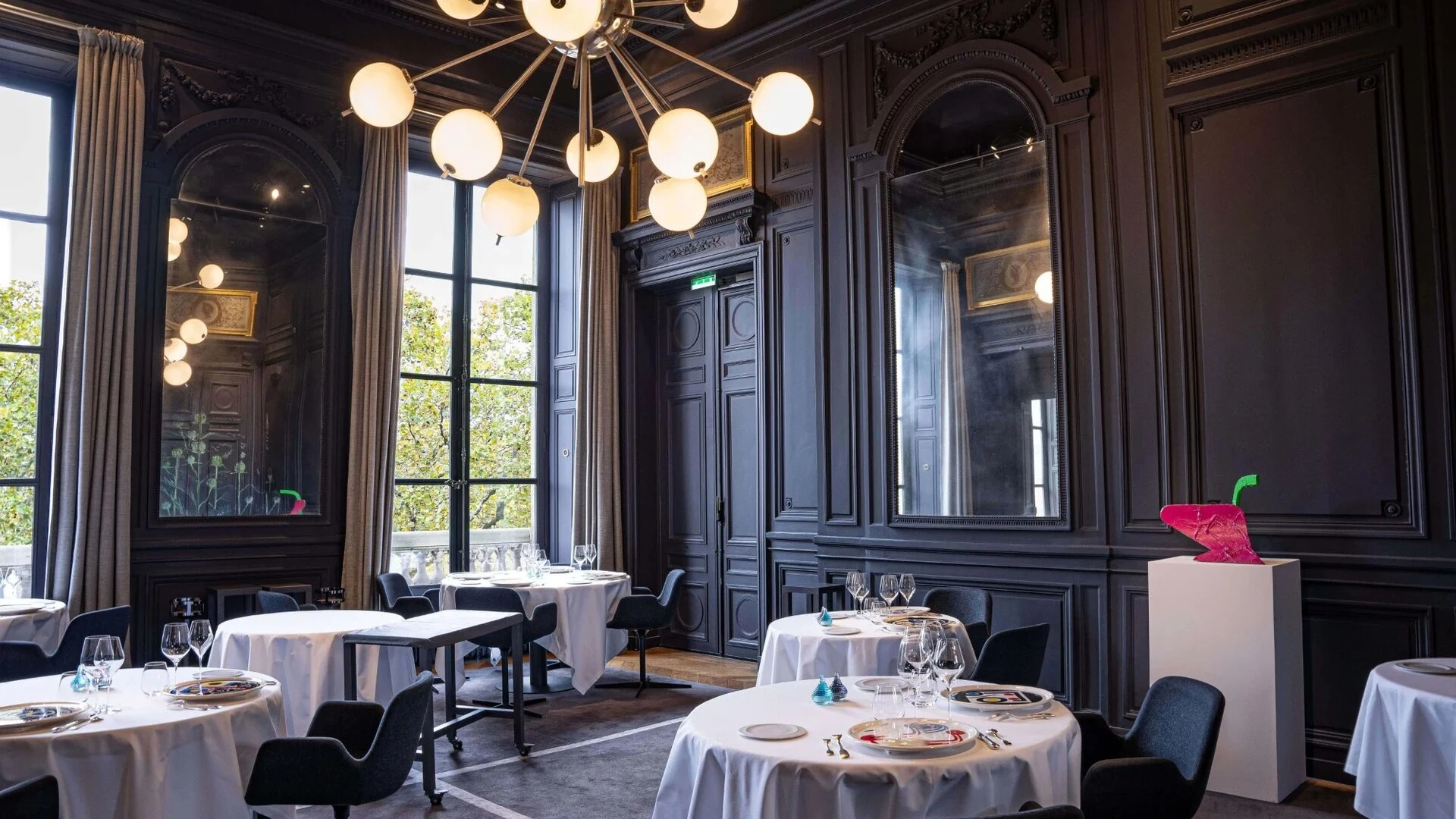
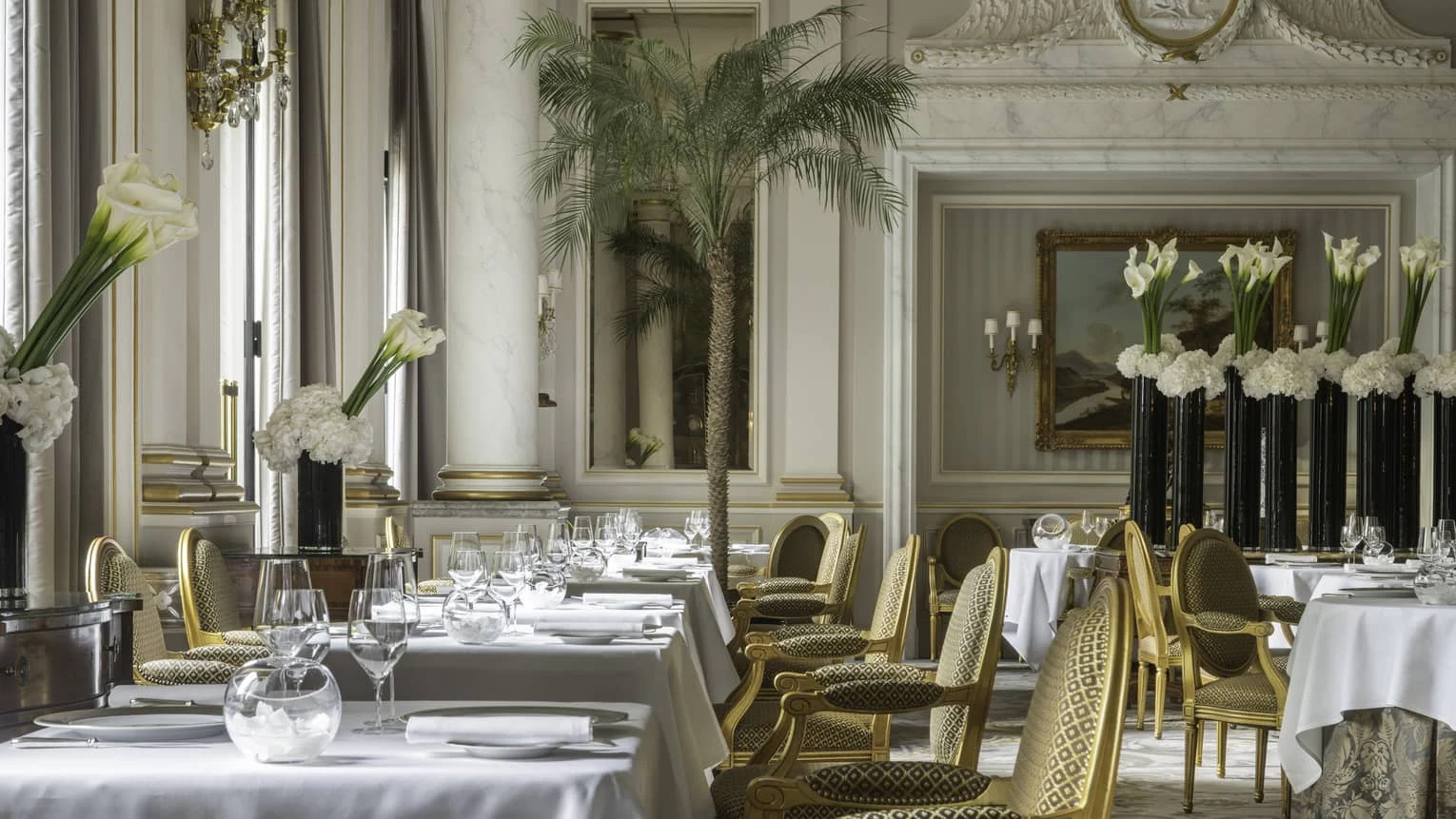
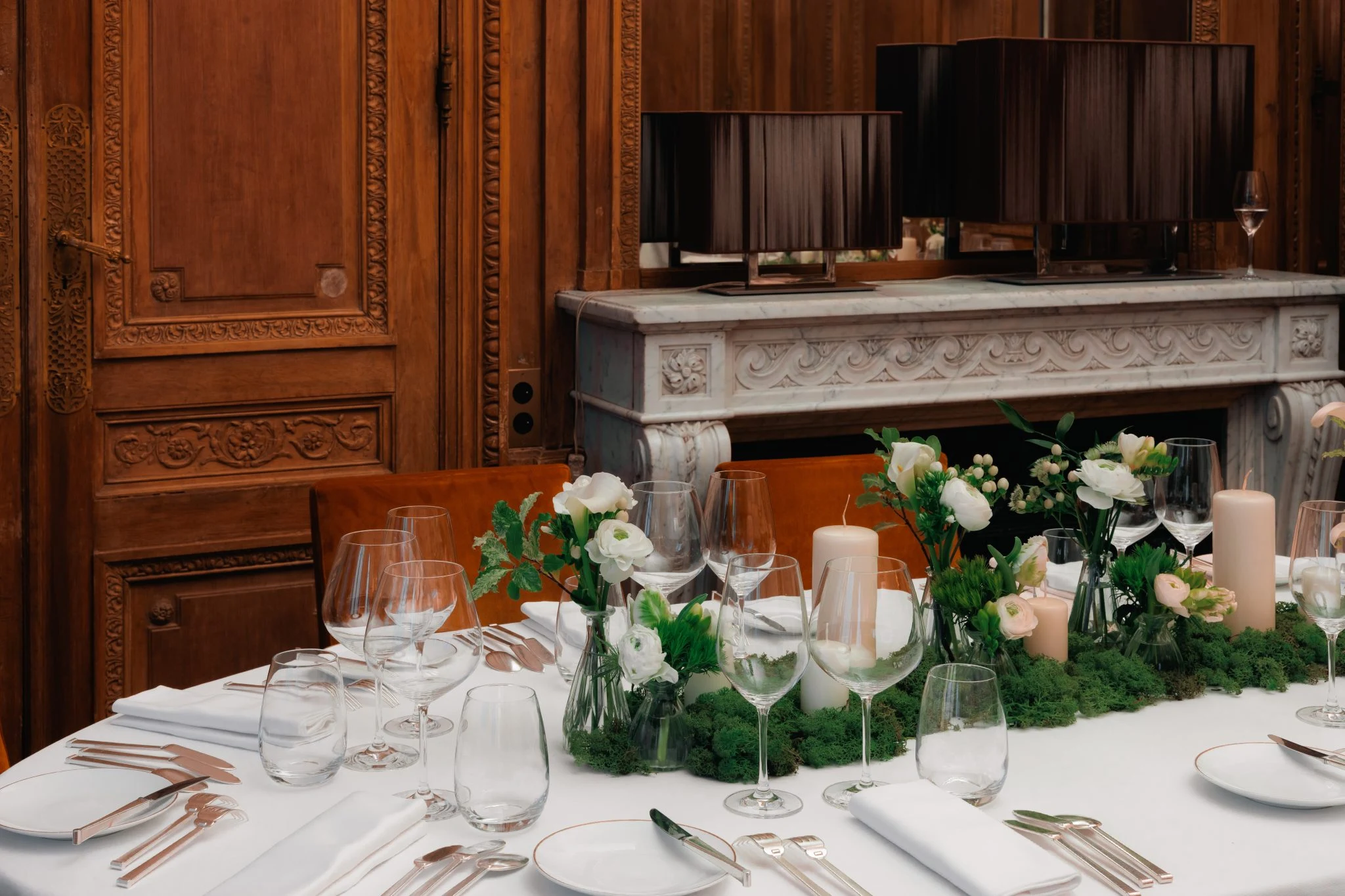
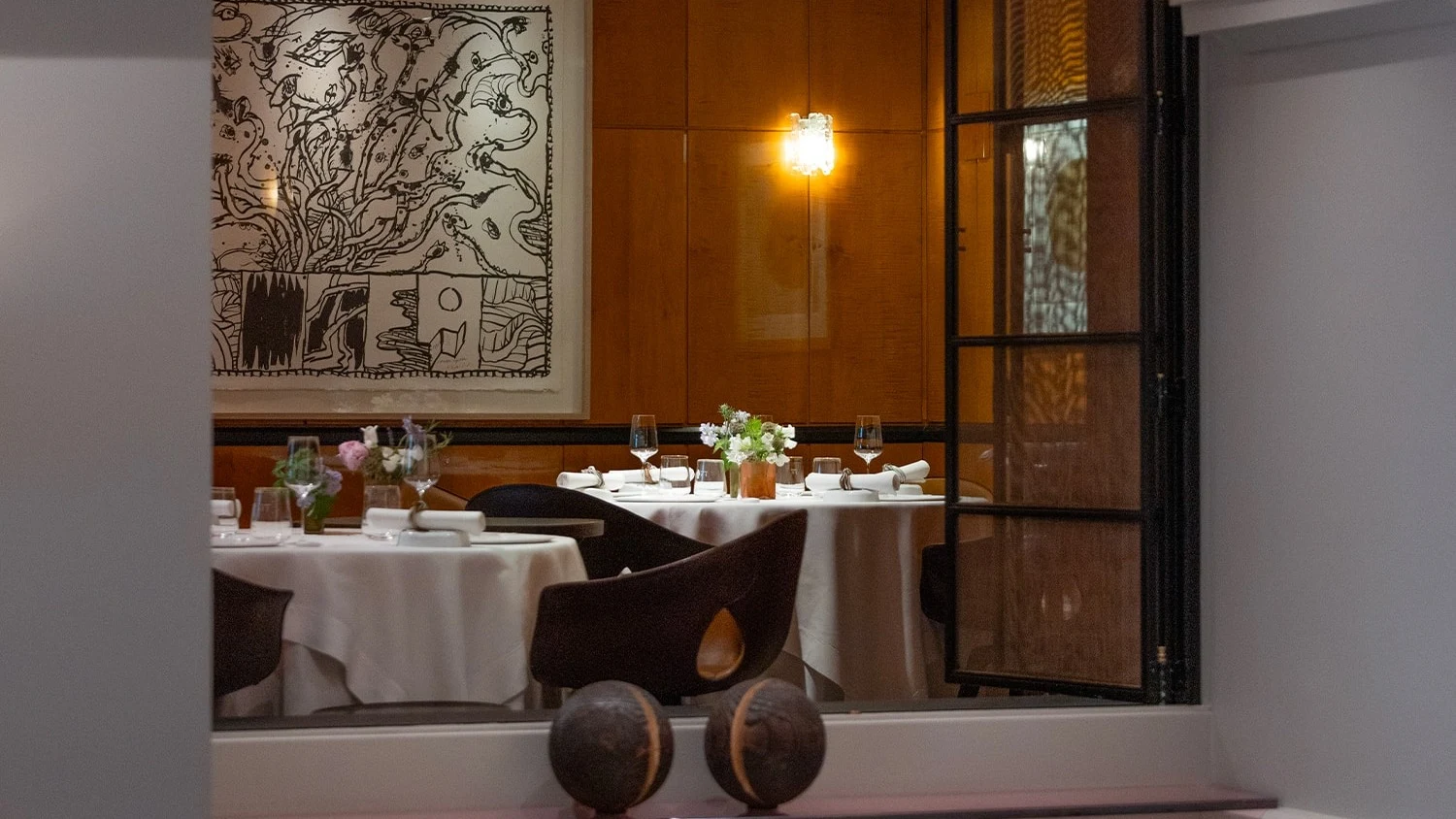
L'Abysse au Pavillon Ledoyen is a 2-Michelin-star French-Japanese fusion omakase counter in Paris, priced at €€€€ and located at 8 Av. Dutuit, 75008 Paris, France. It has housed three-Michelin-starred cooking under Yannick Alléno since 2014. What is less expected is that within that same building, tucked beneath the main dining rooms, sits L'Abysse: a Japanese omakase counter that draws its identity not from French classical technique but from the stripped-back discipline of Tokyo's sushi tradition. The contrast is not incidental. It reflects a deliberate architectural choice about how a single prestige address can hold multiple culinary registers at once.
That kind of multi-format thinking has become a hallmark of how top-tier European fine dining addresses extend their reach. Rather than diluting a flagship, a secondary concept at the same address allows a chef with significant institutional capital to sponsor a different tradition entirely. For context, compare this to the moves made by other three-star houses across France, from Flocons de Sel in Megève to Bras in Laguiole, where the project remains singular and tightly controlled. L'Abysse operates on a different logic: it borrows credibility from the Ledoyen address while pursuing a format that Alléno's own main dining room, Alléno Paris, does not attempt.
Where Alléno's Influence Sits in the Paris Japanese Scene
Paris has developed one of the most concentrated clusters of serious Japanese cooking outside Japan itself. The city's appetite for omakase has grown steadily over the past decade, with counters ranging from neighbourhood soba specialists like Abri Soba to high-commitment tasting formats such as Chakaiseki Akiyoshi and Sushi Yoshinaga. Alongside these, Aida and Hakuba occupy their own positions in that evolving hierarchy. L'Abysse operates in a different tier from all of them, defined less by its Japanese pedigree and more by the institutional weight of the address it inhabits.
That positioning carries a specific price signal. At €€€€, L'Abysse prices alongside the most formal French tables in the city, including L'Ambroisie, Le Cinq at the Four Seasons George V, and Plénitude. For a guest comparing Japanese omakase options, this places it in a narrower set than Tokyo-trained counters benchmarked against each other on rice temperature and fish sourcing. For a guest already committed to dining at the Ledoyen address, it offers a different register within the same price band. Understanding which type of guest you are shapes which of the two Ledoyen tables makes sense.
Internationally, the broader frame of reference for Japanese fine dining at this level includes addresses like Myojaku and Azabu Kadowaki in Tokyo, where the counter format carries decades of accumulated craft in its home territory. L'Abysse sits in a different relationship to that tradition: it transplants the counter format into one of the most formally French settings imaginable, which is either its central tension or its central proposition, depending on your view.
Alléno's Role and the Question of Culinary Succession
Yannick Alléno is the head chef at the address. His position in French haute cuisine is well-documented. What is less frequently examined is how he functions in relation to younger talent. La Liste's 2026 commentary notes his active investment in the next generation of chefs, citing his involvement with competitions such as Les Toques de demain (focused on Val de Loire vegetables) and his appearances on Leading Chef, as well as the appointment of young chefs including Belgian chef Curtis Mulpas. His son Thomas, involved in events including the Salon des Vins de la Vallée du Rhône, appears as part of that broader network.
This mentorship orientation matters for understanding L'Abysse's position within the Ledoyen group. The counter functions partly as a sponsored format, a space where a different culinary discipline operates under the credibility umbrella of an established three-star address. Whether that arrangement benefits the Japanese counter tradition on its own terms is a question worth holding. It does, however, produce a restaurant that has earned two Michelin stars in its own right (confirmed in both 2024 and 2025 editions) and an Opinionated About Dining ranking of 204th in Europe as of 2024, with a Highly Recommended listing in OAD's New European Restaurants for 2023.
That observation applies primarily to the main Alléno Paris dining room rather than L'Abysse, where the Japanese omakase format centres fish rather than vegetables by design. But it signals something about how even closely watched three-star operations can have editorial blind spots, and how serious food guides distinguish between technical achievement and full-range mastery.
The Counter Format in a Parisian Context
The omakase counter as a format imposes specific conditions on the dining experience. Seating is fixed, the sequence is chef-directed, and the interaction between guest and kitchen is more direct than at a conventionally tabled French restaurant. In Tokyo, where this format originated, counters like those at Myojaku or Azabu Kadowaki exist in a competitive environment shaped entirely by that tradition. In Paris, the counter sits inside a 19th-century pavilion, surrounded by gardens and the accumulated symbolism of French gastronomy. The format arrives with a different kind of friction.
That friction is not necessarily a weakness. Paris's most interesting Japanese restaurants, from the austere kaiseki discipline at Chakaiseki Akiyoshi to the more accessible positioning of Hakuba, have each found a way to position Japanese cooking within a city that already has its own deeply entrenched fine-dining codes. L'Abysse's version of that negotiation is more architecturally dramatic than most, given the address.
Compared with the French houses that cluster around the 8th arrondissement and the broader prestige tier, including Le Cinq and Kei, L'Abysse holds an unusual position. Kei is itself a French-Japanese hybrid, but it operates within the classical French service format. L'Abysse retains the Japanese counter structure. The distinction matters when you are deciding how you want to spend three to four hours at this price point in this city.
Planning Your Visit
L'Abysse is open Monday through Friday for both lunch (12 to 2 pm) and dinner (7 to 9:30 pm), with the restaurant closed on Saturday and Sunday. The weekend closure is worth noting for visitors scheduling around a Paris weekend, as it narrows the booking window significantly.
| Venue | Format | Price | Stars | Days Open |
|---|---|---|---|---|
| L'Abysse au Pavillon Ledoyen | Japanese omakase counter | €€€€ | 2 Michelin | Mon–Fri |
| Alléno Paris au Pavillon Ledoyen | Creative French tasting | €€€€ | 3 Michelin | Mon–Fri |
| Kei | French-Japanese hybrid | €€€€ | 3 Michelin | Varies |
| Le Cinq (Four Seasons George V) | Modern French | €€€€ | 3 Michelin | Daily |
| Plénitude | Contemporary French | €€€€ | 3 Michelin | Varies |
Questions
Frequently asked
What recognition does L'Abysse au Pavillon Ledoyen hold?
L'Abysse au Pavillon Ledoyen holds 2 Michelin stars.
Who works at L'Abysse au Pavillon Ledoyen?
Made By profiles Yannick Alléno (Chef) at L'Abysse au Pavillon Ledoyen.
How expensive is L'Abysse au Pavillon Ledoyen?
L'Abysse au Pavillon Ledoyen is listed at a price level of $$$$.
Where is L'Abysse au Pavillon Ledoyen and what does it serve?
L'Abysse au Pavillon Ledoyen is in 8e Arrondissement, Paris, serving French-Japanese Fusion Omakase.
The field
How it compares
| Place | Awards | Cuisine | Notes |
|---|---|---|---|
| L'Abysse au Pavillon Ledoyen | Michelin 2 Stars | French-Japanese Fusion Omakase | 8e Arrondissement, $$$$ |
| Arpège | Michelin 3 Stars, World's 50 Best | Vegetable-Focused French Fine Dining | Paris |
| Epicure | Michelin 3 Stars | Contemporary French Fine Dining | Paris |
| Guy Savoy | Michelin 2 Stars, World's 50 Best | Classic French Fine Dining | Paris |
| Le Cinq | Michelin 3 Stars, World's 50 Best | Modern French Fine Dining | Paris |
| Le Taillevent | Michelin 2 Stars, World's 50 Best | Classic and Modern French Fine Dining | Paris |
| Pierre Gagnaire | Michelin 3 Stars, World's 50 Best | Avant-Garde French Fine Dining | Paris |
In residence
Similar places
Vegetable-Focused French Fine Dining
Arpège
Paris, France
★★★ · 50 Best
Contemporary French Fine Dining
Epicure
Paris, France
★★★
Classic French Fine Dining
Guy Savoy
Paris, France
★★ · 50 Best
Modern French Fine Dining
Le Cinq
Paris, France
★★★ · 50 Best
Classic and Modern French Fine Dining
Le Taillevent
Paris, France
★★ · 50 Best
Avant-Garde French Fine Dining
Pierre Gagnaire
Paris, France
★★★ · 50 Best