- Tales Spirited Awards Best U.S. Bar Team presented by William Grant & Sons Top 10 Nominee · 2026
Lower Highland's Drinking Corridor and Where Lady Jane Fits
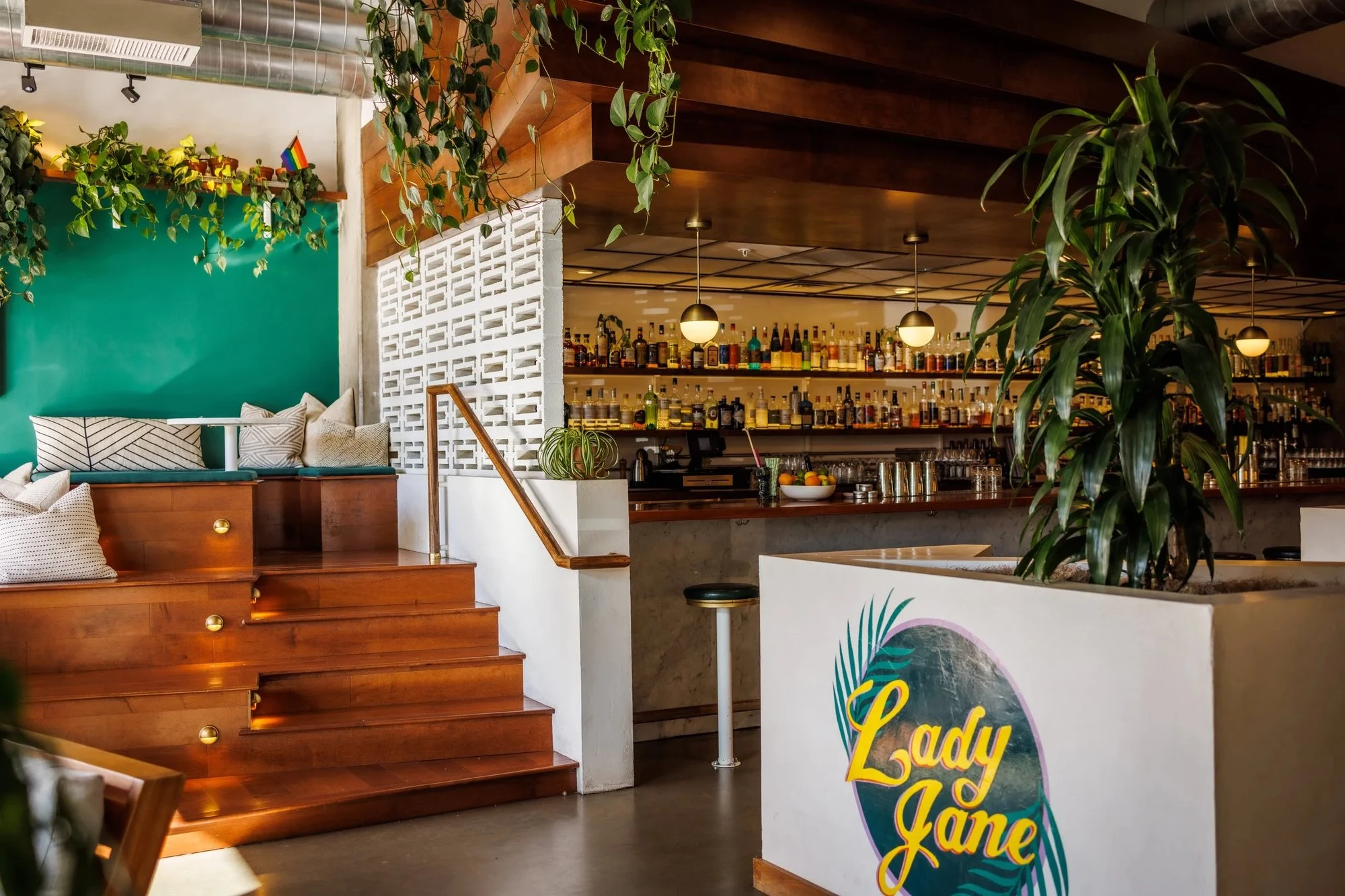
Denver's Lower Highland neighbourhood has become a coherent drinking destination. The corridor along 32nd Avenue now holds a concentration of bars that range from technically rigorous rooms to neighbourhood-first spots that keep a local crowd returning on weekday nights. Lady Jane, at 2021 W 32nd Ave, occupies a position in that second current without abandoning the craft sensibility that defines the better end of the first.
The approach tells you something about the bar's register before you're through the door. Lower Highland is a grid of Victorian-era bungalows and converted storefronts, and the neighbourhood's commercial strips carry that residential scale into their bar and restaurant rooms. The result is an atmosphere in which a serious cocktail program and a genuinely unpretentious room are not in competition with each other, which remains rarer than it should be in cities where cocktail ambition tends to arrive alongside price signals and deliberate theatrical staging.
The Technique Question: What Denver's Better Bars Are Doing Now
Colorado's bar scene has been experimenting for several years, and Lady Jane is part of that shift. The state's bartenders work with high-altitude herbs, regional spirits producers, and a produce calendar that rewards attentive menus across the year.
The bars in Denver that are doing this well share a recognisable approach: imported technique applied to local material, rather than imported technique applied to imported material with a Colorado label attached. It is a distinction that matters. Williams & Graham, which operates in a different price tier and a more theatrical format, built its reputation partly on bibliophile conceits, but the underlying program is technically grounded in a way that rewards repeat visits. Death & Co (Denver), importing its brand from New York, brought an established cocktail vocabulary into a market that was ready to receive it. Lady Jane is working in the same conversation, from a neighbourhood perch rather than a destination platform.
That position has analogues elsewhere. Kumiko in Chicago and Jewel of the South in New Orleans both demonstrate that a bar can carry serious technique credentials while remaining embedded in neighbourhood geography rather than operating as a citywide draw. Julep in Houston does similar work through a Southern ingredients frame. The pattern is consistent: bars that know their neighbourhood and their craft simultaneously tend to produce more durable programs than those optimised for either alone.
Reading the Room: Format, Crowd, and What the Bar Signals
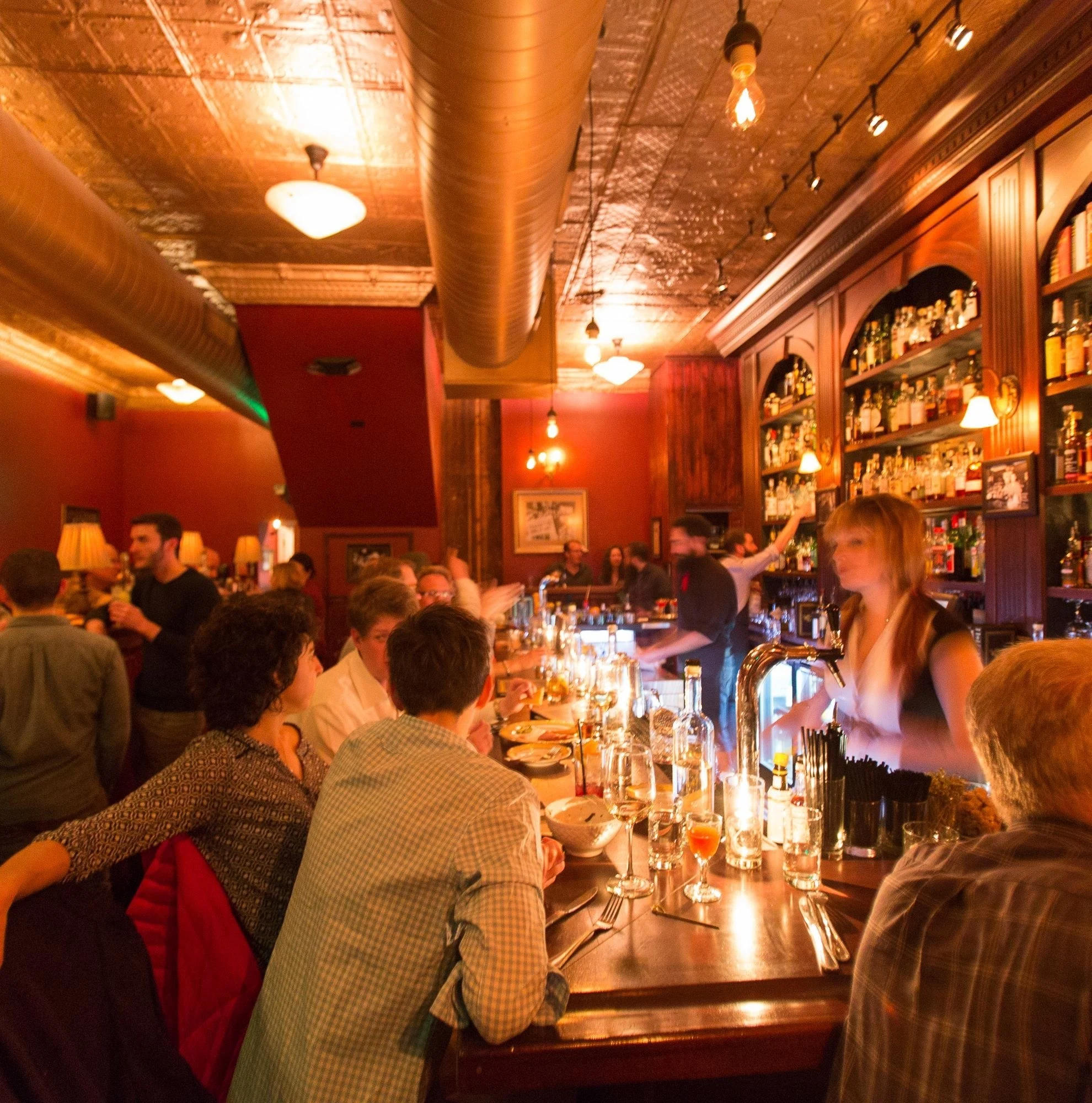
Lower Highland's residential scale imposes a useful discipline on its bars. The rooms tend to stay human in size, and the crowds that form on a Thursday or Friday night are more mixed in age and intent than the more curated audiences in Denver's downtown cocktail rooms. At a bar like Lady Jane, that mix is part of the editorial. The room is not asking you to perform connoisseurship; it is asking you to drink well and stay a while.
That approach has a wider parallel in the American bar scene. ABV in San Francisco and Superbueno in New York City both operate on a version of this principle: the technical bar that does not require the guest to arrive already briefed. Bar Leather Apron in Honolulu carries comparable precision into a market that had less established cocktail infrastructure to begin with. The throughline is bars that have worked out how to hold craft standards and accessibility without letting either collapse.
Denver's west side, which includes Lower Highland and the neighbourhoods running north toward Yacht Club, has become the part of the city where that balance is most consistently achieved. The east side and downtown produce bars with higher theatricality and, in some cases, higher technical ceilings, but the neighbourhood-scale rooms are where regular drinking culture is formed. Ace Eat Serve demonstrates how far a west-side bar can push a concept while remaining genuinely accessible. Lady Jane sits in that same register.
Local Ingredients and the Broader Method
The editorial angle that runs through Denver's better craft bars is the meeting point of globally acquired technique and locally sourced material. Colorado distilling has matured considerably since the first wave of small producers arrived in the early 2010s; the state now has spirits producers whose work holds up against direct coastal comparison rather than requiring the provenance credit to carry the argument. A bar that builds its list around those producers and around the region's seasonal produce is making a different kind of program than one that sources globally and applies technique neutrally.
That local-global intersection is where bars in this part of Denver tend to find their most coherent identity. It connects to a wider pattern visible in American cocktail bars from Frankfurt to Honolulu: the most durable programs tend to be those where place informs the selection without becoming a marketing constraint. Lady Jane operates at that intersection, drawing on the neighbourhood's character as much as on the bartender's technical vocabulary.
Know Before You Go
- Address: 2021 W 32nd Ave, Denver, CO 80211
- Neighbourhood: Lower Highland (LoHi), Denver
Questions
Frequently asked
Who works at Lady Jane?
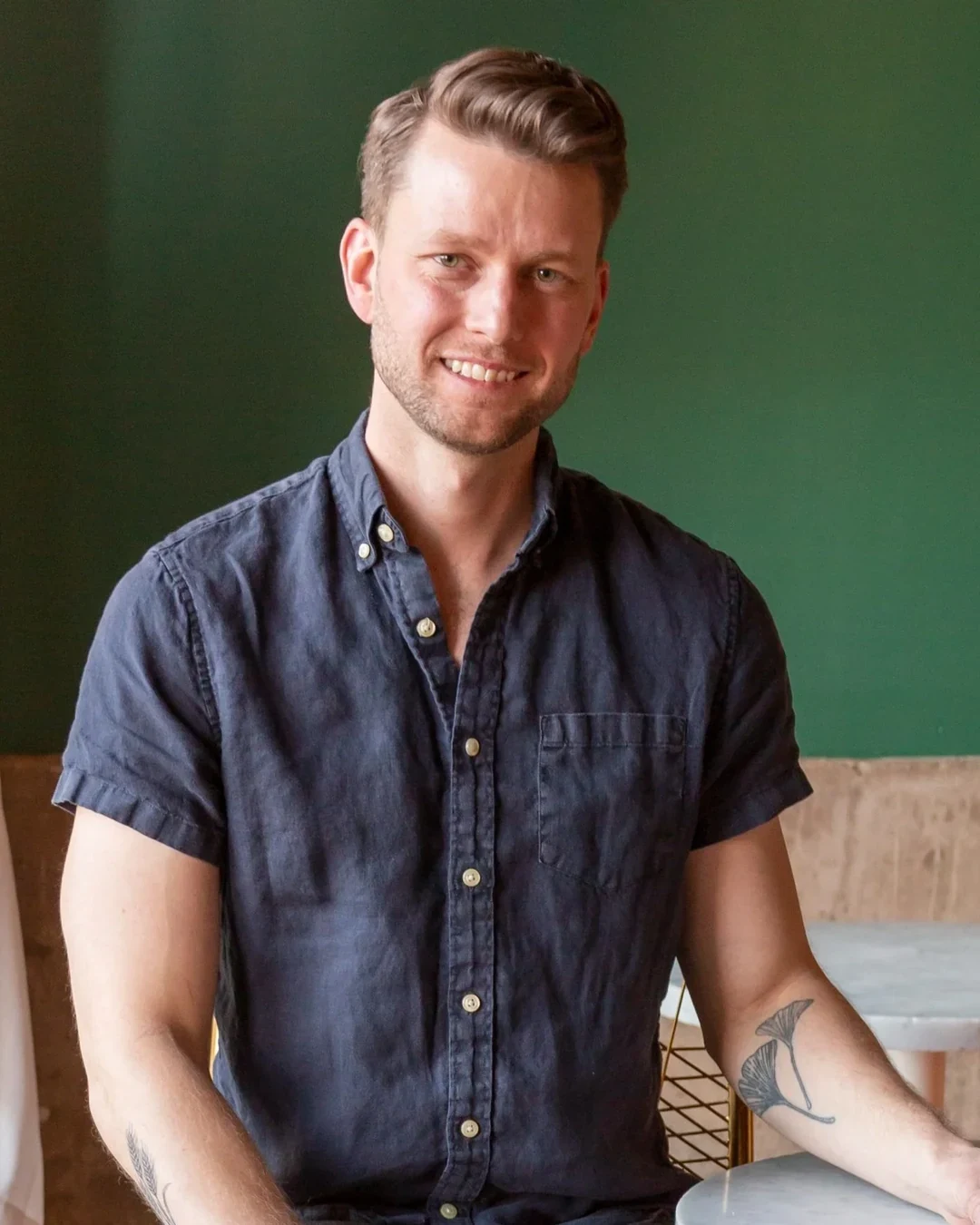
Made By profiles Stuart Weaver (Other) at Lady Jane.
How expensive is Lady Jane?
Lady Jane is listed at a price level of $$.
The field
How it compares
| Place | Notes | Awards |
|---|---|---|
| Lady Jane | Highland, $$ | · |
| Williams & Graham | Denver | World's 50 Best |
| Yacht Club | Denver | World's 50 Best |