Latasia Casa De Comidas
In Residence
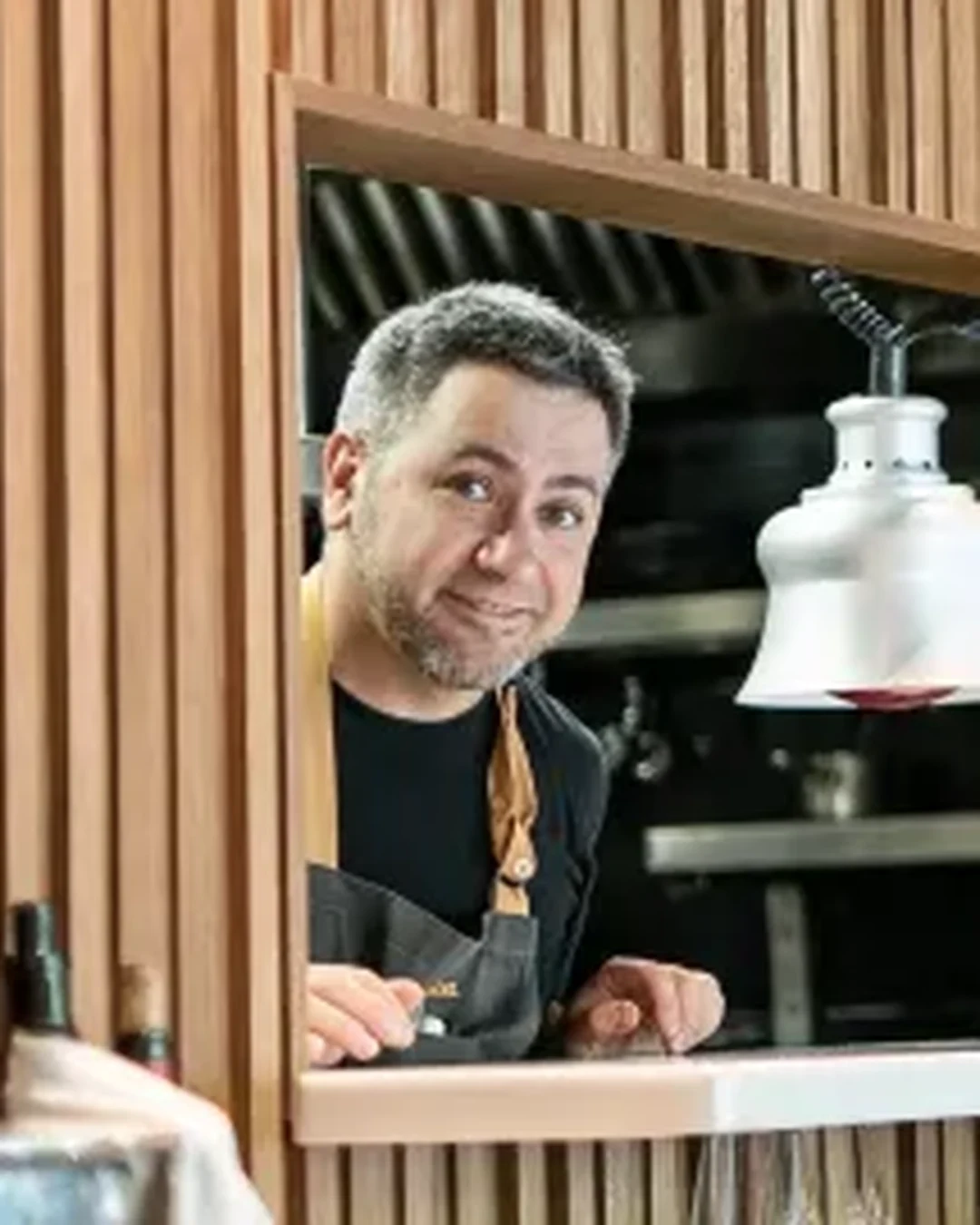
Roberto Hernández
Chef
- 01CuisinePeruvian-Spanish-Asian Fusion
- 02CityMadrid, Spain
- Opinionated About Dining Casual in Europe Recommended · 2026
- Opinionated About Dining Casual in Europe Ranked #712 · 2025
Tetuán's Dining Character and Where Latasia Fits
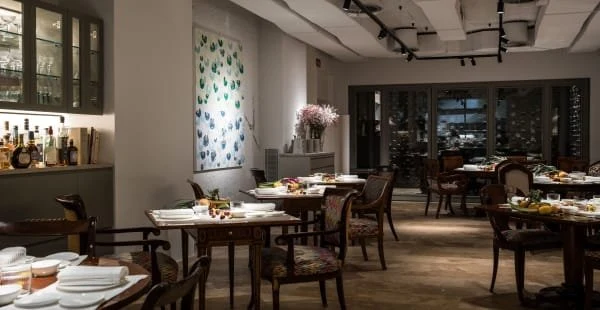
Madrid's restaurant identity is split along a clear fault line. At the upper end, Michelin-chasing kitchens like DiverXO, Coque, and Deessa compete in a tier defined by tasting menus, named chefs, and significant per-cover prices. Below that, and arguably more representative of how Madrid actually eats, sits the casa de comidas, a format that resists translation but implies home-style cooking, a short menu written in chalk or changed daily, and a room that feels lived-in rather than designed. Latasia Casa De Comidas on Paseo de la Castellana operates somewhere between these poles, carrying the casa de comidas name while the Spanish Fusion designation suggests a kitchen that works across culinary registers rather than staying strictly within one.
Tetuán, the district immediately north of the city centre along the Castellana corridor, has developed a dining culture that serves a mix of resident families, office workers, and the kind of local regulars who anchor a neighbourhood restaurant's economics. It is not the address that draws destination diners the way Salamanca does, but that is partly the point. Restaurants here earn their following through consistency and value rather than through positioning or press. A 4.7 Google rating drawn from 1,858 reviews points to exactly that kind of earned reputation.
The Jamón Tradition and the Spanish Table
Any serious discussion of Spanish dining must account for jamón. It is not a garnish or an accent ingredient; in the Spanish culinary framework, cured ham is a category of its own, with a lineage, a geography, and a vocabulary that parallel wine culture in specificity. Jamón Ibérico de bellota, the fat-marbled product of acorn-fed Iberian pigs from the dehesa, the cork oak woodland system of Extremadura and Andalucía, represents one of the most labour-intensive food traditions in Europe. The curing process runs from 24 to 48 months for premium grades, and the fat infiltration that develops during that time is responsible for the characteristic silky texture and deep, nutty flavour profile that distinguishes it from the leaner, younger Serrano cuts cured in mountain air.
The Spanish casa de comidas format has always treated jamón as a foundational element rather than a luxury add-on. A well-cut plate of Ibérico, served at room temperature so the fat softens to the correct consistency, is the kind of opening that sets the tone for everything that follows. In a kitchen working within a Spanish Fusion frame, how that tradition is handled, whether it is used as a direct anchor or incorporated into composed dishes, tells you something about the kitchen's philosophy and its relationship to the canon. Spain's broader high-end scene, from Arzak in San Sebastián to El Celler de Can Roca in Girona and Aponiente in El Puerto de Santa María, has spent decades recontextualising these ingredients without abandoning their integrity. The same tension between tradition and reinterpretation plays out at every level of the market.
Spanish Fusion at Street Level
The Spanish Fusion designation carries different implications depending on where it appears on the price spectrum. At the upper end, creative kitchens like DSTAgE and Paco Roncero use international technique and non-Spanish ingredients as a deliberate conceptual statement. Further down, at the neighbourhood level, fusion more often means the practical incorporation of flavours and formats that reflect a city's actual population, Madrid's Latin American communities, its long-standing trade connections with North Africa and Asia, and the Spanish cook's instinct to adapt without abandoning the primary ingredients that define the table.
Latasia's ranking at #712 on the 2025 Opinionated About Dining Casual Europe list is a meaningful data point in this context. OAD's Casual Europe list is built from a large sample of informed diners who are rating on the basis of food quality relative to format and price, not prestige. A position in the top 750 of that list, in a continent with an extraordinary density of neighbourhood dining, indicates a kitchen that is cooking at a level above its tier's average. For comparison, Madrid's fine dining entries, venues like Disfrutar in Barcelona, Quique Dacosta in Dénia, and Azurmendi in Larrabetzu, occupy a completely separate tier on the OAD main list. Latasia is playing a different game and, by the evidence of its rating, playing it competently.
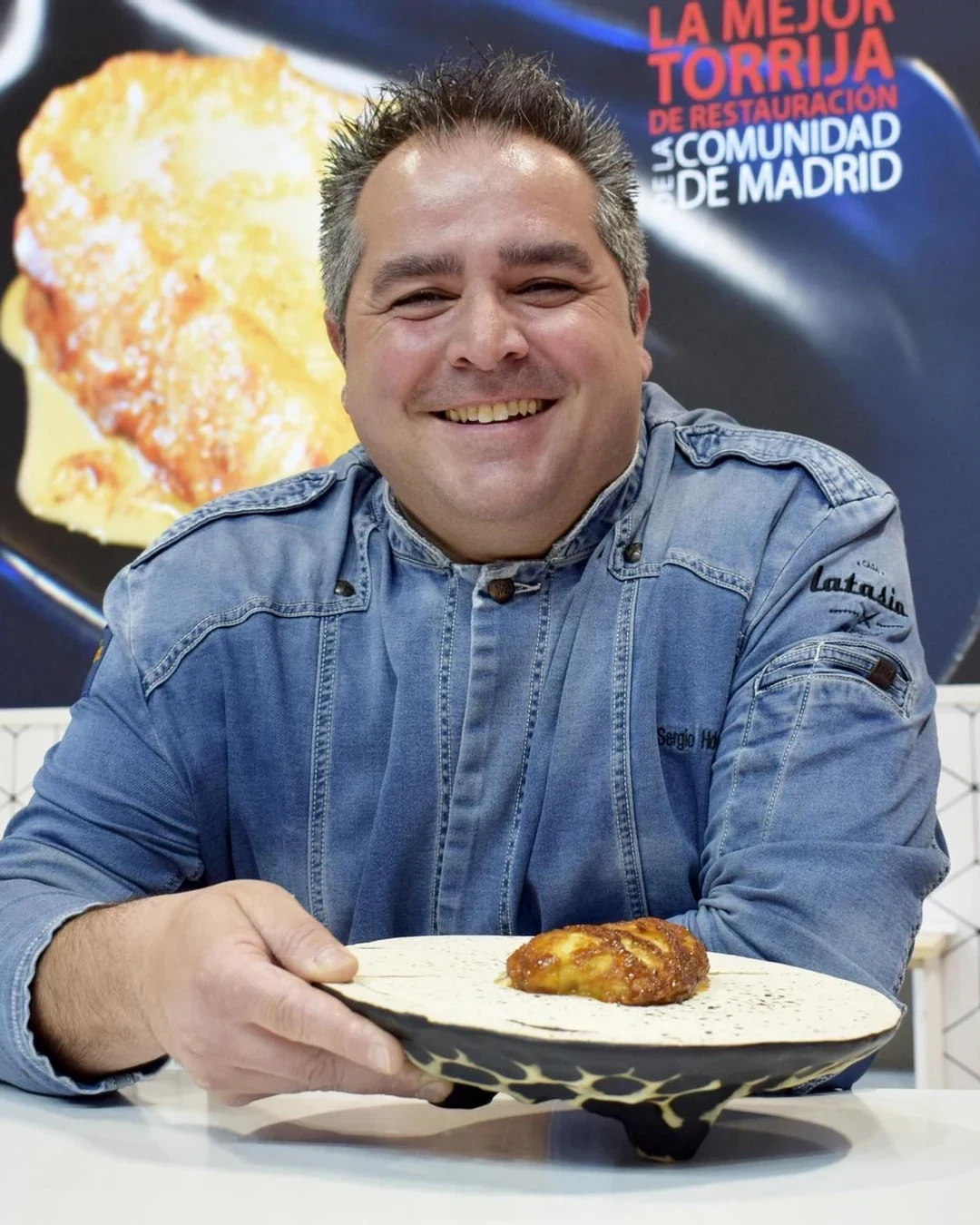
Roberto and Sergio Hernández
The kitchen runs under Roberto and Sergio Hernández, a sibling or family pairing, a format common in Spanish restaurant culture, where family-operated rooms have historically been the backbone of the casa de comidas tradition. The co-chef model often produces kitchens with a clearer sense of consistency than single-chef operations, since the burden of execution is distributed and the sense of shared ownership tends to show in the cooking. Beyond their names, the available record does not extend to training lineage or prior positions, so the credential here is the output rather than the biography: 1,600 reviews averaging 4.7 is the kind of track record that speaks without requiring further context.
Placing Latasia in Madrid's Broader Map
Madrid's restaurant ecosystem rewards exploration across price points. The city's menú del día culture means that even mid-tier rooms tend to offer structured dining at lunch for a fixed price, and the Spanish dinner schedule, rarely before 9pm, often later, means that the atmosphere in a working neighbourhood restaurant shifts meaningfully between service periods. A room that feels functional at midday often becomes genuinely convivial later in the evening, which is when the casa de comidas format tends to show at its most characteristic.
For readers building a Madrid itinerary that moves across categories and price points, the full picture extends well beyond any single address. Our full Madrid restaurants guide covers the breadth of the city's dining, while our Madrid hotels guide, bars guide, wineries guide, and experiences guide map the rest. For those whose Madrid reference points are built around tasting-menu destinations, venues like Le Bernardin in New York City and Atomix in New York City offer a global benchmark for understanding what separates format-driven fine dining from the neighbourhood cooking that Latasia represents.
Know Before You Go
- Address: P.º de la Castellana, 115, Tetuán, 28046 Madrid, Spain
- Cuisine: Spanish Fusion
- District: Tetuán, north along the Castellana corridor from the city centre
- Recognition: Opinionated About Dining Casual Europe 2025, ranked #712
- Google Rating: 4.7 from 1,600+ reviews
- Booking: Reservation recommended
- Hours: Mon: Closed; Tue-Sat: 1:30-4 PM, 8:30-11:30 PM; Sun: Closed
- Price range: About $45 per person
Questions
Frequently asked
Who works at Latasia Casa De Comidas?
Made By profiles Roberto Hernández (Chef) and Sergio Hernández (Chef) at Latasia Casa De Comidas.
How expensive is Latasia Casa De Comidas?
Latasia Casa De Comidas is listed at a price level of $$.
Where is Latasia Casa De Comidas and what does it serve?
Latasia Casa De Comidas is in Castillejos, Madrid, serving Peruvian-Spanish-Asian Fusion.
The field
How it compares
| Place | Cuisine | Notes | Awards |
|---|---|---|---|
| Latasia Casa De Comidas | Peruvian-Spanish-Asian Fusion | Castillejos, $$ | · |
| Coque | Modern Spanish Fine Dining | Madrid | Michelin 2 Stars |
| Corral de la Morería | Modern Spanish Fine Dining with Flamenco | Madrid | Michelin 1 Star |
| Desde 1911 | Premium Seafood Fine Dining | Madrid | Michelin 1 Star |
| DiverXO | Avant-Garde Spanish Tasting Menu | Madrid | Michelin 3 Stars, World's 50 Best |
| DSTAgE | Avant-Garde Spanish Tasting Menus | Madrid | Michelin 2 Stars |
| Paco Roncero | Avant-Garde Spanish Fine Dining | Madrid | Michelin 2 Stars |
In residence
Similar places
Modern Spanish Fine Dining
Coque
Madrid, Spain
★★
Modern Spanish Fine Dining with Flamenco
Corral de la Morería
Madrid, Spain
★
Premium Seafood Fine Dining
Desde 1911
Madrid, Spain
★
Avant-Garde Spanish Tasting Menu
DiverXO
Madrid, Spain
★★★ · 50 Best
Avant-Garde Spanish Tasting Menus
DSTAgE
Madrid, Spain
★★
Avant-Garde Spanish Fine Dining
Paco Roncero
Madrid, Spain
★★