Lavedán
In Residence
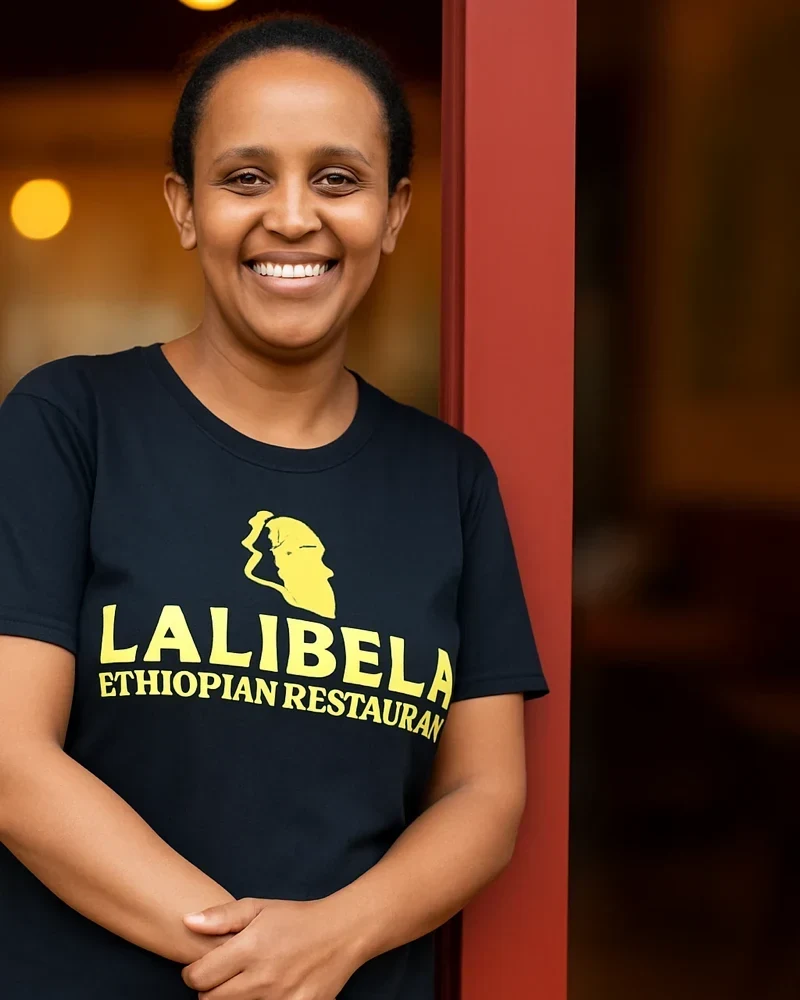
Shilimat Tessema
Chef
- 01CuisineRegional Spanish Mountain Gastronomy
- 02CityTramacastilla de Tena, Spain
- Michelin Bib Gourmand · Michelin Guide
- Michelin Bib Gourmand · 2026
- Macarfi 8.5 Food Rating · 2026
- Michelin Bib Gourmand · 2025
- Michelin Bib Gourmand · 2024
Stone Walls, Mountain Sourcing, and a Kitchen That Earned Its Credentials
The Valle de Tena sits in the Aragonese Pyrenees at an altitude that shapes everything edible around it: the pasture-grazed animals, the wild herbs that colonise the high meadows in summer, the game that moves through the forested flanks. In a valley where the landscape dictates the larder, the most serious kitchens are the ones that treat proximity to those ingredients not as a marketing line but as an actual discipline. Lavedán is the clearest example of that discipline at work in this part of Spain.
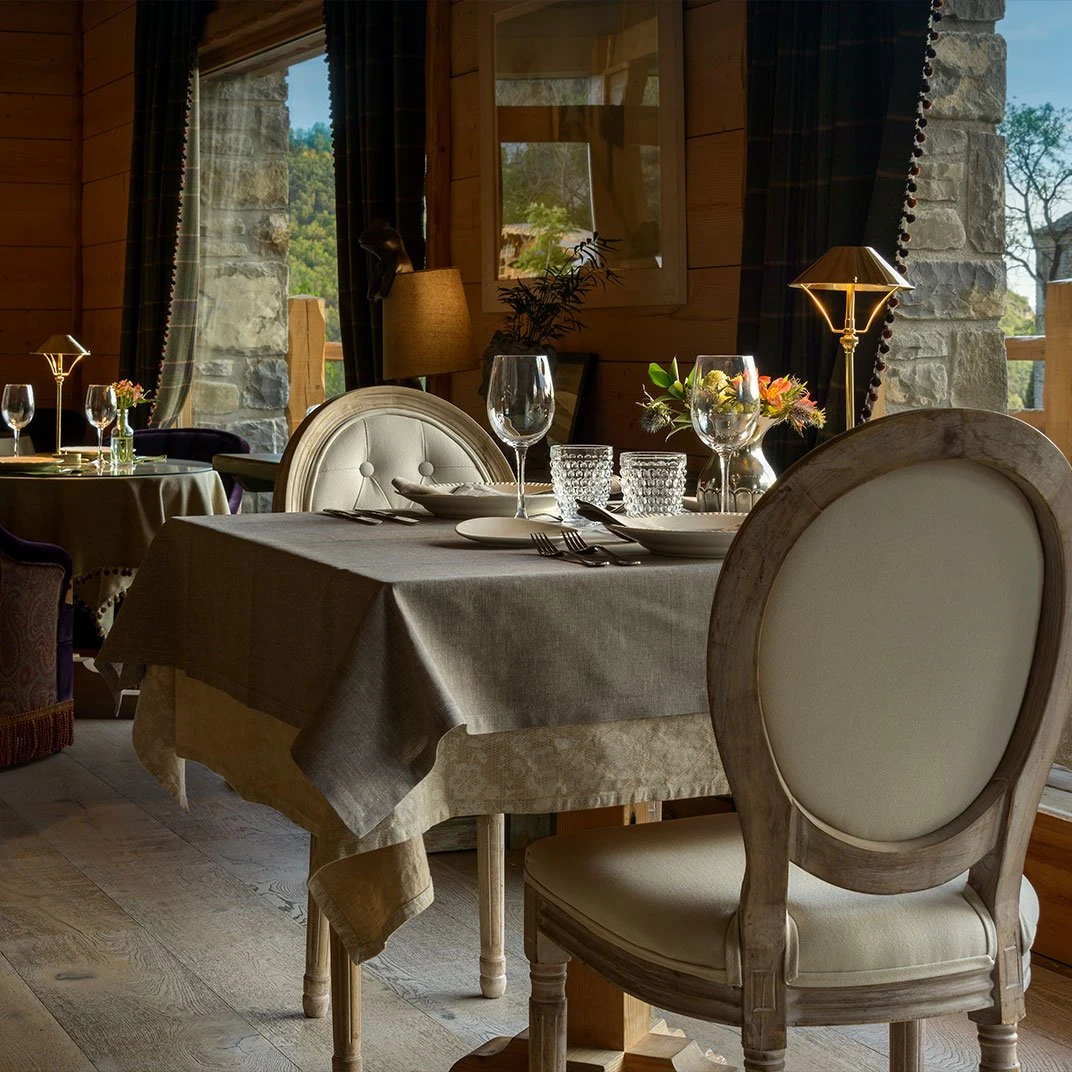
The building on Calle Navero was once a stable. The conversion has preserved the structural honesty of the space rather than smoothing it away: stone walls, the proportions of a working agricultural structure, an atmosphere that reads as rustic without performing it. That physical setting is not incidental to what the kitchen does. It frames an approach to mountain cooking that draws directly from the Aragonese Pyrenean larder rather than referencing it from a distance.
Where the Ingredients Come From, and Why That Matters Here
Aragonese mountain gastronomy has a specific identity that separates it from the broader Iberian canon. The proteins are predominantly from altitude: wild boar, lamb from breeds adapted to high grazing, game birds, freshwater fish from Pyrenean rivers. The aromatics are foraged or grown short-distance, and the preservation and marinading traditions reflect a culture that historically needed to extend the season's yield through cold months. These are not affectations borrowed from trend-forward Nordic kitchens; they are the actual historical logic of cooking at elevation in a place with hard winters.
The kitchen at Lavedán operates squarely within that tradition while updating its technique. The clearest single proof is the wild boar tongue in elderberry marinade, which won the award for Leading Marinade in Spain at Madrid Fusión 2025. Madrid Fusión is among the most closely watched professional forums in Spanish gastronomy, drawing chefs and critics from the wider European scene alongside Spain's own community. A specific product award there carries weight precisely because it is not a general acclaim for ambience or concept but a technical judgement on a single preparation. The elderberry itself is native to the Pyrenean foothills; its appearance in a marinade here is sourcing logic, not decoration.
That kind of ingredient specificity separates Lavedán from the broader category of Pyrenean tourist dining, which can run to generic mountain stews and grilled meats with no particular connection to local tradition. This kitchen knows the difference between cooking with regional ingredients and cooking regionally, and it lands consistently on the right side of that distinction.
Two Michelin Bib Gourmand Listings and What They Signal
Michelin awarded Lavedán a Bib Gourmand in both 2024 and 2025. The Bib Gourmand category is specific in its criteria: it recognises cooking that Michelin inspectors judge to offer notable quality at a price point they consider accessible rather than premium. In practice, it functions as a signal that the kitchen is performing at a level serious enough to attract Michelin attention without the prix-fixe architecture or ingredient extravagance that drives starred restaurant economics. Consecutive Bib Gourmand listings confirm sustained execution rather than a single good year.
In the Spanish context, where the starred tier is dense with ambitious urban and coastal restaurants, from Arzak in San Sebastián to Disfrutar in Barcelona and El Celler de Can Roca in Girona, a Bib Gourmand in a small Pyrenean village is a different kind of achievement. It means a Michelin inspector travelled to Tramacastilla de Tena, ate the food, and judged it worth directing readers toward. That is not a low bar in a country that also produces the cooking at Aponiente in El Puerto de Santa María, DiverXO in Madrid, Mugaritz in Errenteria, Azurmendi in Larrabetzu, Quique Dacosta in Dénia, Ricard Camarena in València, and Martin Berasategui in Lasarte-Oria.
The kitchen is run by Sergio Sainz, with Carla Frigolé managing the dining room. That front-of-house and kitchen division between two people running a single small restaurant in a mountain village represents a level of operational seriousness that the Bib Gourmand listing corroborates. The Google review score of 4.8 across 370 reviews adds a separate data layer: sustained diner satisfaction over a significant number of covers.
How the Menu Is Structured
Lavedán offers three distinct ordering formats. The à la carte option allows guests to compose their own meal, suitable if you already know the kitchen's strengths and want to concentrate on specific dishes. The daily set menu, called Chicorrón, follows the logic of a market menu: shorter, priced accessibly, updated according to what the kitchen is working with. The tasting menu, called Borina en a val, commits to the kitchen's full arc and is the format that gives the most complete picture of how Sergio Sainz is reading the Aragonese mountain larder at a given moment in the season.
The price bracket sits at €€, which in the Spanish regional dining context means the kitchen is not extracting a premium for the Bib Gourmand recognition. For comparison, mountain-kitchen peers at a similar altitude-and-tradition positioning elsewhere in the Alps, such as Gannerhof in Innervillgraten or Fahr in Künten-Sulz, operate within comparable regional-cuisine frameworks but in markets with different baseline price structures.
Planning the Visit
Tramacastilla de Tena is a village in the Tena Valley in Huesca, Spain.
The address is C. Navero, 19, 22663 Tramacastilla de Tena, Huesca, Spain. Given the village's scale, there is no ambiguity about finding the building once you are in the centre. For those visiting the wider area and wanting to compare the regional cuisine offering, Hospedería El Batán represents the modern cuisine alternative in the same village.
Questions
Frequently asked
What recognition does Lavedán hold?
Lavedán holds a Michelin Bib Gourmand.
Who works at Lavedán?
Made By profiles Shilimat Tessema (Chef) and Wub Tessema (Chef) at Lavedán.
How expensive is Lavedán?
Lavedán is listed at a price level of $$.
Where is Lavedán and what does it serve?
Lavedán is in Tramacastilla de Tena, Tramacastilla de Tena, serving Regional Spanish Mountain Gastronomy.
The field
How it compares
| Place | Cuisine | Notes | Awards |
|---|---|---|---|
| Lavedán | Regional Spanish Mountain Gastronomy | Tramacastilla de Tena, $$ | · |
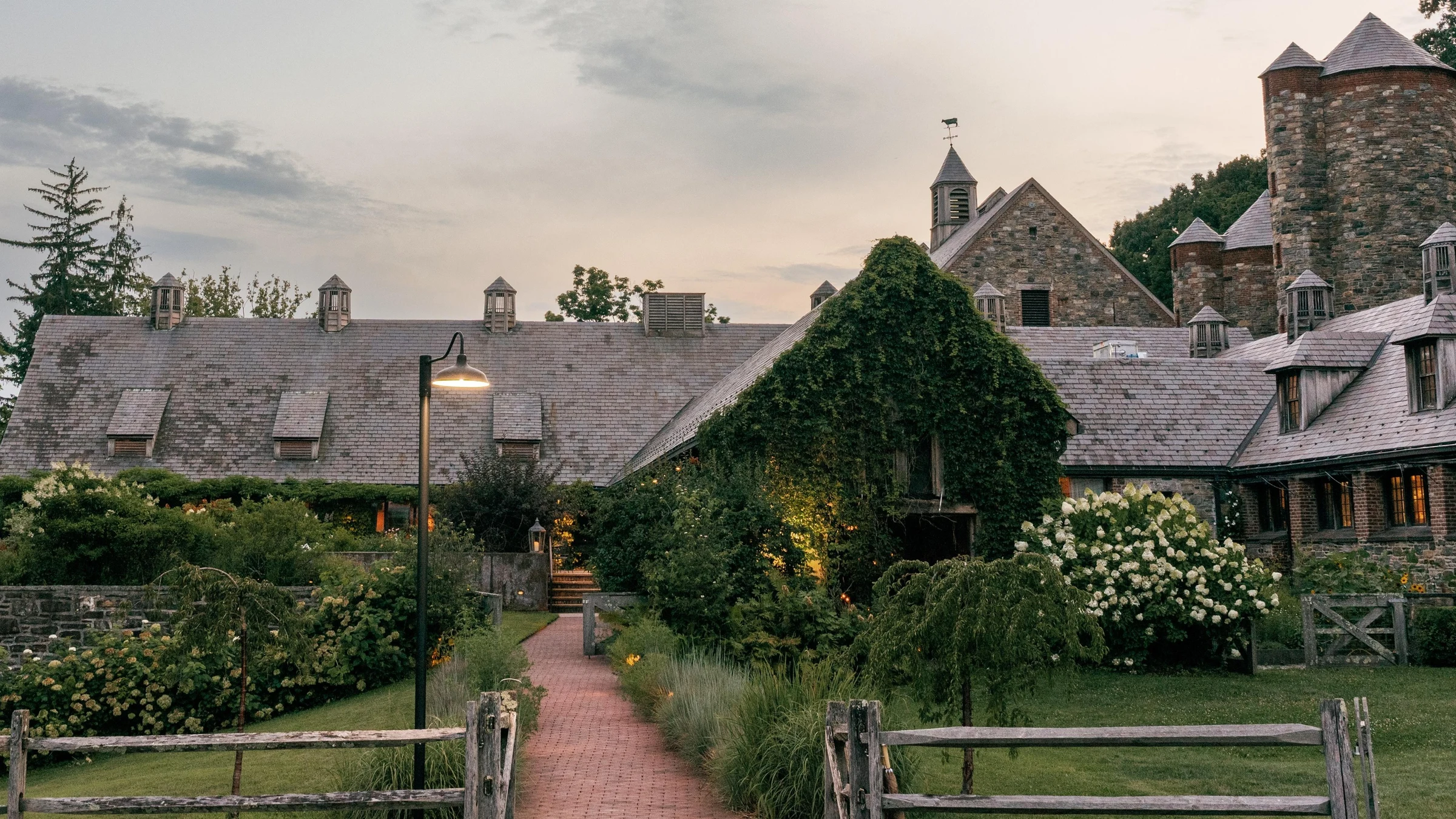
| Blue Hill at Stone Barns | Farm-to-Table Fine Dining | Tarrytown | Michelin 2 Stars, World's 50 Best |
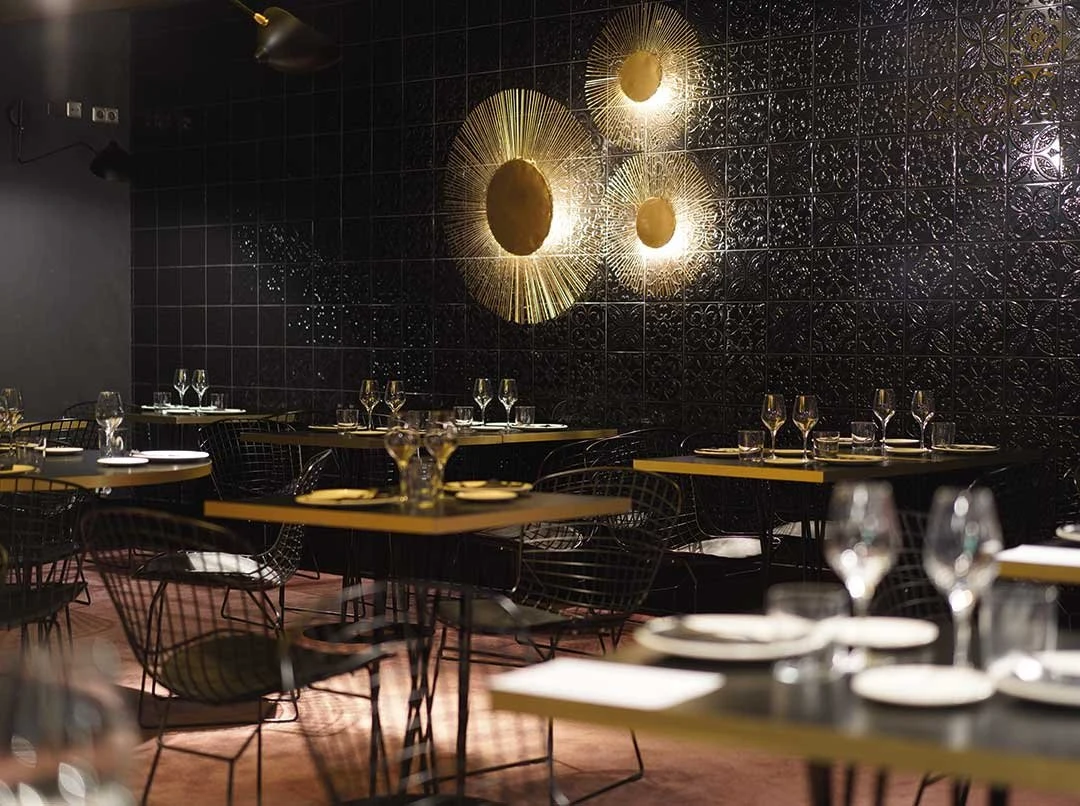
| Casa Marcial | Modern Asturian Fine Dining | Arriondas | Michelin 3 Stars |
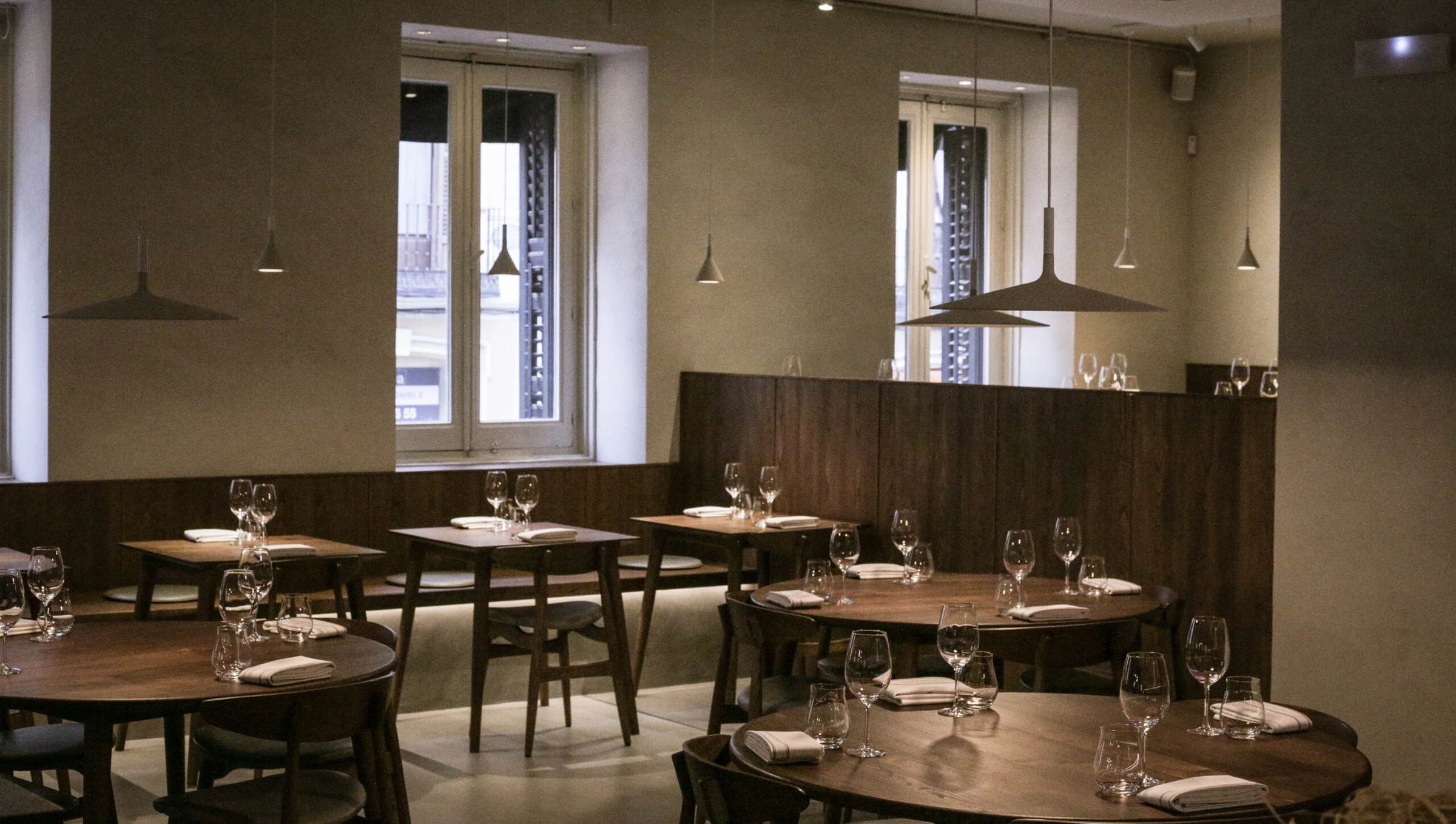
| DSTAgE | Avant-Garde Spanish Tasting Menus | Madrid | Michelin 2 Stars |
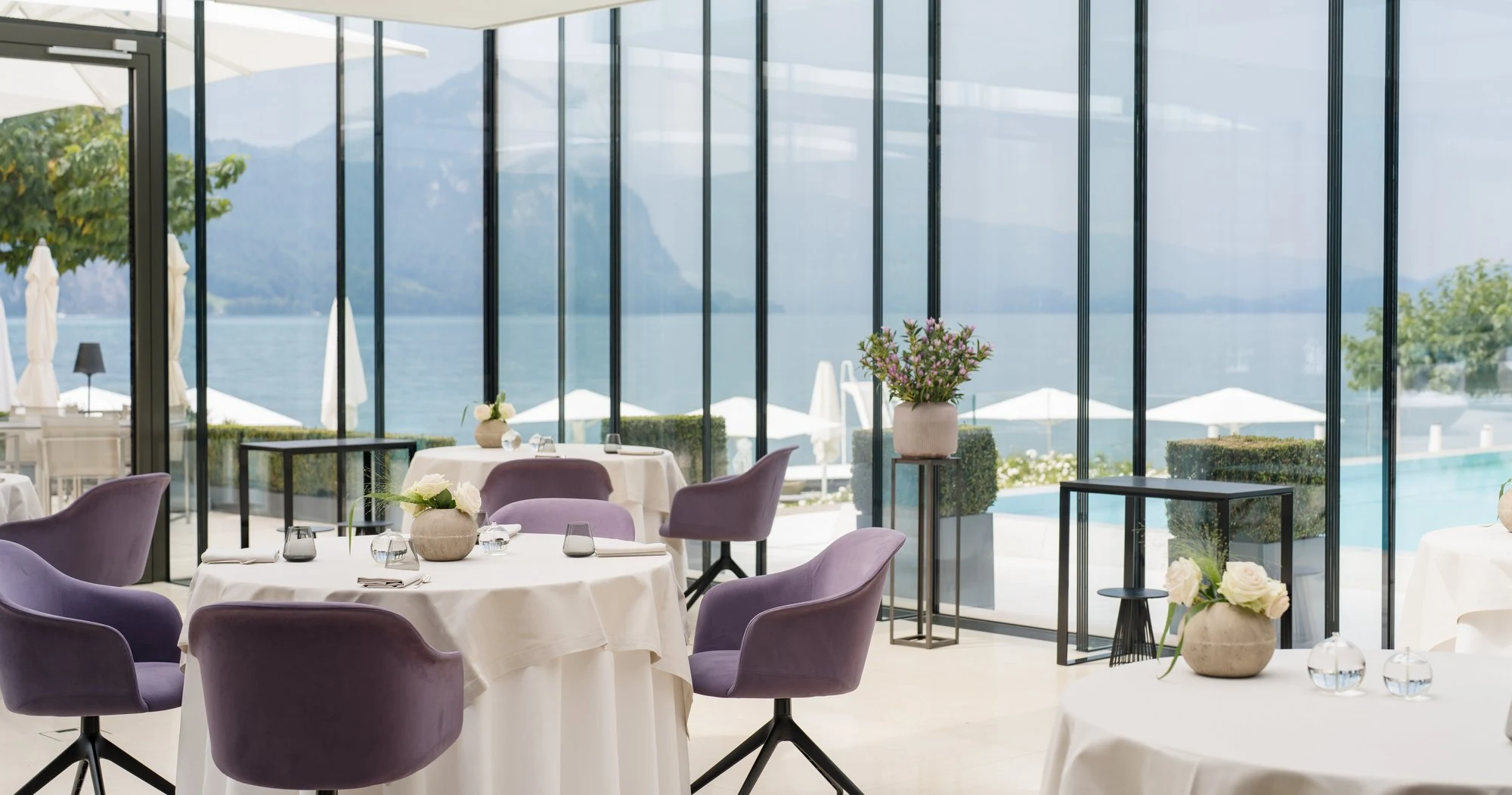
| focus ATELIER | Modern French Fine Dining | Vitznau | Michelin 2 Stars |
| Jaan by Kirk Westaway | Modern British Fine Dining | Singapore | Michelin 2 Stars, World's 50 Best |
| Sézanne | Modern French Fine Dining | Tokyo | Michelin 3 Stars, World's 50 Best |
In residence
Similar places
Farm-to-Table Fine Dining
Blue Hill at Stone Barns
Tarrytown, United States
★★ · 50 Best
Modern Asturian Fine Dining
Casa Marcial
Arriondas, Spain
★★★
Avant-Garde Spanish Tasting Menus
DSTAgE
Madrid, Spain
★★
Modern French Fine Dining
focus ATELIER
Vitznau, Switzerland
★★
Modern British Fine Dining
Jaan by Kirk Westaway
Singapore, Singapore
★★ · 50 Best
Modern French Fine Dining
Sézanne
Tokyo, Japan
★★★ · 50 Best