From the people index
Recommended by
One trusted voice points here.
- Michelin Plate · 2026
- Opinionated About Dining Casual in Europe Recommended · 2026
- Michelin Plate · 2025
- We're Smart World 1 Radish · 2025
- Opinionated About Dining Casual in Europe Ranked #416 · 2025
- Michelin Plate · 2024
- Opinionated About Dining Casual in Europe Ranked #344 · 2024
- Opinionated About Dining Casual in Europe Highly Recommended · 2023
A Brasserie Inside a Station, and What That Actually Means
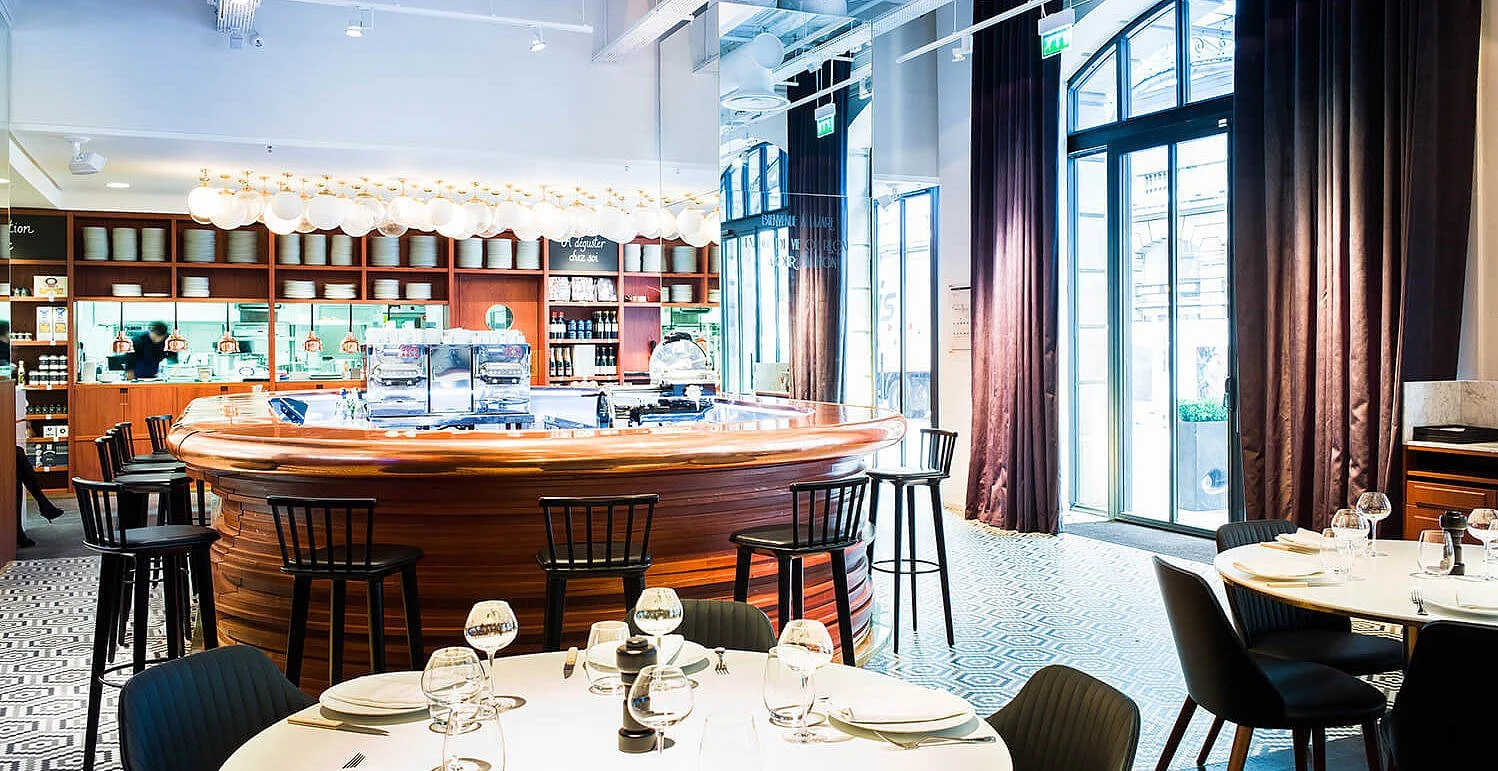
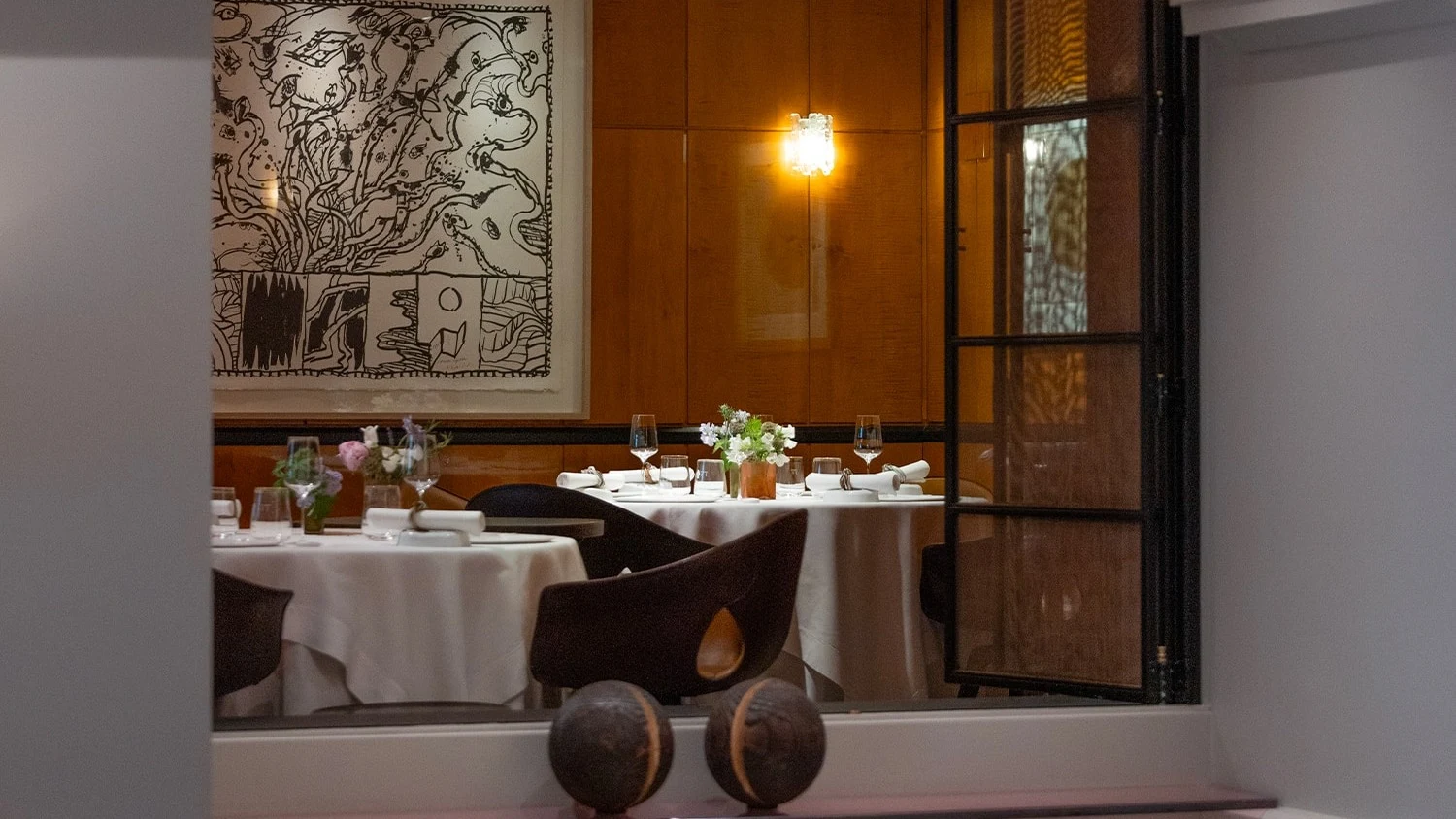
Paris's great railway termini have always carried a dual identity: engines of commerce and, at their margins, spaces where the city condenses into something more concentrated. Gare Saint-Lazare is no exception. The station serves more passengers annually than any other in France, which makes the brasserie occupying its interior arcade a study in a particular kind of hospitality challenge, producing food that is both accessible enough for a traveller in transit and serious enough to earn consistent critical recognition. Lazare is a Paris brasserie at Rue Intérieure in Gare Saint-Lazare, led by Eric Frechon, with a €€ price tier.
The wider pattern here is worth noting. Paris brasseries occupy a contested tier in 2025. At the leading end, rooms like Alléno Paris au Pavillon Ledoyen, L'Ambroisie, and Le Cinq at the Four Seasons George V operate in the €€€€ bracket, where tasting menus and grand ritual define the experience. At the opposite end, the city's casual brasserie stock ranges from unremarkable tourist traps to genuinely good neighbourhood rooms. Lazare occupies the €€ middle tier, and within that tier, recognition from both Michelin and Opinionated About Dining places it in a more selective cohort than its price point might initially suggest.
The Sunday letter
Find new places through the people who run them.
Our Sunday email brings you the chefs, winemakers and hoteliers behind our newest stories. See a sample before you subscribe.
See a sample of the Sunday emailOne email a week. Unsubscribe from any issue.
The Kitchen's Argument: Classic French Cuisine, Without Apology
French brasserie cooking has spent the past two decades under pressure to modernise, to incorporate global influences, to simplify in the name of accessibility, or to reach upward toward the gastronomic register. The more interesting response from serious kitchens has been a third path: treat the classics with the same rigour applied to innovation, and let the quality of sourcing and technique make the argument. Lazare's menu does exactly this. Dishes such as whole artichoke with green beans and roasted hazelnuts, white steamed asparagus with honey-and-coriander yoghurt, and sweetbread with morels and green asparagus are not gestures toward tradition, they are the tradition, executed with care.
The salmon prepared tandoori-style with new cabbages, ginger, and lemon herbs is worth noting as a signal of the kitchen's confidence. It is not fusion for its own sake; it is a direct expansion of the brasserie register to incorporate technique that has long been absorbed into Parisian cooking. For a room with sustained OAD recognition, the menu reads as coherent rather than compromised.
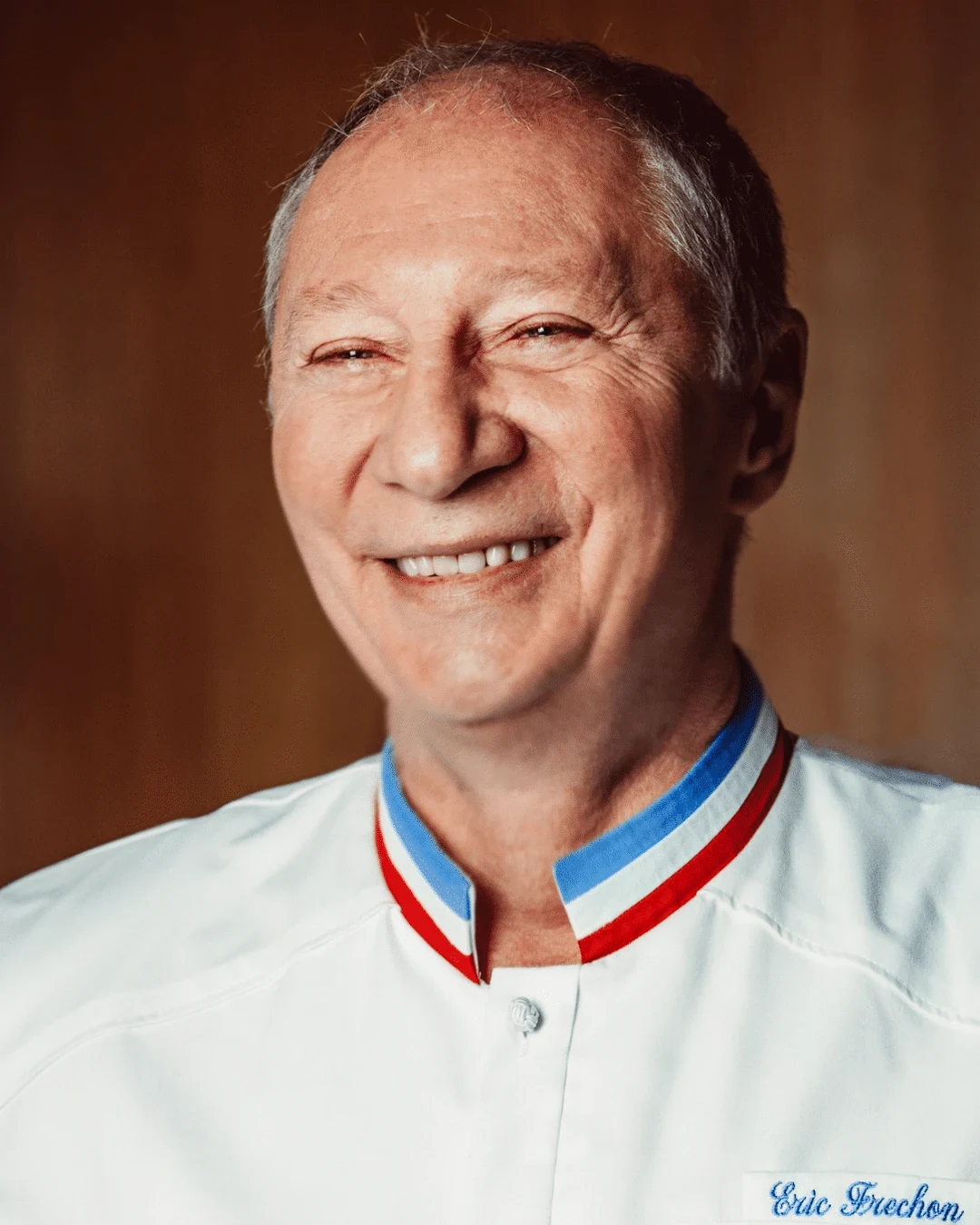
Chef Eric Frechon's name is attached to the project as culinary director. Within Paris, Frechon's profile is built on multi-decade work at a three-Michelin-star level, which provides a credibility signal for a brasserie format that could otherwise read as secondary. The kitchen is led by Eric Frechon. That balance, generous, accessible, technically grounded, is exactly what the leading French brasseries have always been.
On Sourcing and the Sustainability Dimension of Classic French Cooking
There is a tendency to frame sustainable restaurant practice purely through the vocabulary of recent innovation, zero-waste tasting menus, hyper-local produce programmes, carbon-footprint disclosure. But the French brasserie tradition, at its most disciplined, has always embodied a different model of environmental consciousness: cooking the whole animal, building menus around seasonal availability, using offal and secondary cuts as primary ingredients rather than afterthoughts. Lazare's inclusion of sweetbreads on the menu is not a nostalgic gesture; it reflects a continued commitment to the kind of whole-beast thinking that makes classical French cookery structurally more sustainable than many of its more fashionable alternatives.
The emphasis on vegetables, whole artichoke, green beans, asparagus, new cabbages, signals seasonal intelligence as well. These dishes only work if the sourcing is right, because the cooking does not obscure the ingredient. Asparagus steamed and served with yoghurt relies entirely on the quality of the asparagus and the timing of the season. Morels paired with sweetbread require procurement decisions made weeks in advance. That kind of menu construction is, in practical terms, an environmental argument as much as a culinary one: it aligns what the kitchen buys with what is available, rather than importing to match a fixed card. Compared to the year-round luxury produce dependency visible at rooms like Kei or Arpège, a well-run brasserie at this price point can make a credible claim to lighter-touch sourcing by virtue of format alone.
For further context on the broader French fine dining tradition and its relationship to seasonal, land-rooted cooking, it is instructive to look at regional anchors: Flocons de Sel in Megève, Bras in Laguiole, and Auberge de l'Ill in Illhaeusern each represent a strand of the same French tradition that prizes terroir and restraint over spectacle. Mirazur in Menton and Troisgros in Ouches push that argument further into formal fine dining. Lazare operates at the opposite end of the formality spectrum but draws from the same well.
Who Uses This Room, and How
The 8th arrondissement carries the weight of its Haussmann legacy heavily. The neighbourhood immediately around Gare Saint-Lazare is dense with offices, department stores, and transient foot traffic, which means a restaurant at this location faces a different usage pattern than a destination room in Le Marais or the Left Bank. Lazare's hours reflect this: Monday through Friday from 08:00, Saturday and Sunday from mid-morning, closing at 22:00 daily. That operating schedule positions the room as a genuine all-day option, from a working breakfast through to a post-theatre dinner, which is rare in a city where most serious kitchens close between lunch and dinner service.
A high number of reviews at a consistent score, in a transit-adjacent location, suggests a broad clientele rather than a self-selecting enthusiast base, and sustaining Michelin and OAD recognition within that kind of mixed-traffic context is harder than doing so in a room that controls its own dining conditions more tightly.
For reference points outside France, the gap between a serious European brasserie and the ambitions of rooms like Le Bernardin in New York or Atomix is a useful reminder of what the brasserie format is actually trying to do, and why doing it well is an achievement distinct from tasting-menu ambition. The French brasserie at its leading, including the Bocuse legacy in Collonges-au-Mont-d'Or, has always operated as a counter-argument to the idea that serious cooking requires formal ceremony. Lazare makes that argument inside a railway station, which gives it a particular kind of credibility.
Questions
Frequently asked
Who works at Lazare?
Made By profiles Eric Frechon (Chef) at Lazare.
How expensive is Lazare?
Lazare is listed at a price level of $$.
Where is Lazare and what does it serve?
Lazare is in Saint-Lazare, Paris, serving Classic French Brasserie.
The field
How it compares
| Place | Cuisine | Notes | Awards |
|---|---|---|---|
| Lazare | Classic French Brasserie | Saint-Lazare, $$ | · |
| Arpège | Vegetable-Focused French Fine Dining | Paris | Michelin 3 Stars, World's 50 Best |
| Epicure | Contemporary French Fine Dining | Paris | Michelin 3 Stars |
| Guy Savoy | Classic French Fine Dining | Paris | Michelin 2 Stars, World's 50 Best |
| Le Cinq | Modern French Fine Dining | Paris | Michelin 3 Stars, World's 50 Best |
| Le Taillevent | Classic and Modern French Fine Dining | Paris | Michelin 2 Stars, World's 50 Best |
| Pierre Gagnaire | Avant-Garde French Fine Dining | Paris | Michelin 3 Stars, World's 50 Best |
In residence
Similar places
Vegetable-Focused French Fine Dining
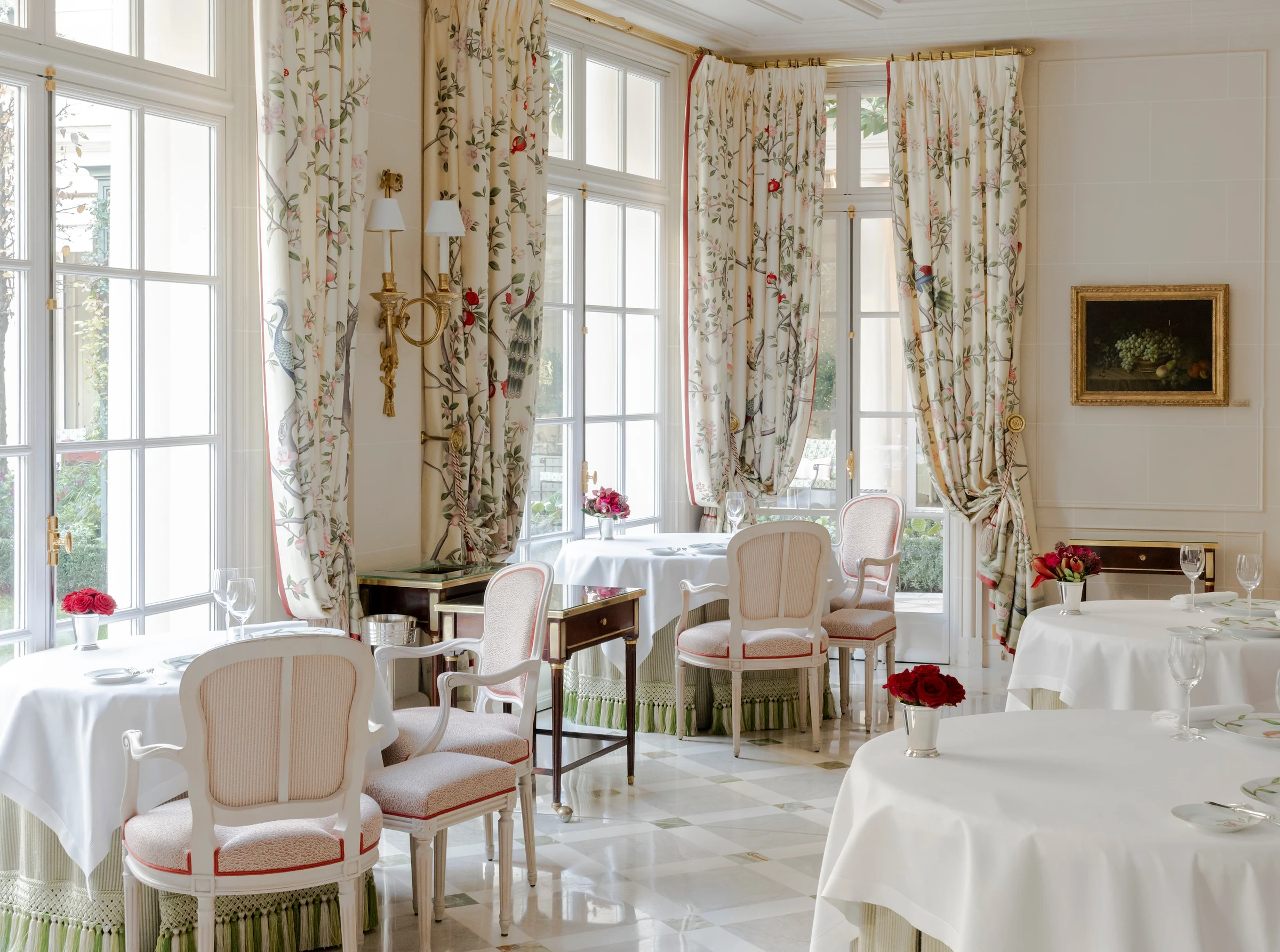
Arpège
Paris, France
★★★ · 50 Best
Contemporary French Fine Dining
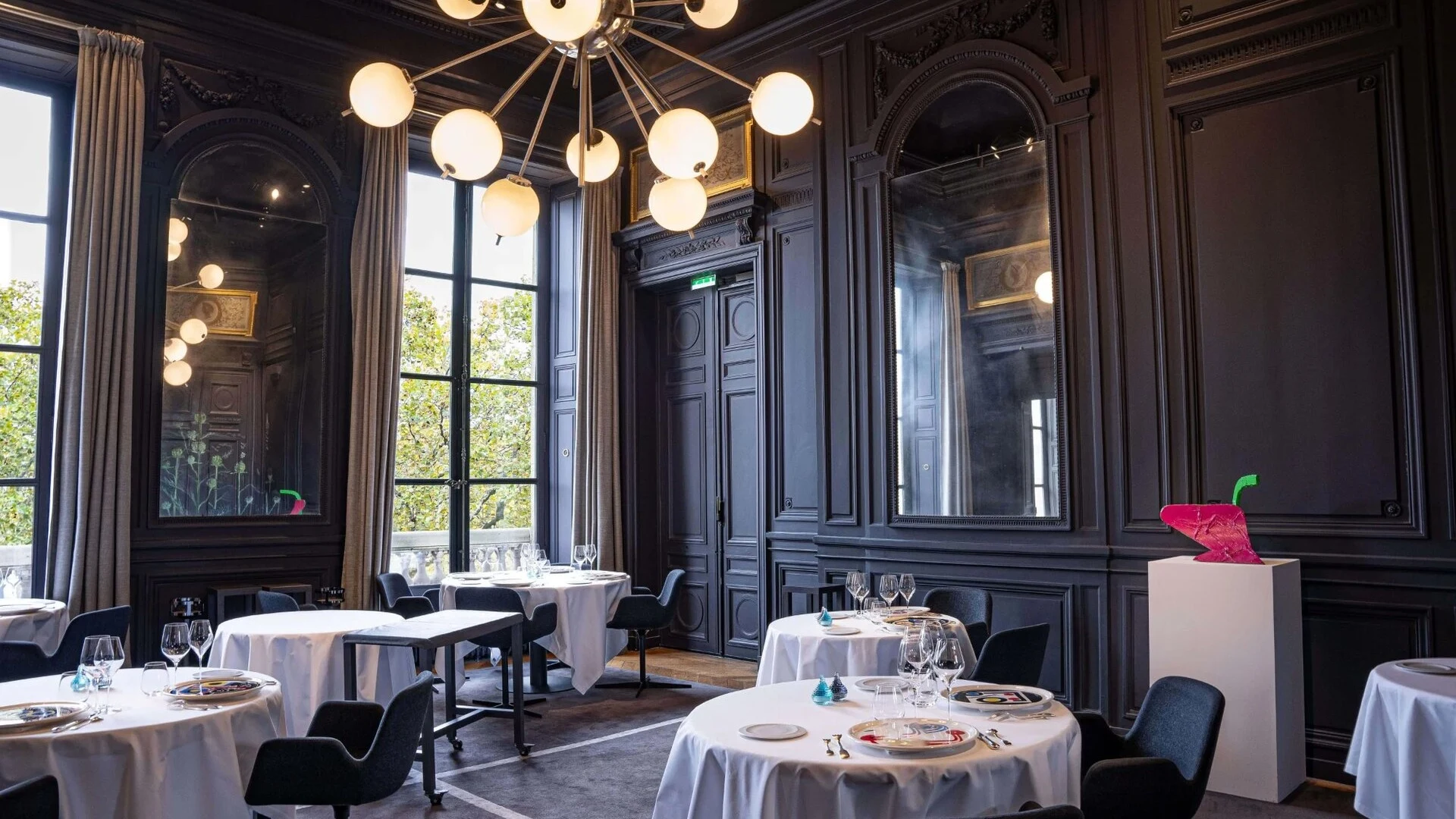
Epicure
Paris, France
★★★
Classic French Fine Dining
Guy Savoy
Paris, France
★★ · 50 Best
Modern French Fine Dining
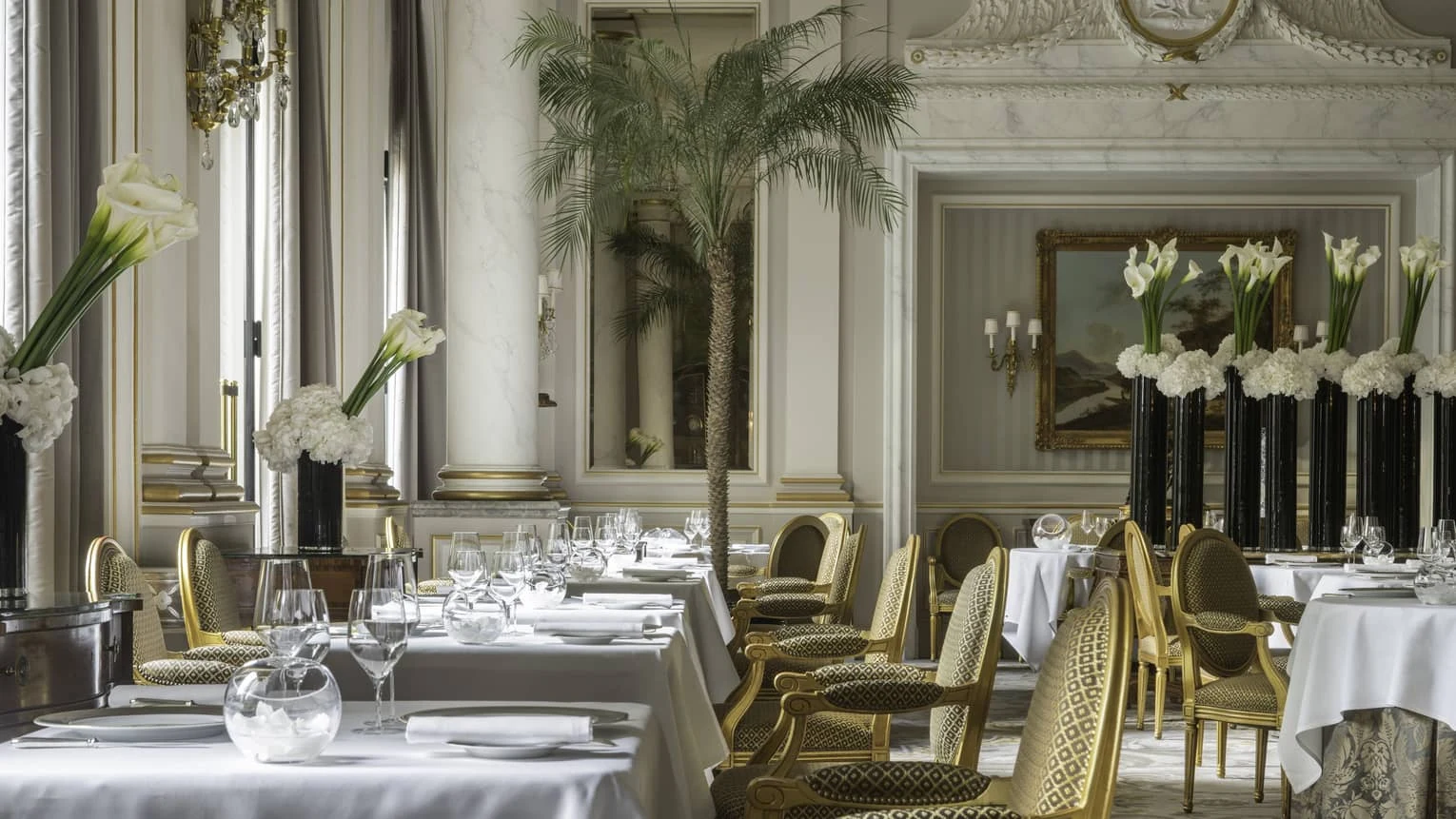
Le Cinq
Paris, France
★★★ · 50 Best
Classic and Modern French Fine Dining
Le Taillevent
Paris, France
★★ · 50 Best
Avant-Garde French Fine Dining
Pierre Gagnaire
Paris, France
★★★ · 50 Best
The Sunday letter
Get the next Made By story in your inbox.
We send one email every Sunday morning with the places and people we covered that week.
See a sample of the Sunday emailOne email a week. Unsubscribe from any issue.