Lazaris Distillery sits along the Achillion coastal road south of Corfu Town, earning a Pearl 2 Star Prestige rating in 2025. It occupies a specialist tier within Corfu's small but serious distilling tradition, where the island's distinctive botanical and agricultural character shapes production. For visitors tracing Greek spirits beyond the mainland, it represents a focused stop on a well-considered Ionian itinerary.
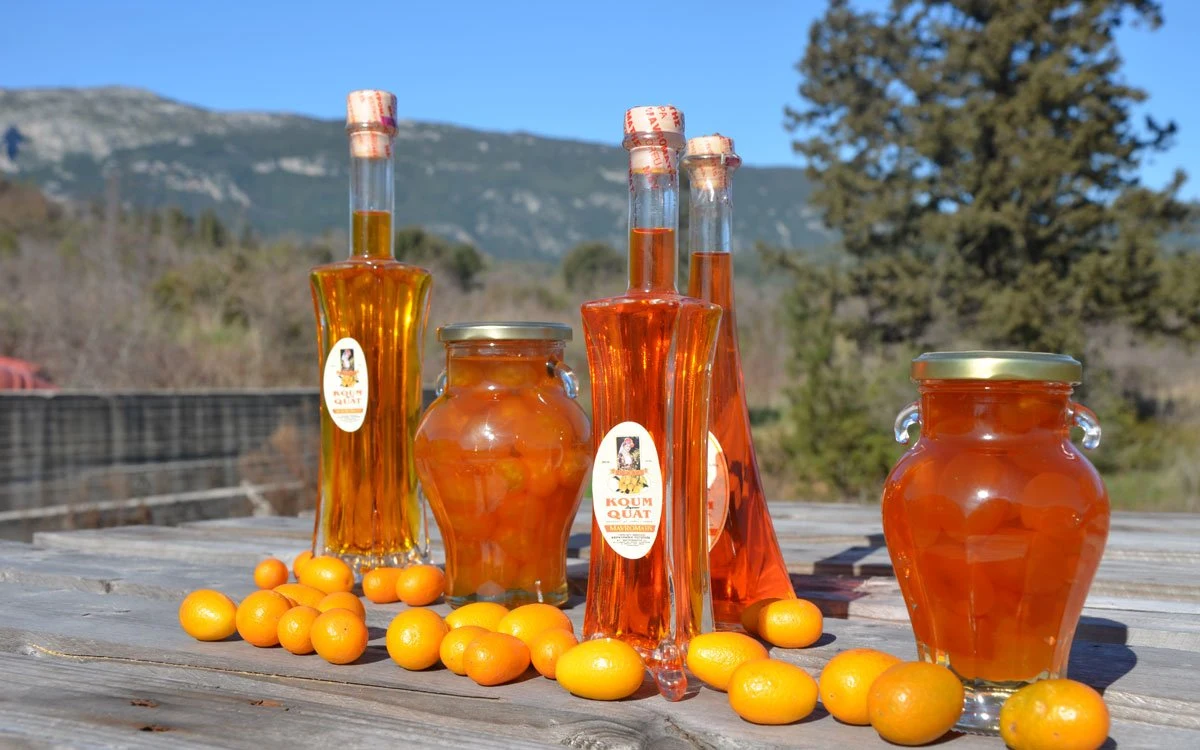
<h2>The Ionian Context: Distilling at the Edge of Greece</h2><p>Corfu sits closer to the Italian coast than to Athens, and that geographic tension runs through everything the island produces. The Ionian climate, wetter than the Aegean, shaped by the Bora wind off the Adriatic, thick with olive groves and kumquat orchards, creates raw material conditions that differ sharply from what drives production in Nemea or Amyntaio. Where mainland Greek producers work with continental temperature swings and volcanic soils, Corfu's distillers draw from an island environment defined by maritime humidity, alluvial lowland terraces, and a botanical richness that has no direct equivalent elsewhere in Greek spirits geography.</p><p>This is the frame through which Lazaris Distillery reads most clearly. Located approximately two kilometres from Achillion on the national road running south of Corfu Town, the distillery holds a Pearl 2 Star Prestige award as of 2025, and its price tier is 2, at about $8 per person. That credential signals a production focused operation defined by craft consistency and terroir expression.</p><h2>What Corfu's Land Contributes to the Glass</h2><p>Greek distilling traditions are regionally specific in ways that outsiders tend to underestimate. The tsipouro belt runs through the mainland and Thessaly. Ouzo production concentrates on Lesvos and in Macedonia. Corfu's own spirit tradition centres on kumquat liqueur and locally-influenced grape distillates, shaped by centuries of Venetian and British influence that left behind an agricultural culture distinct from any other Greek island.</p><p>The kumquat, introduced to Corfu during the British Protectorate period in the nineteenth century, became the island's defining botanical. It is not grown commercially anywhere else in Europe at comparable scale. Its flavour profile sits between bitter orange and something more floral and resinous, and it gives Corfiot spirits a character that cannot be replicated from imported botanical inputs. Producers who source locally are working with a raw ingredient that carries genuine geographic specificity, in the same way that a Burgundy winemaker's claim to terroir rests on soil conditions no other region can duplicate.</p><p>Lazaris Distillery's position along the Achillion road places it in a part of the island with agricultural density, away from the concentrated tourist infrastructure of the northern coast. This is the kind of location that reflects production priorities over footfall, and it shapes the visitor experience accordingly. For comparison, <a href="https://www.enprimeurclub.com/wineries/mavromatis-distillery-corfu-winery">Mavromatis Distillery</a> represents the other anchor point in Corfu's spirits scene.</p><h2>Situating the 2025 Pearl 2 Star Prestige Rating</h2><p>Award frameworks for spirits producers operate differently from restaurant guides, but the underlying logic is comparable: they establish comparable venues and signal the seriousness of a production approach. The Pearl 2 Star Prestige recognition that Lazaris received in 2025 places it in company with Greek producers who have demonstrated consistent technical quality and a defined house style. It is recognition that places the distillery in a defined tier of Greek spirits producers.</p><p>For reference, the Greek spirits scene has been drawing increasing international attention over the past decade, partly through the rise of craft tsipouro and the global appetite for indigenous-ingredient producers. Distilleries operating at the Prestige tier tend to attract a different visitor profile than standard tourism stops: buyers, journalists, and travellers specifically tracing Greek spirits geography. That audience will find Corfu's distilling tradition underrepresented in most standard guides.</p><p>The island's position outside the main PDO wine circuits of the Peloponnese and the Aegean means it rarely appears on itineraries built around Greek wine. Yet that gap is part of the argument for going: producers like Lazaris are operating in a tradition with genuine historical depth and local botanical character, serving an audience that has not yet been shaped entirely by wine-tourism infrastructure.</p><h2>Greek Spirits in Broader Perspective</h2><p>Greece's spirits identity beyond ouzo has been consolidating in recognisable ways. Producers across the country are drawing attention to region-specific botanical and agricultural inputs, from the Xinomavro-based grape distillates in Macedonia to the herb-driven spirits of Crete. The broader movement toward origin-specific Greek spirits parallels what happened in Greek wine over the past two decades, when producers at estates like <a href="https://www.enprimeurclub.com/wineries/alpha-estate-amyntaio-winery">Alpha Estate in Amyntaio</a> pushed Xinomavro into an international conversation it had previously been absent from.</p><p>Corfu arrives in this conversation from a different angle. It is not a grape-first island in the way Santorini or Naoussa defines itself through viticulture. The distilling tradition here is older than the modern wine-tourism circuit, and it draws from a more varied agricultural base. That variety, including citrus, herbs, and grape marc in various combinations, gives Corfiot producers raw material flexibility that vineyard-focused producers don't have in the same way.</p><p>For readers building a broader map of Greek spirits production, the comparison set extends beyond the island. <a href="https://www.enprimeurclub.com/wineries/apostolakis-distillery-volos-winery">Apostolakis Distillery in Volos</a> represents the mainland tsipouro tradition at a serious level. <a href="https://www.enprimeurclub.com/wineries/abraams-vineyards-komninades-winery">Abraam's Vineyards in Komninades</a>, <a href="https://www.enprimeurclub.com/wineries/acra-winery-nemea-winery">Acra Winery in Nemea</a>, and <a href="https://www.enprimeurclub.com/wineries/artemis-karamolegos-winery-santorini-winery">Artemis Karamolegos Winery in Santorini</a> each anchor a different regional chapter in Greek fermented and distilled production. Lazaris sits within that extended map as Corfu's recognised representative at the prestige level.</p>
Low-key, by geography and intent. The distillery sits on the national road roughly two kilometres from Achillion, well outside Corfu Town's tourist circuits. A Pearl 2 Star Prestige rating in 2025 signals a production-focused operation rather than a visitor entertainment venue, so expect a working distillery atmosphere rather than a curated tasting room experience.
Lazaris Distillery is located at Souleika 2km Achillion, National Road, Kerkira 490 84, Corfu.
Lazaris Distillery has received recognition including: Pearl 2 Star Prestige (2025).
Lazaris is a distillery, not a winery, so wine is not the focus here. The operation centres on spirits production, which in the Ionian context draws on distilling traditions distinct from the mainland tsipouro belt. If you are looking for Corfiot wine, the island's vineyards are a separate conversation.
Lazaris is Corfu's Pearl 2 Star Prestige-rated spirits producer, awarded in 2025, which places it in the upper tier of recognised Greek distillers. Operating from the national road near Achillion in the south of the island, it represents the Ionian strand of Greek distilling rather than the better-documented mainland traditions.
Souleika 2km Achillion, National Road, Kerkira 490 84
Corfu Town