Le Caniette
- 01CityRipatransone, Italy

- Falstaff Winery - Listed · 2026
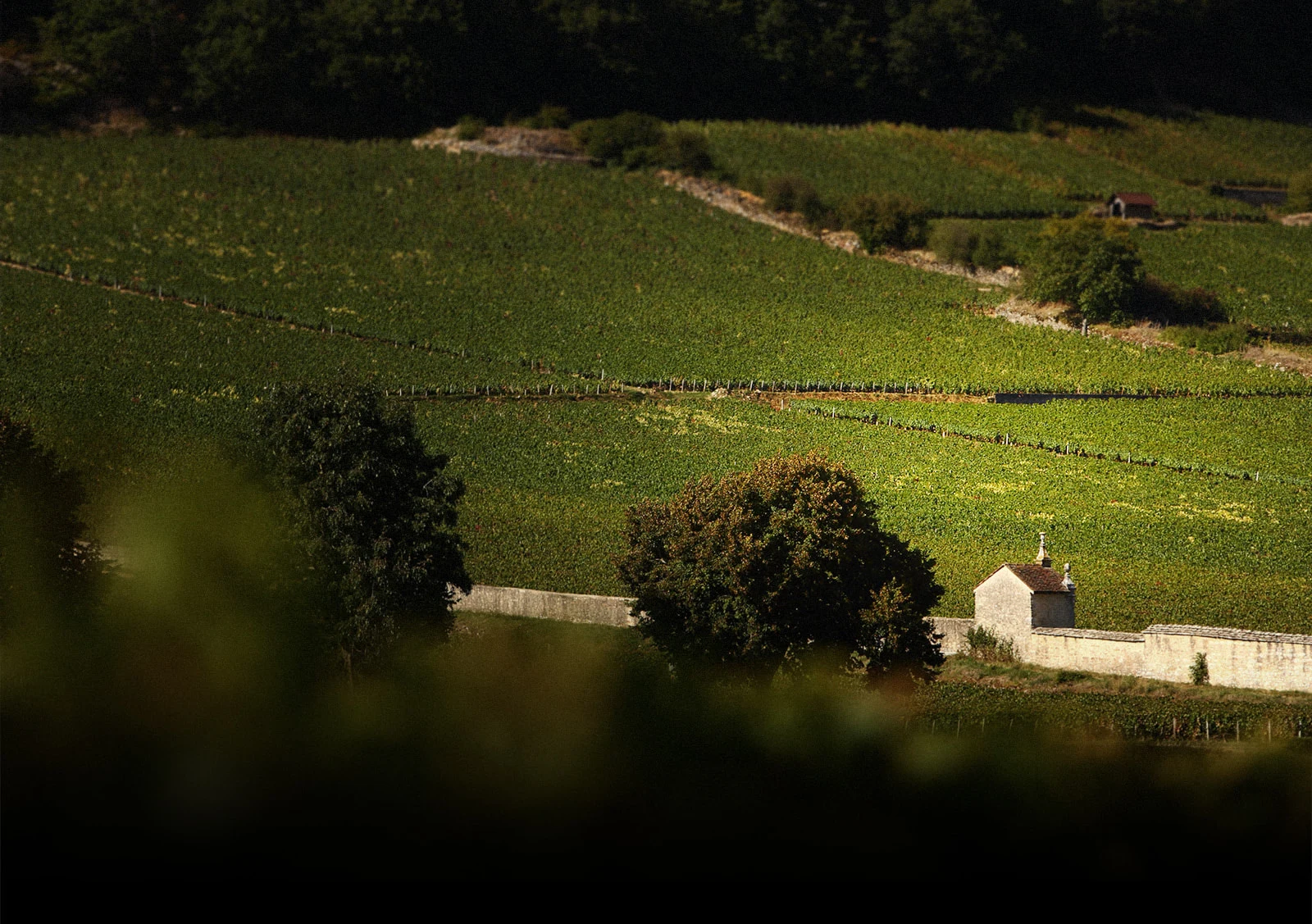
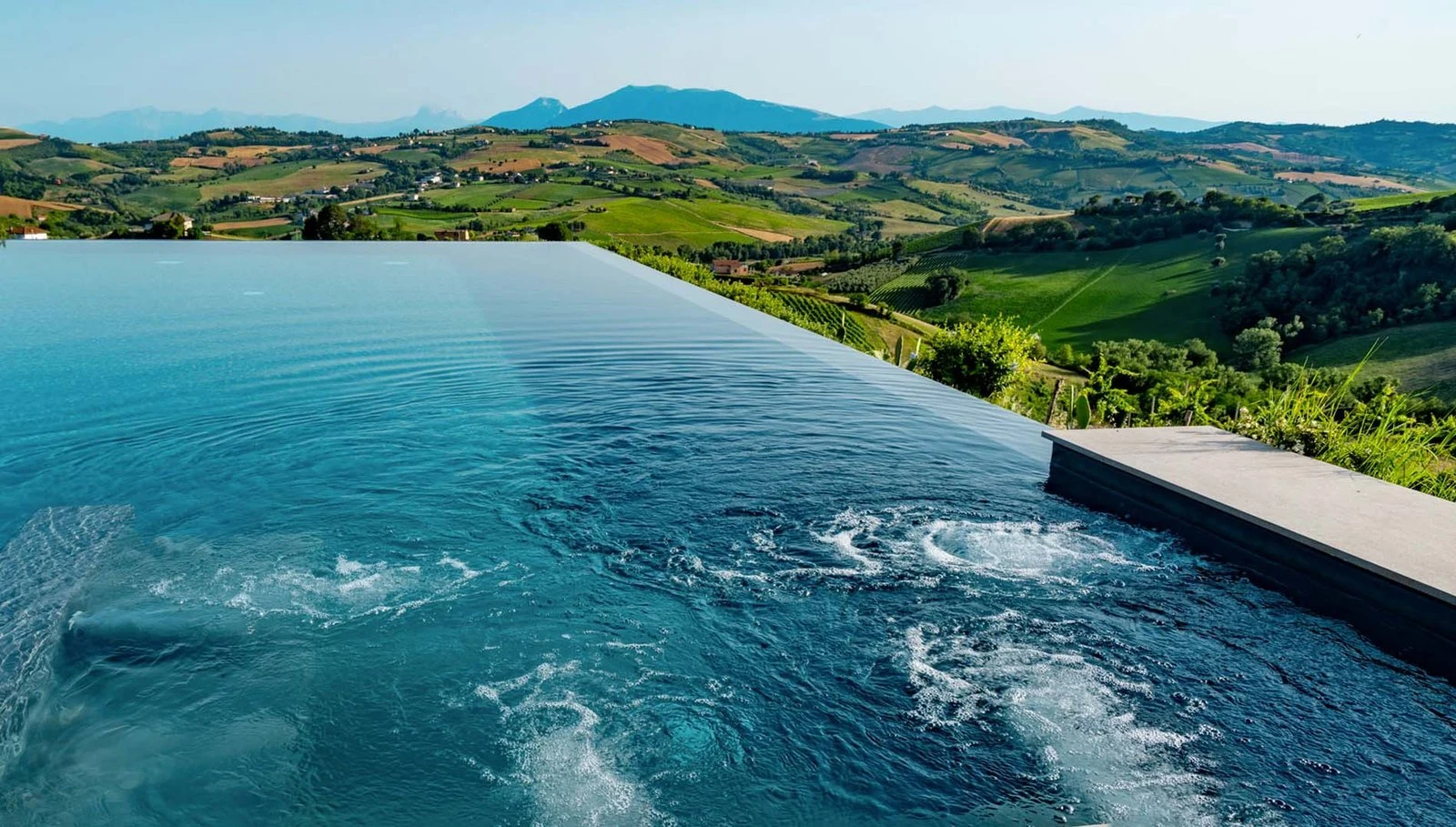
Approaching wine country in Ripatransone means entering a Marche rhythm that is quieter than the better-trafficked Tuscan and Piedmont circuits: vineyards, olive groves, woodland, and hill air that carries the Adriatic influence inland. Le Caniette belongs to that agricultural register. The estate reads less as a tasting-room destination built for volume and more as a working Piceno property, where the land mix matters as much as the glass.
That distinction is useful in Marche, a region often flattened by outsiders into a broad central-Italian category. Piceno wine has its own grammar: native white grapes with saline lift and textural bite, reds that lean on Montepulciano and Sangiovese, and a growing emphasis on organic farming as a marker of seriousness rather than lifestyle branding. Le Caniette sits inside that movement, with four-generation family continuity, organic cultivation, and membership in the Vini Piceni Consortium giving the estate a clear regional frame.
Piceno terroir, not cellar theatre, drives the argument
The estate covers around 20 hectares, with 16 hectares planted to vine and the rest given to olive groves and woodland. That composition is not decorative. In a region where many estates now sell the language of place, mixed agriculture gives the claim more weight: vines are part of a broader rural system rather than a monoculture backdrop for hospitality.
The site markers are specific. Sandy soils with ancient geological origins meet a Mediterranean microclimate shaped by Adriatic and Balkan currents. In practical wine terms, that points toward drainage, aromatic clarity, and a cooler edge than the latitude alone might suggest. The grape list reinforces the Piceno identity: Pecorino and Passerina for whites; Montepulciano, Sangiovese, and Grenache for reds and blends.
Morellone, the estate’s Piceno DOC Superiore reference point, gives the clearest technical read on the house style. The blend is 70 percent Montepulciano and 30 percent Sangiovese, followed by barrel aging and malolactic fermentation for 20 to 24 months, then a year in steel. That is a long, structured regime for a regional red, and it places the wine in a more serious category than casual cellar-door drinking. The point is not extraction for its own sake; the sequence suggests an estate trying to reconcile Piceno warmth, oak texture, and post-barrel precision.
The whites broaden the picture. Pecorino and Passerina have become central to Marche’s modern export identity because they offer a local alternative to generic Italian white-wine shorthand. Here they function as the fresher half of the range, while the reds carry the estate’s weightier ambitions. For travellers building a wider Italian wine map, this is the kind of stop that explains why Marche should not be treated as a pass-through between better-known regions.
A family estate with organic farming at the centre
Le Caniette’s history begins in the 1960s, when inherited farmland was progressively converted into vineyards under Raffaele Vagnoni. Giovanni Vagnoni later introduced the first labels in the early 1990s, moving the estate from agricultural base to a more defined commercial winery. Those facts matter because they place the property in a category common to serious Italian wine regions: family land turning, over time, into an estate with a sharper public identity.
Organic cultivation is not a side note here. The winery frames its work around the soil and fruit, and the estate structure supports that message. Woodland and olives beside the vineyards make the stewardship argument more credible than a simple certification badge would on its own, even without a long list of environmental metrics. In the glass, the intended through-line is territory first: native grapes, Piceno classification, and a cellar approach that polishes rather than disguises the source material.
Recognition is presented most clearly through Morellone, described by the estate as an awarded wine, though the public-facing emphasis is less about medal-chasing than regional standing. Membership in the Vini Piceni Consortium is the stronger trust signal for a visitor: it places Le Caniette within an organized local quality and identity framework rather than leaving it as an isolated rural address.
How to fit it into a Ripatransone wine itinerary
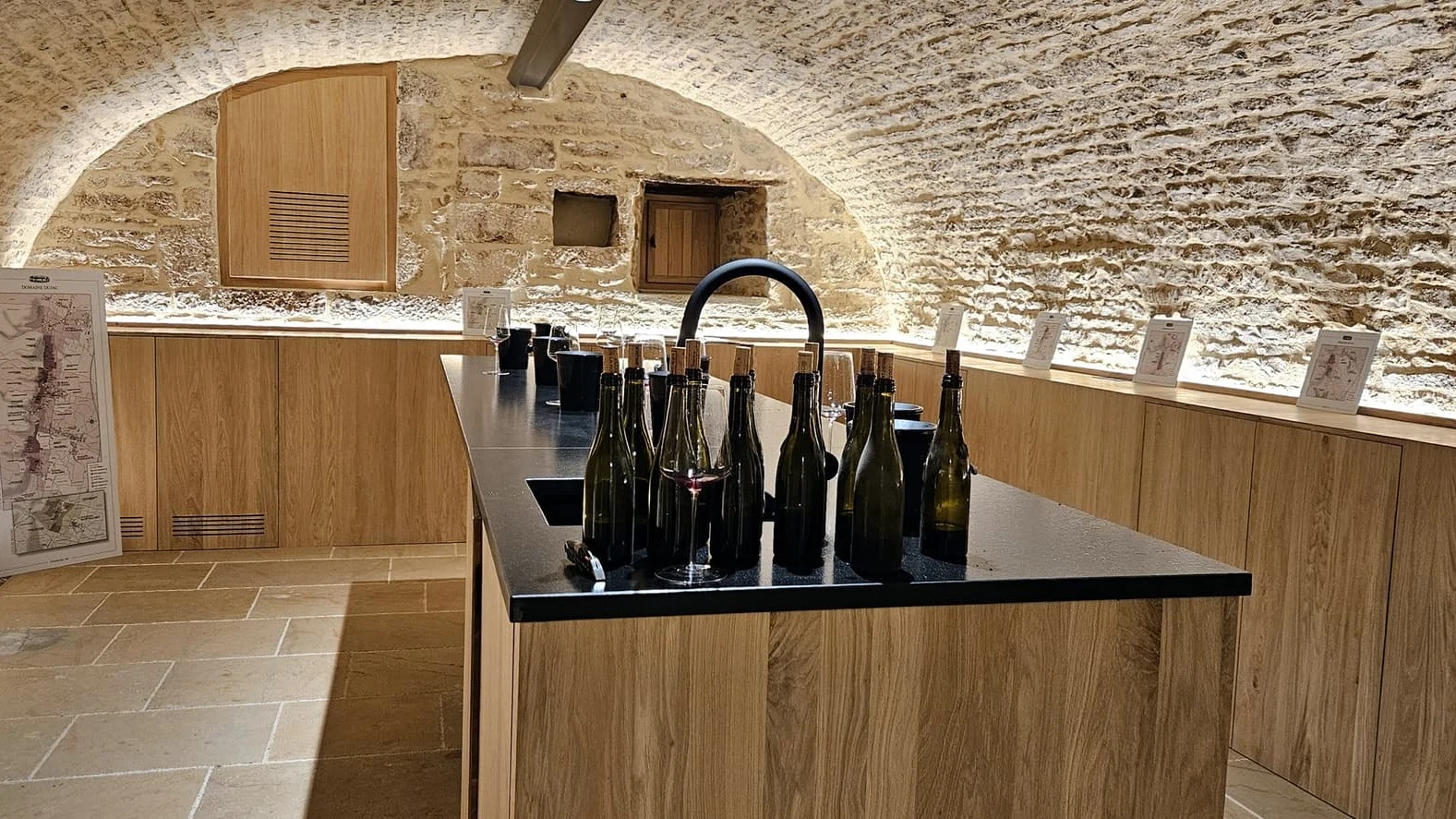
The experience is built around guided tasting and wine-tour formats rather than restaurant-style programming. Expect a low-key estate visit focused on vineyard context, cellar logic, and the finished wines, with a quiet, casual tone. The setting suits wine education, small group outings, solo exploration, and special-occasion drinking where the priority is understanding Piceno rather than staging a long lunch.
For a second local winery reference, Tenuta Santori gives useful context within Ripatransone’s small wine scene. Broader city planning sits in our full Ripatransone wineries guide, while dining, drinking, lodging, and activities are better handled separately through our full Ripatransone restaurants guide, our full Ripatransone hotels guide, our full Ripatransone bars guide, and our full Ripatransone experiences guide.
Travellers comparing Italian estates across regions can use this stop as a Marche counterpoint to 3GP SRL in Treviso, 47 Anno Domini in Trebaseleghe, A Mano Wine in Noci, a6mani in Fragagnano, Abbadia Ardenga in Torrenieri, Abbazia di Crapolla in Neapel, and Abbazia Monte Oliveto in Asciano. For a wider European contrast, »der Steiner« Hans Steiner in Podersdorf am See and & Handwein in Mannheim pull the comparison away from central Italian native-grape logic.
The editorial case for Le Caniette is clear: choose it for a grounded reading of Piceno terroir, especially if the appeal lies in organic farming, native grapes, and a family estate that has grown from agricultural continuity rather than hospitality gloss.
Questions
Frequently asked
How expensive is Le Caniette?
Le Caniette is listed at a price level of $$.
The field
How it compares
| Place | Notes | Awards |
|---|---|---|
| Le Caniette | Ripatransone, $$ | · |
| Domaine Armand Rousseau | Gevrey-Chambertin | · |
| Domaine Dujac | Morey-Saint-Denis | · |
| Domaine Roulot | Meursault | · |
| Hundred Acre | Napa | · |
| Kumeu River Wines | Kumeu | World's 50 Best |
| Tenuta Santori | Ripatransone | · |