Le Chateaubriand

In Residence
Iñaki Aizpitarte
Chef
- 01CuisineModern French Tasting Menu
- 02CityParis, France
- 03RecognitionWorld's 50 Best — No. 9
- World's 50 Best · #9 · World's 50 Best Restaurants
- Opinionated About Dining Top Restaurants in Europe Highly Recommended · 2026
- Star Wine List · 2026
- Opinionated About Dining Top Restaurants in Europe Ranked #417 · 2025
- Michelin Plate · 2025
- Michelin Plate · 2024
- Opinionated About Dining Top Restaurants in Europe Ranked #326 · 2024
- Opinionated About Dining Top New Restaurants in Europe Highly Recommended · 2023
- World's 50 Best Best Restaurants #21 · 2015
- World's 50 Best Best Restaurants #27 · 2014
- World's 50 Best Best Restaurants #18 · 2013
- World's 50 Best Best Restaurants #15 · 2012
- World's 50 Best Best Restaurants #9 · 2011
Where Bistronomy Took Root
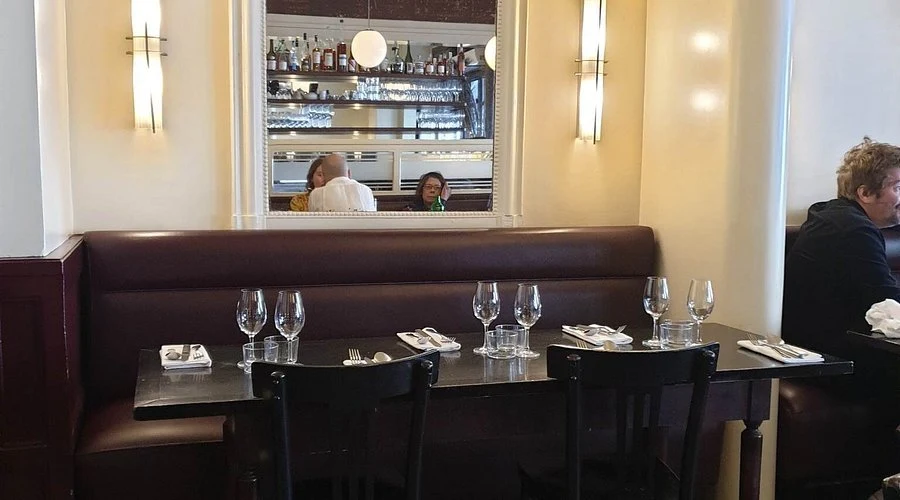
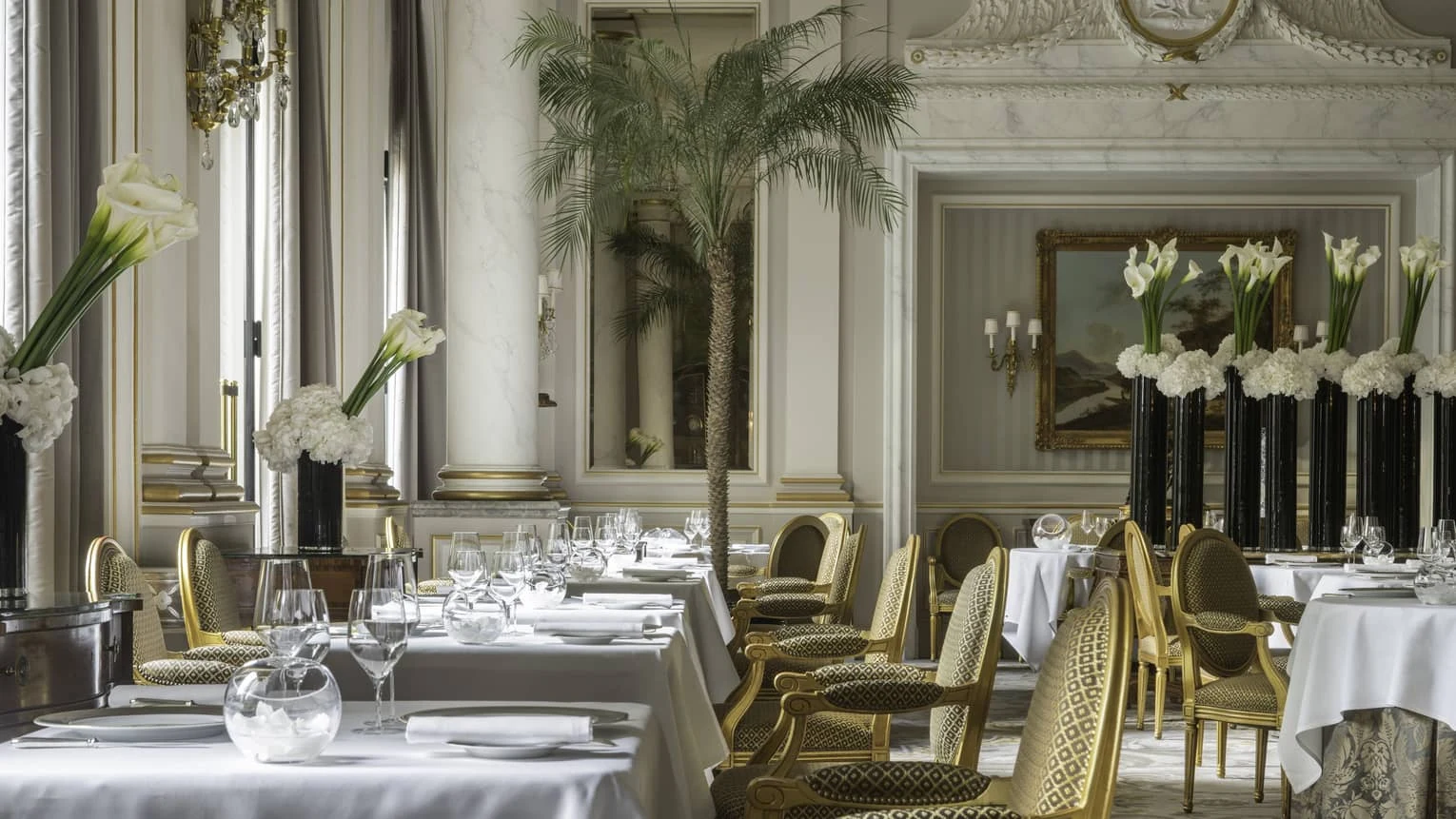
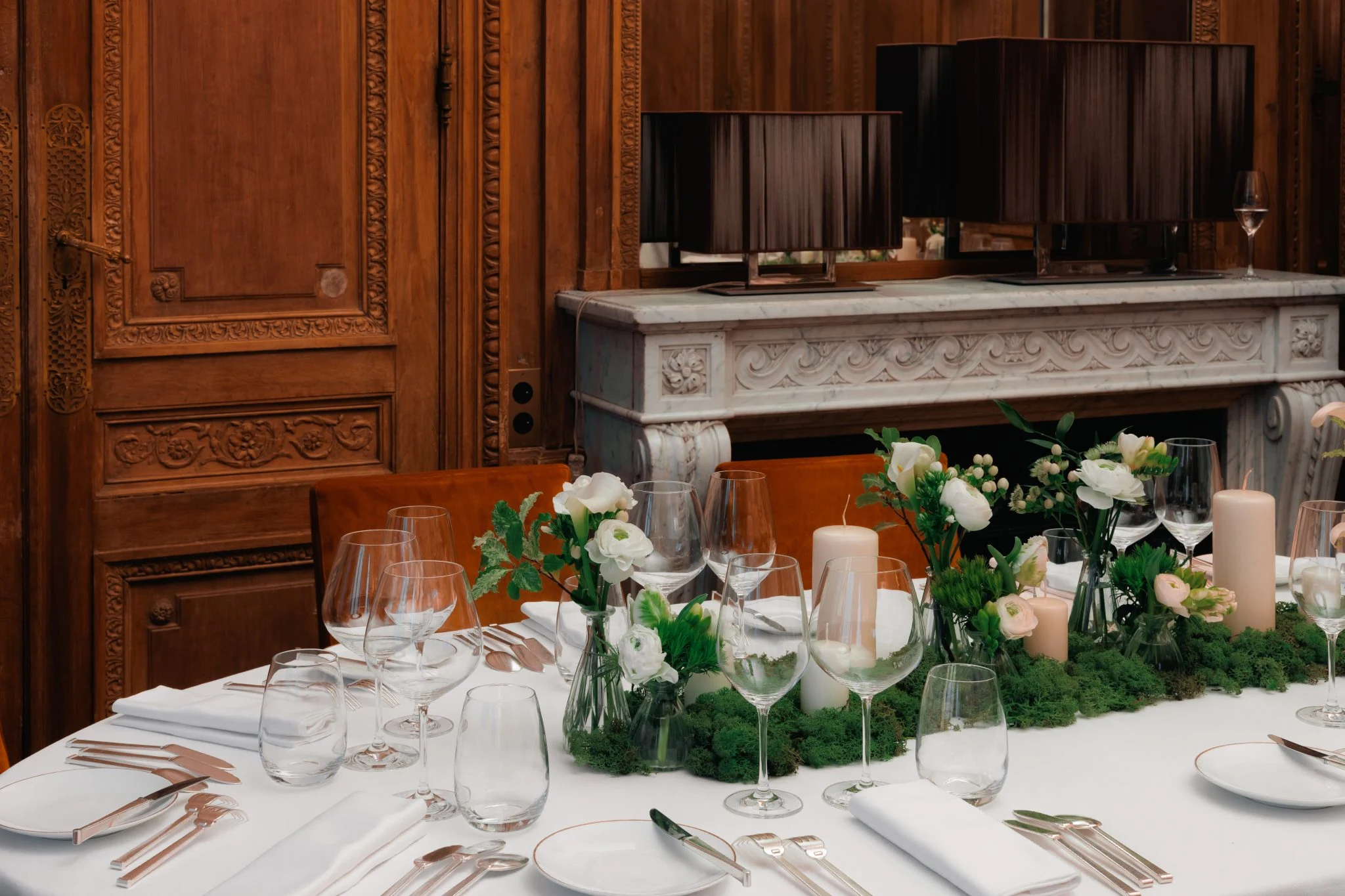
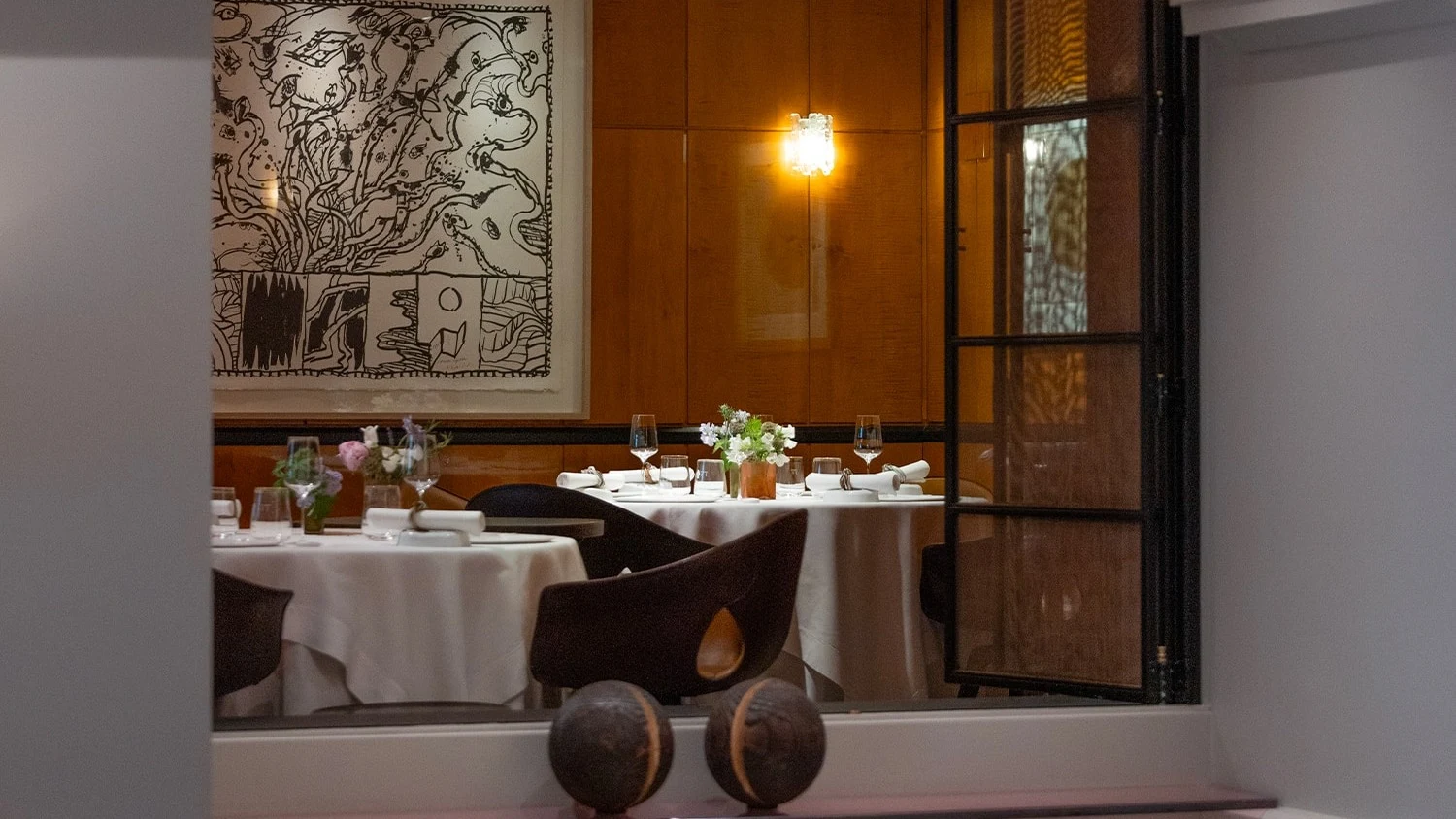
Avenue Parmentier in the 11th arrondissement is not a dining street in the polished, tourist-facing sense. The neighbourhood's restaurant density runs on reputation and word of mouth rather than foot traffic, and the addresses that matter here do not announce themselves. Le Chateaubriand fits that pattern precisely: a zinc bar, high ceilings, narrow tables, and a room that preserves the look of a 1930s Parisian bistro without treating that look as a costume. The fabric is original, and that continuity is part of the point.
The bistronomy movement that emerged in Paris during the early 2000s was a deliberate correction. A generation of chefs, trained in formal kitchens but priced out of the white-tablecloth model, began applying serious technique to informal rooms and fixed menus. The result was a category that the city had not quite seen before: cooking with the ambition of a grand restaurant and the pricing logic of a neighbourhood bistro. Le Chateaubriand was among the addresses that gave the movement its vocabulary, and Iñaki Aizpitarte's Basque-informed approach to ingredient sourcing and flavour pairing became a reference point that other kitchens studied.
The Sunday letter
Find new places through the people who run them.
Our Sunday email brings you the chefs, winemakers and hoteliers behind our newest stories. See a sample before you subscribe.
See a sample of the Sunday emailOne email a week. Unsubscribe from any issue.
The Menu Format and What It Signals
The operating logic here is a single set menu, with no à la carte alternative. That structure is not a constraint but a position: it concentrates the kitchen's attention on one sequence of dishes each service rather than splitting it across multiple options. Ingredients come from independent producers, and the wine list follows the same sourcing philosophy, drawing from small and often natural producers rather than the conventional distribution network. This approach to supply is now common across Paris's neo-bistro tier, but it was less so when Le Chateaubriand established it as standard practice.
Format also explains the booking dynamic. With a fixed menu and a room that has not expanded to meet demand, the restaurant operates on reservation lead times that reflect genuine scarcity rather than manufactured exclusivity. Reservations are described as essential in Michelin's own coverage of the venue. Wednesday through Friday evenings, plus a Saturday lunch service beginning at 12:00, account for the entire weekly offering. Monday, Tuesday, and Sunday remain closed, which constrains the available slots further.
Awards Trajectory and Critical Position
Le Chateaubriand's position in the international rankings tells a specific story about how the bistronomy category has aged. The restaurant appeared in the World's 50 Best for seven consecutive years from 2009 to 2015, reaching number nine in 2011. That arc placed it alongside formal dining rooms operating at significantly higher price points and with substantially larger teams. For a bistro-format restaurant to hold that position was, at the time, an argument about what serious cooking could look like outside the brigade system.
The current rankings picture is different. Opinionated About Dining placed Le Chateaubriand at number 326 in Europe in 2024, moving to 417 in 2025, while a Michelin Plate acknowledges quality without awarding stars. That trajectory is worth reading carefully. The restaurant has not changed significantly; the category it helped create has expanded dramatically, and the comparable set now includes dozens of addresses in Paris alone that absorbed the bistronomy template and built on it. Septime, which sits in the same arrondissement and operates a similar sourcing philosophy, holds Michelin stars and higher current OAD placement. Le Servan, run by siblings trained in part through networks that Le Chateaubriand helped create, occupies a comparable neighbourhood position. The proliferation of the model is, in its way, a measure of the original's influence.
For wider context on what Basque-rooted chefs have achieved across France, the contrast with destination-format restaurants is instructive. Mirazur in Menton, which reached number one on the World's 50 Best in 2019, operates at a different scale and formality entirely. Bras in Laguiole and Flocons de Sel in Megève represent the destination-driven end of French regional cooking. Le Chateaubriand occupies a different axis: urban, informal, and embedded in a neighbourhood rather than drawing visitors to a location.
The 11th Arrondissement Context
The 11th is Paris's most concentrated neighbourhood for the bistronomy and neo-bistro formats that Le Chateaubriand helped define. The density is not accidental. Lower rents relative to the 6th or 8th, a local population comfortable with casual-format dining, and a cluster of kitchen alumni who opened nearby created a self-reinforcing ecosystem. Elmer and Gare au Gorille both operate in the broader northeastern arrondissement band. Le Pantruche anchors a similar format slightly further west.
The bistronomy model has since spread well beyond Paris. Bruut in Bruges is among the European addresses working a comparable template in a different city context. In New York, the gap between formal and informal technique-led dining has closed in ways that parallel what Paris experienced a decade earlier; Le Bernardin represents the formal pole that the movement was, in part, reacting against. The French institutional tradition, as embodied by Paul Bocuse's Auberge du Pont de Collonges, Troisgros, and Auberge de l'Ill, sits at the opposite end of the register from what Le Chateaubriand built, and understanding that contrast clarifies what the bistronomy correction was responding to.
Who Comes Here and Why
Clientele is international to a degree unusual for a bistro-format room. Michelin's own coverage notes an international food-lover audience drawn by Aizpitarte's reputation and the restaurant's historical position in the category. That mix shapes the room's atmosphere in ways that neighbourhood-only dining rooms in the same arrondissement do not share. It also means the reservation queue draws from beyond Paris, which reinforces the lead times.
Price tier sits at €€€, which places it above the neighbourhood bistro baseline but below the formal Parisian rooms operating at €€€€: the Alléno, L'Ambroisie, and Le Cinq tier. For the set-menu format and the sourcing model involved, the positioning reflects the bistronomy premise accurately: serious cooking at a price point that does not require the justifications a grand restaurant demands.
3 across 846 reviews provide a reasonable cross-section of visitor experience, covering a range of service nights and seasonal menus over time. That consistency across a large sample is a more useful signal than any single review cycle.
Planning Your Visit
Reservations: Essential; book well in advance, particularly for Wednesday through Friday evening services. Hours: Wednesday, Thursday, Friday 19:00 to 23:00; Saturday 12:15 to 13:30 and 19:00 to 23:00; closed Sunday, Monday, Tuesday. Address: 129 Avenue Parmentier, 75011 Paris. Budget: €€€ set menu format; no à la carte. Dress: No formal code documented; the room's bistro character sets the register.
Questions
Frequently asked
What recognition does Le Chateaubriand hold?
Le Chateaubriand holds a place on the World's 50 Best list at number 9.
Who works at Le Chateaubriand?
Made By profiles Iñaki Aizpitarte (Chef) at Le Chateaubriand.
How expensive is Le Chateaubriand?
Le Chateaubriand is listed at a price level of $$$.
Where is Le Chateaubriand and what does it serve?
Le Chateaubriand is in 11th Arrondissement, Paris, serving Modern French Tasting Menu.
The field
How it compares
| Place | Awards | Cuisine | Notes |
|---|---|---|---|
| Le Chateaubriand | World's 50 Best #9 | Modern French Tasting Menu | 11th Arrondissement, $$$ |
| Arpège | Michelin 3 Stars, World's 50 Best | Vegetable-Focused French Fine Dining | Paris |
| Epicure | Michelin 3 Stars | Contemporary French Fine Dining | Paris |
| Guy Savoy | Michelin 2 Stars, World's 50 Best | Classic French Fine Dining | Paris |
| Le Cinq | Michelin 3 Stars, World's 50 Best | Modern French Fine Dining | Paris |
| Le Taillevent | Michelin 2 Stars, World's 50 Best | Classic and Modern French Fine Dining | Paris |
| Pierre Gagnaire | Michelin 3 Stars, World's 50 Best | Avant-Garde French Fine Dining | Paris |
In residence
Similar places
Vegetable-Focused French Fine Dining
Arpège
Paris, France
★★★ · 50 Best
Contemporary French Fine Dining
Epicure
Paris, France
★★★
Classic French Fine Dining
Guy Savoy
Paris, France
★★ · 50 Best
Modern French Fine Dining
Le Cinq
Paris, France
★★★ · 50 Best
Classic and Modern French Fine Dining
Le Taillevent
Paris, France
★★ · 50 Best
Avant-Garde French Fine Dining
Pierre Gagnaire
Paris, France
★★★ · 50 Best
The Sunday letter
Get the next Made By story in your inbox.
We send one email every Sunday morning with the places and people we covered that week.
See a sample of the Sunday emailOne email a week. Unsubscribe from any issue.