Septime

In Residence
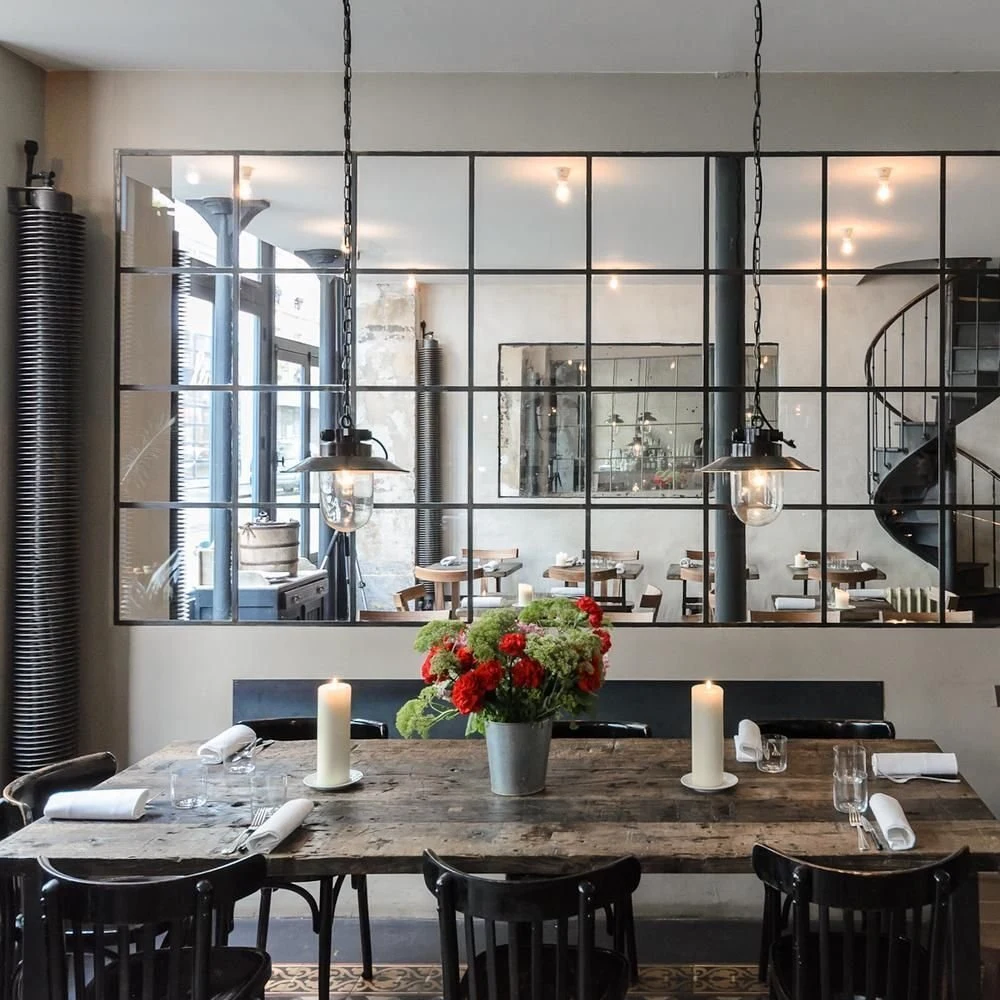
Théophile Pourriat
Beverage Director
- 01CuisineModern French Neo-Bistro
- 02CityParis, France
- 03RecognitionOne Michelin Star
From the people index
Recommended by
3 trusted voices point here.


- 1 Michelin Star · Michelin Guide
- World's 50 Best · #11 · World's 50 Best Restaurants
- Michelin 1 Star · 2026
- Opinionated About Dining Top Restaurants in Europe Ranked #112 · 2026
- Falstaff Restaurant - 92 Falstaff Points · 2026
- Opinionated About Dining Top Restaurants in Europe Ranked #144 · 2025
- The Best Chef Two Knives · 2025
- Michelin 1 Star · 2025
- We're Smart World 3 Radishes · 2025
- World's 50 Best Best Restaurants #40 · 2025
- Michelin 1 Star · 2024
- World's 50 Best Best Restaurants #11 · 2024
- Opinionated About Dining Top Restaurants in Europe Ranked #158 · 2024
- Opinionated About Dining Top New Restaurants in Europe Ranked #120 · 2023
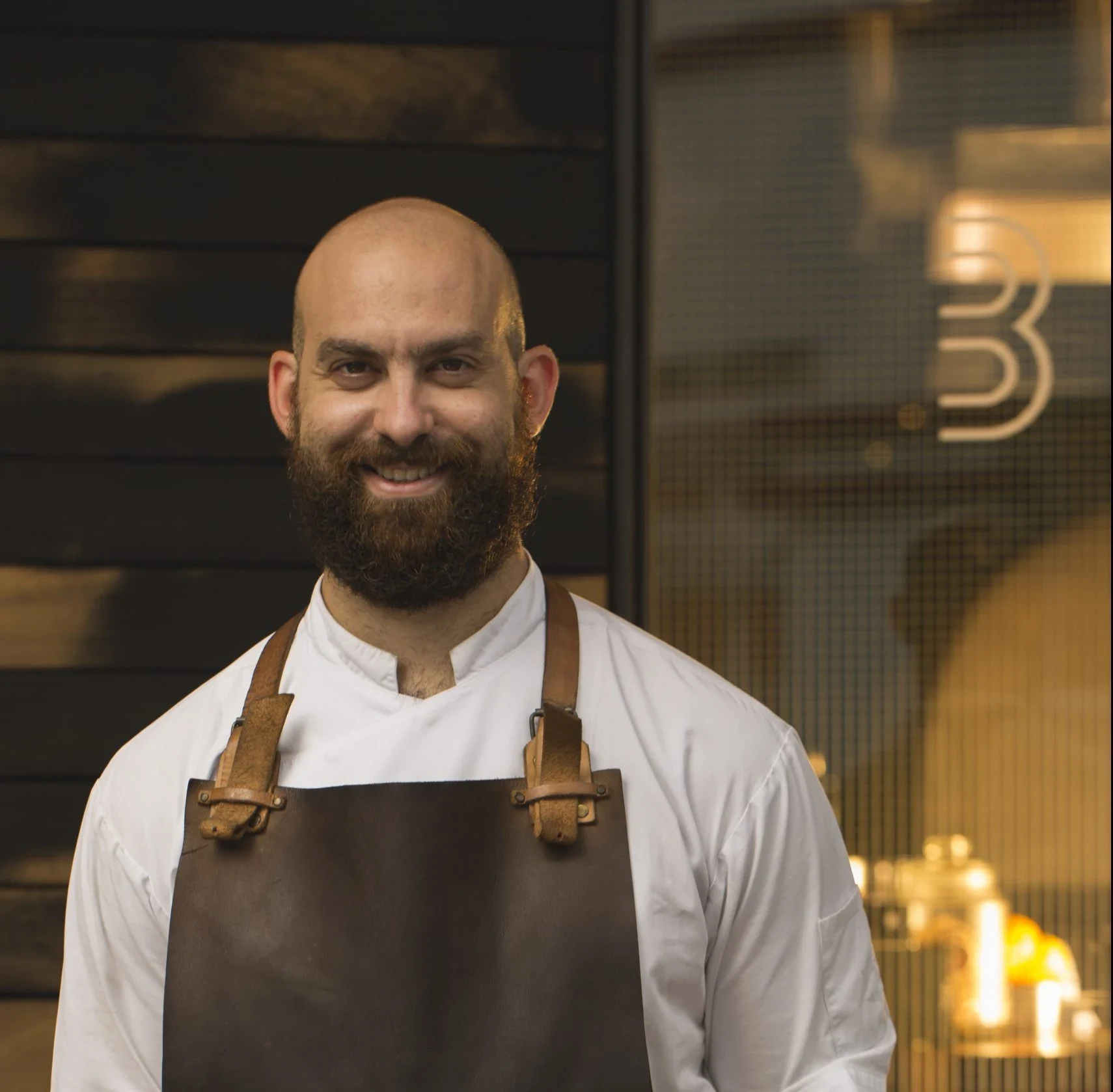
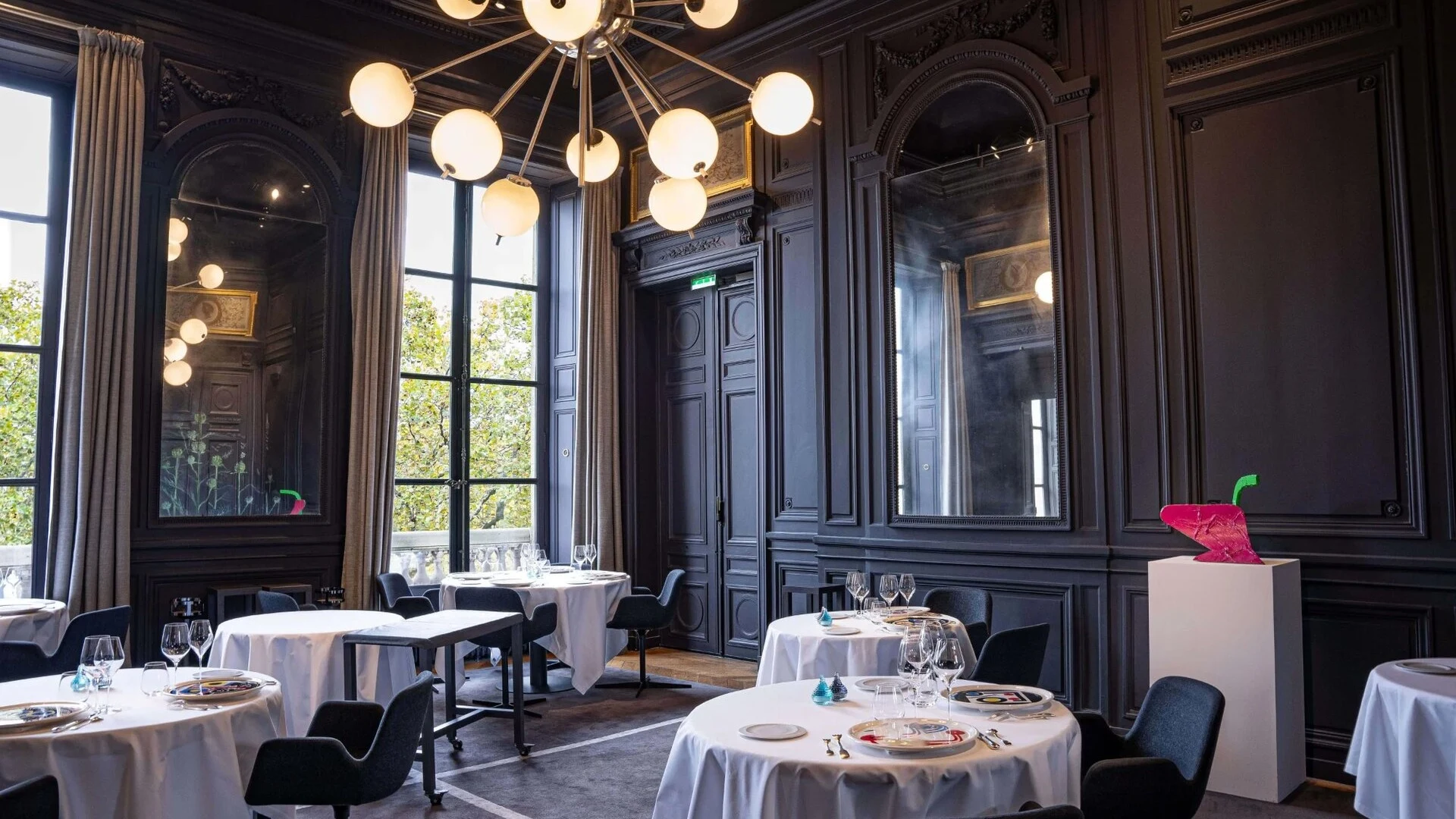
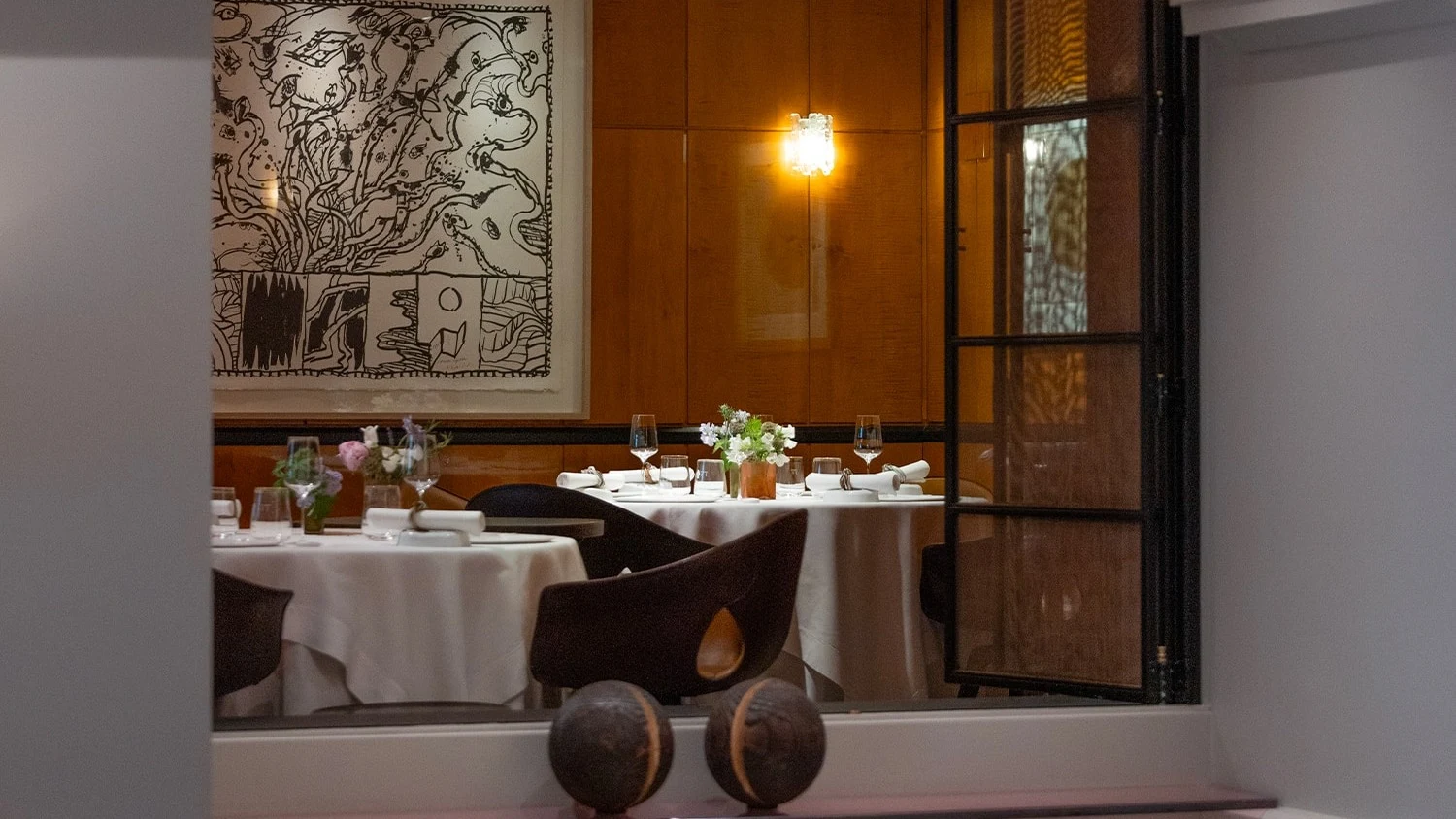
Paris makes the first argument. This is not palace Paris or grand-restaurant Paris, but the tighter, contemporary city where the modern bistro loosened old rules. Inside, the informal register matters: a dining room understood through ease, directness and service built around the table rather than hierarchy. Paris has long used the bistro as a democratic form; the contemporary version asks how much precision can fit inside a room that refuses grand-restaurant codes.
Septime answers through format, not spectacle. The cooking moves through a seasonal menu in four or seven courses, giving the kitchen room for fruits, vegetables, wine and changing produce without turning the meal into luxury theatre. The bistro tradition here is not nostalgia for zinc counters and chalkboards, but the French habit of making a dining room socially alive while the food carries discipline beneath the informality.
The Sunday letter
Find new places through the people who run them.
Our Sunday email brings you the chefs, winemakers and hoteliers behind our newest stories. See a sample before you subscribe.
See a sample of the Sunday emailOne email a week. Unsubscribe from any issue.
The Paris neo-bistro after the white tablecloth era
The neo-bistro movement changed Paris dining by taking technique out of formal rooms and placing it in smaller, less decorated spaces. That made restaurants feel younger and less scripted, while creating a new tier: casual rooms where the cooking must justify destination-level attention. Septime sits in that tier, alongside Paris peers such as Le Chateaubriand, Elmer, Vantre and other Paris dining rooms, but occupies the more internationally scrutinised end.
The evidence is specific without needing theatrical display. Septime is recognised for good ideas, freshness, ease and passion, and ranks #144 in Opinionated About Dining’s Top Restaurants in Europe for 2025. Those signals move it beyond local bistro debate into a wider conversation about what contemporary Paris dining can be. Yet the restaurant does not need visual grandstanding to carry that comparison. The tension between modest stagecraft and high external recognition is why the restaurant remains useful for reading modern Paris dining.
Bertrand Grébaut’s résumé frames the cooking without making the restaurant a chef biography. Work in the kitchens of Robuchon and Alain Passard explains the technical confidence and vegetable-led intelligence behind the menu. In Paris, that lineage has weight: one side suggests exactitude, the other the serious treatment of plants. At Septime, those references support a broader bistro idea: produce-driven, internationally conversant and still recognisably Parisian in pace.
Seasonality, wine and the new meaning of casual French dining
The seasonal carte blanche format is central. Many modern bistros claim seasonality; stronger ones build the operating model around it. Here, four- and seven-course structures give the kitchen control, avoiding the scatter of a large à la carte while keeping the meal shorter and more direct than a long dégustation. In Paris, where tasting-menu culture can grow heavy with explanation, better neo-bistros keep the table moving.
Wine is not secondary in this style. Awards commentary notes attention not only to winemakers and their beautiful wines but also to the plant world, with an extensive range of seasonal fruits and vegetables. That matches the broader Paris move toward lists with a point of view and pairing flexibility over trophy-label display. That is not anti-luxury; it changes the luxury code. Instead of rare bottles as status objects, the interest is how the cellar supports vegetables, fruit, acidity, bitterness and the lighter structures of contemporary cooking.
The restaurant’s reputation belongs in the bistro discussion, not as decoration but as operating pressure. Septime’s seasonal menu in four or seven courses gives Grébaut carte blanche and makes sourcing, fruit, vegetables and wine inseparable from taste. Paris has enough restaurants borrowing informality while keeping old luxury assumptions. This address helped define a more durable model: fewer formal signals, tighter seasonal logic, and a menu treating the plant world as more than garnish.
For travellers, expectation is key. This is not the old Paris fantasy of silver service and culinary monumentality. It is Paris dining after that fantasy: precise but not stiff, ambitious without theatrical excess, serious about wine without making the table a seminar. Diners interested in the city’s broader food culture can map it against other Paris restaurants, then build the rest of the trip through bars, hotels, wine-focused stops and experiences with the same low-formality logic.
Where it sits in the wider modern-bistro conversation
Compared with more moderately framed Paris neo-bistros, Septime carries heavier expectation. That is the cost of international recognition: the room may feel relaxed, but the reservation carries destination pressure. The useful comparison is not casual versus formal, but bistros serving neighbourhood appetite versus bistros that become reference points for a generation of cooks. In the second category, the meal must deliver clarity, not novelty for its own sake.
That influence extends beyond one dining room. The modern-bistro vocabulary appears across Paris and elsewhere, with peers and reference points such as Bruut, Elmer, Le Chateaubriand, Septime and Vantre helping define the conversation in different ways. The shared language is clear: shorter menus, seasonal discipline, wine lists with point of view, and rooms preferring energy to ceremony. Even outside conventional restaurant formats, the same preference for tighter, specialist thinking now shapes how diners read contemporary hospitality.
Septime remains a useful Paris booking because it clarifies what the bistro can be now. It is not simply a casual restaurant with better cooking, nor a fine-dining room dressed down for fashion. It is a Parisian form that has absorbed global attention, wine culture and vegetable-led technique without abandoning the social ease that made the bistro durable. That balance is harder than the room first suggests.
Questions
Frequently asked
What recognition does Septime hold?
Septime holds 1 Michelin star and a place on the World's 50 Best list at number 11.
Who works at Septime?
Made By profiles Théophile Pourriat (Co-founder / Beverage Director / General Manager) at Septime.
How expensive is Septime?
Septime is listed at a price level of $$$.
Where is Septime and what does it serve?
Septime is in 11th arrondissement, Paris, serving Modern French Neo-Bistro.
The field
How it compares
| Place | Awards | Cuisine | Notes |
|---|---|---|---|
| Septime | Michelin 1 Star, World's 50 Best #11 | Modern French Neo-Bistro | 11th arrondissement, $$$ |
| Arpège | Michelin 3 Stars, World's 50 Best | Vegetable-Focused French Fine Dining | Paris |
| Epicure | Michelin 3 Stars | Contemporary French Fine Dining | Paris |
| Guy Savoy | Michelin 2 Stars, World's 50 Best | Classic French Fine Dining | Paris |
| Le Cinq | Michelin 3 Stars, World's 50 Best | Modern French Fine Dining | Paris |
| Le Taillevent | Michelin 2 Stars, World's 50 Best | Classic and Modern French Fine Dining | Paris |
| Pierre Gagnaire | Michelin 3 Stars, World's 50 Best | Avant-Garde French Fine Dining | Paris |
In residence
Similar places
Vegetable-Focused French Fine Dining
Arpège
Paris, France
★★★ · 50 Best
Contemporary French Fine Dining
Epicure
Paris, France
★★★
Classic French Fine Dining
Guy Savoy
Paris, France
★★ · 50 Best
Modern French Fine Dining
Le Cinq
Paris, France
★★★ · 50 Best
Classic and Modern French Fine Dining
Le Taillevent
Paris, France
★★ · 50 Best
Avant-Garde French Fine Dining
Pierre Gagnaire
Paris, France
★★★ · 50 Best
The Sunday letter
Get the next Made By story in your inbox.
We send one email every Sunday morning with the places and people we covered that week.
See a sample of the Sunday emailOne email a week. Unsubscribe from any issue.