Le Julien
- 01CuisineModern French Fine Dining
- 02CityLotenhulle, Belgium
- 03RecognitionOne Michelin Star
Sauces finished at the pass
- 1 Michelin Star · Michelin Guide
- Michelin 1 Star · 2026
- Michelin 1 Star · 2025
Last-minute sauce work at the pass
The sauce reaches the plate at the end, not as decoration but as structure. At Le Julien in Lotenhulle, the French register is one where timing decides whether sole, pigeon or langoustine keeps its line. The room asks for command inside a restored farmstead, where a modern approach still leans on classical weight: sauces with body, shellfish handled close to service, poultry and fish carried by reduction, glaze and emulsion rather than gesture for its own sake. The restaurant holds one Michelin star, and that fact sits beside the work rather than ahead of it. The materials are named plainly enough to be tested: Anjou pigeon, sole, langoustine tartare. The station is formal, but the discipline is practical. Heat, rest, seasoning and the pass do not forgive drift.
French bones, modern turns
The menu architecture at Le Julien gives the kitchen two formats to work through: tasting menu and à la carte. That matters because the place is built for sequence as much as for a single plate. Langoustine tartare can carry brightness and shellfish depth; sole asks for restraint; Anjou pigeon wants heat managed closely enough that the flesh keeps its shape and the sauce does not outrun it. The cooking runs as modern French fine dining, but its center is older than the phrase. Premium ingredients come forward through poaching, glazing, mounting, folding acidity into fat, and finishing at the last possible moment. The wine program is curated rather than decorative, with sommeliers on the floor to pair against the kitchen’s richer register. Burgundy has an affinity with this kind of table: structure, perfume, length, enough nerve to meet butter and jus. Le Julien’s strength is not a long list of techniques named for effect. It is the decision to let classical French methods stay visible while small modern turns, a sharper contrast, a cleaner emulsion, a cooler note beside richness, keep the plate from settling into nostalgia.
A restored farmstead kept quiet
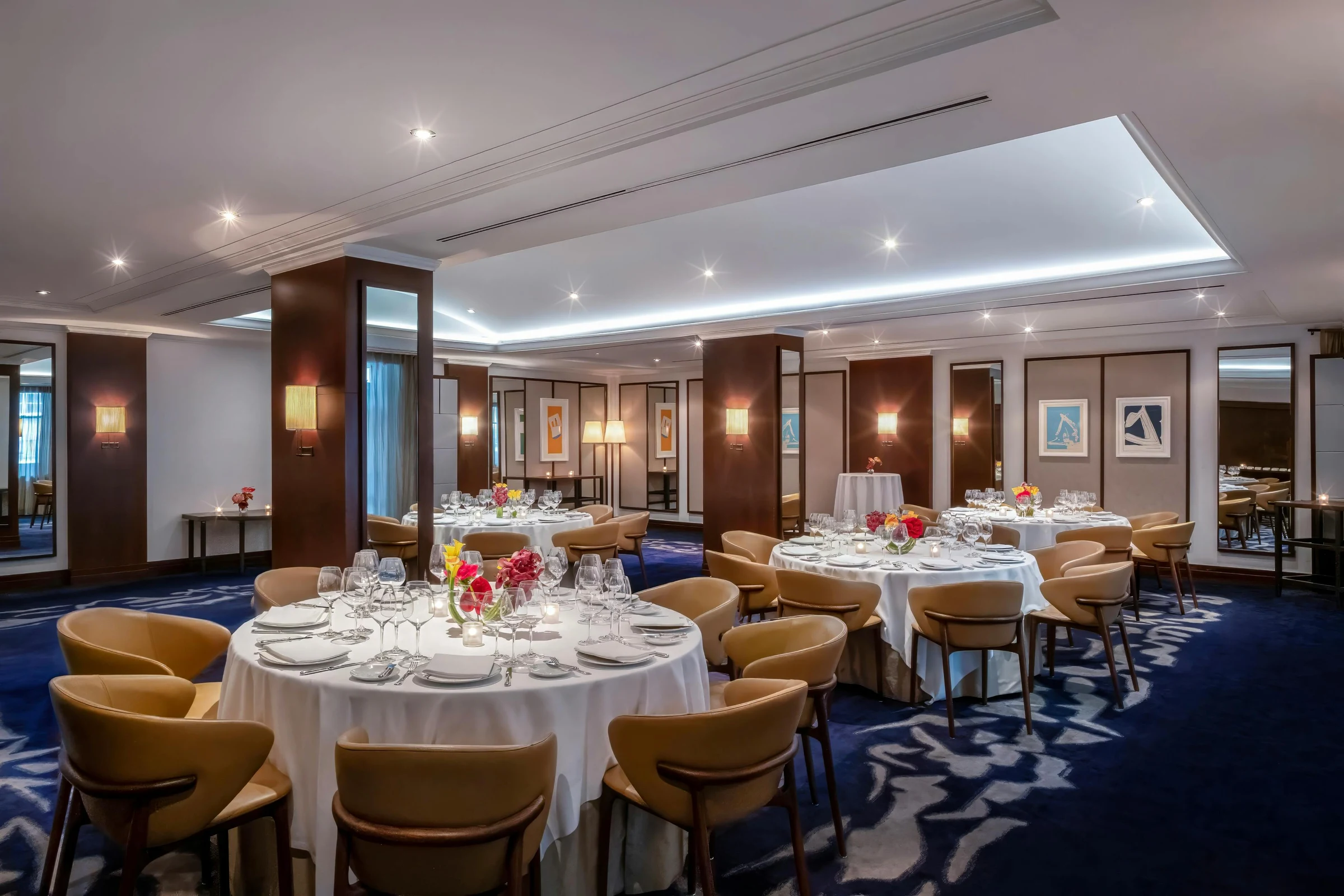
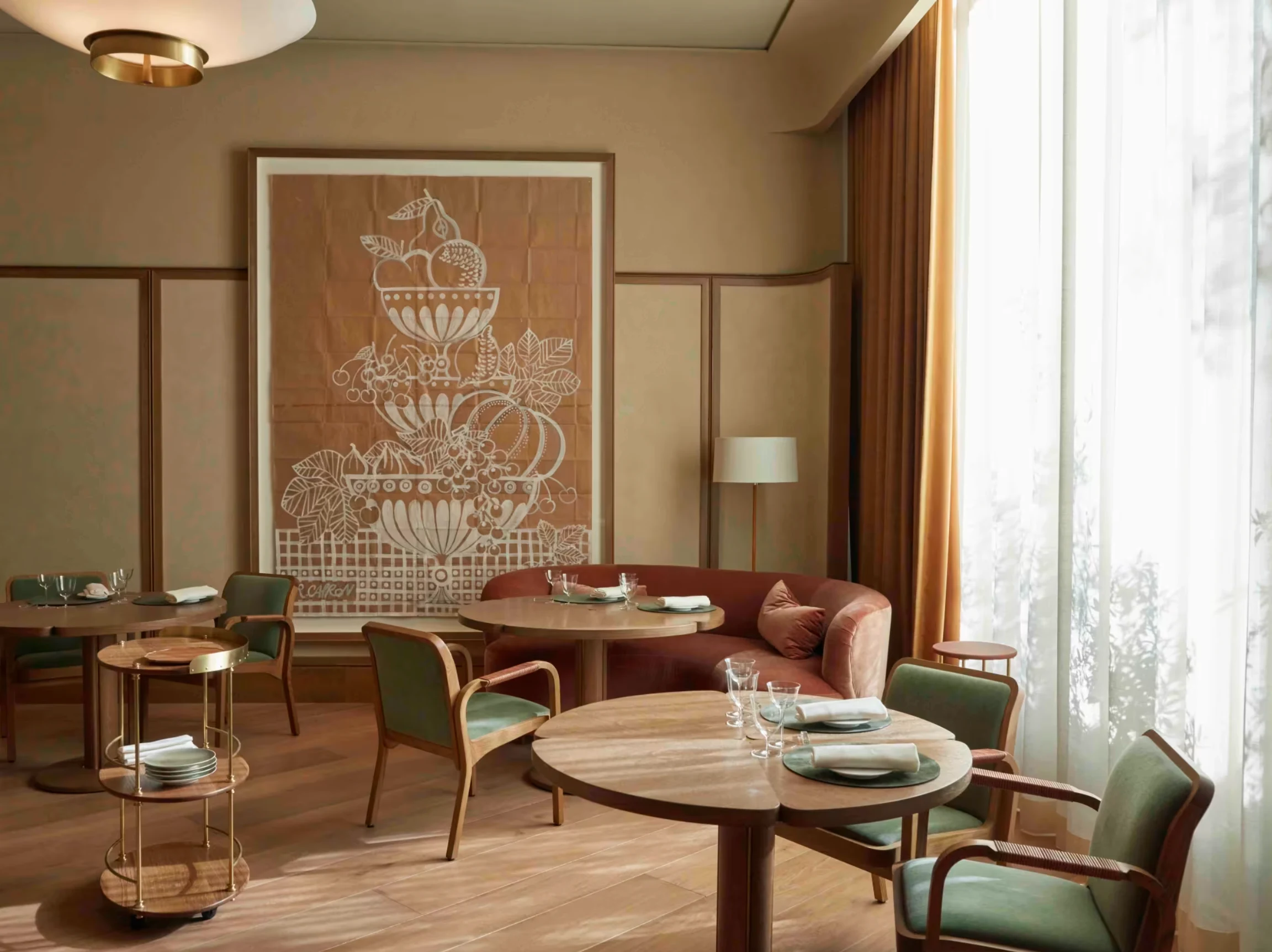
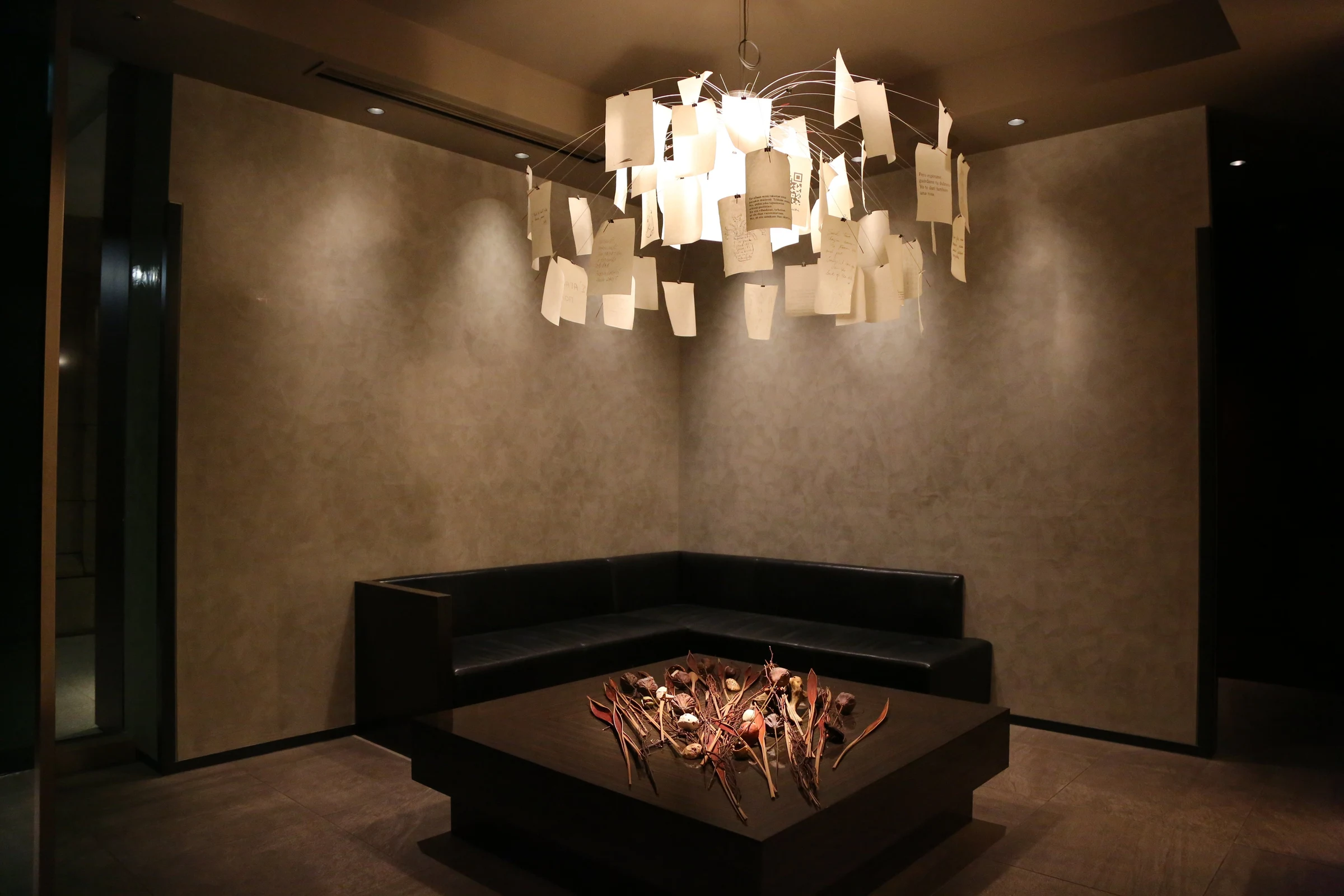
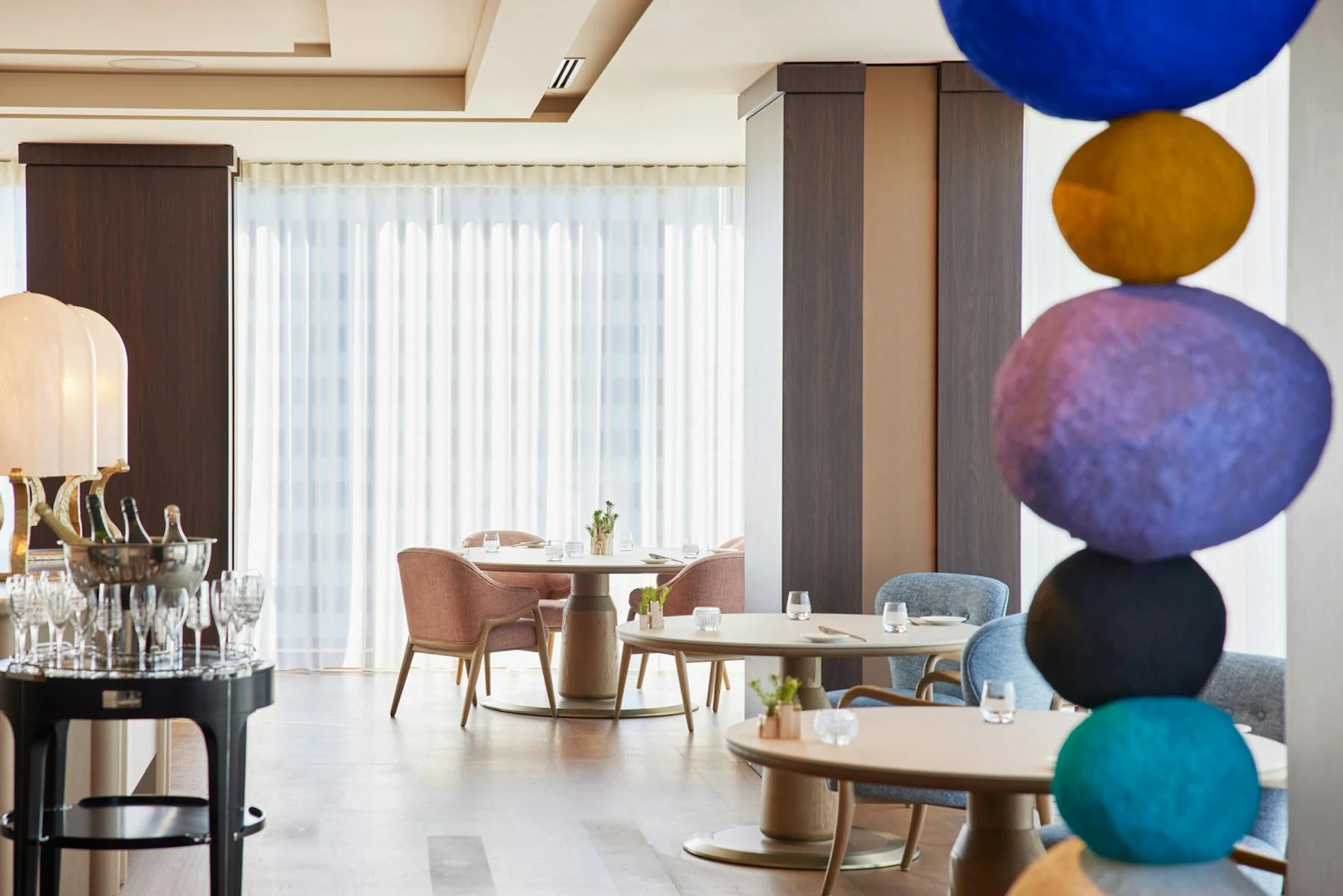
The room holds its nerve. Le Julien works from a tastefully restored farmstead in Lotenhulle, a village setting that changes the pressure around fine dining without softening the service. Muted tones, a warm interior, and a quiet noise level allow the pass to remain the real center of attention. The dining room is intimate, formal in pace, and composed enough that small movements read clearly: a sommelier crossing with glassware, a plate landing without announcement, cutlery reset for the next course. This is not a room designed to compete with the food. It frames it. The farmstead character gives texture to the evening, but the luxury is in control, in the way the kitchen and floor keep the sequence moving without haste.
The dish that fixes the house in place
Le Julien’s current chapter in Lotenhulle is best understood through the dishes that anchor it, not through the move itself. The house can make a tasting menu feel expansive while staying within a tight craft language: French technique, premium product, measured contrast, a cellar chosen to keep pace. If the close of the meal turns quieter, the memory often sits earlier, where the hand of the kitchen is most exposed. At Le Julien, that place is the Anjou pigeon.
Questions
Frequently asked
What kind of restaurant is Le Julien?
Le Julien is a modern French fine dining restaurant in Lotenhulle, set in a restored farmstead.
What is the kitchen known for?
The kitchen works with Anjou pigeon, sole and langoustine tartare, using French techniques with a modern approach.
What recognition does Le Julien hold?
Le Julien holds one Michelin star.
How should bookings and dress be handled?
Reservations are essential and are taken direct. The dress code is smart casual.
The field
How it compares
| Place | Awards | Cuisine | Notes |
|---|---|---|---|
| Le Julien | Michelin 1 Star | Modern French Fine Dining | Lotenhulle, $$$$ |
| Daniel | Michelin 1 Star, World's 50 Best | Modern French Fine Dining | New York City |
| Mirazur | Michelin 3 Stars, World's 50 Best | Modern French Fine Dining | Menton |
| Odette | Michelin 3 Stars, World's 50 Best | Modern French Fine Dining | Singapore |
| Quince | Michelin 3 Stars, World's 50 Best | Modern French Fine Dining | San Francisco |
| Quintessence | Michelin 3 Stars | Modern French Fine Dining | Tokyo |
| Sézanne | Michelin 3 Stars, World's 50 Best | Modern French Fine Dining | Tokyo |
Similar places
Modern French Fine Dining
Daniel
New York City, United States
★ · 50 Best
Modern French Fine Dining
Mirazur
Menton, France
★★★ · 50 Best
Modern French Fine Dining
Odette
Singapore, Singapore
★★★ · 50 Best
Modern French Fine Dining
Quince
San Francisco, United States
★★★ · 50 Best
Modern French Fine Dining
Quintessence
Tokyo, Japan
★★★
Modern French Fine Dining
Sézanne
Tokyo, Japan
★★★ · 50 Best