Made ByRestaurant
Le Prieuré
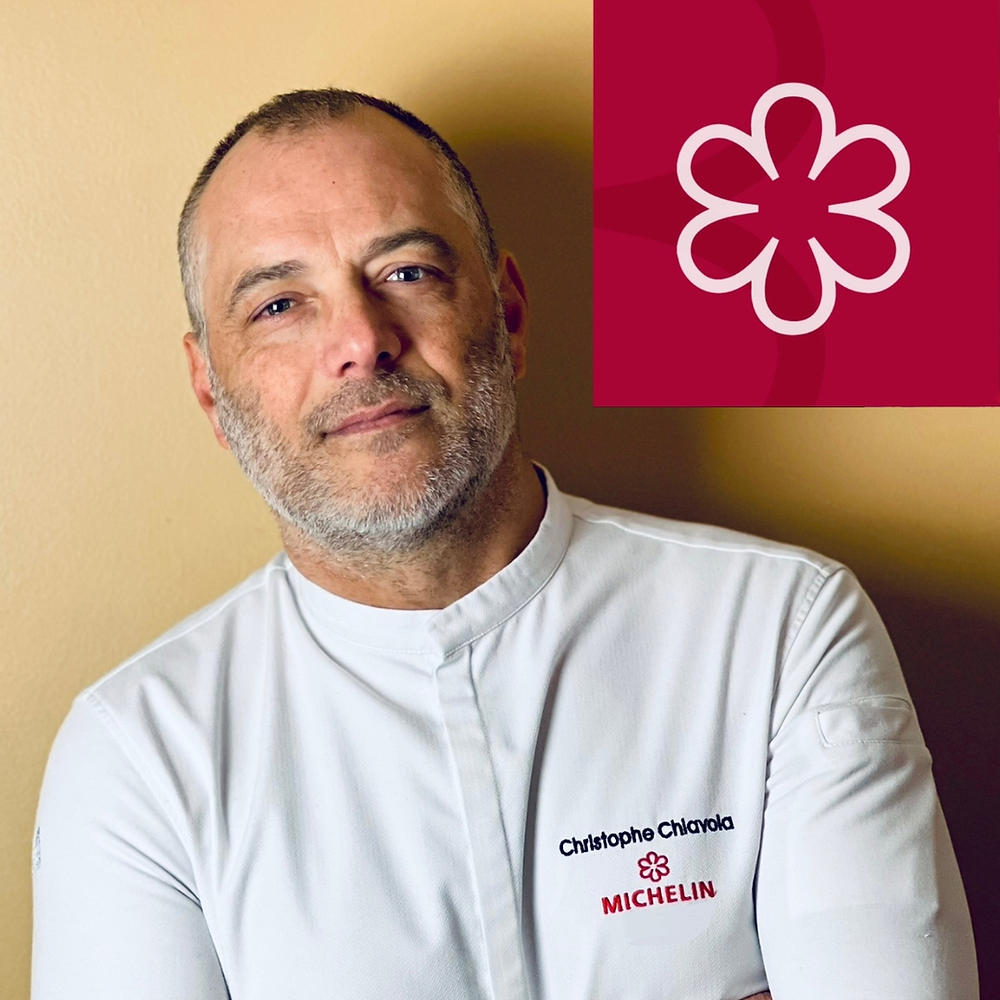
Chef in Residence
Christophe Chiavola
Chef
- 01CuisineModern French Gastronomic with Provençal Influences
- 02CityVilleneuve-lès-Avignon, France
- 03RecognitionOne Michelin Star
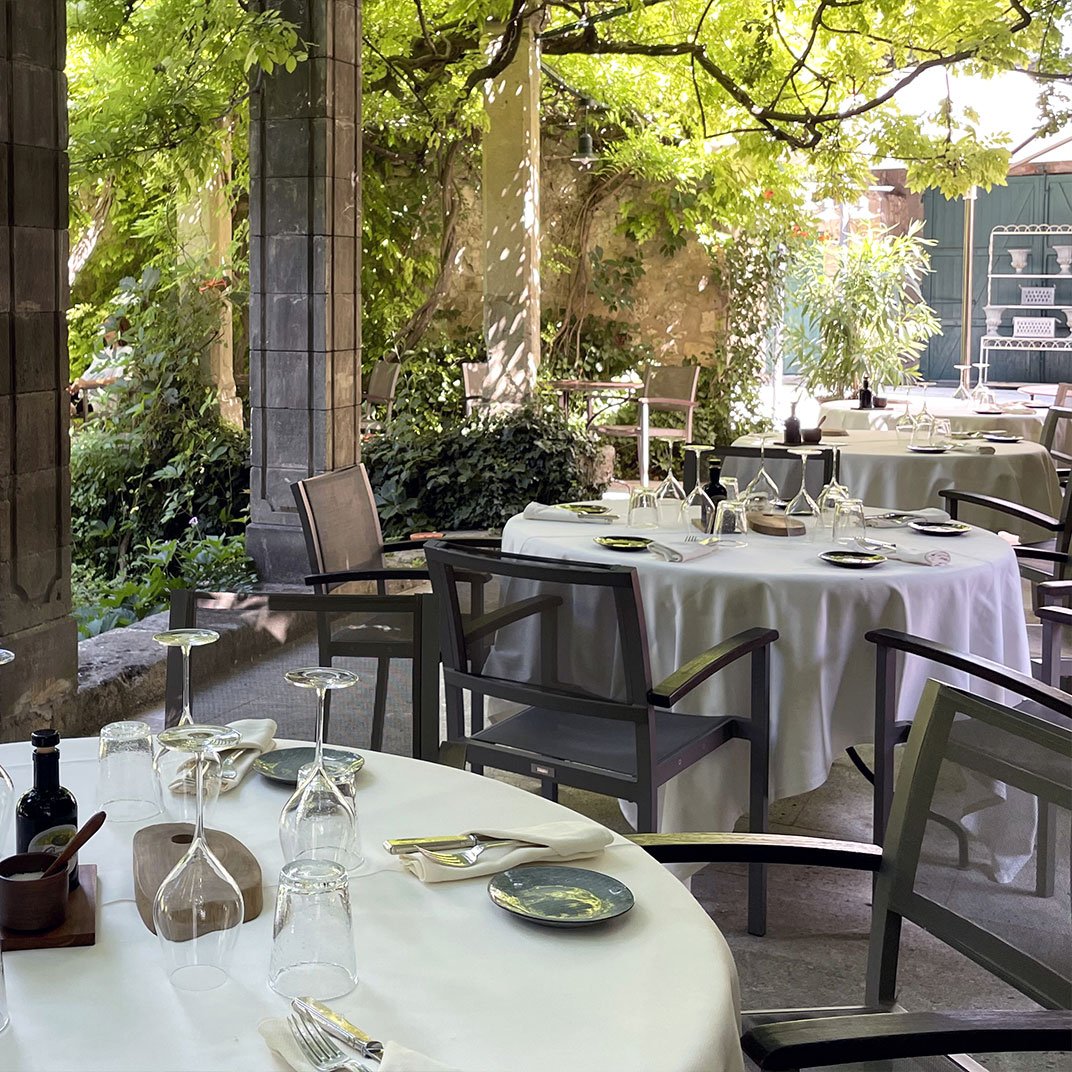
Le Prieuré pairs modern French gastronomic cooking with Provençal influences, a historic building, and a quiet, leisurely room; Michelin kept it at one star in 2024, 2025, and 2026.
- 1 Michelin Star
At a glance
- Cuisine
- Modern French Gastronomic with Provençal Influences
- Price
- $$$$
- Per person
- $95
- Hours
- Mon: 12–1:30 PM, 7:30–9 PM; Tue: Closed; Wed: Closed; Thu: 12–1:30 PM, 7:30–9 PM; Fri: 12–1:30 PM, 7:30–9 PM; Sat: 12–1:30 PM, 7:30–9 PM; Sun: 12–1:30 PM, 7:30–9 PM
- Neighborhood
- centre ville
- Rating
- 4.3 (18)
<h2>Stone, Silence, and a Michelin Star in the Gard</h2><p>The approach to Villeneuve-lès-Avignon tells you something before any meal begins. Cross the Rhône from Avignon and the tempo changes: fewer tourists, narrower lanes, the kind of provincial calm that French gastronomy has historically used as a canvas. Place du Chapitre sits at the heart of a winegrowing village whose medieval fabric is still largely intact, and at its edge stands a 15th-century Benedictine priory with a multi-coloured varnished tile roof done in the Burgundian manner — the decorative register you associate with the Côte-d'Or carried this far south by monks and stone-cutters who predated the French state. Le Prieuré's dining room occupies an adjoining granite building, traditional in form, positioned so that the priory remains in peripheral view. The architecture sets an argument before the first course arrives: that cooking in a place like this carries obligations to continuity, and that the rewards of that continuity can be considerable.</p><h2>A Creative Kitchen Anchored in the Regional</h2><p>France's one-star tier has never been uniform. Some tables in this bracket operate as proving grounds, chefs cycling through in search of a second star or a move to Paris. Others function as settled, locally rooted propositions where the ambition runs in a different direction — toward precision within a defined place and ingredient set rather than toward abstraction or spectacle. Le Prieuré falls into the second category. Michelin's 2025 award comes with the notation "Creative Cooking" and a description that emphasises classic principles as a foundation, with local ingredients supplying the flavour logic that drives individual dishes. This is not the register of <a href="https://www.enprimeurclub.com/restaurants/alleno-paris-au-pavillon-ledoyen-paris-restaurant">Alléno Paris au Pavillon Ledoyen</a> or the altitude-driven produce philosophy of <a href="https://www.enprimeurclub.com/restaurants/flocons-de-sel-megeve-restaurant">Flocons de Sel in Megève</a>. It is closer in spirit to the strand of French cooking that treats creative work as a dialogue with terroir rather than a departure from it, a lineage you can trace through addresses like <a href="https://www.enprimeurclub.com/restaurants/bras-laguiole-restaurant">Bras in Laguiole</a> and <a href="https://www.enprimeurclub.com/restaurants/auberge-du-vieux-puits-fontjoncouse-restaurant">Auberge du Vieux Puits in Fontjoncouse</a>, both of which built serious reputations by insisting that a particular landscape could sustain serious cuisine on its own terms.</p><p>Chef Christophe Chiavola leads the kitchen. The Michelin record situates the cooking in classic technique, with regional ingredients shaping each dish's flavour direction. In the broader context of the southern Rhône, that means access to produce profiles that differ from what a chef in Lyon or Alsace would reach for: the garrigue aromatics, the stone-fruit inflections, the olive-oil register that runs through Provence and into the Languedoc. A kitchen that works with those materials honestly tends to produce a table that reads as specific to its location rather than as a southern outpost of a Parisian idiom, and that specificity is what Michelin's language about this restaurant implies.</p><h2>The Côte Roannaise Comparison and What It Tells Us</h2><p>Michelin's 2025 guide text makes a direct reference to the Côte Roannaise, a small Loire wine and agricultural region north of Lyon that has produced a cluster of well-regarded restaurants anchored in local craft. The reference is worth pausing over, because it points to a type of French restaurant that is geographically marginal to the country's major dining cities but not culturally marginal to its culinary tradition. Tables in the Côte Roannaise vein share a set of characteristics: chefs who hail from the area, a front-of-house disposition shaped by the same local culture, cooking built on producers the chef knows personally rather than on a central-market procurement logic. At Le Prieuré, this pattern is in evidence. Michelin notes that the chef comes from the area and that his wife manages the front of house, a structure that appears consistently at this tier of French destination restaurant, one partner in the kitchen, one shaping the room, and that tends to produce a service register that reads as genuinely hospitable rather than professionally choreographed.</p><p>For the guest arriving from Avignon or further afield, the comparison class for Le Prieuré is not the three-star spectacle of <a href="https://www.enprimeurclub.com/restaurants/mirazur-menton-restaurant">Mirazur in Menton</a> or the historical weight of <a href="https://www.enprimeurclub.com/restaurants/paul-bocuse-lauberge-du-pont-de-collonges-collonges-au-mont-dor-restaurant">Paul Bocuse, L'Auberge du Pont de Collonges</a>. It sits in a more intimate comparable set: one-star addresses in provincial France where the cooking is serious, the room is personal in scale, and the interaction between setting and plate is the primary argument. <a href="https://www.enprimeurclub.com/restaurants/auberge-de-lill-illhaeusern-restaurant">Auberge de l'Ill in Illhaeusern</a> has occupied that position in Alsace for generations. <a href="https://www.enprimeurclub.com/restaurants/am-par-alexandre-mazzia-marseille-restaurant">AM par Alexandre Mazzia in Marseille</a> and <a href="https://www.enprimeurclub.com/restaurants/assiette-champenoise-reims-restaurant">Assiette Champenoise in Reims</a> represent different versions of the same impulse in their respective cities. Le Prieuré makes the same case for the Gard.</p><h2>Placing Le Prieuré in Its Competitive Set</h2><p>At €€€€ pricing, Le Prieuré occupies the same bracket as the comparison venues listed above, addresses where a meal represents a deliberate investment rather than a casual decision. Within that bracket, the southern French one-star with a strong regional identity tends to attract a specific type of traveller: one who is planning an itinerary around the Rhône Valley, the Luberon, or a broader Provence circuit, and who wants a high-end dining anchor that is of its place. The priory setting and the Gard location make Le Prieuré a more compelling choice for that traveller than a technically equivalent table in a larger city, because the physical environment participates in the experience in a way that an urban dining room cannot replicate. Whether you are coming from Avignon (minutes away across the Rhône), from Nîmes to the west, or from further north on the A7, the logistics are accessible enough that a detour is direct to build. For the creative cooking tier in France, which also includes addresses like <a href="https://www.enprimeurclub.com/restaurants/au-crocodile-strasbourg-restaurant">Au Crocodile in Strasbourg</a>, <a href="https://www.enprimeurclub.com/restaurants/troisgros-le-bois-sans-feuilles-ouches-restaurant">Troisgros, Le Bois sans Feuilles in Ouches</a>, and international comparators such as <a href="https://www.enprimeurclub.com/restaurants/enrico-bartolini-milan-restaurant">Enrico Bartolini in Milan</a> or <a href="https://www.enprimeurclub.com/restaurants/jan-munich-restaurant">JAN in Munich</a>, Le Prieuré's combination of setting, star, and regional specificity places it in a small subset of addresses where the environmental argument and the culinary argument reinforce each other.</p><h2>Planning a Visit</h2><p>Le Prieuré sits at 7 Pl. du Chapitre, 30400 Villeneuve-lès-Avignon, France. The priory setting and the €€€€ price point suggest advance booking is prudent, particularly for dinner during the summer season when Avignon draws significant cultural tourism around its July festival. Google reviewers give the restaurant a 4.3 rating, based on 18 reviews.</p><h2>Frequently Asked Questions</h2><dl><dt><strong>What is the vibe at Le Prieuré?</strong></dt><dd>The room adjoins a 15th-century Benedictine priory in a quiet winegrowing village on the Gard side of the Rhône, and the atmosphere reflects that setting: composed, historically grounded, and a significant remove from the tourist density of Avignon across the river. Michelin's 2025 star and the €€€€ pricing place it in the tier of destination dining where guests arrive with specific intent rather than by chance. Front-of-house is managed by the chef's wife, which at this level of French provincial cooking tends to produce a service register that is personal without being casual.</dd><dt><strong>What is the leading thing to order at Le Prieuré?</strong></dt><dd>Michelin's description of the kitchen under Chef Christophe Chiavola points clearly toward dishes built on classic French technique with the flavours of local Gard ingredients as their organizing logic. In a kitchen receiving a first star for creative cooking in the southern Rhône, the most revealing dishes are typically those that demonstrate that regional specificity most directly, plates where the garrigue, the stone-fruit season, or the olive-oil register of the landscape shows in the flavour rather than just the provenance note. </dd><dt><strong>Does Le Prieuré work for a family meal?</strong></dt><dd>At €€€€ pricing in a Michelin-starred room focused on creative tasting-format cooking, it is a deliberate adult occasion rather than a relaxed family outing, Families with older children who appreciate a composed creative menu will find it more suitable than those with young ones.</dd></dl>
Know before you go
- Dress code
- smart_casual
- Reservations
- essential
- Parking
- on_site_lot
- Payment
- credit_card
- Accessibility
- wheelchair_accessible
- Outdoor seating
- Yes
- Groups
- Welcomed
Frequently asked
Does Le Prieuré work for a family meal?
Le Prieuré is a one-Michelin-star address at €€€€ pricing, which positions it firmly in occasion-dining territory rather than casual family lunches. The setting inside a granite building adjoining a 15th-century Benedictine priory is formal by nature. Families with older children who appreciate a composed creative menu will find it more suitable than those with young ones.
What's the vibe at Le Prieuré?
The room sits inside a traditional granite building attached to a medieval priory on Place du Chapitre — stone walls, considered quiet, and an atmosphere that matches the neighbourhood's slower pace compared to Avignon across the Rhône. Michelin's 2025 recognition for creative cooking signals a kitchen with ambition, but the setting reads as grounded and regional rather than theatrical.
What's Le Prieuré known for in terms of accolades?
Le Prieuré has received recognition including: HIGHLIGHTS: • 1 MICHELIN STAR 2025 • CREATIVE COOKING; Michelin 1 Star (2025); In the centre of a winegrowing village on the Côte Roannaise, this restaurant adjoins a magnificent 15C Benedictine priory with a multi-coloured varnished tile r….
What's the best thing to order at Le Prieuré?
Specific dishes are not documented here, but Michelin's 2025 citation credits Chef Christophe Chiavola with creative cooking built on classic principles and local ingredients. At €€€€ pricing, a full tasting menu is the format most consistent with how kitchens at this level present their cooking. check the venue's official channels to confirm current menu options before visiting.
Address
7 Pl. du Chapitre, 30400 Villeneuve-lès-Avignon, France
centre ville
How it compares
Le Prieuré
- Cuisine
- Modern French Gastronomic with Provençal Influences
- Price
- $$$$
- Awards
- Michelin 1 Star
- Notes
- centre ville
- Cuisine
- Modern French Fine Dining
- Price
- $$$$
- Awards
- Michelin 1 Star
- Notes
- Barbentane
- Cuisine
- Elemental French Fine Dining
- Price
- $$$$
- Awards
- Michelin 1 Star
- Notes
- Malataverne
Hélène Darroze à Villa La Coste
- Cuisine
- Modern Provençal Fine Dining
- Price
- $$$$
- Awards
- Michelin 1 Star
- Notes
- Le Puy-Sainte-Réparade
L'Aupiho - Domaine de Manville
- Cuisine
- French Author Cuisine
- Price
- $$$$
- Awards
- Michelin 1 Star
- Notes
- Les Baux-de-Provence
- Cuisine
- Modern French Fine Dining
- Price
- $$$$
- Awards
- Michelin 1 Star
- Notes
- Gorges de l'Allier
In residence
Similar places
Japanese-influenced Californian Kaiseki
Single Thread Farm
Healdsburg, United States
★★★ · 50 Best
French Seafood Fine Dining
Le Bernardin
New York City, United States
★★★ · 50 Best
Modern Korean Tasting Menu
Atomix
New York City, United States
★★ · 50 Best
French
Sézanne
Tokyo, Japan
★★★ · 50 Best
Modern Seafood Fine Dining
Providence
Los Angeles, United States
★★★ · 50 Best
Contemporary Plant-Based Fine Dining
Eleven Madison Park
New York City, United States
★★★ · 50 Best