A Room That Carries Its Own History
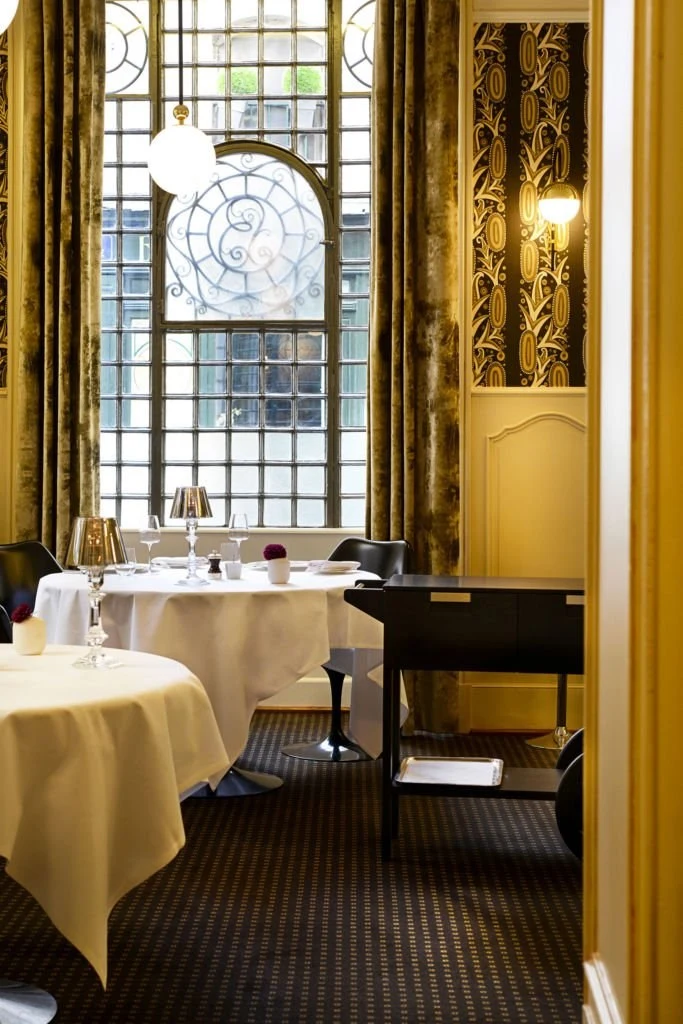
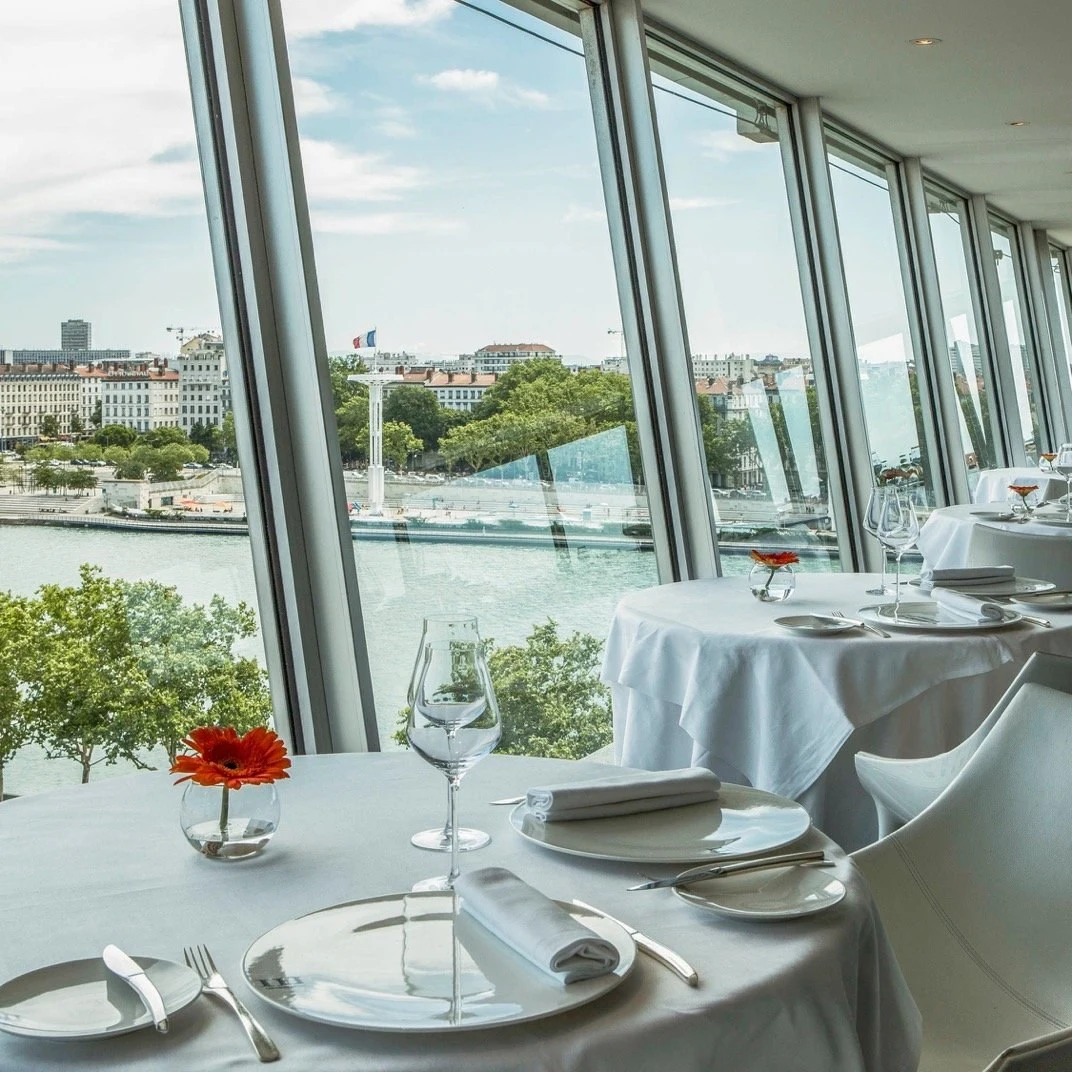
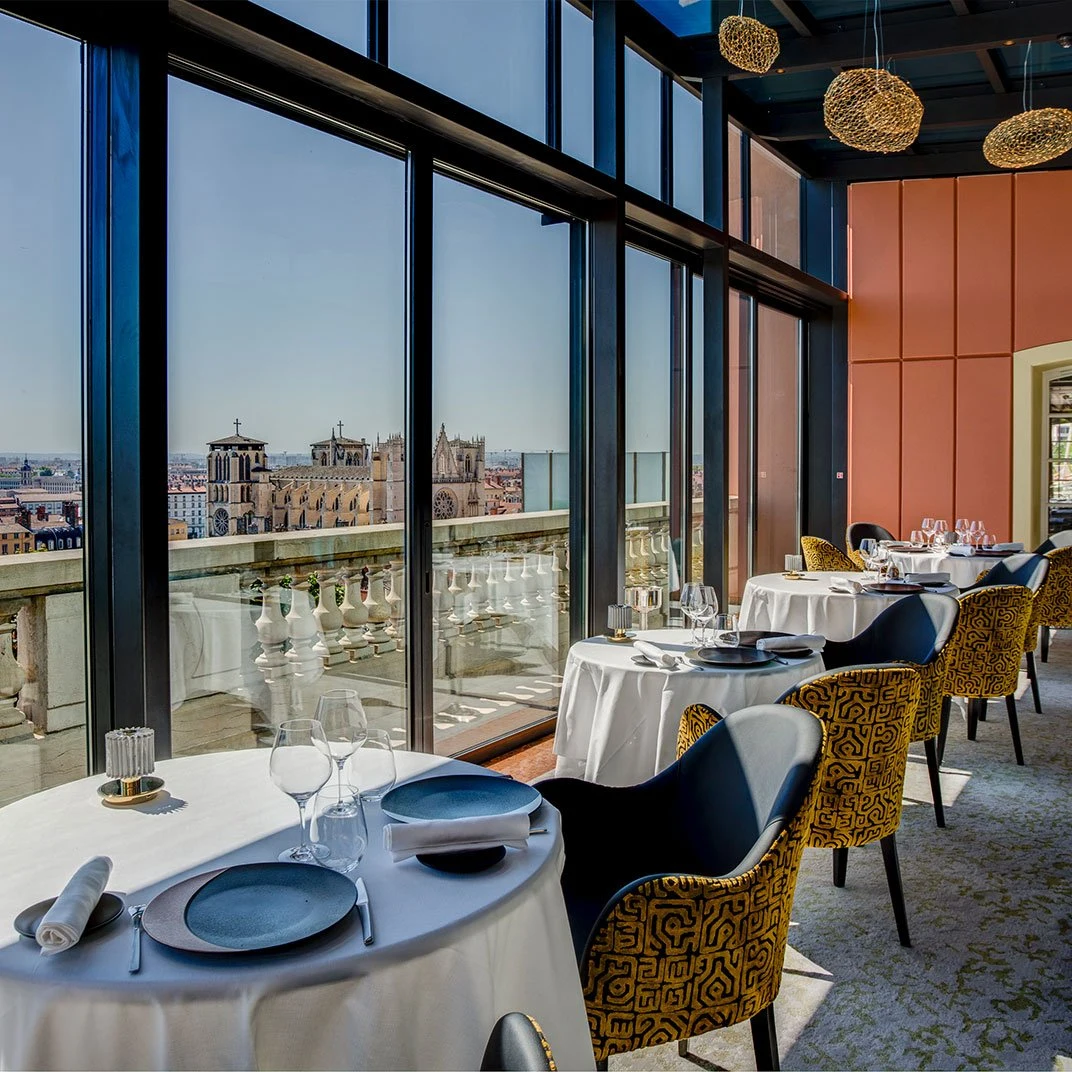
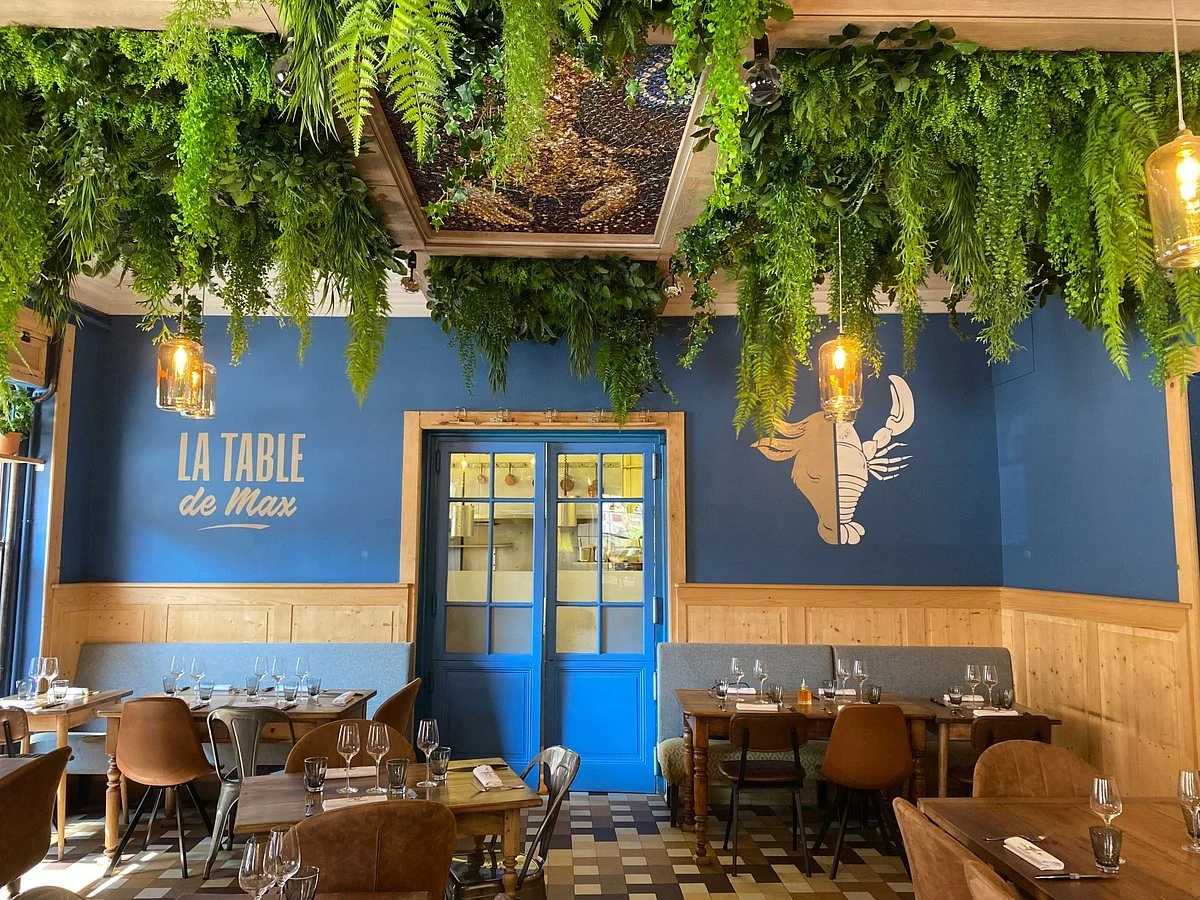
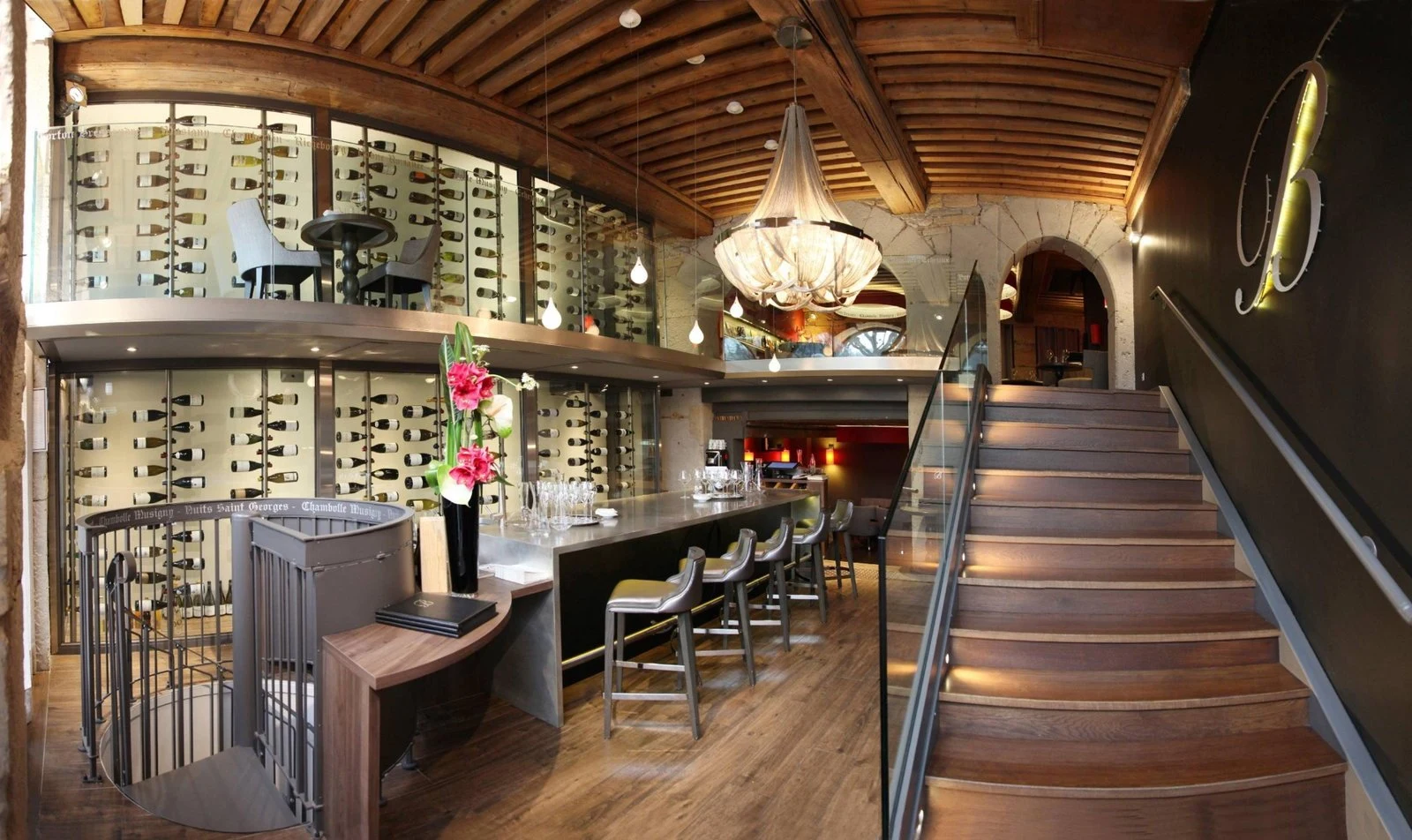
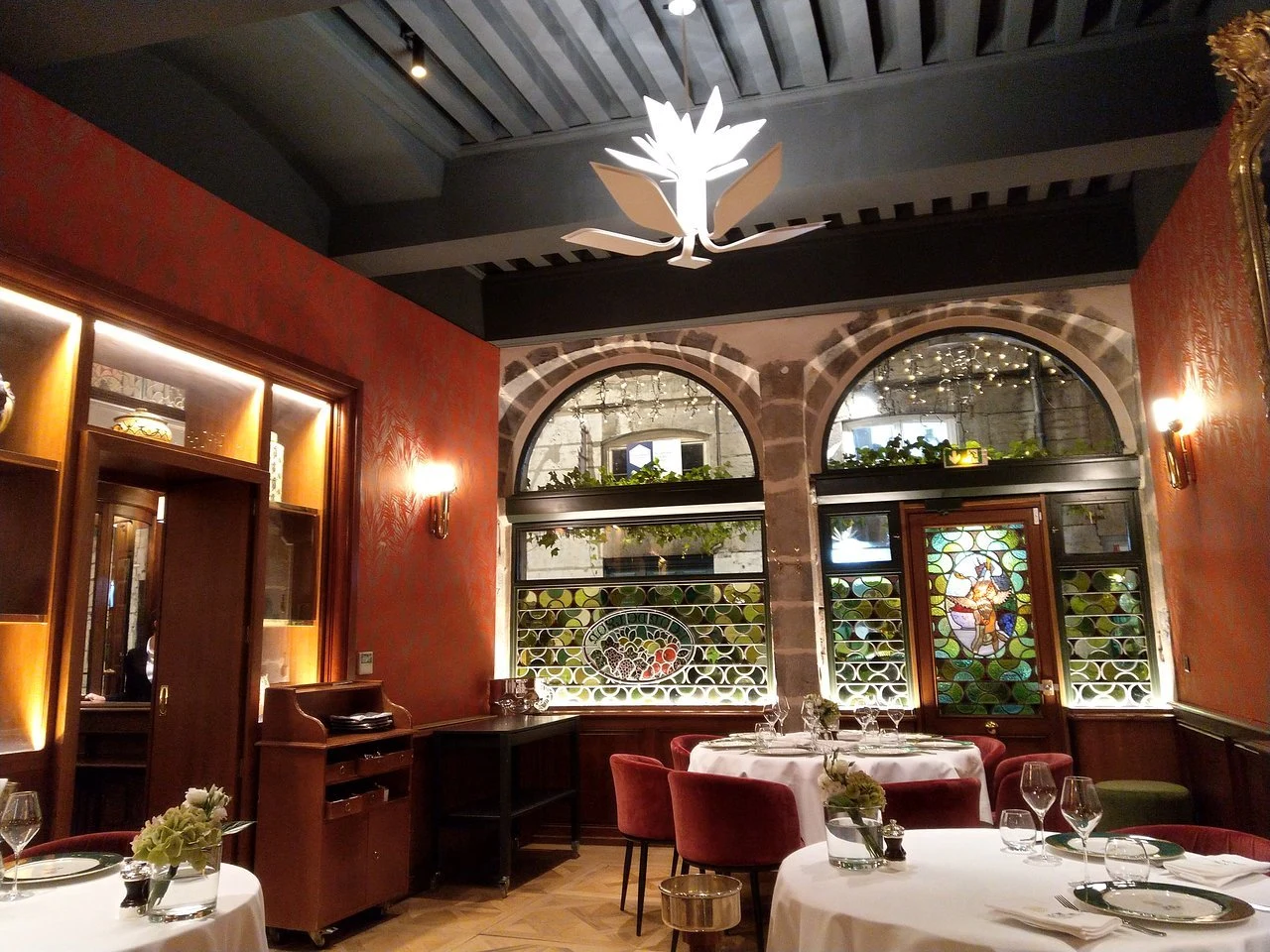
There is a particular kind of dining room that Lyon does better than almost any other city in France: the kind where the architecture itself sets expectations before a menu arrives. The stone walls, the measured light, the sense that the space has absorbed decades of serious meals, these are the ambient conditions at 1 Rue Pleney, where Léon de Lyon has operated in the city's 1st arrondissement. Walking in from the street, the shift from Lyon's pedestrian bustle to the restaurant's interior register is immediate and deliberate. The room is not theatrical; it is weighted. That distinction matters in a city where the dining tradition runs deep and the audience is rarely easily impressed.
Lyon has long occupied a position in French gastronomy that its residents accept as a given and that visitors are still catching up to. The city produced Paul Bocuse, the Mères Lyonnaises, and a bouchon culture that served as the baseline for what classical French cooking could look like when stripped of Parisian pretension. Against that backdrop, the formal Lyonnais dining room carries a specific responsibility: to honour the tradition without becoming a museum of it. Léon de Lyon has held that tension for decades, sitting in the upper bracket of the city's restaurant hierarchy alongside addresses like La Mère Brazier, Lyon's most historically significant two-Michelin-star address, and newer creative voices such as Le Neuvième Art and Takao Takano.
The Sensory Architecture of Classical Lyonnais Cooking
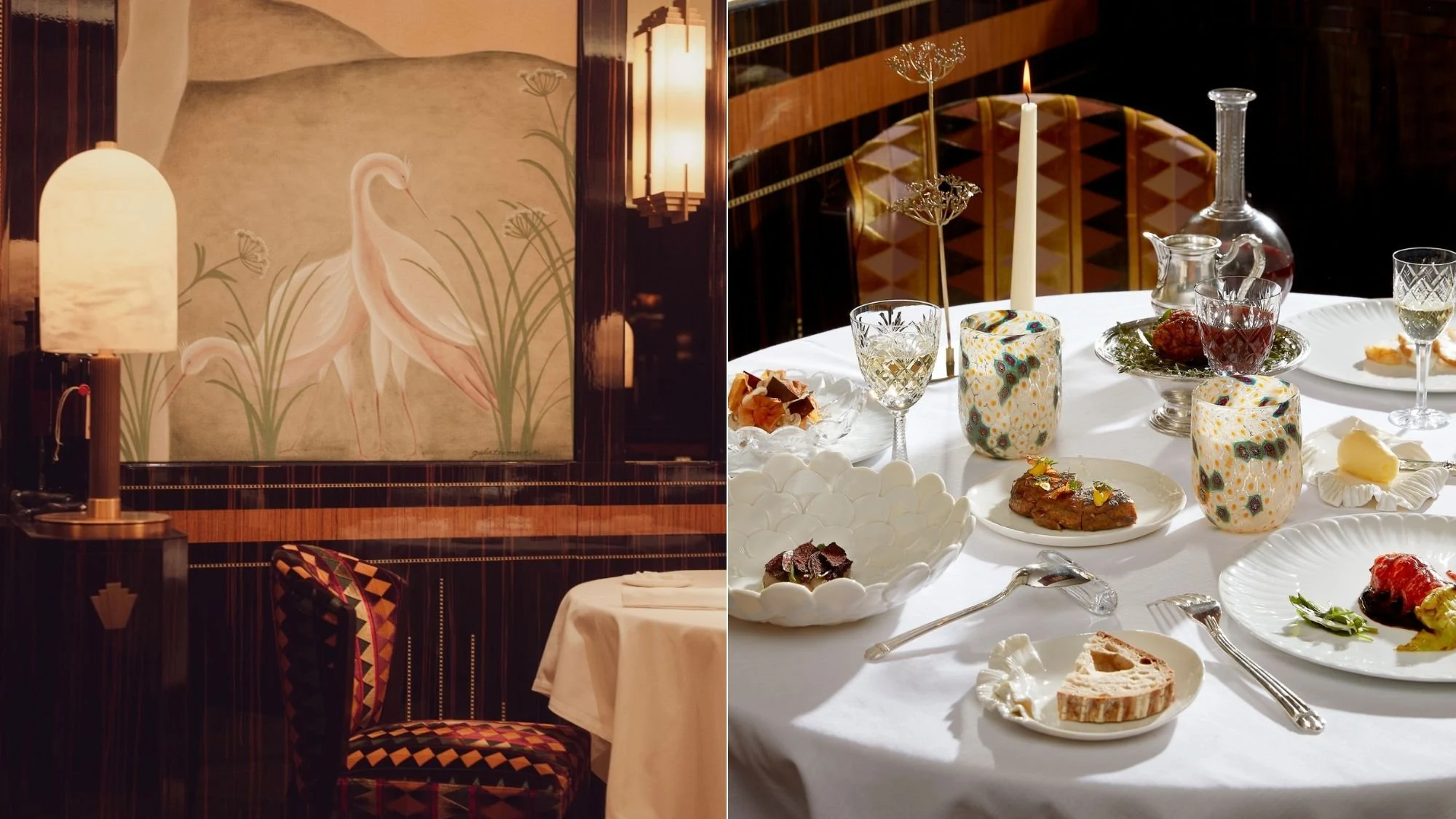
Classical Lyonnais cuisine operates through restraint in technique and intensity in ingredient. The kitchen draws on products that the region has spent centuries perfecting: Bresse poultry, quenelles, offal preparations that would make a squeamish diner reconsider, and sauces built on reductions that take days rather than hours. The sensory register of a meal in this tradition is not about surprise or provocation, it is about depth. A quenelle de brochet arriving in a sauce Nantua, for instance, carries a kind of savoury density that lighter, more contemporary French cooking has largely moved away from. The smell of a reduction hitting the table in an old Lyon dining room is a specific, irreplaceable thing.
Léon de Lyon sits within this tradition and against it simultaneously. The restaurant has, over its history, engaged with the classical canon while the broader French dining scene has fractured into a dozen sub-movements: neo-bistro, fermentation-forward, Japanese-inflected, product-minimalist. Restaurants like Au 14 Février and Burgundy by Matthieu represent how Lyon's younger generation of kitchens is absorbing external influences without abandoning regional identity. Léon de Lyon's position is different: it anchors the classical end of that spectrum, offering a reference point against which the city's newer cooking can be measured.
Lyon in the National Context
To understand what Léon de Lyon represents, it helps to map Lyon's overall position in French fine dining. France's most-discussed restaurants at the three-Michelin-star level tend to cluster around Paris, Alléno Paris au Pavillon Ledoyen being one anchor of that conversation, or in the auberge tradition outside the capital, from Troisgros in Ouches to Paul Bocuse's Auberge du Pont de Collonges just north of Lyon itself. Mountain cooking gets its own category, with Flocons de Sel in Megève representing the Alpine arm of the tradition. Further afield, Mirazur in Menton and Bras in Laguiole each define regional French cooking on their own terms. Lyon sits at the intersection of all these traditions: it is the city that trained many of the cooks who staffed those rooms, and Léon de Lyon is among the addresses in the city that shaped that training ground.
For international visitors comparing the French dining canon to reference points abroad, the nearest equivalents in structural seriousness might be Le Bernardin in New York, a room with similar gravitas and classical French lineage, or the tasting-menu precision of Atomix, though the register at Léon de Lyon is entirely different in spirit. What it shares with those rooms is the sense that the meal is a deliberate, structured event rather than a casual transaction.
Arriving, Booking, and Timing
Know Before You Go
- Address: 1 Rue Pleney, 69001 Lyon, France
- Arrondissement: 1st arrondissement, Presqu'île
- Getting there: Metro Line D (Hôtel de Ville), approximately 5 minutes on foot; Lyon-Perrache rail station approximately 20 minutes on foot
- Booking: Advance reservation recommended; contact via the restaurant directly for current availability
- Dress code: Smart dress is standard for Lyon's upper-tier dining rooms; the room's register calls for it
- Leading timing: Midweek lunch offers the most relaxed access; weekend evenings book fastest
- Further reading: Our full Lyon restaurants guide
Questions
Frequently asked
Who works at Leon de Lyon?
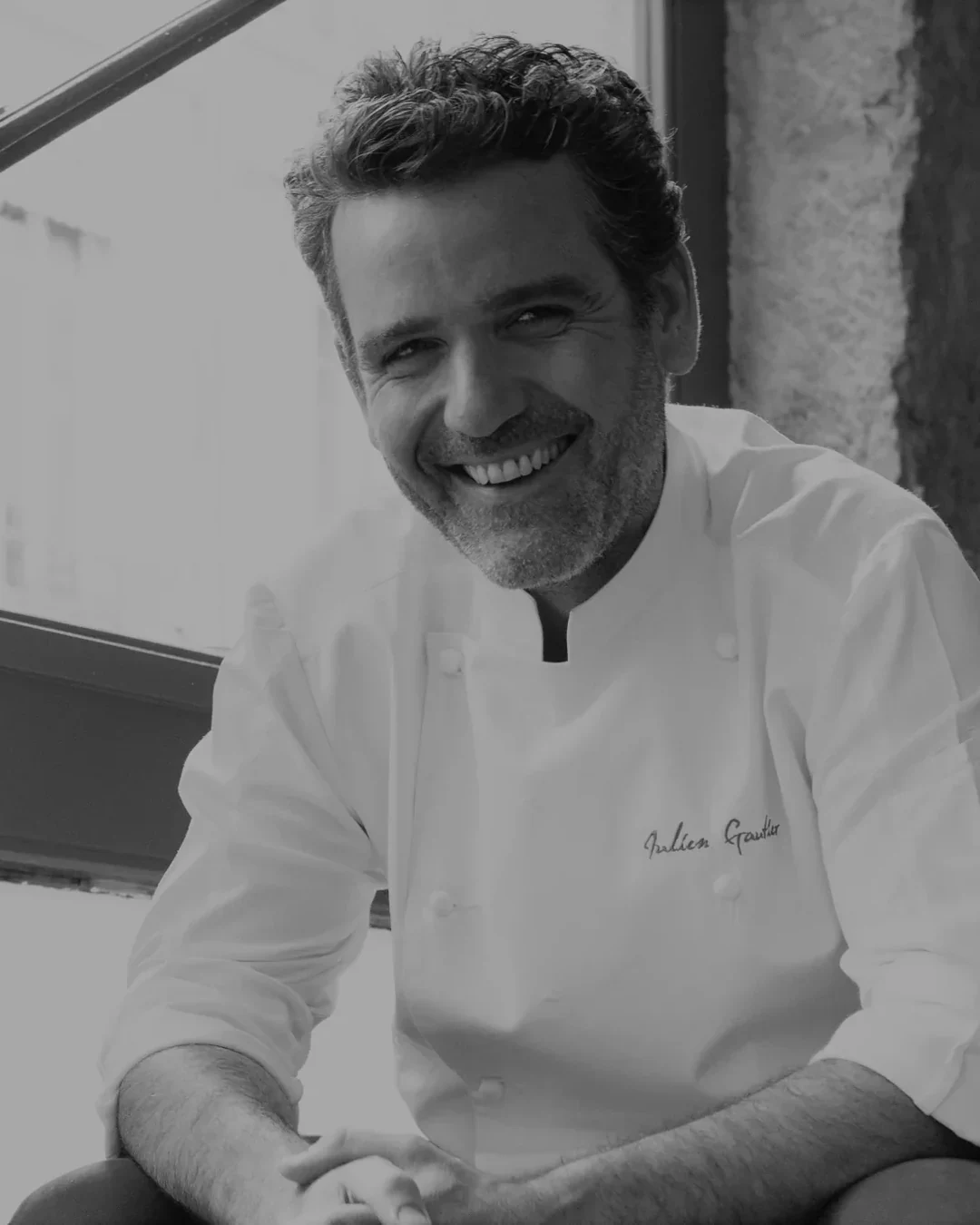
Made By profiles Julien Gautier (Chef) at Leon de Lyon.
How expensive is Leon de Lyon?
Leon de Lyon is listed at a price level of $$$$.
Where is Leon de Lyon and what does it serve?
Leon de Lyon is in Quartier Bas des Pentes Presqu'île, Lyon, serving Traditional Lyonnaise French.
The field
How it compares
| Place | Cuisine | Notes | Awards |
|---|---|---|---|
| Leon de Lyon | Traditional Lyonnaise French | Quartier Bas des Pentes Presqu'île, $$$$ | · |
| La Mere Brazier | Modern Lyonnaise Fine Dining | Lyon | Michelin 2 Stars |
| Le Neuvième Art | Modern French Gastronomique | Lyon | Michelin 2 Stars |
| Les Terrasses de Lyon | Modern French Fine Dining | Lyon | Michelin 1 Star |
| Ombellule | Modern French Fine Dining | Lyon | Michelin 1 Star |
| Rustique | Contemporary French Peasant Cuisine | Lyon | Michelin 1 Star |
| Takao Takano | Modern French-Japanese Fusion | Lyon | Michelin 2 Stars |
In residence
Similar places
Modern Lyonnaise Fine Dining
La Mere Brazier
Lyon, France
★★
Modern French Gastronomique
Le Neuvième Art
Lyon, France
★★
Modern French Fine Dining
Les Terrasses de Lyon
Lyon, France
★
Modern French Fine Dining
Ombellule
Lyon, France
★
Contemporary French Peasant Cuisine
Rustique
Lyon, France
★
Modern French-Japanese Fusion
Takao Takano
Lyon, France
★★