- Opinionated About Dining Casual in Europe Recommended · 2026
- Opinionated About Dining Casual in Europe Ranked #579 · 2025
- Opinionated About Dining Casual in Europe Ranked #504 · 2024
Saint-Germain's Long Game: How a Corner Café Becomes a Reference Point
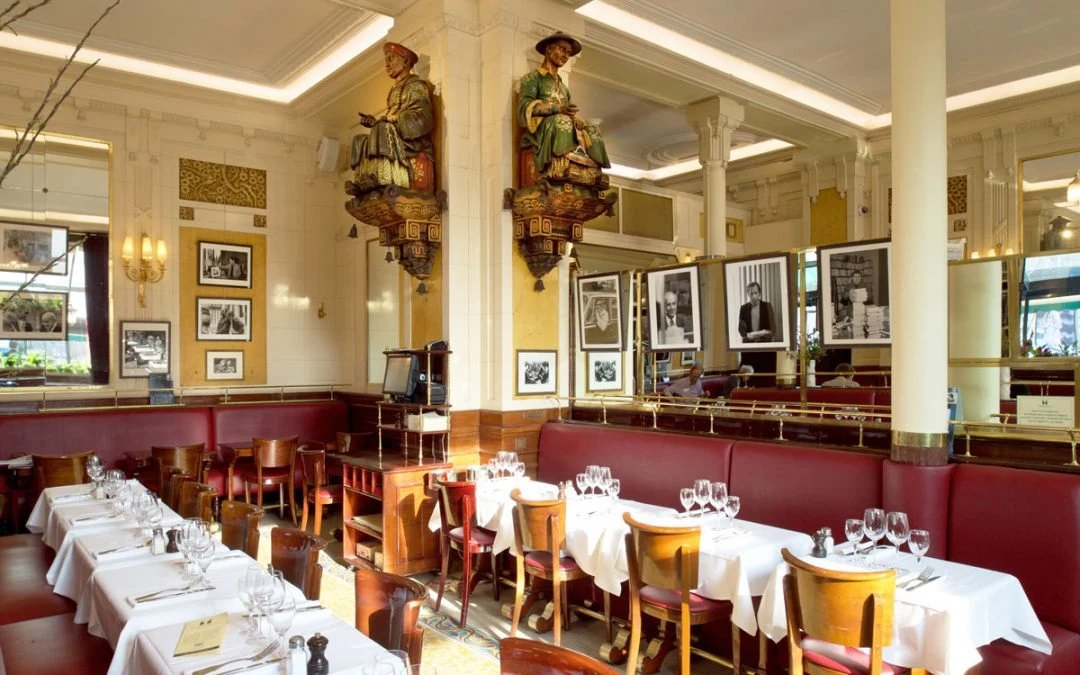
Les Deux Magots is a classic French bistro in Paris, with a price per person around $50 and a 4.2 Google rating. Sartre and de Beauvoir worked here. Hemingway passed through. By the mid-twentieth century, the address had acquired a density of cultural association that most restaurants spend generations failing to achieve. Les Deux Magots, named after the two Chinese figurines mounted above the interior, belongs to a small cohort of Paris cafés whose reputation has outlasted every trend around them.
The risk for any institution this established is that it becomes a monument rather than a functioning address: admired, photographed, and quietly avoided by the people most likely to appreciate it. Les Deux Magots has not entirely escaped that fate, the terrace fills heavily with tourists in summer, but its 2025 Opinionated About Dining Casual Europe ranking of #579 (up from #504 in 2024) signals that serious café observers are still tracking it as a live entry in the European casual dining conversation, not merely a heritage site.
The Café Tradition It Represents
Paris's grand café tradition operates on a logic that differs from the restaurant industry almost entirely. The measure is not a single meal but the cumulative experience of the space across hours and visits: the quality of the coffee in the morning, the reliability of the croque-monsieur at noon, the particular character of sitting at a pavement table on a cold October afternoon. This is the tradition that places like Annelies in Berlin and Apotek 57 in Copenhagen draw on in their own ways, but which Paris established as a cultural institution before either city had a comparable form.
It is about whether classical café execution holds at scale and under sustained tourist pressure. A 4.2 rating across 11,329 Google reviews is a meaningful data point here: it suggests the kitchen and floor team are delivering consistently enough to satisfy a volume of visitors that would expose any serious weakness in the operation.
Local Ingredients, Inherited Technique
The café genre in France has always operated at the intersection of simple, seasonal produce and the codified techniques of classical French preparation. This is not the territory of the three-Michelin-star houses, the Alléno Paris au Pavillon Ledoyen or Arpège registers, but it draws on the same underlying culinary logic: French technique applied to good French ingredients, with no particular ambition to import either global fusion or molecular elaboration. Addresses like Kei, which applies Japanese sensibility to French classical structures, represent a different strand of Paris's contemporary dining identity. The grand café model is more conservative, and deliberately so.
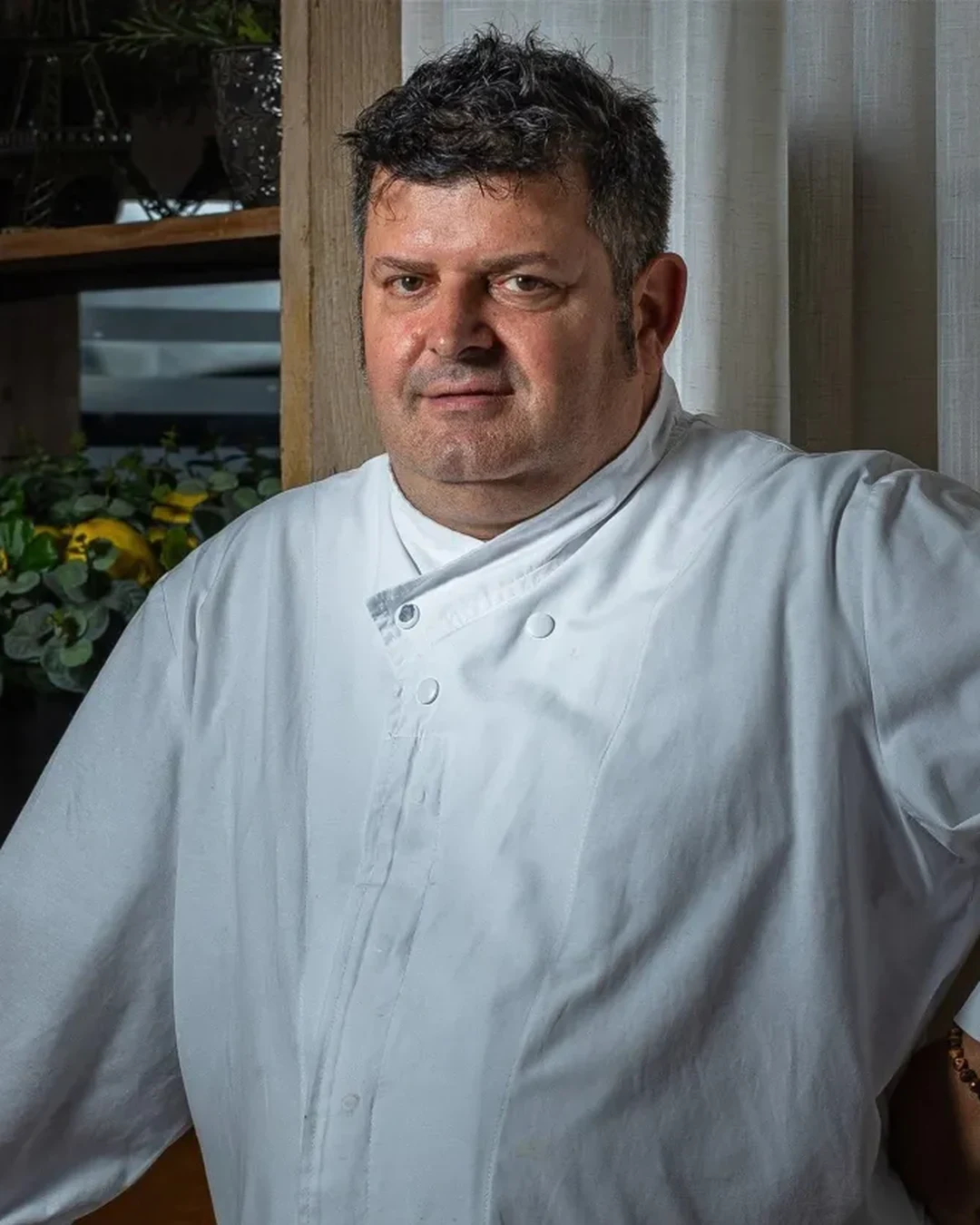
Under chef Pascal Valero, the kitchen at Les Deux Magots operates within this inherited framework. The menu covers the expected registers, pastry, egg dishes, tartines, composed plates, prepared according to the standards a French café of this standing is expected to maintain. The technique is not borrowed from elsewhere; it is the native language of the address.
This contrasts with the creative laboratories that have defined Paris's fine dining reputation in recent decades. Mirazur in Menton, Flocons de Sel in Megève, Troisgros in Ouches, and the generational institutions like Paul Bocuse, Bras in Laguiole, and Auberge de l'Ill in Illhaeusern all operate in a different register entirely. Les Deux Magots is not in dialogue with those addresses. It is in dialogue with Paris's own café heritage, and with the daily expectations of the neighbourhood it occupies.
Where It Sits in the Sixth
The sixth arrondissement contains several competing claims on the serious casual food-and-drink traveller's time. Frenchie to Go represents the counter-service, Anglo-inflected strand of modern Paris. Telescope anchors the city's serious coffee-bar tradition. Les Deux Magots occupies neither of those slots. Its competitive set is different: it is one of a small number of cafés on the Left Bank that functions simultaneously as a neighbourhood institution, a cultural reference point, and a tracked casual dining address. The Place Saint-Germain-des-Prés location means it sits at the geographic and symbolic centre of the arrondissement's identity, directly opposite the abbey church that gave the district its name.
Timing matters here more than at most addresses. The terrace at peak summer operates at a scale and pace that changes its character significantly. Morning visits, outside July and August, offer the closest approximation to what the café's long-term reputation is based on: a slower, quieter version of the same space, with regulars occupying interior tables and the pressure of the tourist circuit not yet fully applied. That temporal specificity is worth carrying into any planning decision.
Planning Your Visit
| Venue | Type | Location | Booking Required | Price Tier |
|---|---|---|---|---|
| Les Deux Magots | Grand Café | Place Saint-Germain-des-Prés, 6th | No (walk-in) | Café pricing |
| Frenchie to Go | Counter Service | Rue du Nil, 2nd | No | Café/casual |
| Telescope | Specialty Coffee Bar | Rue Villedo, 1st | No | Coffee bar |
| Alléno Paris au Pavillon Ledoyen | Creative Fine Dining | Avenue Dutuit, 8th | Yes, advance | €€€€ |
Reservations are recommended. The address at 6 Place Saint-Germain-des-Prés, 75006 Paris is walkable from the Saint-Germain-des-Prés metro station on Line 4.
Questions
Frequently asked
Who works at Les Deux Magots?
Made By profiles Pascal Valero (Chef) at Les Deux Magots.
How expensive is Les Deux Magots?
Les Deux Magots is listed at a price level of $$$.
Where is Les Deux Magots and what does it serve?
Les Deux Magots is in Saint-Germain-des-Prés, Paris, serving Classic French Bistro.
The field
How it compares
| Place | Cuisine | Notes | Awards |
|---|---|---|---|
| Les Deux Magots | Classic French Bistro | Saint-Germain-des-Prés, $$$ | · |
| Arpège | Vegetable-Focused French Fine Dining | Paris | Michelin 3 Stars, World's 50 Best |
| Epicure | Contemporary French Fine Dining | Paris | Michelin 3 Stars |
| Guy Savoy | Classic French Fine Dining | Paris | Michelin 2 Stars, World's 50 Best |
| Le Cinq | Modern French Fine Dining | Paris | Michelin 3 Stars, World's 50 Best |
| Le Taillevent | Classic and Modern French Fine Dining | Paris | Michelin 2 Stars, World's 50 Best |
| Pierre Gagnaire | Avant-Garde French Fine Dining | Paris | Michelin 3 Stars, World's 50 Best |
In residence
Similar places
Vegetable-Focused French Fine Dining
Arpège
Paris, France
★★★ · 50 Best
Contemporary French Fine Dining
Epicure
Paris, France
★★★
Classic French Fine Dining
Guy Savoy
Paris, France
★★ · 50 Best
Modern French Fine Dining
Le Cinq
Paris, France
★★★ · 50 Best
Classic and Modern French Fine Dining
Le Taillevent
Paris, France
★★ · 50 Best
Avant-Garde French Fine Dining
Pierre Gagnaire
Paris, France
★★★ · 50 Best