Les Plaisirs
- 01CuisineProvençal Regional Bistro
- 02CityPeillon, France
Market slate, house charcuterie
- Michelin Bib Gourmand · Michelin Guide
- Michelin Bib Gourmand · 2026
- Michelin Bib Gourmand · 2025
- Michelin Bib Gourmand · 2024
The bench in a perched village
With the daily slate changing with the market, Les Plaisirs in Peillon works that small margin between what arrived and what the room can carry. The restaurant sits in the perched village of Peillon, in a historic stone building where the kitchen keeps to Provençal regional cooking rather than spectacle. Romain Clavel-Millo owns the place and cooks it, descended from a long line of restaurant owners including his grandfather Bernard Clavel, and he serves and explains the dishes himself, which turns a chef into a storyteller between courses. At Les Plaisirs, the detail that matters is scale. The dining rooms hold about 20 seats, so the work stays close to the hands: bread, ravioli, charcuterie, slow-cooked meats, vegetables bought and judged for that day’s menu. The house is family-run, and the welcome is part of the rhythm rather than a separate performance. The plate arrives from a kitchen where Provençal recipes, market cueillette, and direct friendships with producers set the method.
A short slate built from the market
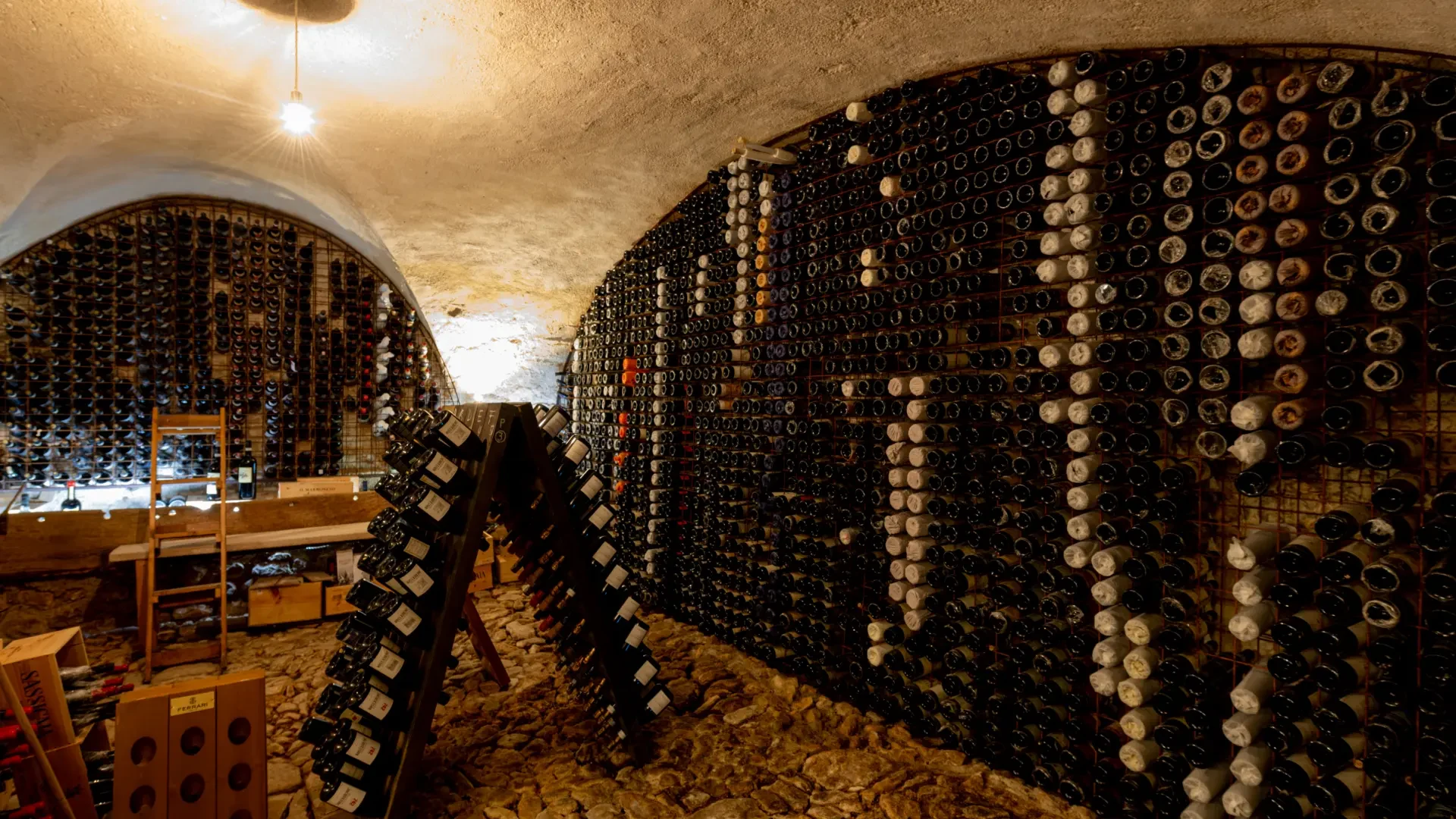
The menu at Les Plaisirs is not built as a long procession. It moves through a short à la carte slate, often with three choices per course, and the discipline is in editing. Pork comes from Breil-sur-Roya; whole animals become house charcuterie, including saucisson, jambon, and sausage. Bread is made in house. Ravioli carries a generational recipe, and the kitchen keeps the plating direct enough for the ingredients to remain legible. The house’s Provençal register shows in dishes such as pissaladière, rabbit terrine, guinea fowl with seasonal vegetables, pork chops with slow-roasted vegetables, and fruit tarts on shortbread crust. Lavender seeds may turn up with apricot, a small gesture rather than a signature flourish. The wine program follows the same scale, curated around local and house selections rather than a deep cellar. Recognition has come in the Michelin Guide, with Bib Gourmand status noted for the restaurant. The more telling craft remains daily repetition: what the market gives, what the bench can prepare, what the pass can send while the room is still listening.
Stone rooms, terrace light, a conversational pass
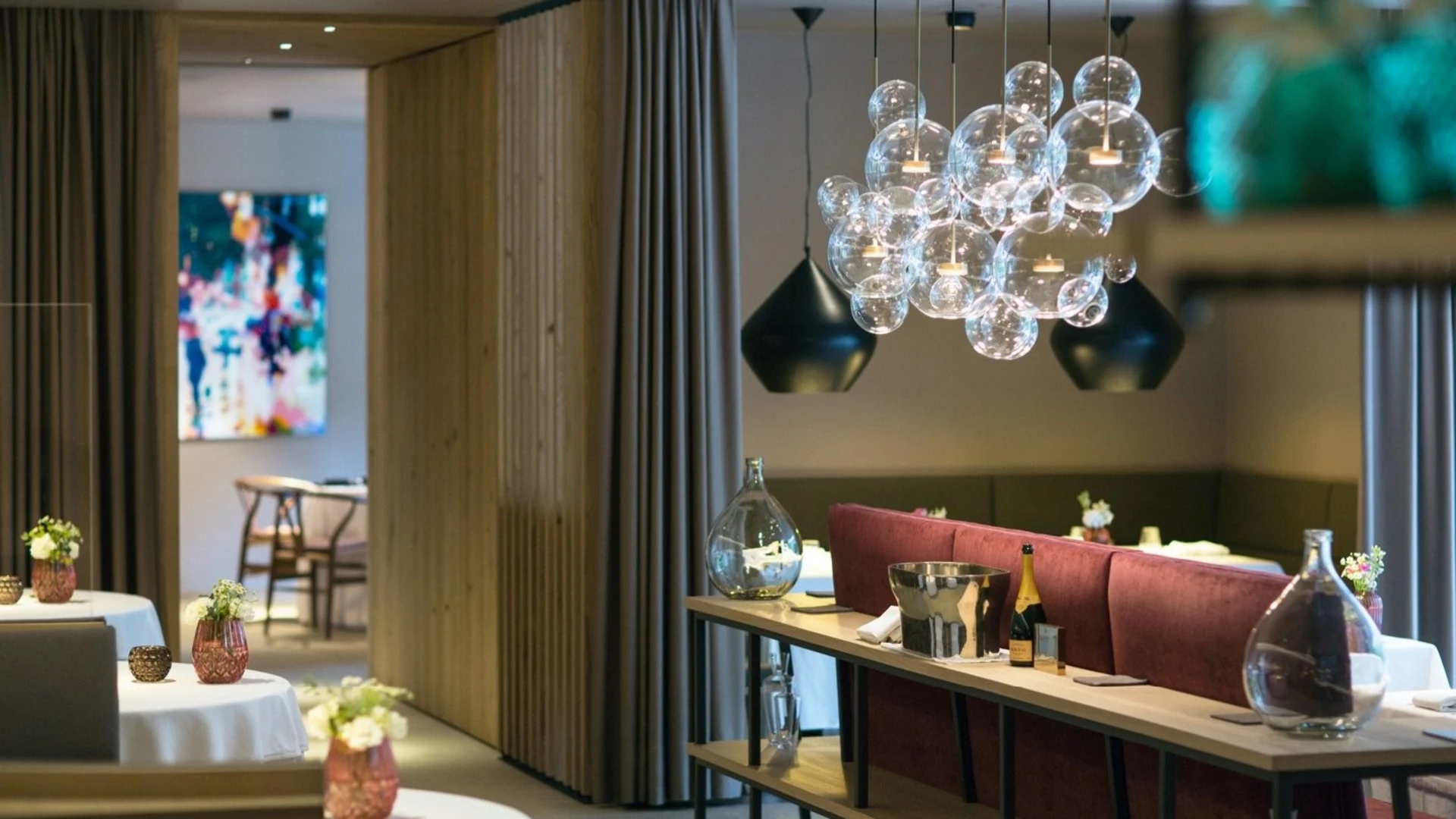
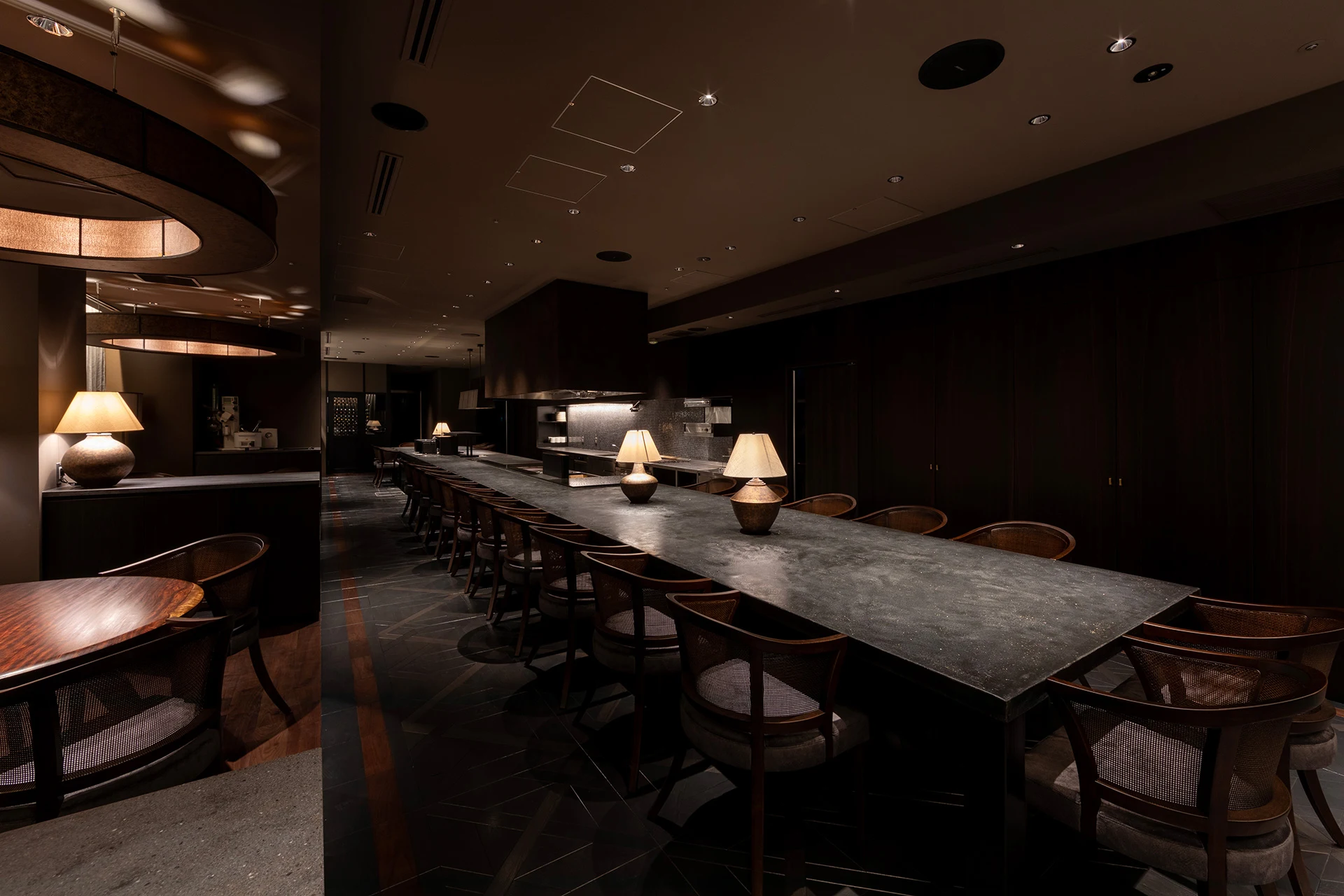
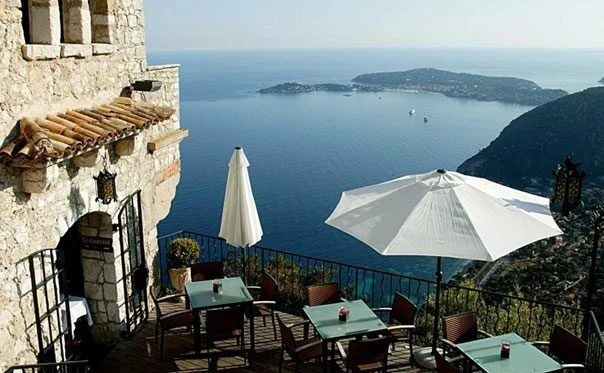
The room at Les Plaisirs has the proportions of a village address, not a grand dining room. Small interiors gather around stone, firelight, old walls, and the kind of table spacing that keeps service conversational. One room is known as La Scene, another as L’Ecritoire, an interior terrace with valley views and a family memory attached to it. The atmosphere is cozy without becoming decorative; the work is visible in the movement between kitchen, counter, and table. In a room of about 20 seats, a plate cannot hide behind choreography. The bread arrives as bread, the charcuterie as the result of a whole animal, the vegetables as the day’s selection. That intimacy suits the food. It also suits Peillon, where the climb into the village slows the meal before the first dish reaches the table.
What remains at the table
Les Plaisirs matters because it keeps a regional bistro language alive at a scale where the maker cannot disappear into a system. The house does not need a large brigade to make its point; it needs the right produce, a restrained slate, and a room small enough for the kitchen’s choices to land clearly. The plate holds it rather than the promise: pork from Breil-sur-Roya, house sourdough, and the interior terrace called L’Ecritoire.
Questions
Frequently asked
Who cooks at Les Plaisirs?
Romain Clavel-Millo owns Les Plaisirs and cooks there himself. He also serves and explains the dishes.
What kind of cooking does Les Plaisirs do?
Les Plaisirs works Provençal regional cooking from a short slate that changes daily with the market. The kitchen makes bread in house and uses produce, meats, and vegetables selected for that day’s menu.
What is the restaurant known for?
The restaurant is known for its small scale, with about 20 seats, and for house charcuterie made from whole animals, ravioli from a generational recipe, and a menu that stays close to Provençal produce. It also holds Michelin Bib Gourmand recognition.
What should visitors expect from the room and setting?
Les Plaisirs is set in a historic stone building in the perched village of Peillon. The dining rooms are small and include an interior terrace called L’Ecritoire, with valley views.
The field
How it compares
| Place | Cuisine | Notes | Awards |
|---|---|---|---|
| Les Plaisirs | Provençal Regional Bistro | Peillon, $$ | · |
| Aponiente | Avant-Garde Marine Seafood | El Puerto de Santa María | Michelin 3 Stars, World's 50 Best |
| Azurmendi | Modern Basque Fine Dining | Larrabetzu | Michelin 3 Stars, World's 50 Best |
| Coque | Modern Spanish Fine Dining | Madrid | Michelin 2 Stars |
| Döllerer | Modern Alpine Cuisine | Golling an der Salzach | Michelin 2 Stars |
| Florilège | Modern French-Japanese Plant-Based Fine Dining | Tokyo | Michelin 2 Stars, World's 50 Best |
| Reale | Modern Italian Fine Dining | Castel di Sangro | Michelin 3 Stars, World's 50 Best |
Similar places
Avant-Garde Marine Seafood
Aponiente
El Puerto de Santa María, Spain
★★★ · 50 Best
Modern Basque Fine Dining
Azurmendi
Larrabetzu, Spain
★★★ · 50 Best
Modern Spanish Fine Dining
Coque
Madrid, Spain
★★
Modern Alpine Cuisine
Döllerer
Golling an der Salzach, Austria
★★
Modern French-Japanese Plant-Based Fine Dining
Florilège
Tokyo, Japan
★★ · 50 Best
Modern Italian Fine Dining
Reale
Castel di Sangro, Italy
★★★ · 50 Best