Made ByWinery
Limoncello di Capri
- 01CityCapri, Italy
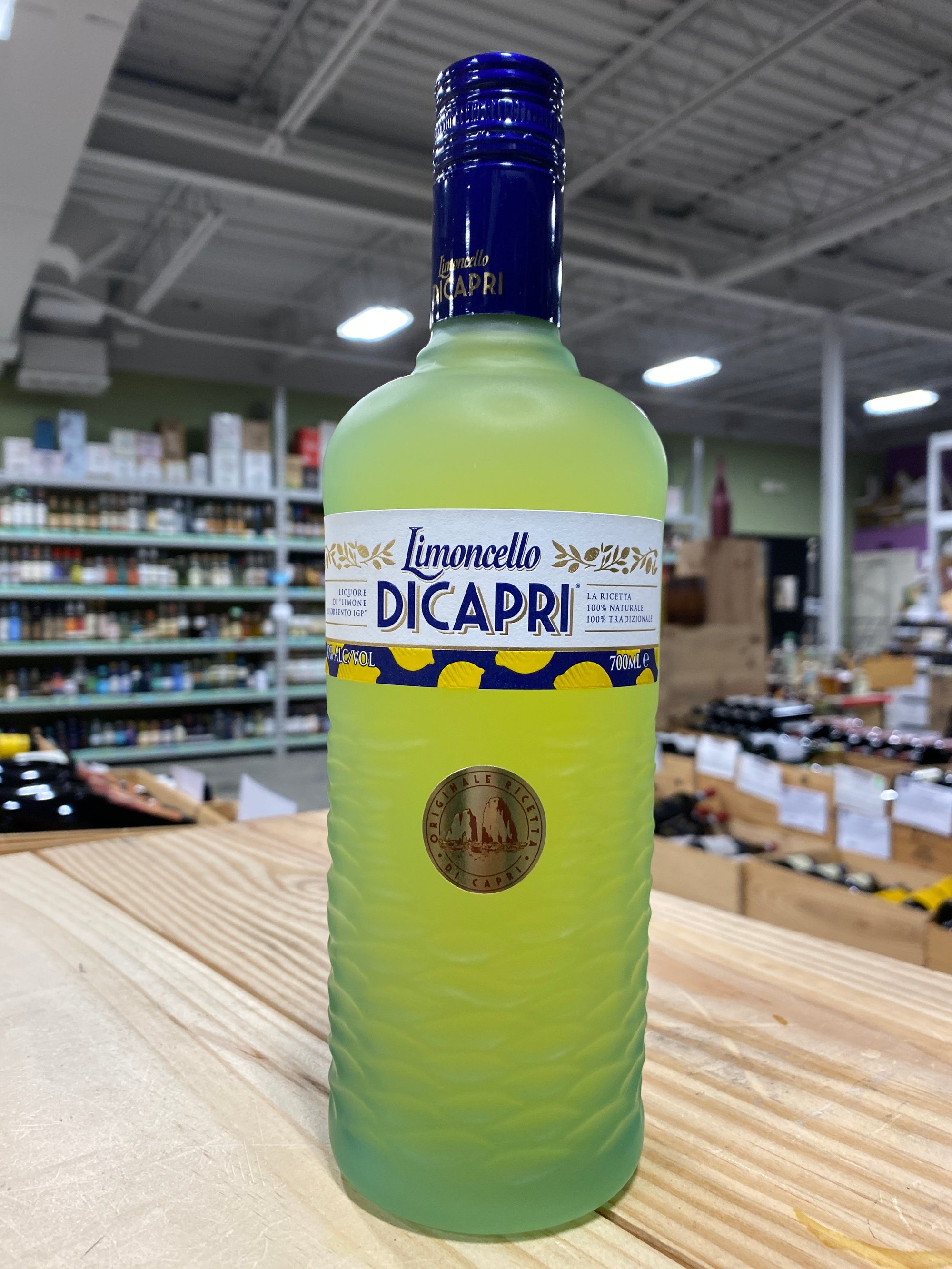
On Capri's Via Roma, Limoncello di Capri holds a Pearl 2 Star Prestige (2025) recognition that places it firmly in the island's upper tier. The address puts it at the centre of island life, where the produce of the Campanian coast and the volcanic terroir of the Bay of Naples converge on the table. For visitors working through our full Capri restaurants guide, it warrants close attention.
At a glance
- Price
- $$$
- Neighborhood
- Capri
Via Roma, Capri: Where the Island Comes Into Focus
Limoncello di Capri sits at Via Roma, 85, in Capri, with the island's limestone cliffs and terraced citrus slopes close at hand. Via Roma sits at the social spine of this compressed geography, a street where the island's commercial and culinary identities overlap. Limoncello di Capri occupies that address at number 85, and the positioning is not incidental. The Campanian coast has always produced in tight vertical strips, and what the land yields, the bottle reflects.
Terroir in a Bottle: The Campanian Argument
The limoncello tradition is, at its core, a terroir story. The sfusato amalfitano lemon, cultivated on the coastal slopes between Sorrento and Amalfi, is shaped by volcanic basalt soils, high diurnal temperature swings, and salt spray from the Tyrrhenian Sea. The result is a fruit with a thick, oil-rich zest and an aromatic profile that lowland citrus cannot replicate. The leading Capri productions preserve that specificity rather than flattening it: the difference between a limoncello that tastes of place and one that could have been bottled anywhere is precisely this question of origin.
This same dynamic plays out across southern Italian spirits and wines. At Planeta in Menfi, the volcanic soils of Sicily express themselves through varieties like Nero d'Avola and Grillo in ways that continental producers cannot approximate. The logic is consistent: geography is not backdrop, it is ingredient. Limoncello di Capri's 2025 Pearl 2 Star Prestige recognition positions it within a tier of producers where that argument is taken seriously.
Pearl 2 Star Prestige: What the 2025 Award Signals
In the framework of prestige recognition, a Pearl 2 Star Prestige award in 2025 places Limoncello di Capri in the upper band of producers assessed for quality, consistency, and provenance. This tier requires more than popularity; it reflects a production standard that holds up against systematic evaluation. On an island where tourist throughput is enormous and the temptation to produce at volume is constant, maintaining that standard is a specific kind of discipline.
Italy's recognised spirits producers occupy a wide range of scales and philosophies. Nonino Distillery in Pavia di Udine built its grappa reputation on varietal precision and controlled distillation; Distilleria Marzadro in Nogaredo operates with a similar commitment to regional specificity. Distilleria Romano Levi in Neive earned its standing through decades of artisanal consistency. Limoncello di Capri's award places it in a conversation with producers of that order, where what is in the bottle matters more than the volume produced.
The Campanian Context: How This Island Fits the Wider Italian Scene
Campania's vinous and spirits identity has strengthened considerably over the past two decades. Wines from Taurasi, Greco di Tufo, and Fiano di Avellino have moved from regional curiosity to serious international attention. The same coastal terroir that produces those wines also conditions the citrus belt. Understanding limoncello as a terroir-driven product, rather than simply a sweet digestivo, is a relatively recent editorial development, but it aligns with how Italy's broader premium production story has been re-read.
Producers elsewhere in Italy have made similar argumentative moves. Lungarotti in Torgiano anchored Umbria's wine identity around a single estate's capacity to express its specific clay-limestone soils. Castello di Volpaia in Radda in Chianti made altitude and galestro soils central to its Chianti Classico argument. Ca' del Bosco in Erbusco redefined Franciacorta's premium tier through production discipline rather than scale. In each case, the producer's claim rests on the specificity of place. That is the category Limoncello di Capri's award positions it within.
Reading the Address: What Via Roma Tells You
Via Roma in Capri is not a side-street address. It is the island's primary commercial artery, the corridor that connects the funicular arrival point to the Piazzetta and the maze of lanes beyond. An address here carries foot traffic implications, but also editorial ones: this is where Capri's identity is most concentrated and most legible to visitors. For a limoncello producer, positioning on Via Roma is a statement about audience and intent. The product is not hidden from the mainstream; it meets it at full volume and makes an argument for quality within that context.
That argument is harder to make on a high-traffic street than in an artisan workshop removed from tourism. The award recognition suggests it is being made successfully.
Italian Spirits in Comparative Perspective
The Italian spirits category spans enormous diversity. Campari in Milan represents the industrialised, globally distributed end of the spectrum. Poli Distillerie in Schiavon occupies the artisanal grappa tier with a specific Veneto identity. Limoncello as a category sits between liqueur and digestivo traditions, but the premium end of the category, where Capri's production concentrates, asks to be evaluated by the same provenance-first criteria applied to wine and grappa. The sfusato lemon's protected designation of origin status formalises what producers have always known: the geography is non-replicable.
For reference across the wider Italian wine landscape that contextualises this coastal production, Aldo Conterno in Monforte d'Alba offers a Piedmontese counterpoint, and L'Enoteca Banfi in Montalcino represents the Brunello tradition's scale and ambition. Poggio Antico in Monte San Vito shows how smaller Tuscan estates position against the appellation's larger names. Each of these producers demonstrates, in their own region, the same principle that Limoncello di Capri embodies on its coastal slope: place as the primary argument for quality.
For those assembling a broader view of Italy's distilling traditions, the single-estate grappa producers offer instructive parallels. Aberlour in Aberlour and Accendo Cellars in St. Helena represent how single-site identity functions in Scotch whisky and Napa Cabernet respectively, and the structural logic translates: origin specificity is the premium producer's primary differentiator across categories.
Planning a Visit
Capri operates on a compressed seasonal rhythm. The island reaches peak capacity from late June through August, when the Piazzetta and Via Roma see their heaviest foot traffic. Visiting Limoncello di Capri at Via Roma 85 in shoulder season, particularly May or September, allows for a more considered experience of what the island's central shopping and tasting corridor looks like at human scale. The physical address is direct to reach from the Capri funicular station, which deposits visitors directly into the Via Roma zone. No phone or website details are currently confirmed in our records, so direct walk-in or inquiry on arrival is the recommended approach. Given the 2025 Pearl 2 Star Prestige recognition, this is a producer worth building time around rather than treating as an incidental stop. Reservations are recommended, and the smart casual dress code suits the setting.
Know before you go
- Dress code
- smart_casual
- Reservations
- recommended
Frequently asked
What's the general vibe of Limoncello di Capri?
The Via Roma 85 address puts this producer at the centre of Capri's main commercial artery, the corridor connecting the funicular to the Piazzetta. The atmosphere is active and island-facing: this is where Capri's daily foot traffic converges, not a tucked-away workshop. The Pearl 2 Star Prestige recognition (2025) signals a production operation taken seriously beyond the tourist context of its surroundings.
Is Limoncello di Capri recognized by any major rating lists?
Limoncello di Capri has received recognition including: Pearl 2 Star Prestige (2025).
What's the must-try wine at Limoncello di Capri?
Limoncello di Capri is a spirits producer, not a wine venue, so wine is not the relevant category here. The focus is limoncello made from sfusato amalfitano lemons, the thick-zested citrus cultivated on the Sorrento and Amalfi coastal slopes that defines the terroir of Campanian production. The Pearl 2 Star Prestige award (2025) reflects assessed quality in that spirits category specifically.
What part of town is Limoncello di Capri in?
Limoncello di Capri is located at Via Roma, 85, 80073 Capri NA, Capri.
What's the main draw of Limoncello di Capri?
The editorial case rests on two factors: a Via Roma address that places the producer where Capri's tourism is most concentrated, and a Pearl 2 Star Prestige (2025) that positions its limoncello in the upper assessed tier of Italian spirits production. For a category where most visitors default to undifferentiated tourist-facing bottles, that award distinction is a credible navigation point.
What's the best way to book Limoncello di Capri?
No confirmed website or phone contact is currently in our records for Limoncello di Capri. The address at Via Roma 85, Capri, is directly accessible on foot from the funicular arrival point. Visiting in person during the shoulder season, April to early June or September, avoids the peak-summer compression that makes Via Roma difficult to move through at pace.
How does the Pearl 2 Star Prestige award distinguish Limoncello di Capri from other Campanian limoncello producers?
The Pearl 2 Star Prestige (2025) is an assessed recognition requiring demonstrable production consistency and quality depth, placing Limoncello di Capri in the upper band of evaluated producers rather than the broad category of Campanian limoncello makers. In a region where sfusato amalfitano production ranges from artisan-scale operations to mass-market bottling, that credentialed distinction carries editorial weight. It makes this Capri address a reference point for the premium end of the category.
Address
Via Roma, 85, 80073 Capri NA
Capri
How it compares
Limoncello di Capri
- Cuisine
- Sorrento IGP
- Price
- $$$
- Awards
- 1 recognition
- Notes
- Capri
Cantina Produttori Nebbiolo di Carema
- Cuisine
- Nebbiolo
- Price
- $$
- Awards
- —
- Notes
- Carema
Molinari
- Cuisine
- Winery
- Price
- —
- Awards
- 1 recognition
- Notes
- Rome
L'Enoteca Banfi
- Cuisine
- Sangiovese, Sangiovese Grosso
- Price
- $$$
- Awards
- 1 recognition
- Notes
- Montalcino
Amarischia
- Cuisine
- Winery
- Price
- —
- Awards
- 1 recognition
- Notes
- Caivano
Distilleria Giovi
- Cuisine
- Nerello Mascalese, Carricante
- Price
- —
- Awards
- 1 recognition
- Notes
- Valdina