- Guía Repsol 1 Sol · 2026
- Michelin Plate · 2026
- Michelin Bib Gourmand · 2025
- Michelin Bib Gourmand · 2024
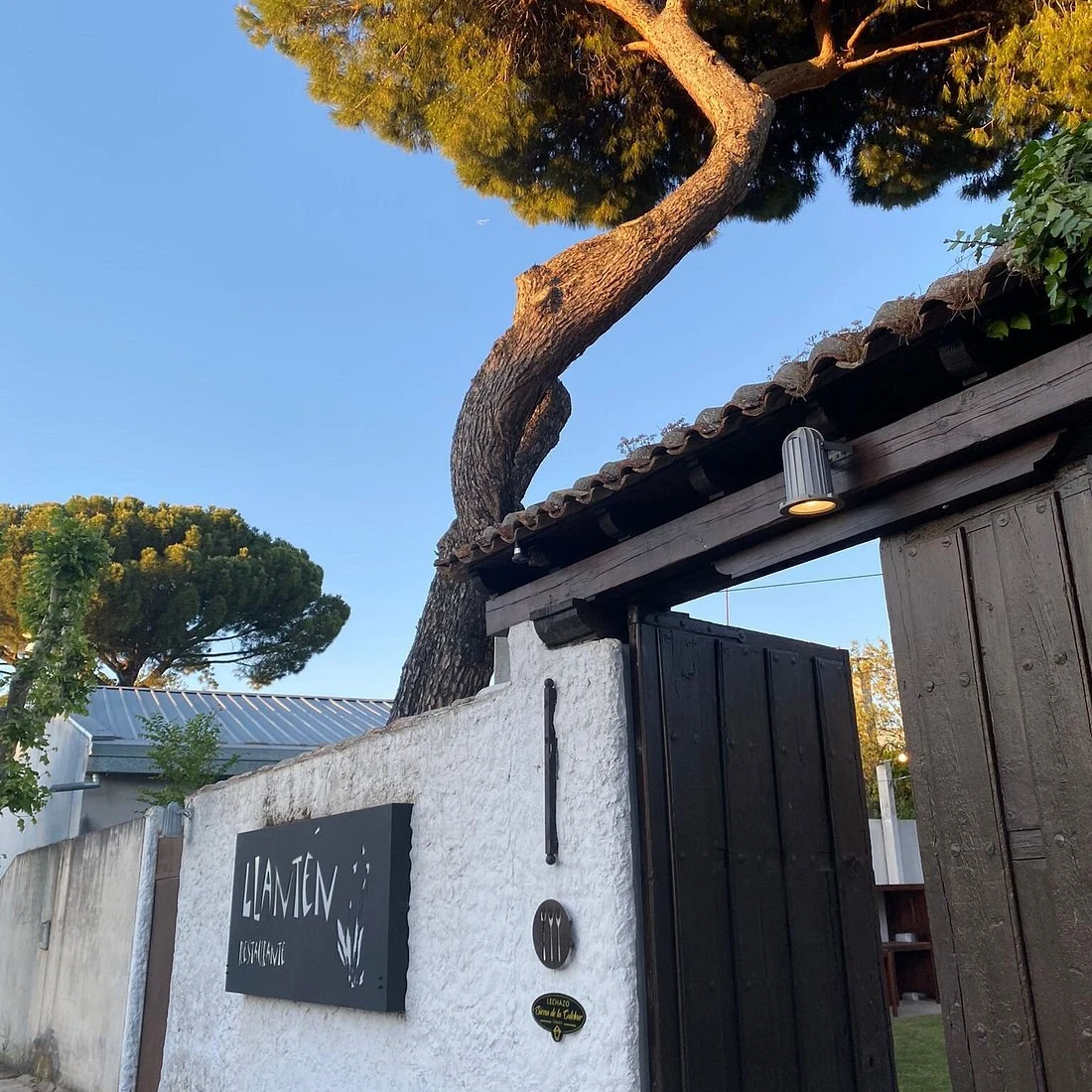
Approaching Llantén, the cue is not a grand dining district or a showpiece façade, but Valladolid at a smaller scale: residential edges, slower traffic, and the sense that the meal is being framed outside the usual city-centre circuit. That matters in a province where eating well often depends less on theatrical technique than on what reaches the kitchen from nearby fields, farms, rivers, and curing rooms. The room belongs to a Castilian conversation that prizes product first, then asks how much intervention the plate can bear.
Valladolid’s restaurant culture sits between two strong pulls. One is the old tavern grammar of lechazo, cured meats, pulses, river fish, and Ribera del Duero drinking. The other is a newer generation of kitchens treating the province as raw material rather than nostalgia. Llantén is useful because it falls into the second camp without rejecting the first. Its 2026 Guía Repsol 1 Sol places it in a Spanish recognition system that tends to reward regional intelligence as much as luxury coding, and that is the right lens here.
Castilian sourcing without the museum treatment
Ingredient-led cooking in Castilla y León can easily become heritage display: lamb as emblem, bread as symbol, wine as shorthand. The more interesting rooms use those references as working tools. Llantén reads inside that shift, where the value is not only in local produce but in how a kitchen edits it for contemporary dining. For travellers, the distinction is practical. A traditional address such as La Cocina de Manuel signals a more familiar regional register; a produce-forward table like 5 Gustos (Farm to table) or Dámaso (Farm to table) points toward the supply chain itself. Llantén sits closer to that latter conversation.
The province gives kitchens plenty to work with before technique enters the argument. Valladolid is surrounded by cereal country, vegetable plots, dairy production, game traditions, and serious wine territory. That geography shapes expectations at the table. Diners are not coming for imported luxury signifiers; they are coming for an interpretation of place that feels current without losing the region’s appetite for substance. The 1 Sol recognition helps clarify the level: this is not merely a convenient local meal, but a restaurant being judged within Spain’s wider network of regionally expressive cooking.
That context also explains why the restaurant’s location works editorially. Being outside the densest tourist flow can sharpen the focus on destination dining rather than casual footfall. Valladolid has enough central addresses for an easy night out, including El Bar Valladolid, but a meal here asks for a more deliberate plan. That is often where provincial Spanish dining becomes rewarding: not in the famous square, but in the room that treats local ingredients as a serious discipline.
Where Llantén fits in Valladolid's newer dining tier
The comparison set in Valladolid is not uniform. Alquimia - Laboratorio (Creative) signals a more experimental lane by name and format; El Atrio del Mayab points to a different culinary reference point altogether. Llantén’s value is more restrained: it gives the province-led meal a contemporary frame without making concept the headline. That makes it a sensible choice for travellers who want Valladolid to taste like itself, but not as a fixed postcard.
Spain’s regional restaurant awards have become increasingly useful for reading cities outside Madrid, Barcelona, and San Sebastián. A Guía Repsol Sol can mean many things, but in a provincial context it usually marks a kitchen that has moved beyond competent local status into a more selective national conversation. The signal is especially relevant in Valladolid, where the dining scene can look conservative from the outside because its strongest references are so deeply rooted: lamb roasts, tapas bars, Castilian stews, and serious red wine. Recognition here suggests a table capable of translating that inheritance into a more precise format.
Readers building a wider Spain itinerary should read Llantén differently from the country’s high-gloss destination restaurants. It is not competing with the dining theatre associated with addresses such as 1742 in Ibiza or the urban polish of 1881 per Sagardi in Barcelona. Nor is it the same proposition as "B de J" in Madrid, 12 Tapas in Castilleja de la Cuesta, 144. in Vitoria-Gasteiz, or 1860 Tradición in Elciego. The point is provincial specificity: a Valladolid meal that uses its surroundings as the argument.
How to place it in a Valladolid trip
Llantén makes the most sense for travellers treating Valladolid as a food stop rather than a transit point between wine country and larger cities. The city rewards that approach. Its scale allows a day to move from market logic to tavern culture to a more composed dinner without turning the itinerary into logistics. For a broader read on the local scene, Our full Valladolid restaurants guide is the right companion; travellers pairing the meal with a stay, drinks, cellar visits, or cultural programming can cross-reference Our full Valladolid hotels guide, Our full Valladolid bars guide, Our full Valladolid wineries guide, and Our full Valladolid experiences guide.
The strongest reason to come is the ingredient question: how a contemporary Valladolid kitchen handles the region’s raw materials without flattening them into tourist shorthand. That gives Llantén a clearer identity than a generic smart dinner, especially for readers who have already eaten through Spain’s bigger restaurant cities. International detours such as Jōdo Saké Bar in Los Angeles or Onigiri Time in Pasadena belong to entirely different dining logics; the useful comparison is not style, but clarity of format. Here, the format is Valladolid through product, restraint, and regional confidence.
Questions
Frequently asked
Who works at Llantén?
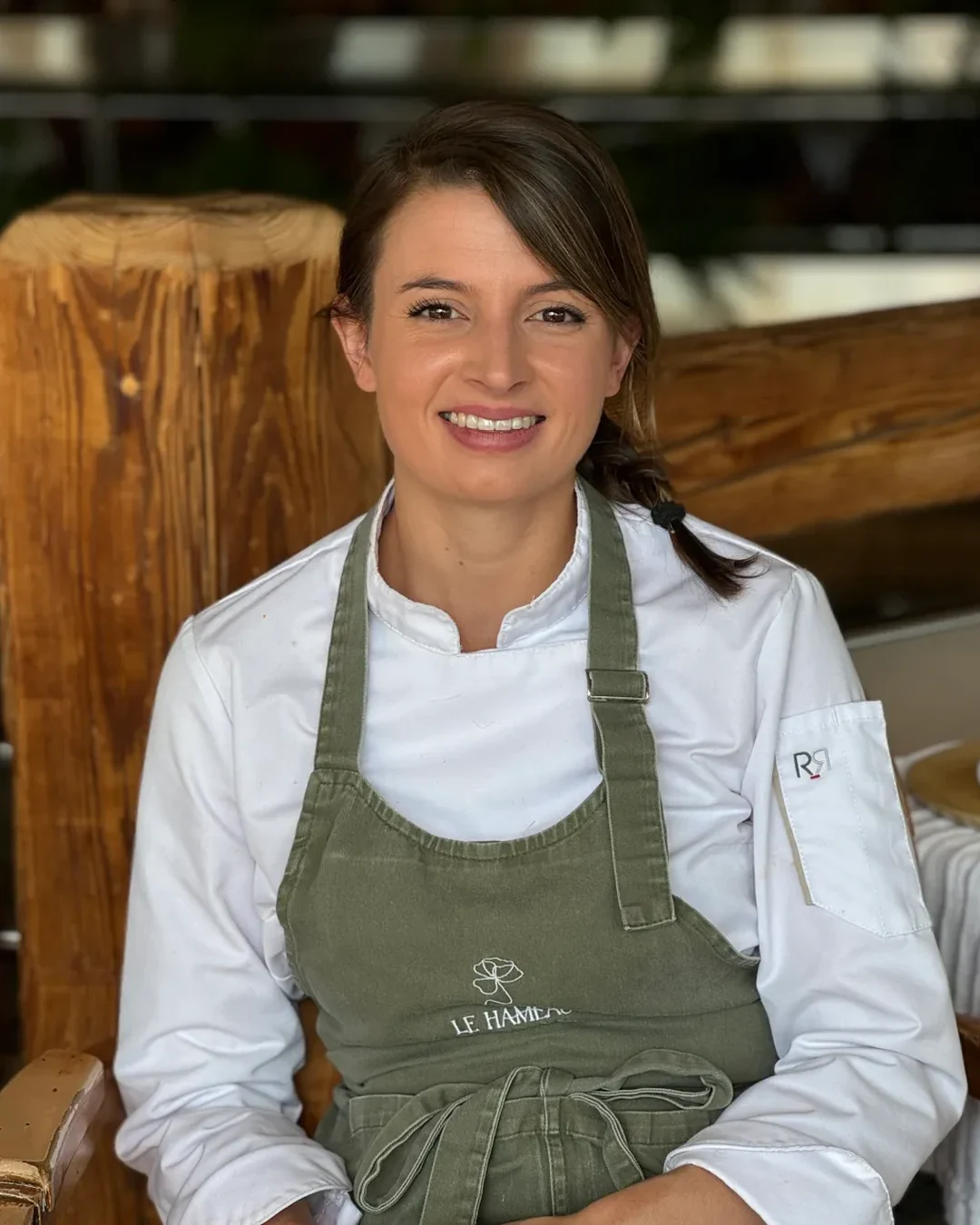
Made By profiles Elise Veyrat (Chef) at Llantén.
How expensive is Llantén?
Llantén is listed at a price level of $$.
Where is Llantén and what does it serve?
Llantén is in Pinar de Antequera, Valladolid, serving Modern Traditional Castilian.
The field
How it compares
| Place | Cuisine | Notes | Awards |
|---|---|---|---|
| Llantén | Modern Traditional Castilian | Pinar de Antequera, $$ | · |
| Atrio | Modern Spanish Fine Dining with Iberian Pork Focus | Cáceres | Michelin 3 Stars |
| ESqUISSE | Modern French with Japanese Influences | Tokyo | Michelin 2 Stars, World's 50 Best |
| Forest Side | Modern British Fine Dining | Grasmere | Michelin 1 Star |
| MAZ | Innovative Peruvian-Japanese Fusion | Tokyo | Michelin 2 Stars, World's 50 Best |
| Mingles | Modern Korean Fine Dining | Seoul | Michelin 3 Stars, World's 50 Best |
| Odette | Modern French Fine Dining | Singapore | Michelin 3 Stars, World's 50 Best |
In residence
Similar places
Modern Spanish Fine Dining with Iberian Pork Focus
Atrio
Cáceres, Spain
★★★
Modern French with Japanese Influences
ESqUISSE
Tokyo, Japan
★★ · 50 Best
Modern British Fine Dining
Forest Side
Grasmere, United Kingdom
★
Innovative Peruvian-Japanese Fusion
MAZ
Tokyo, Japan
★★ · 50 Best
Modern Korean Fine Dining
Mingles
Seoul, South Korea
★★★ · 50 Best
Modern French Fine Dining
Odette
Singapore, Singapore
★★★ · 50 Best