Lunadoro
- 01CityMontepulciano, Italy

- Falstaff Winery - Listed · 2026
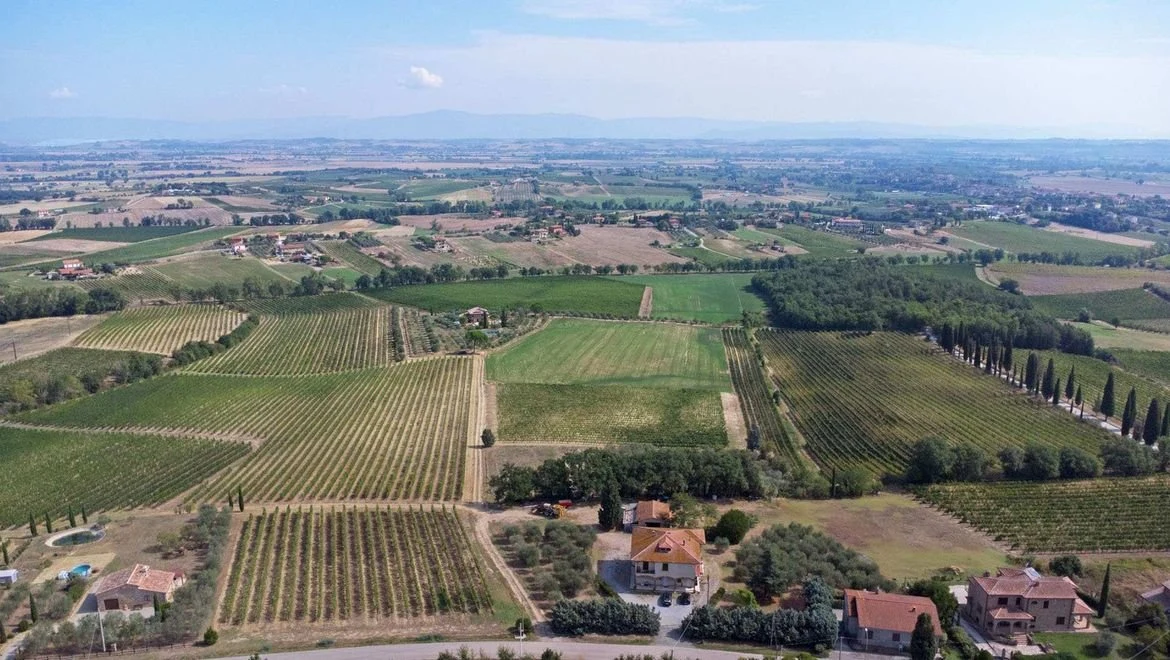
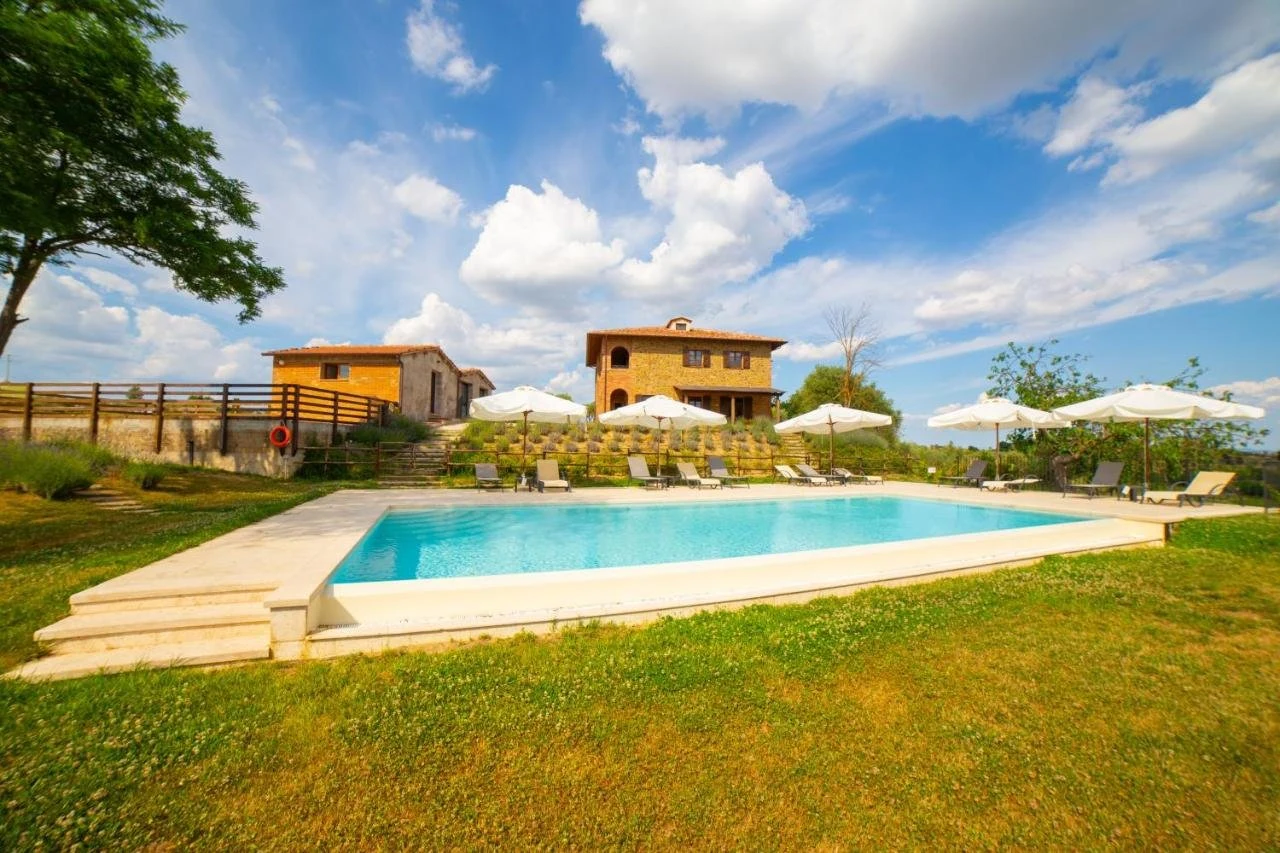
Lunadoro in Montepulciano is best understood as a scenic Tuscan wine estate, rather than as a town-centre venue or a purely urban tasting stop. Set among rolling hills and vineyards, it presents a modern yet rural side of the area, where the landscape, cellar work and vineyard setting are central to the experience. The appeal begins with that sense of place: the estate is framed by the countryside around Montepulciano, so the visit is naturally tied to views, vines and the slower rhythm of agricultural land.
The picture is focused and simple: Lunadoro combines state-of-the-art cellar facilities with traditional oak aging and manual vineyard work. That combination gives the estate a clear identity without needing to overstate it. The modern cellar side suggests a polished, quality-minded approach, while the oak aging and hands-on vineyard work keep the profile connected to classic wine-estate practice. Together, those elements make Lunadoro feel quality-focused and rooted in its agricultural surroundings, with the scenery supporting the wine-country atmosphere rather than acting as mere background.
Montepulciano landscape, vineyard work and a cellar-led estate
The strongest confirmed details are about setting and approach. Lunadoro is in Montepulciano, surrounded by hills and vineyards. The estate’s character is modern but rural, so it suits travelers looking for a Tuscan wine stop that still feels connected to vineyard work. It is not best framed as a place defined by urban convenience; its confirmed strengths are tied to the countryside, the vineyard landscape and the sense of being on an estate where wine production is part of the immediate environment.
That rural setting matters because it shapes the way the venue should be understood. The rolling hills and vineyard surroundings are not separate from the experience; they are part of the reason to consider Lunadoro in the first place. For visitors building a Montepulciano itinerary, the estate offers the kind of context that can make a wine stop feel anchored in its landscape, with the visible agricultural setting reinforcing the connection between place and production.
Manual vineyard work is part of the estate’s identity, and the cellar side is described as state-of-the-art. Traditional oak aging also remains part of the picture, giving Lunadoro a balance of contemporary facilities and classic wine-estate practice. This is the main contrast to hold onto: modern cellar infrastructure on one side, hands-on vineyard work and traditional aging on the other. The result is an estate profile that feels neither purely rustic nor purely technical, but positioned between rural craft and contemporary winemaking support.
The safest way to frame Lunadoro is as a quality-focused Montepulciano wine estate with a scenic rural setting and a cellar-and-vineyard experience at its core. That framing keeps the emphasis where the confirmed information is strongest: the hills, the vineyards, the modern cellar facilities, the traditional oak aging and the manual work in the vines. It also avoids turning the estate into something more specific than the available information supports.
What is confirmed about the estate experience
What can be said is that Lunadoro’s appeal comes from its estate setting: vineyards, rolling countryside, modern cellar facilities and the traditional use of oak aging. Those details point to a visit shaped by environment and production context. The surrounding countryside gives the estate its visual and atmospheric pull, while the cellar and aging details provide the wine-focused substance behind that setting.
That makes it a better fit for travelers who value atmosphere and context around wine rather than those looking only for a quick urban stop. The experience should be approached as a rural Montepulciano wine-estate visit, with the practical details checked directly before planning around it. In other words, Lunadoro is strongest when treated as part of a countryside itinerary, where the journey, the vineyard views and the estate character are all part of the reason for going.
It is also worth keeping the expectations measured. The available information supports a clear estate profile, but not a heavily detailed list of visitor features. For that reason, the most reliable description stays close to the essentials: a scenic setting in Montepulciano, vineyard surroundings, manual vineyard work, modern cellar facilities and traditional oak aging. Those are enough to give the venue a defined personality without relying on unsupported extras.
No confirmed awards or rankings are available in the data. Lunadoro should therefore be presented on the strength of its setting and estate profile, not on accolades. That does not weaken the case for including it; it simply changes the emphasis. The estate is better described through what is known about its place, production approach and rural atmosphere, rather than through claims of external recognition.
How to place it within a Montepulciano itinerary
Lunadoro works naturally within a Montepulciano-focused day for travelers interested in the countryside around the town. Its strengths are the scenic setting, the vineyard surroundings, modern cellar facilities, traditional oak aging and manual vineyard work. Those details make it most relevant for an itinerary that gives time to the wine landscape itself, not just the historic centre or a single quick stop.
As part of a broader day, Lunadoro can be thought of as a countryside counterpoint to more town-based plans. The estate’s confirmed character is rural and cellar-led, so it fits best when the aim is to understand Montepulciano through its surrounding hills and vineyards. The modern facilities and traditional practices provide useful context for visitors who want a wine-country experience with both a contemporary and classic side.
For wider planning, compare Lunadoro with other Montepulciano dining and wine-country options generically, and confirm current visit details directly before arranging a stop. The most accurate planning approach is to treat the estate as a scenic, quality-focused wine setting and then verify the practicalities before building a schedule around it. That keeps the itinerary grounded in what is confirmed while allowing Lunadoro’s main strengths, the landscape, vineyard work and cellar profile, to remain the focus.
Questions
Frequently asked
How expensive is Lunadoro?
Lunadoro is listed at a price level of $$.
The field
How it compares
| Place | Notes |
|---|---|
| Lunadoro | Valiano, $$ |
| Azienda Casale Daviddi | Montepulciano |
| La Combarbia | Montepulciano |
| Nottola | Montepulciano |
| Salcheto | Montepulciano |
| Santavenere - Triacca | Montepulciano |
| Terra Antica | Montepulciano |