To-Kalon Cabernet, worked by hand
- Pearl 4 Star Prestige · 2025
Seventy-year-old Cabernet at the bench
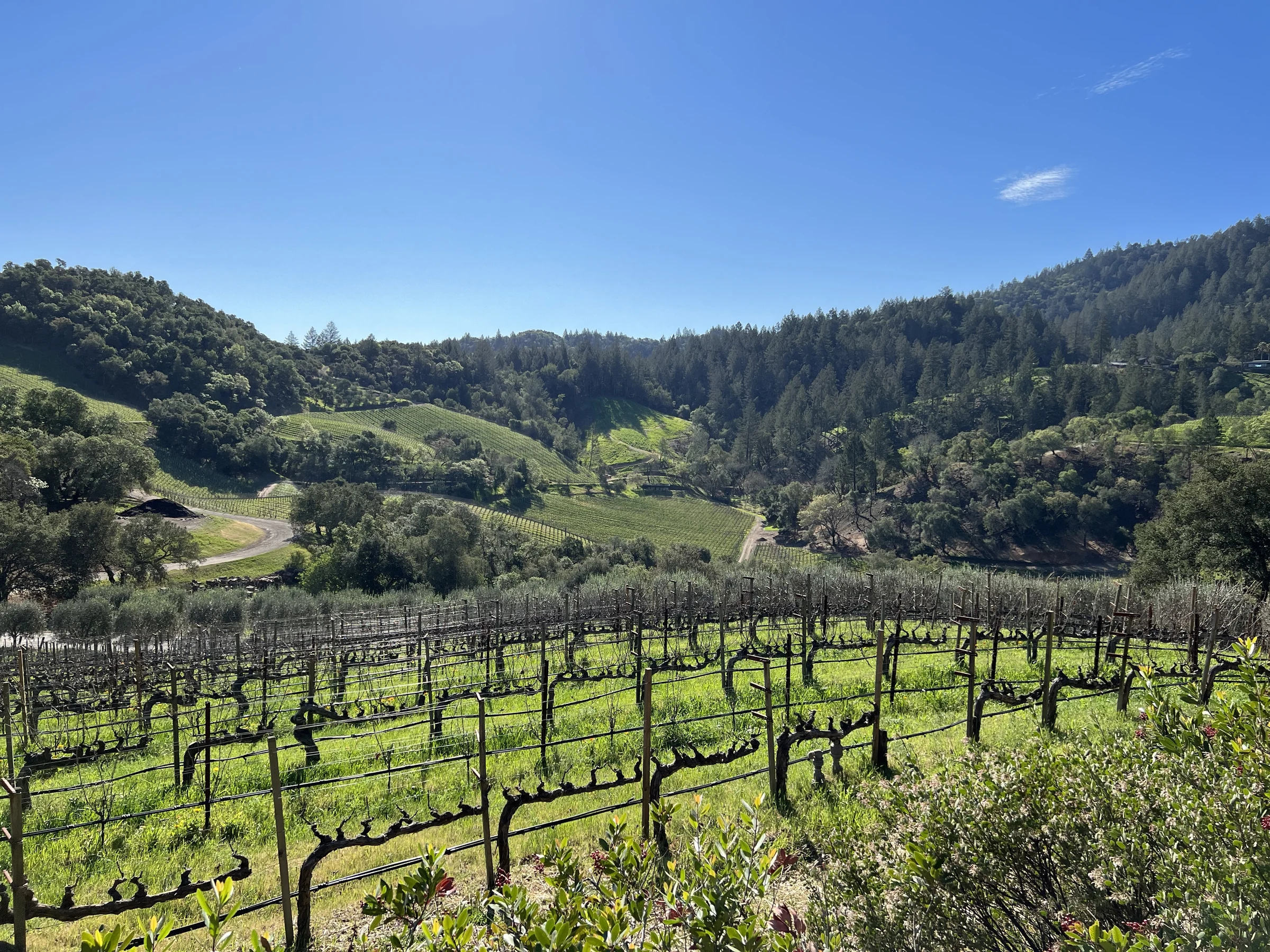
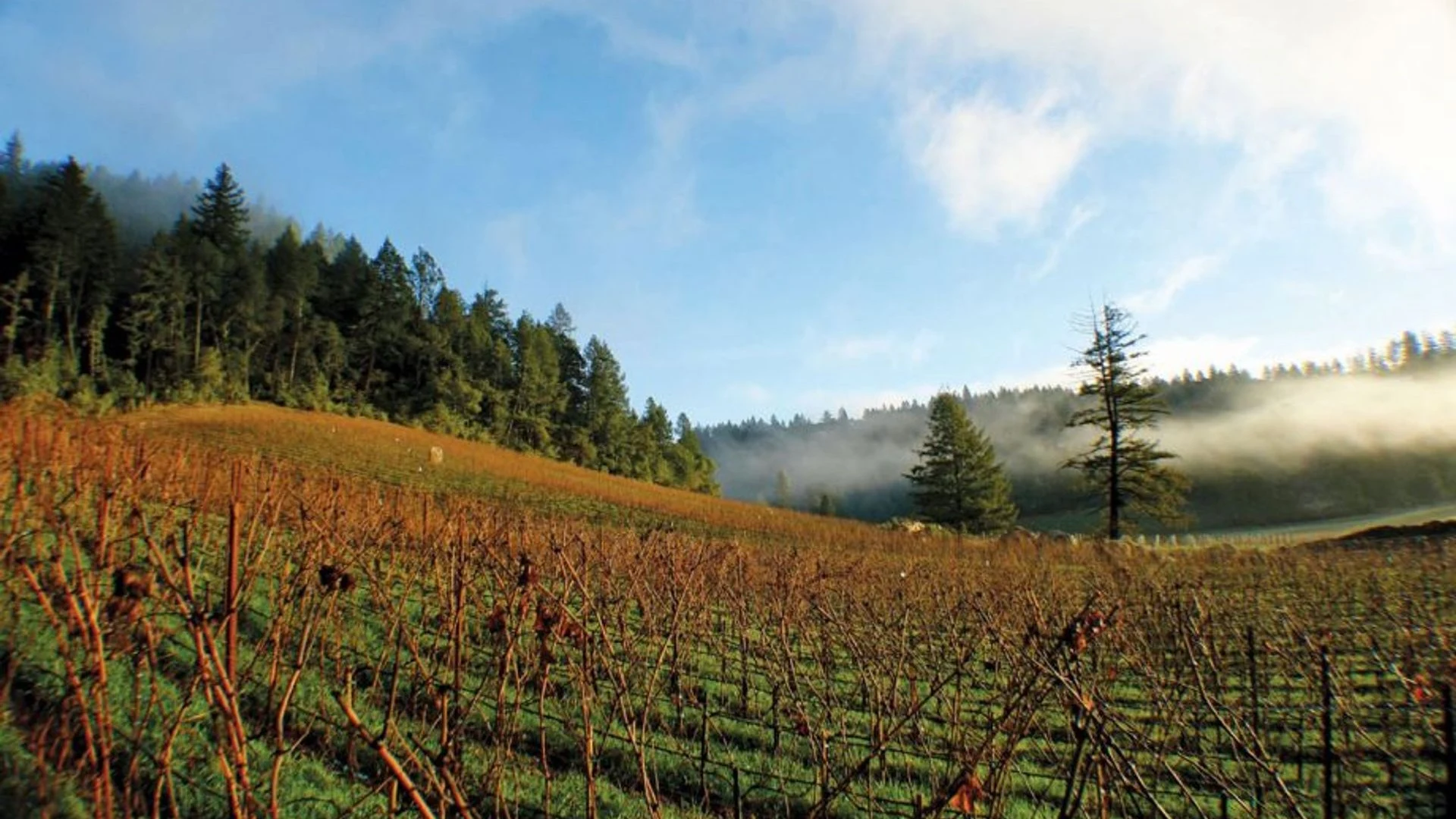
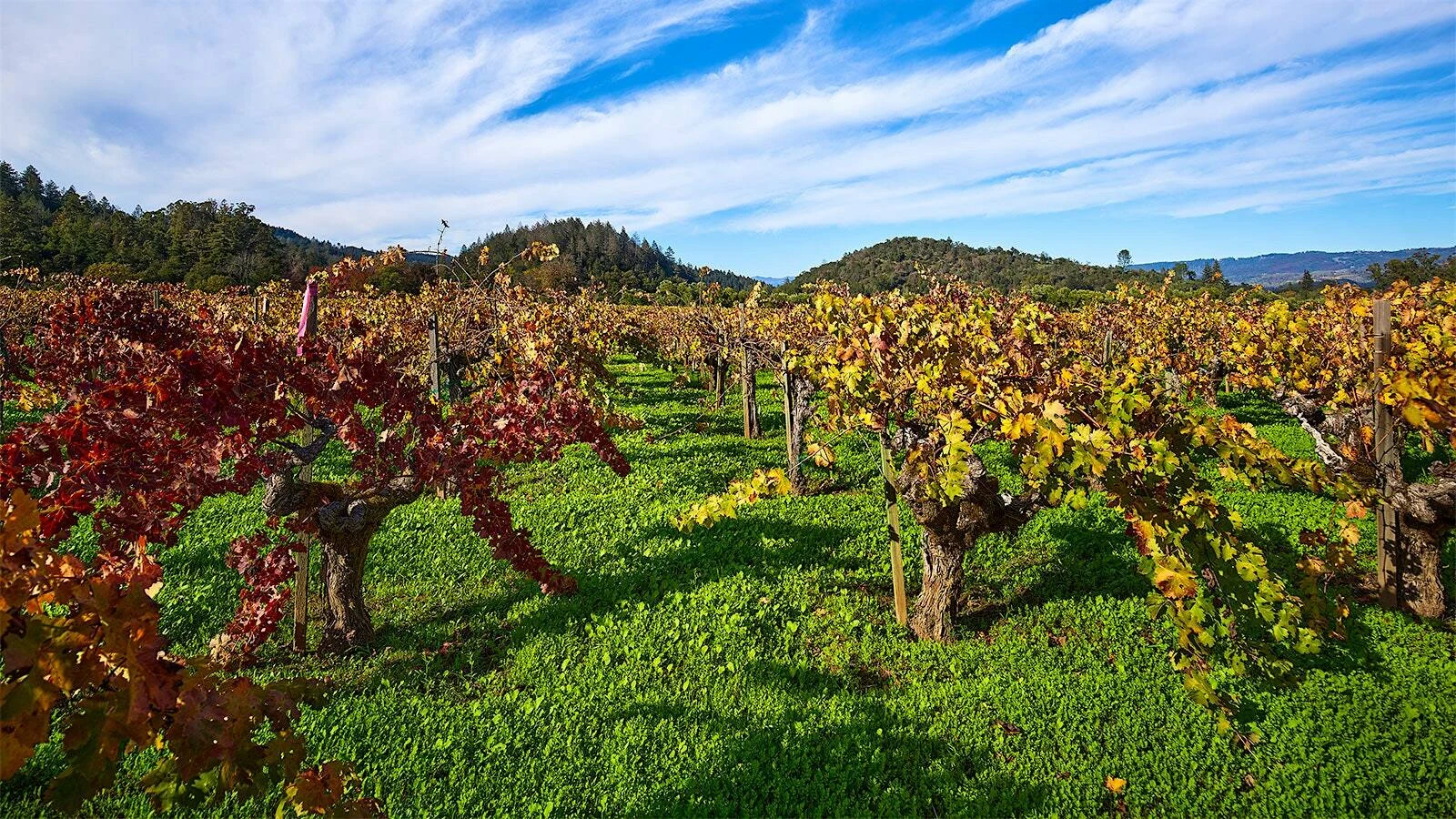
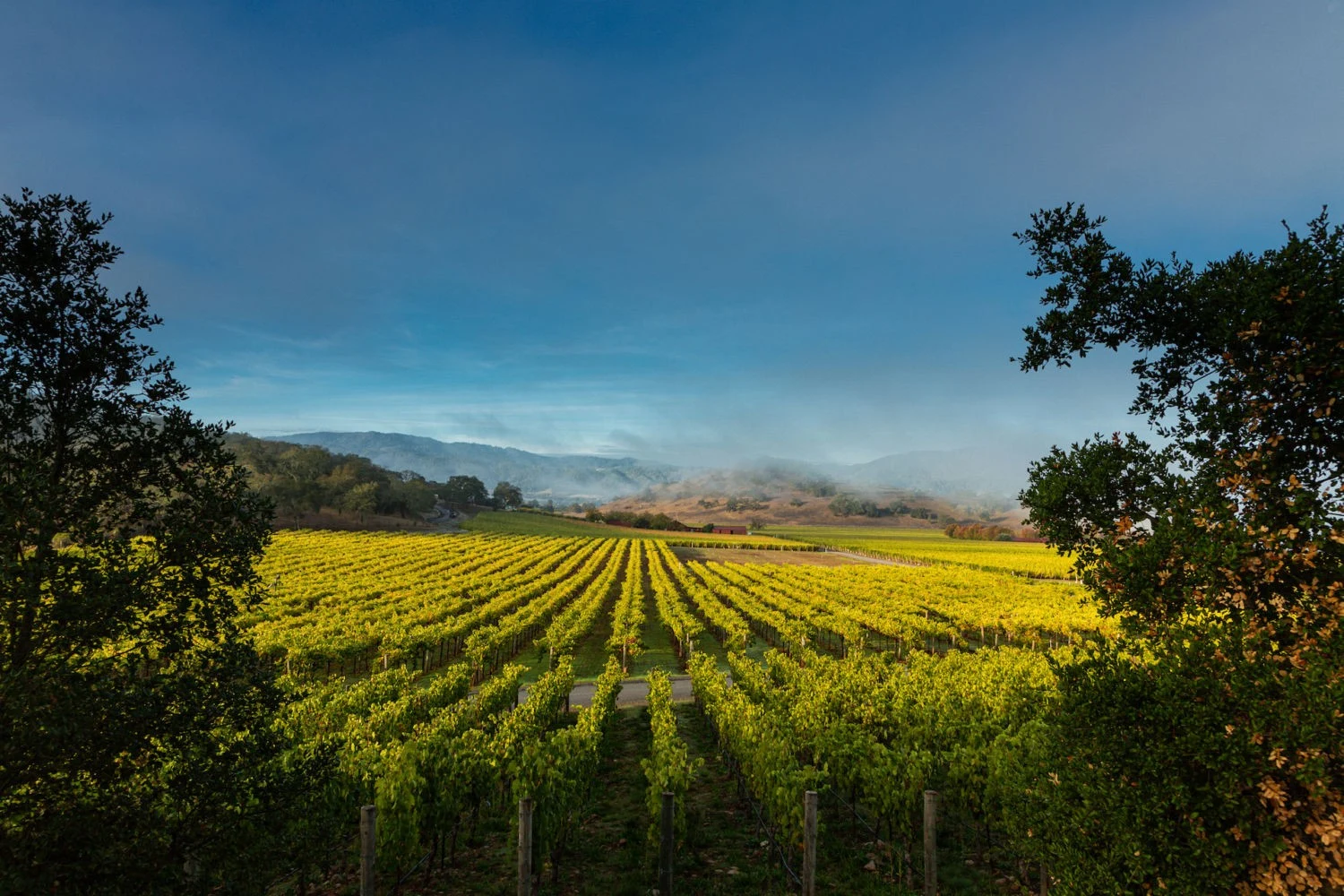
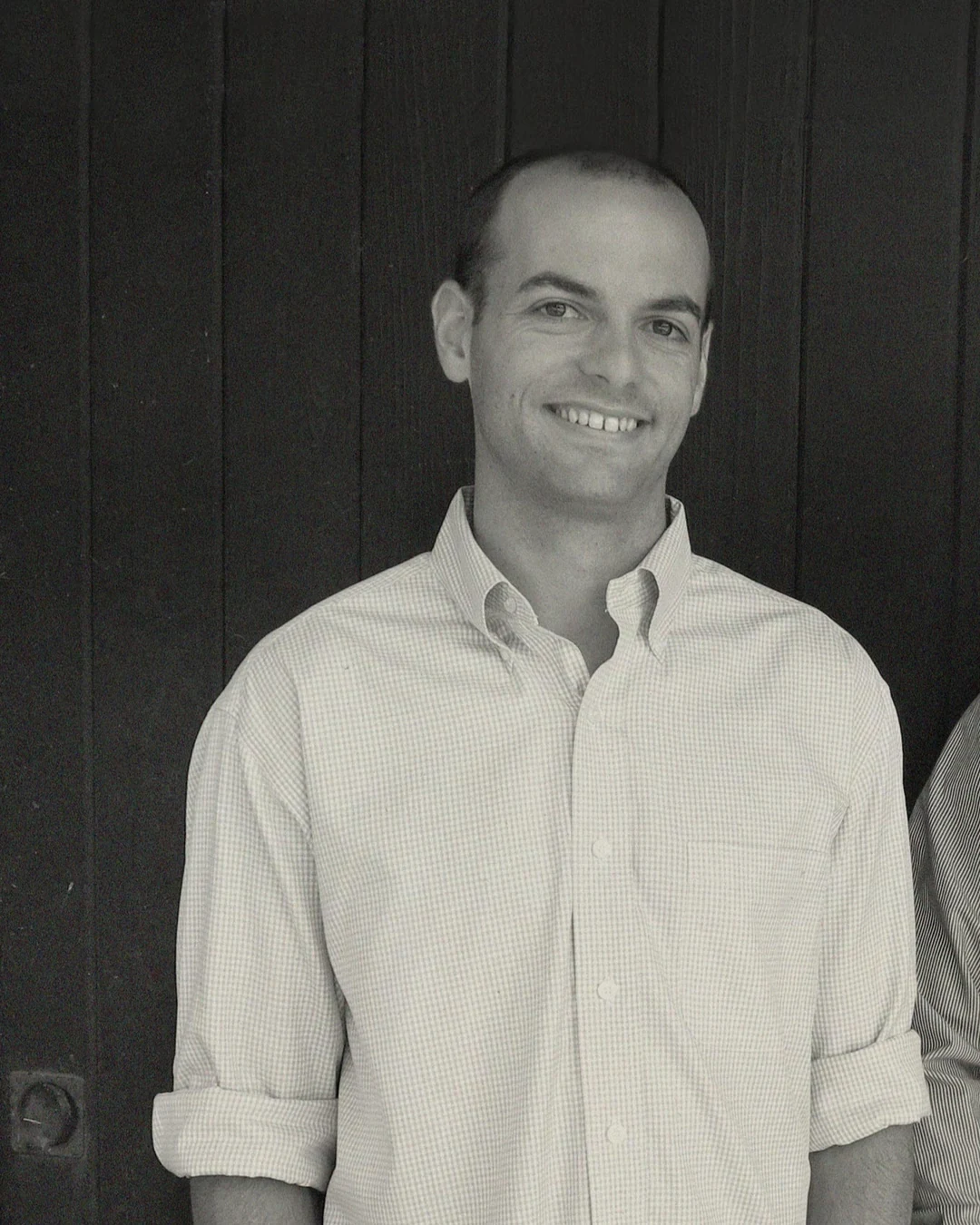
Seventy-year-old Cabernet Sauvignon vines set the first terms for Graeme MacDonald, Winemaker at Macdonald in Oakville, Napa. His work here begins in the rows of the historic To-Kalon Vineyard, on Oakville benchland at the base of the Mayacamas Mountains, where the estate holds 15 acres of old vine Cabernet Sauvignon rooted in well-drained alluvial gravels. MacDonald has been at Macdonald since 2010, working where farming decisions become cellar decisions. The role asks for continuity more than performance: read the site, keep the line between vineyard and glass clear, and let the vintage arrive without being bent out of shape.
His training at the University of California, Davis gives that approach a disciplined frame, but the tone here is not academic. MacDonald speaks about stewardship in plain terms: “The best we can do is leave the land rich and full of life for future generations.” That sentence belongs as much to the vineyard as to the cellar. It places the future condition of the ground ahead of the finished bottle, and it gives the work its long measure.
Farming decisions become cellar decisions
Macdonald is a micro-producer, with 500-600 cases annually, hand-farmed and hand-produced by the family. The farming is organic and dry-farmed, and the cellar follows a minimalist, detail-oriented philosophy shaped around Cabernet Sauvignon and Cabernet Franc from the Oakville, Napa Valley AVA. Those facts matter because the wines are not built from a broad net of fruit. They come from a specific piece of To-Kalon, and the method keeps returning to that constraint.
In a place with 15 acres, scale becomes a form of discipline. The brothers’ hand work holds the program close enough for small decisions to remain visible: what the season gives in the rows, what the gravels allow, how much energy the fruit carries when it reaches the cellar. MacDonald’s stated aim is wines that display a sense of place, a phrase that can go thin in weaker hands. Here it has an agricultural weight. It means the vineyard leads, and the cellar listens.
The cellar under the Mayacamas
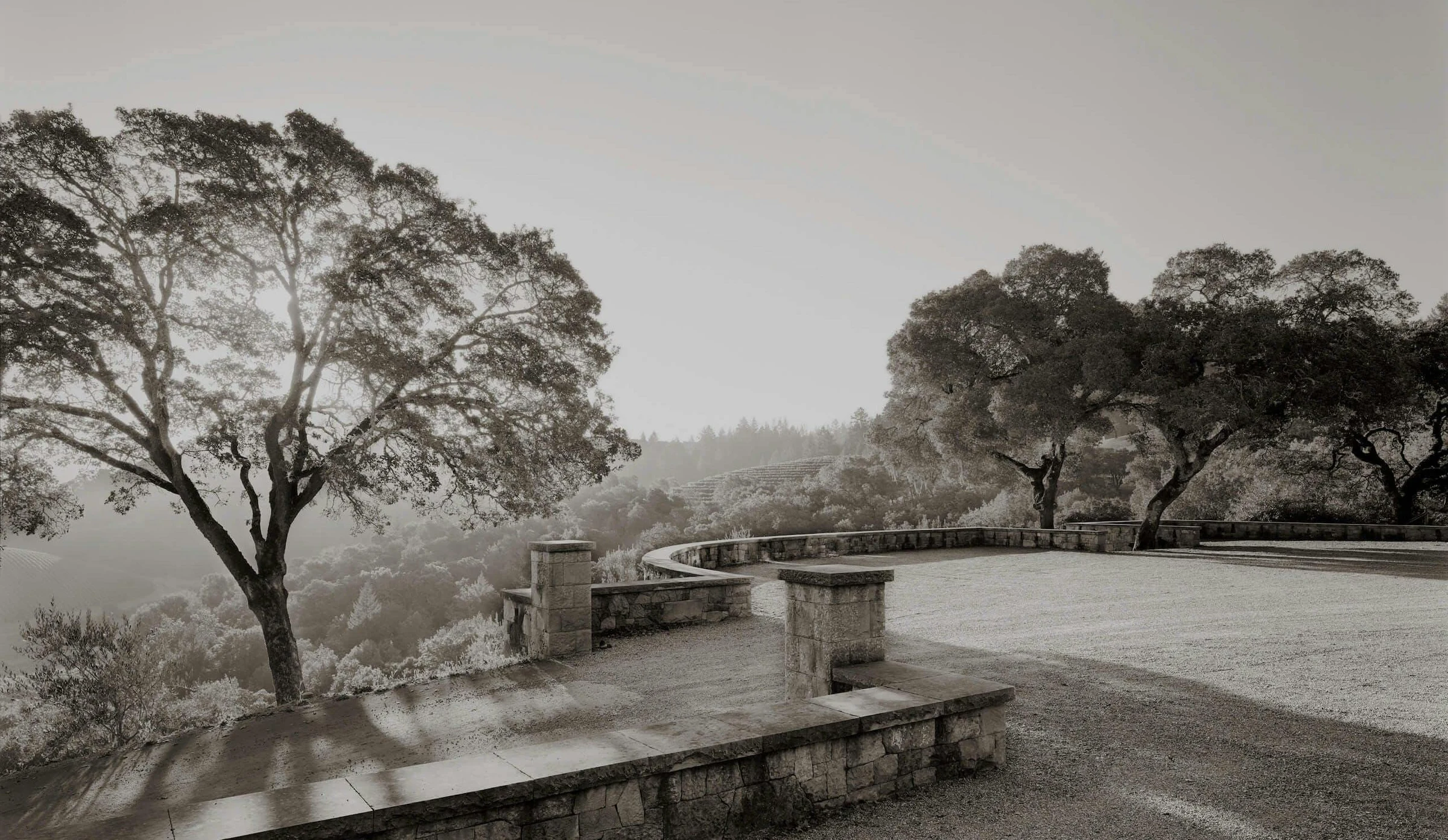
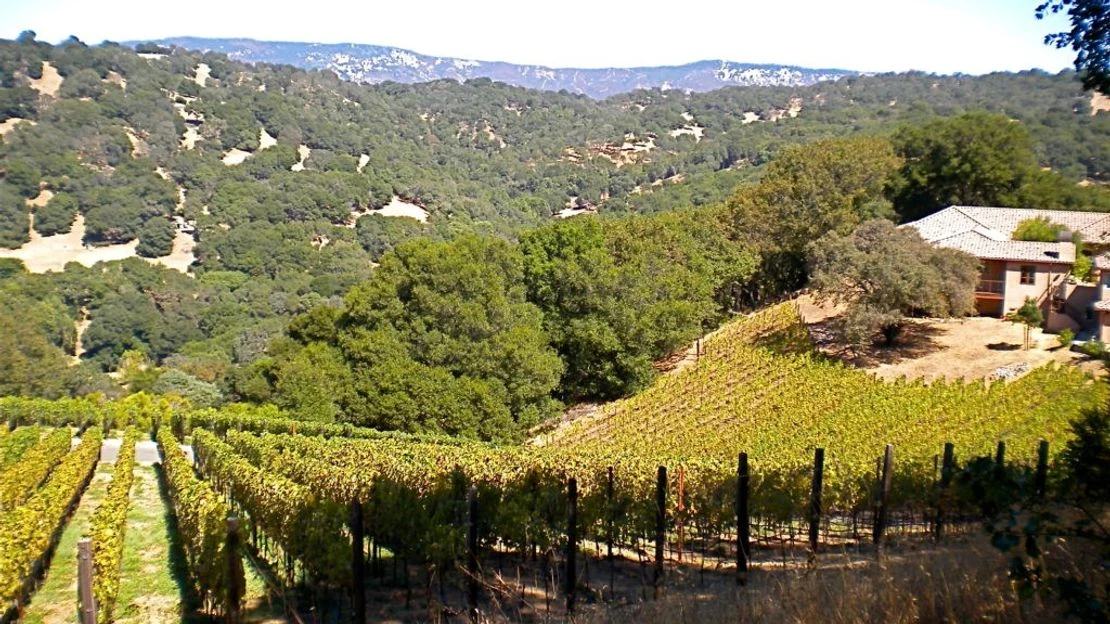
The atmosphere at Macdonald is intimate and refined, not in the sense of polish laid over the work, but as a reflection of a small winery built around attention. Conversation can stay low. The tasting room, the cellar, and the vineyard all point back to the same benchland: the base of the Mayacamas, the alluvial gravels, the old Cabernet Sauvignon vines that set the house rhythm.
There is little useful separation here between place and method. The setting is not scenery around the wine program; it is the argument of the wine program. The purity and energy the winery seeks are tied to To-Kalon itself, and to the patience required when a family works the same rows by hand. To-Kalon Vineyard includes 15 acres of Cabernet Sauvignon.
Questions
Frequently asked
Who makes the wine at Macdonald?
Graeme MacDonald has been winemaker there since 2010, and the wines are hand-farmed and hand-produced by the family.
What does Macdonald focus on?
The winery works from the historic To-Kalon Vineyard in Oakville and centres on Cabernet Sauvignon, with Cabernet Franc also part of the program.
How much wine does Macdonald make?
Macdonald is a micro-producer, with annual production of about 500 to 600 cases.
What should visitors know about booking and dress?
Visits are by appointment only, and the dress code is smart casual.
The field
How it compares
| Place | Notes | Awards |
|---|---|---|
| Macdonald | Oakville, $$$$ | · |
| BOND Winery | Napa | · |
| Harlan Estate | Napa | · |
| Hundred Acre | Napa | · |
| Joseph Phelps Vineyards | Napa | World's 50 Best |
| Scarecrow | Napa | · |
| Screaming Eagle | Napa | · |