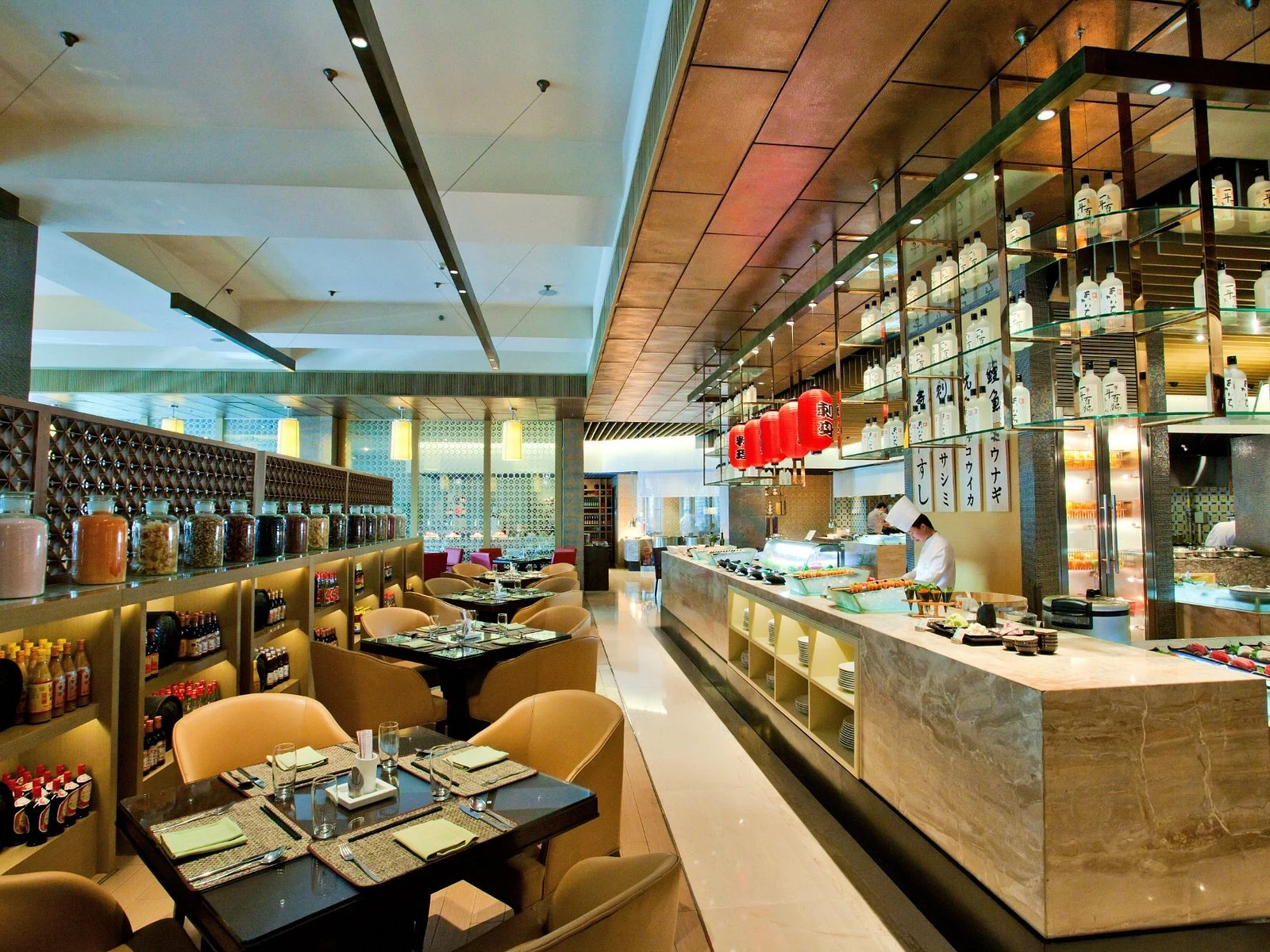
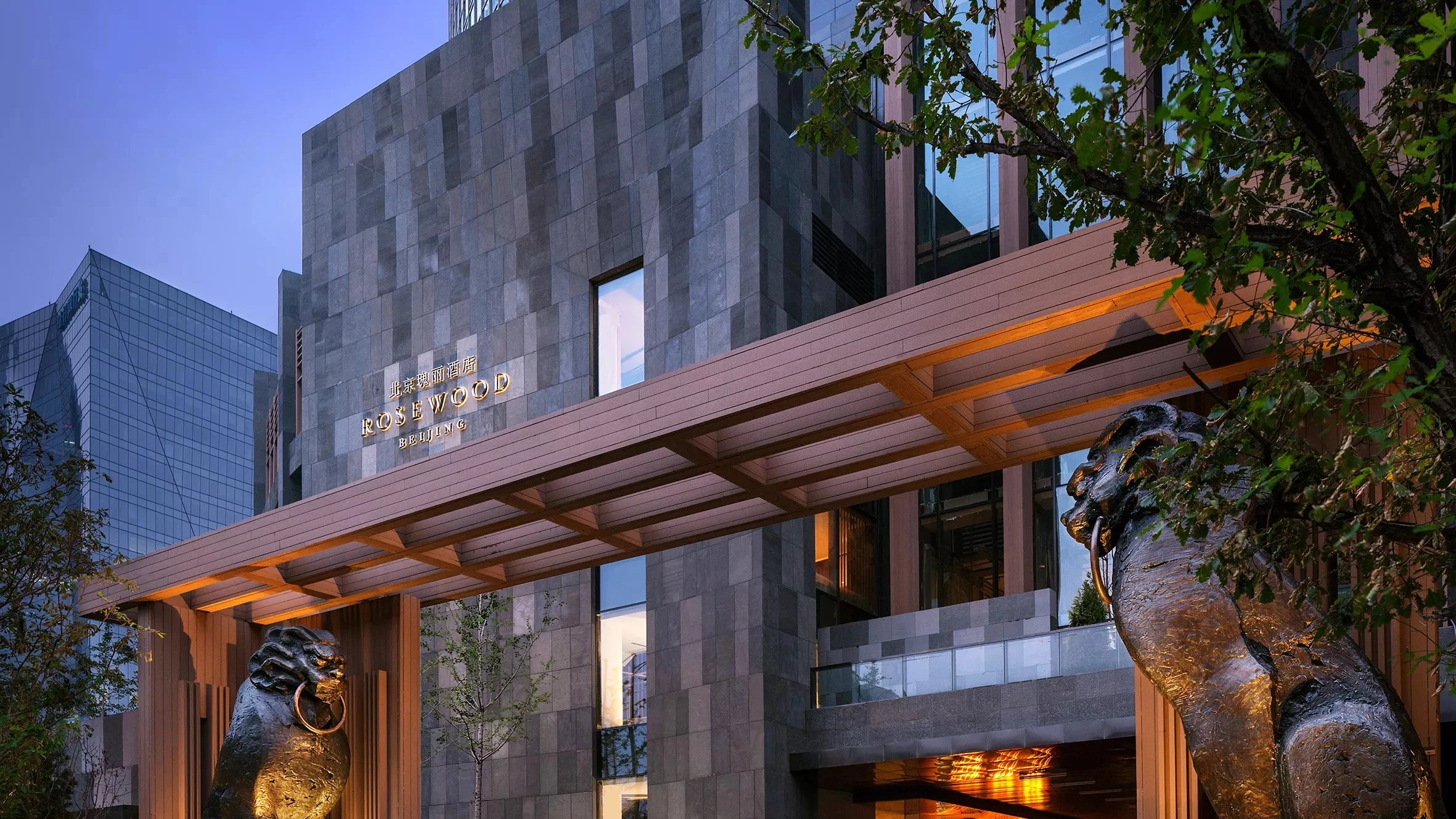
Made in China
- 01CuisineTraditional Northern Chinese with Peking Duck
- 02CityBeijing, China
- Opinionated About Dining Top Restaurants in Asia Ranked #80 · 2026
- Opinionated About Dining Top Restaurants in Asia Ranked #66 · 2025
- Opinionated About Dining Top Restaurants in Asia Ranked #54 · 2024
- Opinionated About Dining Top Restaurants in Asia Ranked #34 · 2023
Beijing Duck and the Weight of Tradition
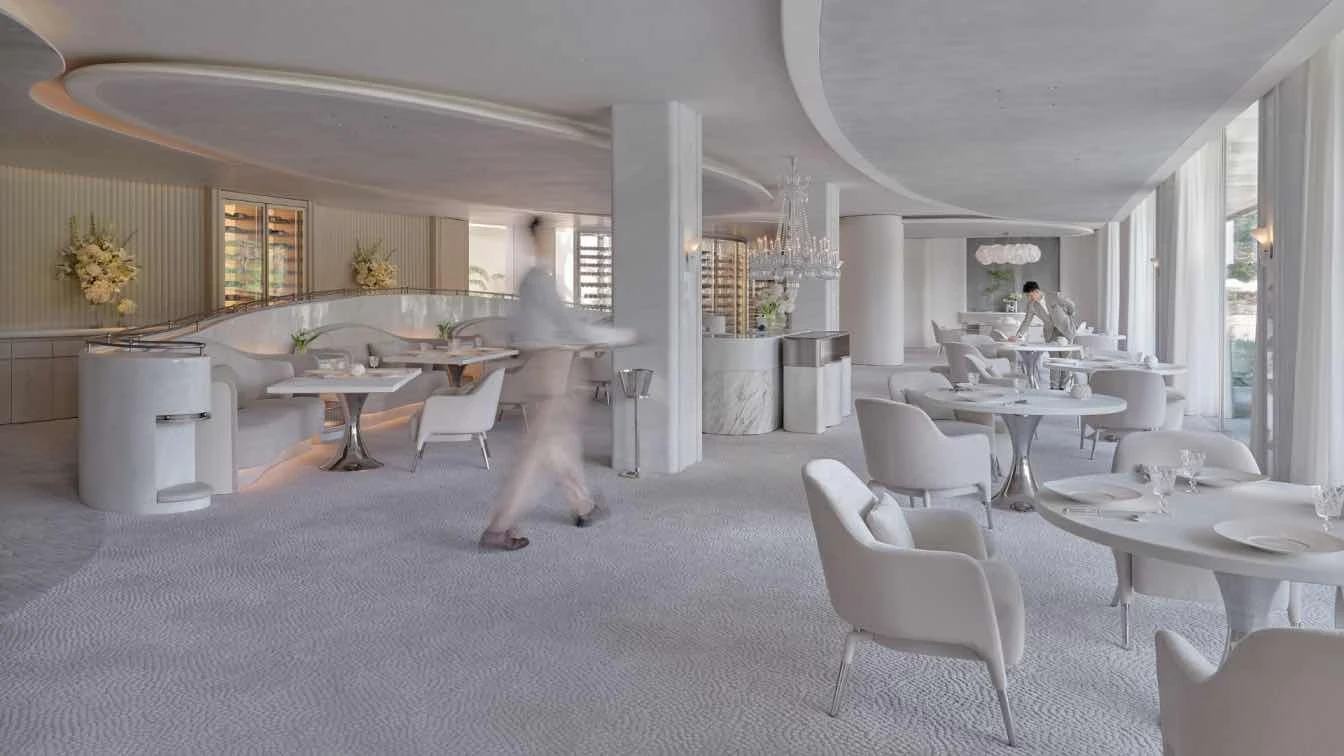
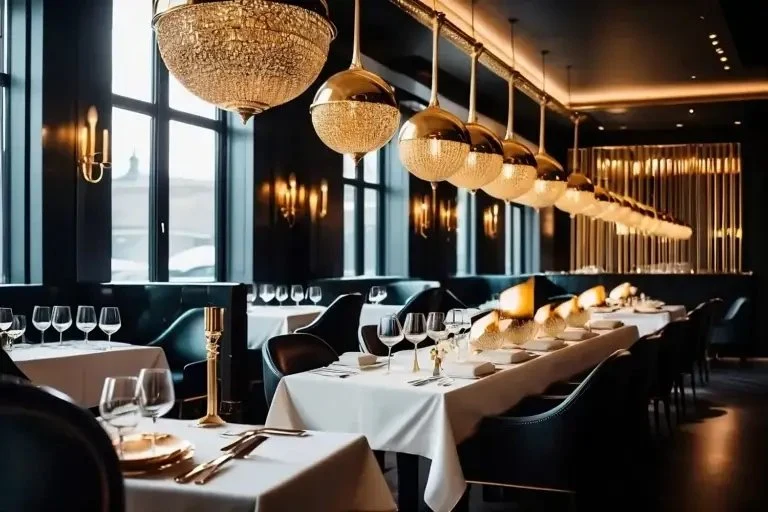
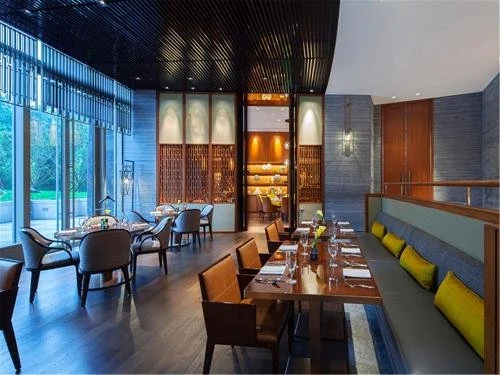
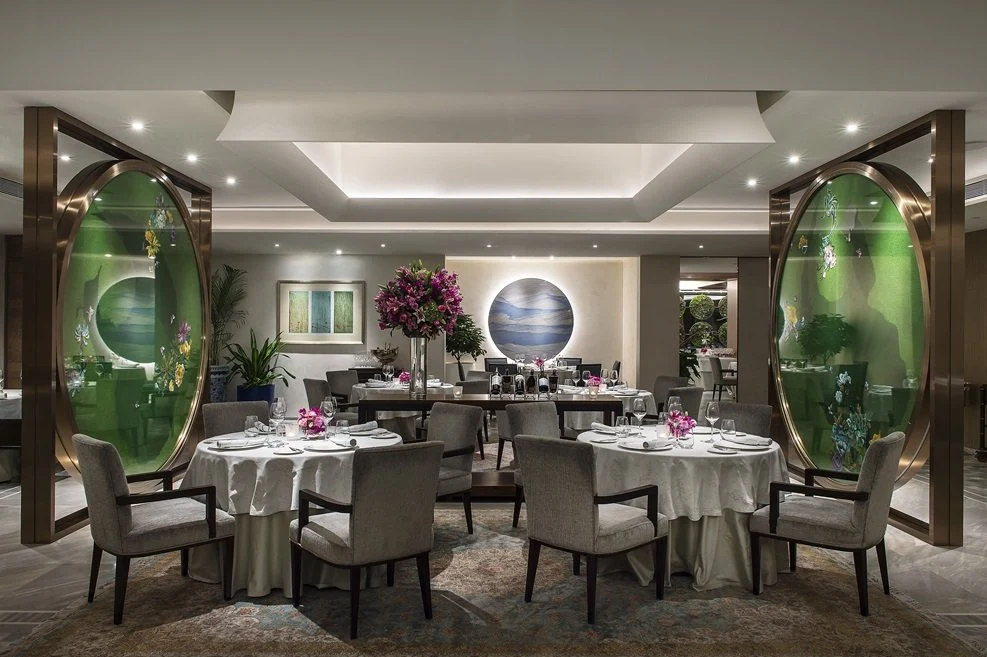
Beijing's relationship with roast duck runs deeper than any single restaurant. The dish has been prepared in the capital for centuries, its technique refined under successive dynasties before becoming the defining culinary export of northern China. What separates the city's serious duck houses from the tourist-facing operations is a commitment to that technique in its original form: the air-cured bird, the hardwood smoke, the paper-thin skin lacquered to a mahogany finish. Made in China is a restaurant in Dongcheng, Beijing, serving traditional Northern Chinese cuisine with Peking duck.
The Dongcheng district sits at Beijing's historical and geographical core, encompassing the former Imperial City and much of the hutong network that defines old Beijing. Dining here carries a particular weight of context. The neighbourhood's proximity to the Forbidden City means it has hosted formal banquets and official tables for generations; the restaurants that have endured in this part of the city tend to do so on the strength of craft rather than novelty.
Where Made in China Sits in the Beijing Dining Scene
Beijing's premium Chinese dining tier has fragmented considerably over the past decade. On one end sit the theatrical roast duck specialists, typified by Da Dong, whose presentation style and lean-duck methodology have made it an international reference point. On the other end are the historically rooted houses: Liqun Roast Duck in a converted hutong courtyard, or Family Li Imperial Cuisine, which works from Qing dynasty recipes. Duck de Chine, meanwhile, occupies a contemporary-luxury register with Gallic inflections.
Made in China occupies a distinct position within this set. Its Opinionated About Dining rankings, #34 in Asia in 2023, #54 in 2024, #66 in 2025, place it consistently within the top tier of the continent's Chinese restaurants, even as its specific rank has shifted. A Google rating of 4.4 across 69 reviews adds a baseline of visitor satisfaction.
Chef Jin Qiang heads the kitchen. Within Beijing's classical Chinese cooking tradition, the chef's role at a restaurant of this calibre involves deep fluency with both northern techniques and the wider canon of regional Chinese cuisine.
The Peking Duck Canon and What It Demands
Any restaurant anchored around Peking duck is working within one of Chinese cuisine's most technically demanding formats. The duck must be slaughtered, inflated, air-dried, coated with a maltose glaze, and hung to dry before roasting in a sealed or open-fire oven depending on the school. The Beijing tradition splits between the焖炉 (braising oven) method, associated with older northern technique, and the挂炉 (hanging oven) method that most contemporary celebrated houses employ. The result, when executed at a high level, is skin that shatters on contact and flesh that remains moist through the roasting period, a combination that requires precision in timing that cannot be shortcut.
The service format at serious Beijing duck houses also carries cultural weight. The duck is typically carved tableside, with the skin presented first alongside steamed pancakes, shredded scallion, cucumber batons, and hoisin or sweet bean sauce. The carcass follows as soup or stir-fry, depending on the kitchen's approach. This sequential structure reflects the Chinese culinary principle of whole-animal use and the banquet logic that organises a full meal around a centrepiece preparation.
For context on how this tradition plays out across other serious Chinese kitchens in the region, Xin Rong Ji (Xinyuan South Road) in Beijing works within a different regional register entirely, focusing on Taizhou cuisine from coastal Zhejiang, while 102 House in Shanghai, Ru Yuan in Hangzhou, and Xin Rong Ji in Chengdu each demonstrate how Chinese fine dining has developed distinct regional identities under the broader category. Further afield, Chef Tam's Seasons in Macau, Imperial Treasure Fine Chinese Cuisine in Guangzhou, and Dai Yuet Heen in Nanjing illustrate the range of formats through which serious Chinese cooking operates across Greater China.
The international dimension of this tradition is also worth noting. Restaurant Tim Raue in Berlin and Mister Jiu's in San Francisco represent how Chinese culinary reference points have been absorbed and reinterpreted in Western fine dining contexts, a very different project from what a kitchen like Made in China is doing, but useful for understanding the global reach of the tradition.
Planning a Visit
Made in China operates on a consistent daily schedule, open for lunch from 11:30am to 2:30pm and dinner from 5:30pm to 10:30pm every day of the week. That regularity is useful for planning around Beijing's tighter cultural itineraries. The Dongcheng address places it within reach of the city's central landmarks, making it a logical choice for a dinner after an afternoon around the hutong districts or the Imperial Palace complex. Booking in advance is advisable at this tier of Beijing dining, particularly for dinner service and during peak travel periods such as national holidays. Expect around $80 per person.
Questions
Frequently asked
How expensive is Made in China?
Made in China is listed at a price level of $$$$.
Where is Made in China and what does it serve?
Made in China is in Wangfujing, Beijing, serving Traditional Northern Chinese with Peking Duck.
The field
How it compares
| Place | Cuisine | Notes | Awards |
|---|---|---|---|
| Made in China | Traditional Northern Chinese with Peking Duck | Wangfujing, $$$$ | · |
| Blackswan | Modern French Fine Dining | Beijing | Michelin 1 Star |
| Chao Shang Chao (Chaoyang) | Modern Teochew (Chaoshan) Fine Dining | Beijing | Michelin 3 Stars |
| Chef 1996 | Refined Sichuan Fine Dining | Beijing | World's 50 Best |
| Jing | Modern French with Asian Influences | Beijing | Michelin 1 Star |
| King's Joy | Modern Vegetarian Chinese Fine Dining | Beijing | Michelin 2 Stars |
| Lamdre | Modern Plant-Based Chinese Vegetarian | Beijing | Michelin 1 Star, World's 50 Best |
Similar places
Modern French Fine Dining
Blackswan
Beijing, China
★
Modern Teochew (Chaoshan) Fine Dining
Chao Shang Chao (Chaoyang)
Beijing, China
★★★
Refined Sichuan Fine Dining
Chef 1996
Beijing, China
50 Best
Modern French with Asian Influences
Jing
Beijing, China
★
Modern Vegetarian Chinese Fine Dining
King's Joy
Beijing, China
★★
Modern Plant-Based Chinese Vegetarian
Lamdre
Beijing, China
★ · 50 Best