Maison Joanne
- 01CityCarignan De Bordeaux, France
- Falstaff Winery - Listed · 2026
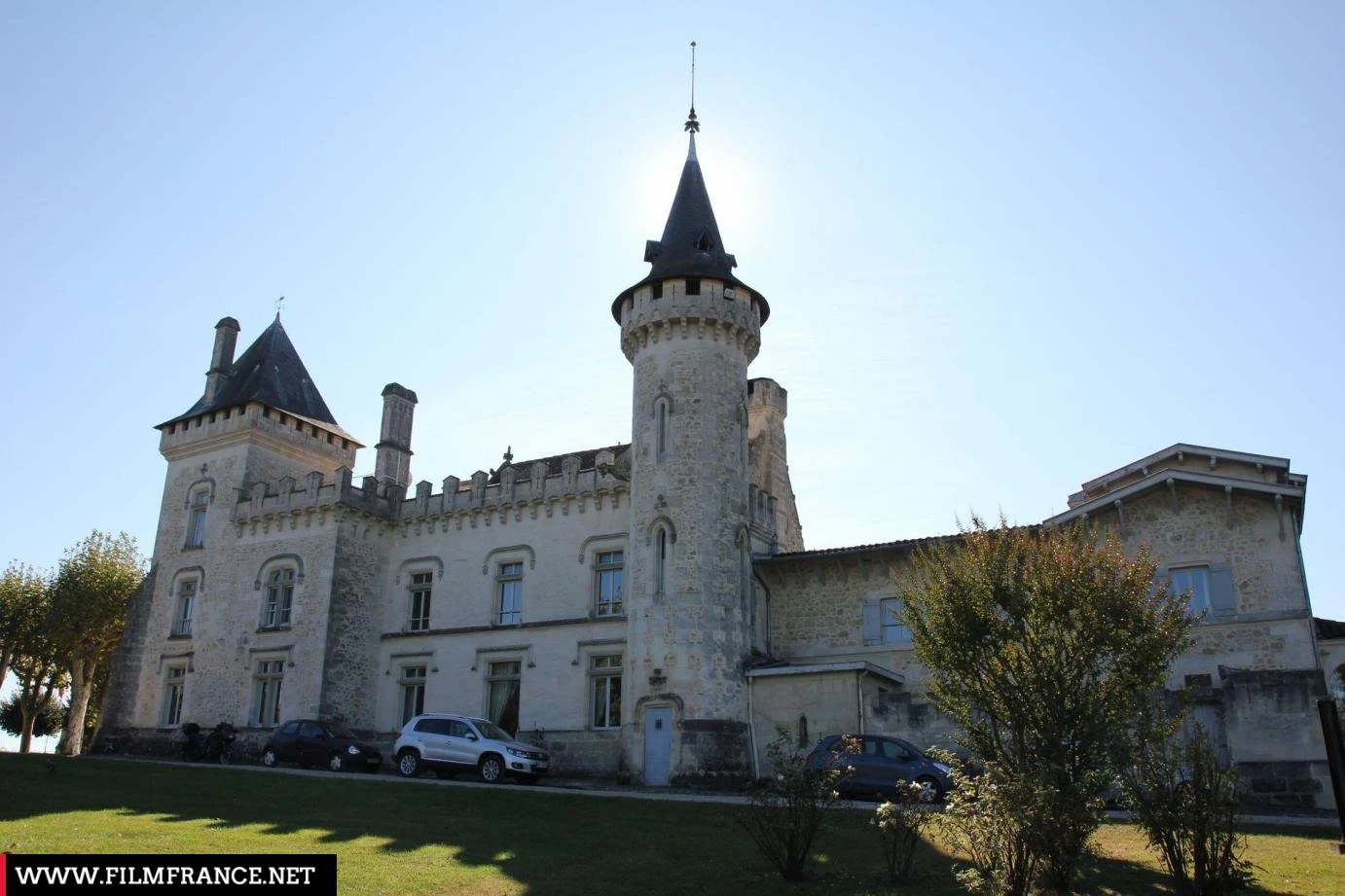
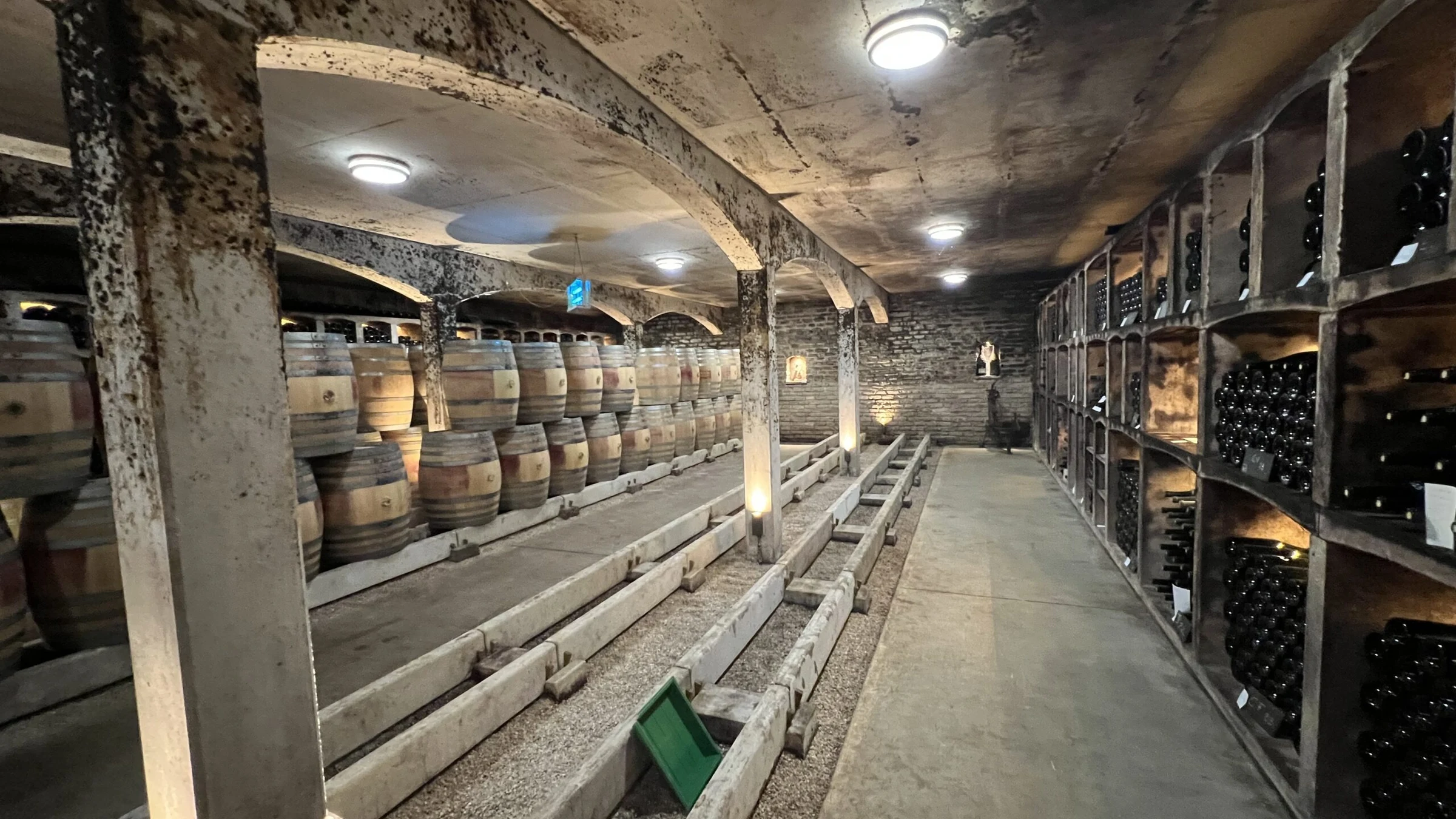
Approach Maison Joanne expecting the language of Bordeaux commerce rather than the choreography of a visitor-focused estate. The defining image is not a traditional vineyard salon, but an industrial-scale Bordeaux négociant environment: large, temperature-controlled warehouses, professional tasting activity, and infrastructure associated with optimal storage and logistics. In a region where estate imagery often dominates the visitor imagination, Maison Joanne points instead to the working systems behind Bordeaux wine, the less romantic but highly consequential layer that helps wines move, rest, and be presented in proper professional condition.
That distinction matters. Maison Joanne is best understood through its role as a Bordeaux négociant environment rather than through a conventional restaurant, bar, or château-visit narrative. The picture is practical and professional: storage, logistics, and tastings designed for a trade-oriented setting. The emphasis falls on function more than spectacle, and that is precisely what gives the place its value as a reference point. It helps clarify how Bordeaux operates beyond the estate gate, where commercial organization and careful handling are not peripheral details but part of the region's wine culture.
Bordeaux wine viewed through trade machinery
Maison Joanne sits on the trade side of the Bordeaux wine world. That means the interest here is not built around vineyard romance or a relaxed hospitality script, but around the mechanisms that support circulation, preservation, and professional assessment. For anyone trying to read Bordeaux as a complete system, that trade-side perspective is important.
For terroir-minded drinkers, the lesson is indirect but useful. It is better described as a Bordeaux négociant setting where the focus is on storage conditions, logistics, and professional tastings. Those elements do not replace the vineyard story, but they shape what happens after wine leaves the estate context. The result is a different kind of insight: less about standing among vines, more about understanding the conditions that allow wine to be managed seriously once it enters the commercial structure.
The physical character sharpens the point. Large, temperature-controlled warehouses are central to the identity of Maison Joanne. In Bordeaux, that kind of infrastructure is not a minor background detail: careful storage and logistics are part of the professional framework that supports serious wine handling. The scale and climate-controlled nature of the environment underline a simple truth often hidden behind more picturesque imagery: wine depends on disciplined conditions as much as on evocative landscapes. Maison Joanne makes that disciplined side visible.
What the format says about place
Carignan De Bordeaux places Maison Joanne within the wider Bordeaux orbit while keeping the emphasis on a working wine environment rather than a postcard version of estate tourism. The setting suits the role: this is a place to understand the industrial and logistical side of Bordeaux wine, not a venue that should be described as a casual visitor estate. Its sense of place comes from use and purpose, from the way the environment is arranged around wine handling rather than around leisurely presentation.
The facts support a focused description rather than an embellished one. Maison Joanne is associated with a classic, industrial, iconic Bordeaux négociant environment. Its appeal comes from that professional character: temperature-controlled storage, logistics, and tastings in a setting designed around wine handling rather than leisure-first hospitality. That professional character should not be softened into something it is not. The point is exactly the absence of a conventional château-visit frame: Maison Joanne belongs to the commercial architecture of Bordeaux, where practical precision carries its own form of authority.
That makes Maison Joanne a useful reference point for travellers who want to understand how Bordeaux wine culture depends on more than vineyards alone. It represents the merchant and storage side of the regional system, where condition, organization, and professional presentation matter. For readers accustomed to thinking of Bordeaux through labels, estates, and landscapes, this perspective widens the frame. The wine world here is not only agricultural or aesthetic; it is also logistical, commercial, and highly structured.
Maison Joanne is therefore better understood as a specialist node in the Bordeaux system than as a casual tasting stop. The appeal is strongest for readers interested in the working infrastructure behind Bordeaux wine and in how an industrial-scale négociant environment differs from a traditional visitor-focused estate. It is most rewarding when approached with that expectation, because its significance lies in the clarity with which it shows Bordeaux's trade machinery at work.
Planning the wider Carignan-de-Bordeaux circuit
A wine-focused day in Carignan De Bordeaux can treat Maison Joanne as context for the region's commercial backbone, then build the rest of the trip around other local options in general terms. Use Maison Joanne as the professional, logistics-oriented counterpoint to more visitor-facing experiences elsewhere in the area. In that role, it adds balance to a Bordeaux itinerary: not another version of the estate story, but a reminder that storage, organization, and trade are part of the same regional fabric. Seen this way, Maison Joanne helps turn a simple wine day into a more complete reading of how Bordeaux functions.
Questions
Frequently asked
How expensive is Maison Joanne?
Maison Joanne is listed at a price level of $$$$.
The field
How it compares
| Place | Notes | Awards |
|---|---|---|
| Maison Joanne | Carignan-de-Bordeaux, $$$$ | · |
| Château Carignan | Carignan De Bordeaux | · |
| Château Maison Ginestet | Carignan De Bordeaux | · |
| Domaine Georges Mugneret-Gibourg | Vosne-Romanée | · |
| Felton Road Wines | Bannockburn | World's 50 Best |
| Quinta do Noval | Pinhão | World's 50 Best |
| Ruinart | Reims | World's 50 Best |