Maison Trimbach sits at the heart of Ribeauvillé's winemaking tradition, earning a Pearl 3 Star Prestige rating in 2025 and representing the serious, mineral-driven side of Alsatian viticulture. The address at 15 Route de Bergheim places it squarely within the Route des Vins corridor, where Riesling and Pinot Gris from grand cru slopes define the regional benchmark. A reference point for Alsace in any serious conversation about French white wine.
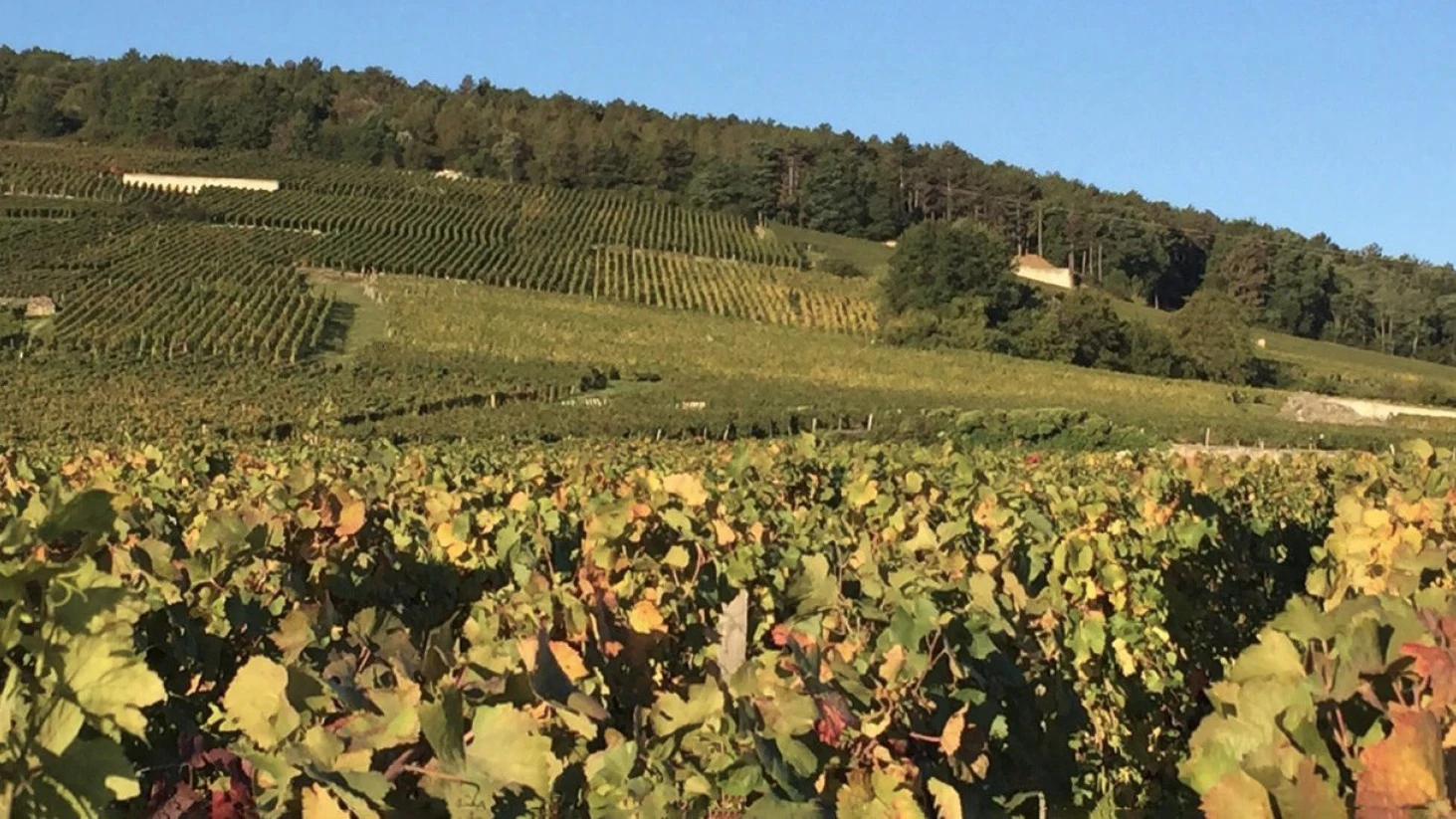
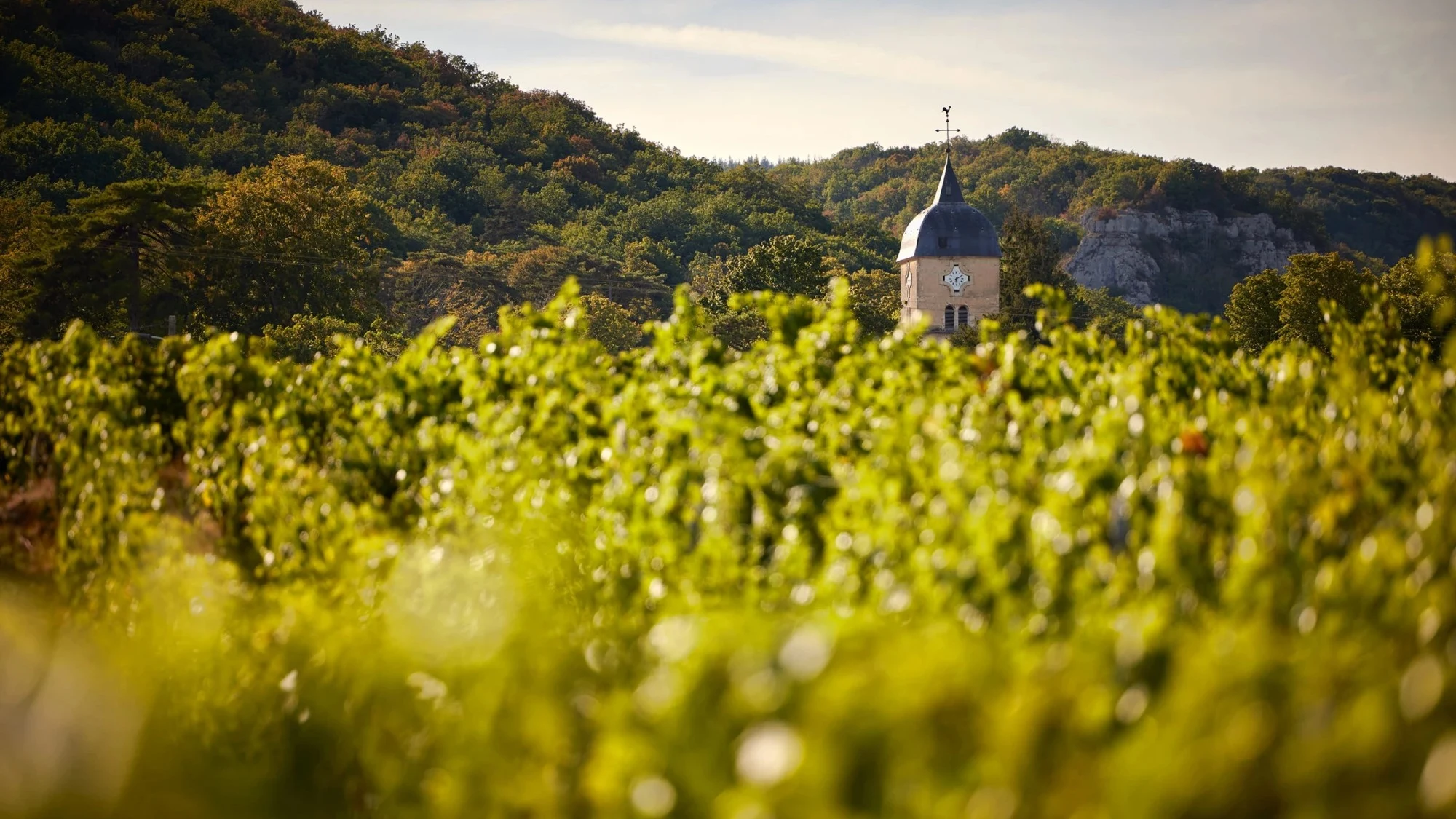
<h2>Where the Vosges Meet the Glass</h2><p>Approach Ribeauvillé from the south on the Route de Bergheim and the town announces itself slowly: medieval towers above, vine rows below, and the Vosges mountains pressing the vineyards toward the Rhine plain with a geographical insistence that explains everything about why Alsatian wine tastes the way it does. At 15 Route de Bergheim, Maison Trimbach occupies a position in that corridor that is both literal and symbolic. This stretch of Alsace produces some of France's most precisely mineral white wines, and the address places the house at the axis of that tradition.</p><p>Alsace's wine identity is built on a geological contradiction: the Vosges block rainfall from the west, creating one of the driest mesoclimates in France, while the alluvial and granite soils of the foothills concentrate flavour without accumulating the heat that would soften the wines toward roundness. The result, across the region's leading Riesling and Pinot Gris, is a tension between ripeness and acidity that no other French appellation reliably produces. Maison Trimbach, carrying a Pearl 3 Star Prestige distinction as of 2025 and priced at about $40 per person, operates within that tradition at its most demanding tier.</p><h2>Terroir as Argument</h2><p>The case for Alsatian Riesling as one of the world's great white wine categories rests largely on the grands crus and specific lieu-dits that concentrate the region's granite, sandstone, and clay into wines of geological specificity. In Ribeauvillé's immediate surrounds, the Osterberg and Geisberg grand cru sites produce Rieslings whose structure and slow evolution place them closer to long-aged German Spätlese in ambition than to the broader, quicker Alsatian category wines. The climate here is continental with Mediterranean inflection: the same sunny, dry conditions that allow late harvesting also allow phenolic development that supports extended cellaring.</p><p>Trimbach's position within this context is not merely geographic. The 2025 Pearl 3 Star Prestige recognition signals a place inside the tier of Alsatian producers where single-site and single-variety expression carries the most weight, and where the wines are assessed as much on what they will become as what they currently offer. That forward-looking quality is characteristic of the region's finest estates, where releasing a Riesling at three years old is understood as releasing it early.</p><p>For context across French fine wine, the seriousness of ambition here is comparable to what drives allocation-based estates in Pomerol like <a href="https://www.enprimeurclub.com/wineries/chateau-clinet-pomerol">Château Clinet</a>, or the slow-building prestige of Saint-Julien producers like <a href="https://www.enprimeurclub.com/wineries/chateau-branaire-ducru-st-julien">Château Branaire Ducru</a>. The category differs entirely, but the logic of place-driven, production-disciplined winemaking runs through all of them.</p><h2>Alsace's Internal Hierarchy</h2><p>Alsace operates with a classification system that newer visitors sometimes find opaque. The appellation's 51 grand cru sites legally restrict yields and specify permitted varieties, but the most important qualitative signals often come from single-property or proprietary cuvée names that operate above the appellation baseline. The region's leading producers have historically used this space to produce wines with long track records of critical recognition, creating what amounts to an informal prestige tier that serious buyers navigate through familiarity with specific labels and sites rather than through a formal classification like Bordeaux's 1855.</p><p>Within Ribeauvillé and its neighbouring villages, that informal hierarchy is well-established. Comparing Trimbach's footprint with peers like <a href="https://www.enprimeurclub.com/wineries/albert-boxler-niedermorschwihr-winery">Albert Boxler in Niedermorschwihr</a> illustrates how Alsace's premium identity distributes across the route du vin: both houses anchor their reputations to grand cru and vineyard-specific wines, and both carry recognition that places them outside the volume-driven cooperative model that accounts for most Alsatian production by quantity.</p><p>For those exploring the wider range of French prestige production documented on EP Club, the contrast with Sauternes estates like <a href="https://www.enprimeurclub.com/wineries/chateau-bastor-lamontagne">Château Bastor-Lamontagne</a> or Haut-Médoc properties like <a href="https://www.enprimeurclub.com/wineries/chateau-cantemerle-haut-medoc">Château Cantemerle</a> is instructive: all operate in appellations where the land's identity dominates the conversation, and where producer discipline within appellation rules determines the ceiling of quality.</p><h2>The Ribeauvillé Setting</h2><p>The town itself functions as one of the Alsatian Route des Vins' reference points: it sits between Riquewihr to the south and Bergheim to the north, with a concentration of serious wine addresses that makes it a logical base for exploring the region's upper tier. The three ruined towers visible above the town, remnants of medieval fortifications, give Ribeauvillé a silhouette that signals how long this part of Alsace has been organised around its hillside vineyards. The town's German-inflected architecture reflects centuries of cross-border cultural exchange that shaped Alsatian food and wine culture equally.</p><p>Visiting the Route des Vins in the late growing season, from September onward, gives access to harvest activity that clarifies how differently Alsatian producers manage ripeness decisions compared to, say, Bordeaux châteaux making picking calls based on tannin development. Here, the conversation is about potential alcohol, residual sugar levels, and the degree to which late-harvest conditions might tip a Pinot Gris toward Vendanges Tardives classification. Those decisions happen in vineyards that are, in many cases, physically walkable from the Trimbach address.</p><p>For visitors planning a broader itinerary, the Route des Vins runs the length of Alsace's viticultural zone and is navigable by car, bicycle, or regional train with walking connections. Appointments are required, and advance notice is standard practice.</p><h2>Peer Context Across EP Club</h2><p>The 2025 Pearl 3 Star Prestige award places Maison Trimbach in the company of producers across France who operate at the top of their respective appellation hierarchies. EP Club's coverage of that tier spans regions and styles: from Pauillac fifth-growths like <a href="https://www.enprimeurclub.com/wineries/chateau-batailley-pauillac-winery">Château Batailley</a> and Cantenac second-growths like <a href="https://www.enprimeurclub.com/wineries/chateau-boyd-cantenac-cantenac-winery">Château Boyd-Cantenac</a>, to Saint-Emilion estates like <a href="https://www.enprimeurclub.com/wineries/chateau-belair-monange-saint-emilion-winery">Château Bélair-Monange</a> and Labarde properties like <a href="https://www.enprimeurclub.com/wineries/chateau-dauzac-labarde-winery">Château Dauzac</a>. Sauternes, too, is represented at this recognition tier, with <a href="https://www.enprimeurclub.com/wineries/chateau-d-arche-sauternes-winery">Château d'Arche</a> among the estates operating with comparable focus on site and selection discipline.</p><p>Beyond France, the same logic of terroir-centred production at award-recognised addresses appears in EP Club's coverage of Provençal rosé at <a href="https://www.enprimeurclub.com/wineries/chateau-desclans">Château d'Esclans</a>, California Cabernet at <a href="https://www.enprimeurclub.com/wineries/accendo-cellars">Accendo Cellars in St. Helena</a>, and Scottish single malt at <a href="https://www.enprimeurclub.com/wineries/aberlour-aberlour-winery">Aberlour</a>. The through-line across all of them is a premium identity built on specific place, consistent house style, and sustained critical recognition rather than on volume or accessibility. <a href="https://www.enprimeurclub.com/wineries/chartreuse-voiron-winery">Chartreuse in Voiron</a> offers a French counterpoint from a completely different production tradition, illustrating how the EP Club prestige tier spans categories as much as it spans regions.</p><h2>Planning a Visit</h2><p>Ribeauvillé is accessible from Colmar, approximately 15 kilometres to the south, which has the region's main rail connection from Strasbourg. The Route de Bergheim address is on the northern approach to town and accessible by car from the D1bis wine route. Any cellar visit or tasting appointment should be arranged in advance.</p><section class="faq">
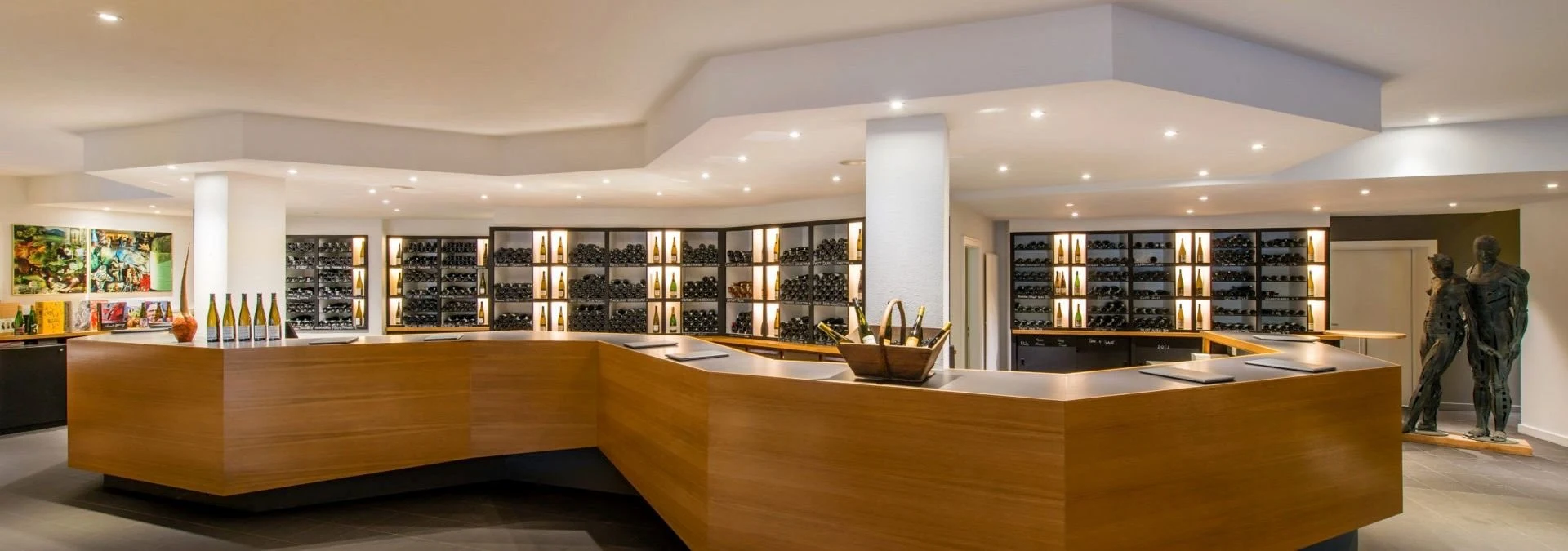
Maison Trimbach operates in Ribeauvillé's established fine wine tradition, and the tone reflects that: production-focused, technically serious, without the hospitality-forward presentation common to purpose-built visitor centres. The 2025 Pearl 3 Star Prestige recognition positions it at the disciplined, terroir-driven end of Alsatian production. Expect to engage with wine on its own terms.
Maison Trimbach has received recognition including: Pearl 3 Star Prestige (2025).
Alsace's grand cru Rieslings are the region's strongest argument for critical attention, and Ribeauvillé's Osterberg and Geisberg sites are among the appellation's documented reference points for the variety. Any visit to a producer at the 2025 Pearl 3 Star Prestige level warrants focusing on site-specific bottlings rather than regional blends. Confirm current availability with the domaine directly, as access to specific cuvées varies.
Maison Trimbach is located at 15 Rte de Bergheim, 68150 Ribeauvillé, Ribeauvillé.
The 2025 Pearl 3 Star Prestige award anchors Trimbach's reputation in terroir-focused, age-worthy Riesling production, in a town that functions as one of the Route des Vins' principal reference points between Riquewihr and Bergheim. The producer sits in the premium tier of Alsatian wine, a category relatively small compared to the volume output of regional cooperatives and négociant blends.
Producers holding a 2025 Pearl 3 Star Prestige award in Alsace typically operate by appointment rather than open-door tasting room access. Contacting Maison Trimbach at 15 Route de Bergheim in Ribeauvillé several weeks in advance is advisable, particularly during the harvest period in autumn and the busy summer tourist season along the Route des Vins.
The Pearl 3 Star Prestige is an EP Club award placing Maison Trimbach among producers operating at the top of their respective appellations across France. In Alsace, that tier sits above the volume-driven cooperative sector and aligns with domaines whose grand cru holdings carry documented critical and commercial recognition. For Ribeauvillé specifically, it reinforces the town's status as one of the Route des Vins' most credentialled production zones.
15 Rte de Bergheim, 68150 Ribeauvillé
Ribeauvillé