Cave de Ribeauvillé
- 01CityRibeauvillé, France
- Falstaff Winery - Listed · 2026
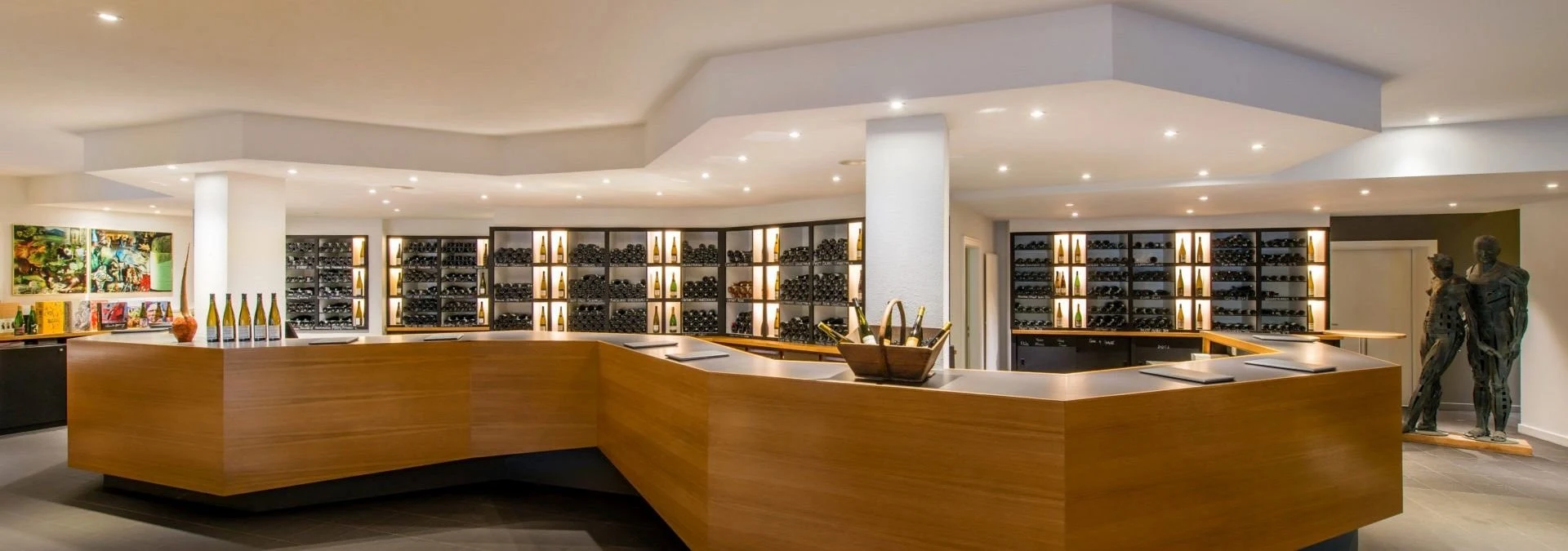
In Ribeauvillé, Cave de Ribeauvillé is best understood as a historic yet professional cooperative cellar with a modern, air-conditioned tasting shop. The emphasis is educational rather than theatrical: visitors encounter a welcoming setting, exhibitions, workshops, and a broad presentation of Alsace wines shaped around terroir and grape variety. It is the kind of venue that helps make the region legible. Instead of leaning on spectacle or a narrowly framed prestige story, it gives visitors room to look, taste, compare, and begin connecting what is in the glass with the landscape and grape traditions that define Alsace.
Alsace terroir through a cooperative lens
Alsace is a region where grape variety, site and winemaking context all matter, and Cave de Ribeauvillé presents that conversation through a cooperative cellar format. Rather than framing the visit around a single narrow narrative, the venue is useful as a broad introduction to Alsace wine, with a tasting-shop environment designed to make the range approachable. That cooperative lens matters because it naturally encourages comparison: the visitor is not simply being pointed toward one expression, but toward a wider understanding of how different Alsace wines can sit alongside one another.
The appeal here is the combination of history, professionalism and education. The cellar’s atmosphere is rooted in cooperative wine culture, while the visitor-facing shop is modern and air-conditioned. That balance makes the venue feel practical and welcoming: a place to compare Alsace wines and use exhibitions or workshops to think more carefully about terroir and grape varieties. The modern shop setting also helps keep the experience clear and comfortable, which is useful in a region where the number of grape names, styles and site references can feel dense at first. Rather than asking visitors to arrive with specialist knowledge, the setting supports a more gradual reading of the region.
For visitors who want a grounded overview rather than a highly formal appointment, Cave de Ribeauvillé offers a clear starting point. Its strength is not an award story or a specific claimed production profile; it is the accessible presentation of a wide range of Alsace wines in Ribeauvillé. That makes it particularly valuable for travelers trying to understand the broader shape of the local wine conversation before making more personal judgments about preference, style and terroir. The experience is less about being impressed by a single headline and more about building a framework that can make the rest of a wine-focused visit more meaningful.
What the tasting-shop visit teaches about Ribeauvillé wine
The experience is built around education and access. The modern tasting shop gives the cellar a structured, professional feel, while exhibitions and workshops add context for visitors who want to understand how terroir and grape variety shape Alsace wines. The tone is welcoming, making the venue suitable for travelers who are still learning the region as well as those who already know the main Alsace styles. In that sense, the tasting shop functions as both an introduction and a refresher: beginners can use it to identify key terms and contrasts, while more experienced visitors can use the same setting to revisit how Alsace’s familiar themes are presented in Ribeauvillé.
The reliable takeaway is that the venue is set up to showcase a wide range of Alsace wines in an educational setting. The emphasis on range is important. It suggests a visit focused less on a single bottle or moment and more on orientation, comparison and context. For many travelers, that is exactly what is needed at the beginning of a wine day: not an exhaustive technical seminar, but a clear and accessible way to start understanding how the region’s wines relate to grape variety and terroir.
That makes the cellar especially useful as part of a Ribeauvillé wine day. A visit can help establish a vocabulary for the region: terroir, grape variety, and the differences among Alsace wines. From there, travelers can continue exploring other dining and wine options in Ribeauvillé without relying on unsupported claims about specific services or programs. It is a sensible first chapter rather than a final verdict, giving visitors enough context to ask better questions, notice more details, and approach the rest of the day with a more informed palate.
How to fold it into a Ribeauvillé wine day
For travelers building a wine-led day in Ribeauvillé, Cave de Ribeauvillé works well as a broad-reference stop. The practical reason is calibration: the venue presents a wide range of Alsace wines in a professional cooperative setting, with an educational atmosphere that helps visitors orient themselves before continuing elsewhere in the city. Starting here can make the day feel more coherent, because the visit gives shape to the basic themes that often recur in Alsace wine discussions: how grape variety expresses itself, how terroir enters the conversation, and how a cellar can present those ideas in a clear, visitor-friendly way.
At a listed price of $10 per person, it can be approached as an accessible introduction to Alsace wine culture in Ribeauvillé. Keep the plan flexible, since the information supports the cellar’s atmosphere, price and educational focus but does not confirm specific hours, tasting menus, tour details or additional services. The safest way to think about it is as a polished, educational tasting-shop stop within a broader day, rather than as a visit defined by extras. On those terms, Cave de Ribeauvillé is most useful for what it confidently provides: a historic cooperative context, a modern and comfortable setting, and a broad, approachable view of Alsace wines.
Questions
Frequently asked
How expensive is Cave de Ribeauvillé?
Cave de Ribeauvillé is listed at a price level of $$.
The field
How it compares
| Place | Notes | Awards |
|---|---|---|
| Cave de Ribeauvillé | Alsace Wine Route, $$ | · |
| Château Pape Clement | Pessac | World's 50 Best |
| Domaine Armand Rousseau | Gevrey-Chambertin | · |
| Domaine Bott Frères | Ribeauvillé | · |
| Henry Fuchs | Ribeauvillé | · |
| Louis Sipp | Ribeauvillé | · |
| Maison Trimbach | Ribeauvillé | · |