Majolia
- 01CityLyon, France

- Falstaff Winery - Listed · 2026
Approach Majolia as a tasting format rather than a conventional winery visit. The mood is measured and conversational: a guided table, Beaujolais in the background, and an emphasis on how Gamay can carry place even after alcohol has been removed. That makes it a useful Lyon address for understanding a larger French shift, where no- and low-alcohol drinking is moving from supermarket compromise into wine-language territory.
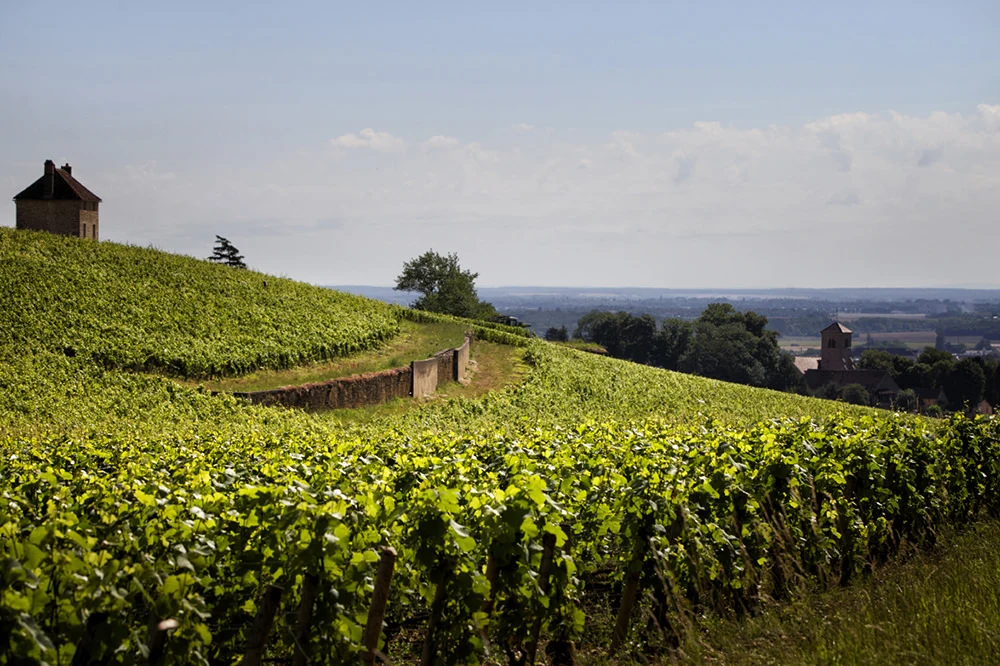
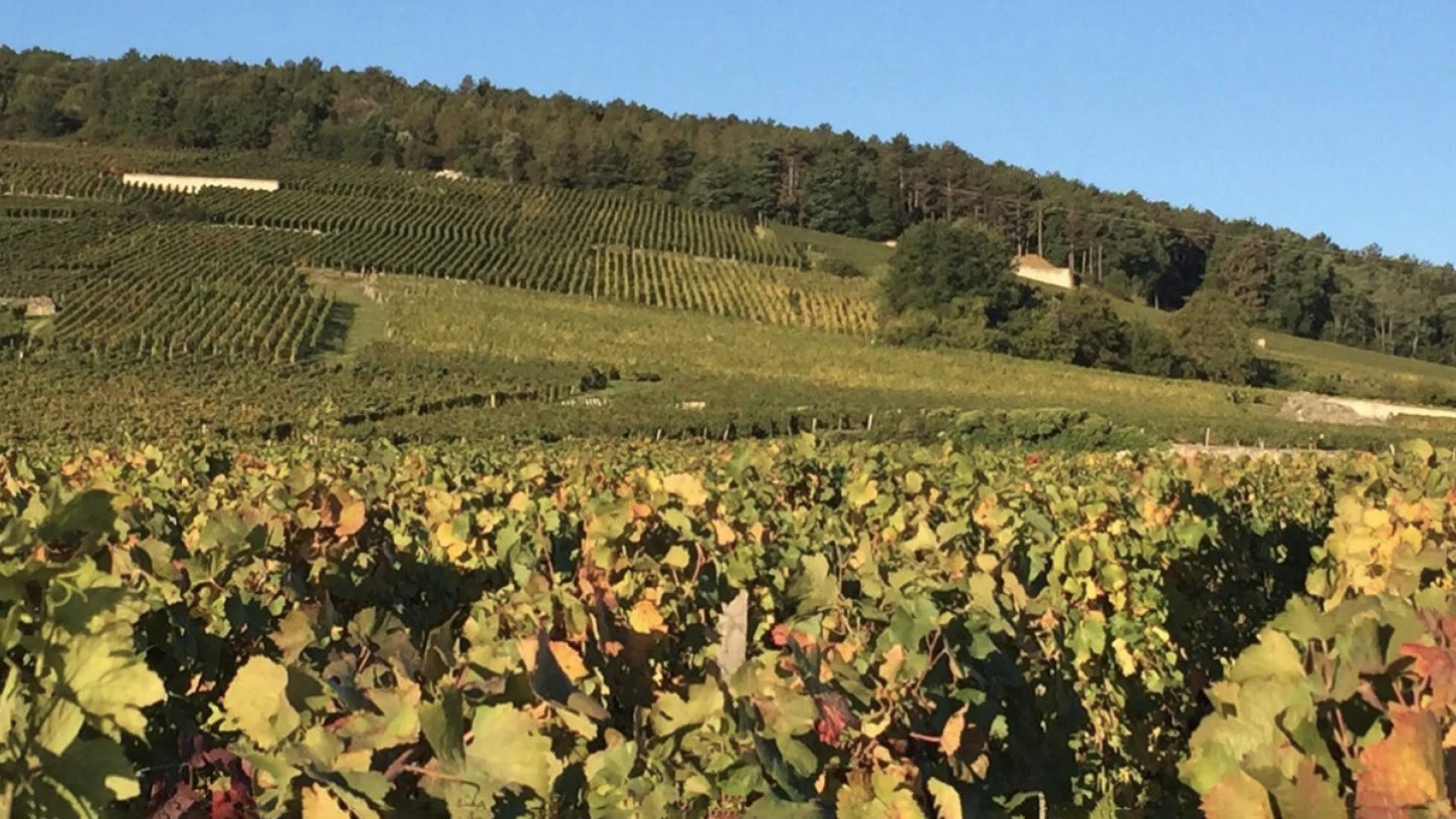
Lyon has always been unusually well placed for this conversation. The city looks north toward Beaujolais, south toward the Rhône, and inward toward a dining culture where wine is part of the meal’s grammar. Majolia uses that position with precision. The project is based in Lyon, while its wine identity draws from northern Beaujolais, where Gamay, granitic and clay-limestone soils, and a temperate climate with continental influence shape the category’s familiar profile: freshness, red fruit, and supple tannin rather than weight.
Beaujolais Gamay, Rewritten Without Alcohol
The serious point here is not novelty for its own sake. Alcohol-free wine often fails when it behaves like a soft drink dressed in wine vocabulary. Majolia’s stronger argument is structural: Le Gamay is made from Gamay grapes, vinified first as wine in northern Beaujolais, matured for six months in concrete vats, then dealcoholized by low-temperature vacuum distillation through a certified European partner. That sequence matters because it treats the base wine as the foundation, not a disposable step before flavor correction.
For Beaujolais, Gamay is not a neutral grape choice. It is the region’s calling card, a variety associated with aromatic lift, brightness, and light tannic shape. In a dealcoholized red, those traits are practical advantages. Heavy extraction and oak would have nowhere to hide once alcohol disappears; a fresher grape with natural fruit clarity gives the format a better chance of retaining wine-like proportion. Majolia’s retail expression, Le Gamay, is described as medium-sweet, light ruby red, and fruit-led, with raspberry and wild strawberry notes and fine tannins. Those are not incidental tasting adjectives; they place the drink inside the Beaujolais register rather than the generic alcohol-free red category.
The production story also signals where the premium no-alcohol category is heading. The more convincing producers are not pretending alcohol removal is invisible. They explain the intervention, then ask whether the remaining drink still has origin, texture, and pairing logic. Low-temperature vacuum distillation is central to that claim because it is designed to reduce heat damage and preserve aroma. The method does not make the wine traditional, but it gives the argument technical credibility.
A Tasting Built Around Explanation, Not Spectacle
The hospitality format is deliberately educational. The hosted experience runs for 120 minutes and brings together alcohol-free wine tasting, local food items, technical presentation, history, and pairing advice. Le Gamay appears alongside Chardonnay and Sparkling expressions in the tasting context, which broadens the conversation beyond one red cuvée and lets guests compare how different wine styles behave once alcohol is removed.
Amir Bechar, named as founder and host of the “Meet the Maker of MAJOLIA” experience, gives the format a maker-led structure, but the more interesting story is category formation. In traditional wine tourism, visitors often arrive with a working vocabulary: appellation, vintage, cellar, barrel, terroir. Alcohol-free wine has to teach its own standards while borrowing enough of that vocabulary to feel legitimate. Majolia leans into that tension. The experience is not built around cellar-door nostalgia; it is built around explanation, comparison, and the question of how much of Beaujolais can survive a modern technical process.
The setting reinforces that hybrid identity. Majolia is Lyon-based, but tastings are associated with Domaine Melinon in Villié-Morgon, pulling the experience toward vineyard country rather than leaving it as an urban beverage concept. That matters for travelers because the land is part of the argument. A no-alcohol Gamay tastes different when framed by Beaujolais soils, growers, and local food pairings than it would in a generic tasting room.
Where It Fits in Lyon's Wine Conversation
Majolia is strongest for drinkers who care about wine ritual but want or need to avoid alcohol: health-led travelers, religious abstainers, pregnant guests, moderation-minded diners, and serious wine people curious about where the category is going. It is less suited to anyone looking for a high-volume bar atmosphere or trophy-label tasting. The pace is smaller, the tone more explanatory, and the value lies in understanding process and terroir rather than chasing a critic score.
The sustainability angle is part of that positioning. The brand works with local winegrowers committed to sustainable viticulture, with attention to biodiversity, reduced chemical inputs, and resource conservation. The alcohol-removal process is also framed around limiting waste and energy use. Those details do not amount to a certification story, but they do show that Majolia is trying to connect moderation, sourcing, and technique rather than treating alcohol-free wine as a purely lifestyle product.
Recognition is not the central reason to pay attention. The stronger signal is the format itself: a small, young independent brand using Beaujolais Gamay, traditional vinification, concrete maturation, and a guided hospitality model to make alcohol-free wine feel specific to place. In Lyon, where wine and dining remain deeply intertwined, that is a sharper proposition than another generic tasting flight.
For broader planning around the city, use Our full Lyon wineries guide, Our full Lyon experiences guide, Our full Lyon restaurants guide, Our full Lyon bars guide, and Our full Lyon hotels guide. For a wider view of European wine travel, compare the range of estate and producer formats at A. Margaine in Villers-Marmery, Abbaye de Fontfroide in Narbonne, Abbotts & Delaunay in Marseillette, Advini in Saint Felix De Lodez, Agrapart & Fils in Avize, Alain Brumont in Castelnau Riviere Basse, Alain Gras in Saint-Romain, Albert Boxler in Niedermorschwihr, »der Steiner« Hans Steiner in Podersdorf am See, and & Handwein in Mannheim.
Questions
Frequently asked
How expensive is Majolia?
Majolia is listed at a price level of $$$.
The field
How it compares
| Place | Notes | Awards |
|---|---|---|
| Majolia | 2nd arrondissement, $$$ | · |
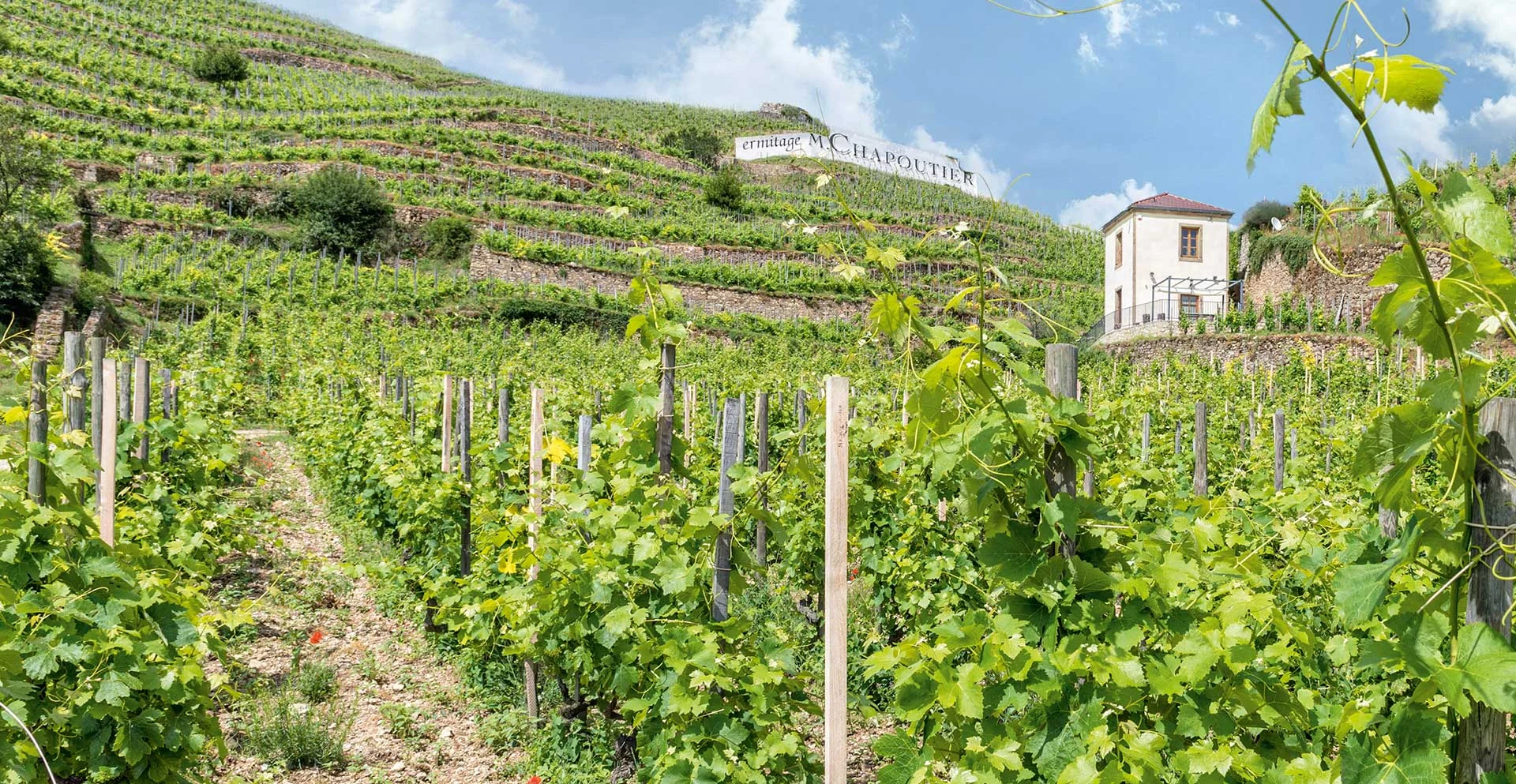
| Chapoutier | Tain-l'Hermitage | World's 50 Best |
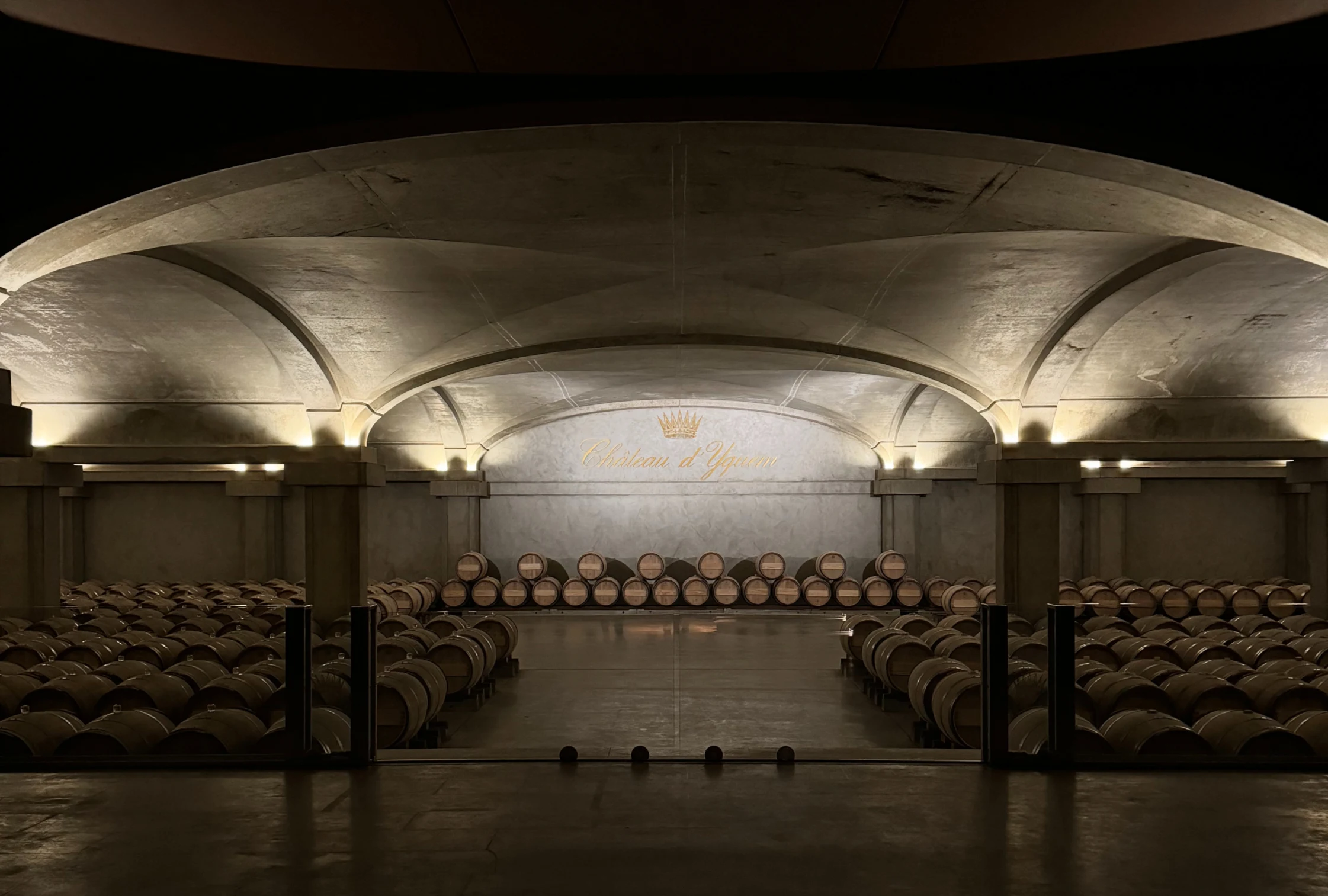
| Château d'Yquem | Sauternes | World's 50 Best |
| Chateau Leoville Las Cases | Saint-Julien-Beychevelle | · |
| Domaine Bonneau du Martray | Pernand-Vergelesses | · |
| Domaine Denis Mortet | Gevrey-Chambertin | · |
| Domaine Emmanuel Rouget | Flagey-Echézeaux | · |