Man Wah
In Residence
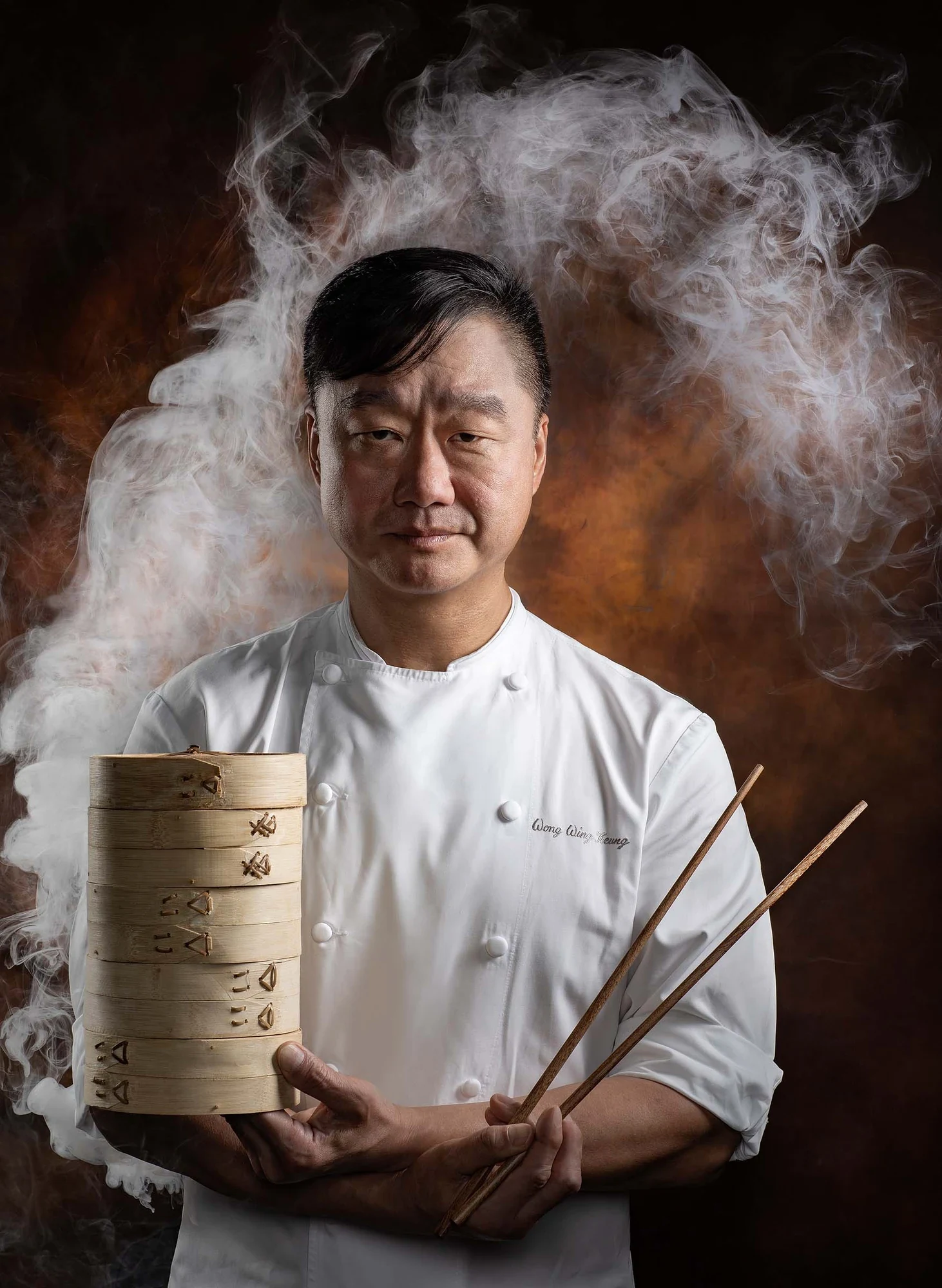
Wong Wing Keung
Chef
- 01CuisineMichelin-Starred Cantonese
- 02CityHong Kong, Hong Kong
- 03RecognitionOne Michelin Star
- 1 Michelin Star · Michelin Guide
- Star Wine List · 2026
- Forbes 4-Star · 2026
- La Liste Top Restaurants: 80pts · 2026
- Opinionated About Dining Top Restaurants in Asia Ranked #150 · 2026
- Michelin 1 Star · 2026
- SCMP 100 Top Tables Restaurants · 2026
- La Liste Top Restaurants: 85.5pts · 2025
- Forbes 4-Star · 2025
- Michelin 1 Star · 2025
- Opinionated About Dining Top Restaurants in Asia Ranked #153 · 2025
- Michelin 1 Star · 2024
- Opinionated About Dining Top Restaurants in Asia Ranked #140 · 2024
Twenty-Five Floors Above the Harbour, the Heat Is Still Everything
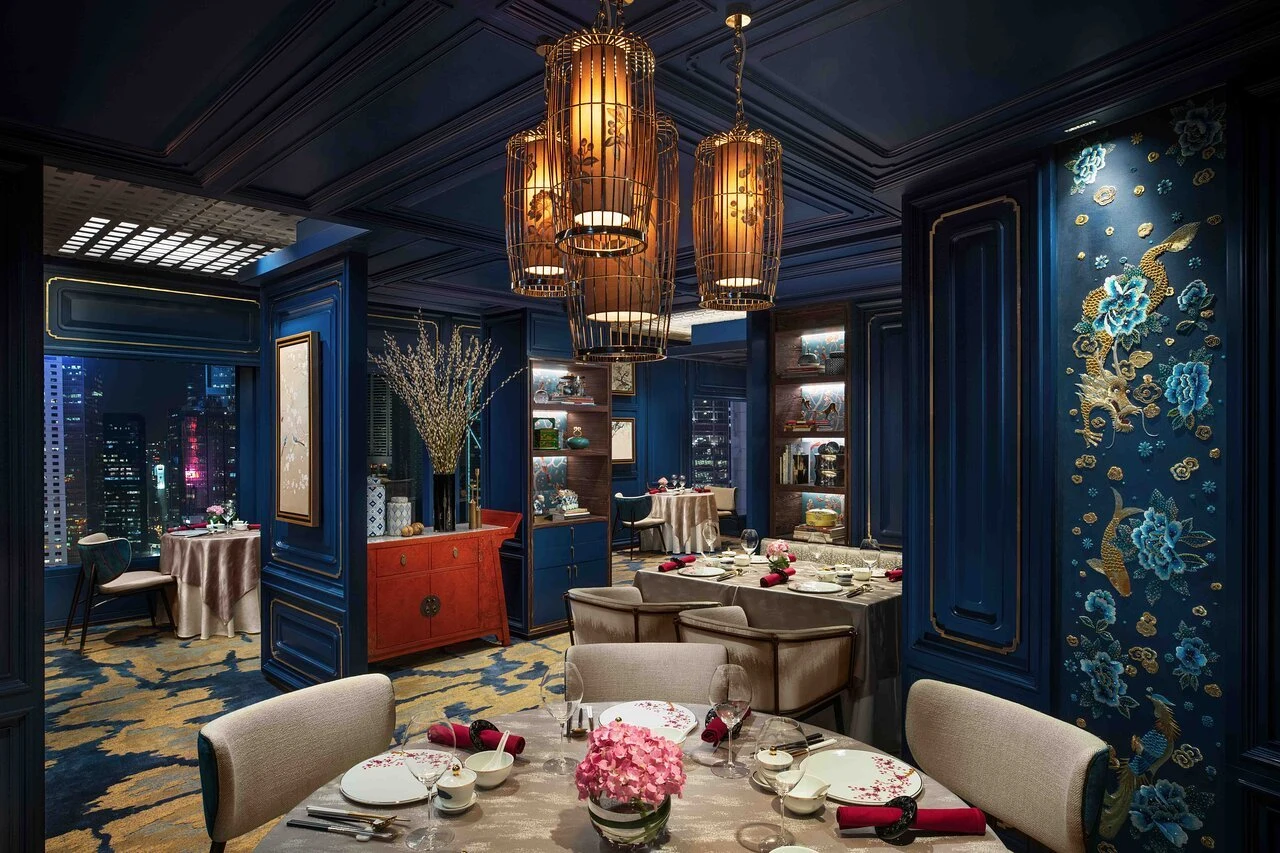
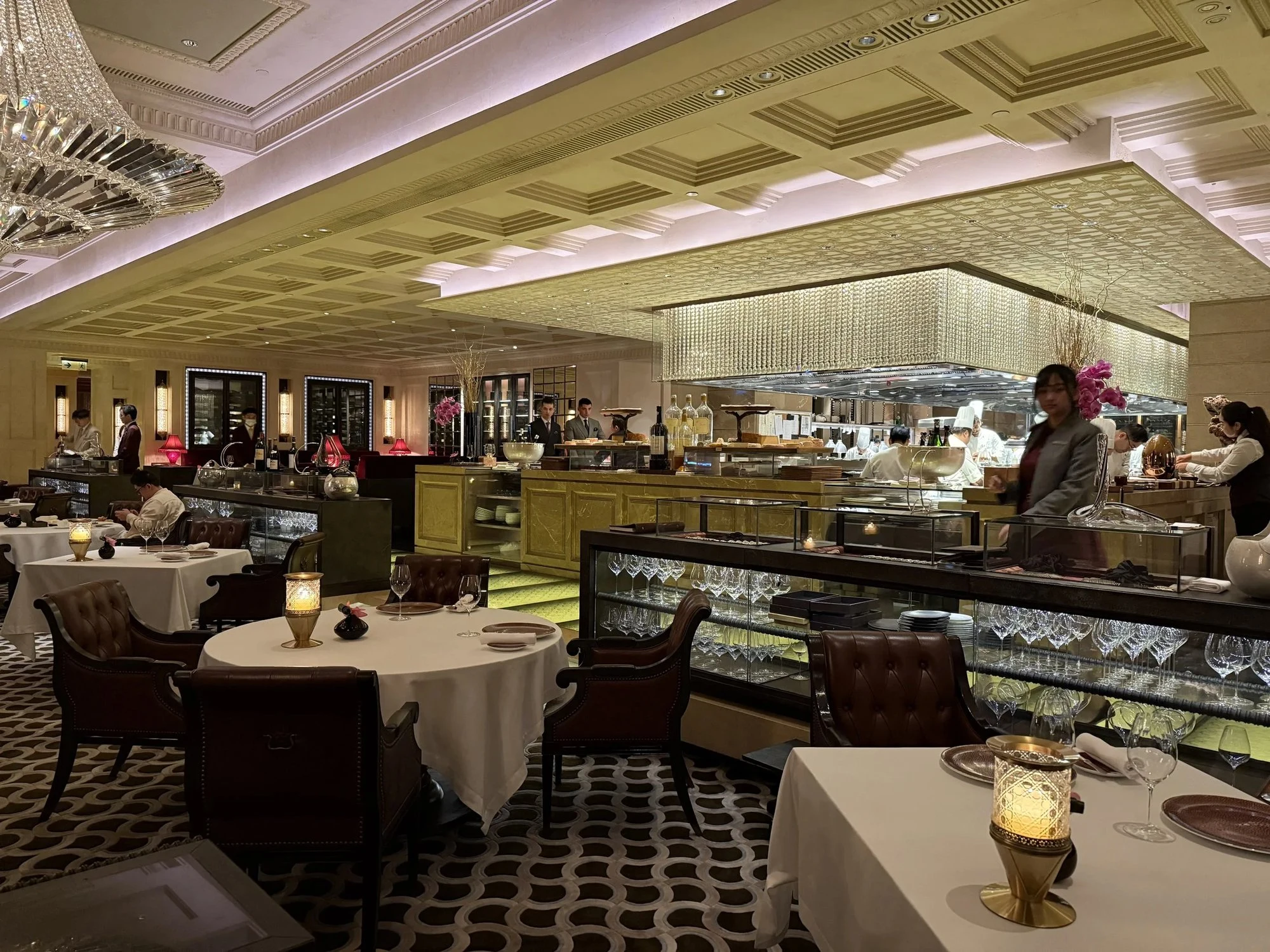
The lift opens on the 25th floor of the Mandarin Oriental Hong Kong and the first thing that registers is not the view over Central, though the view is considerable. It is the stillness of the room: royal blue lacquered panels, wood-dark accents, birdcage chandeliers casting warm pools of light across tables that feel deliberately spaced for conversation rather than volume. Man Wah is a Michelin-starred Cantonese restaurant on the 25th floor of the Mandarin Oriental Hong Kong in Central, Hong Kong, where the room wears that confidence without effort. In a city where hotel dining rooms sometimes feel like airport lounges with better glassware, this one has a clarity of character that takes time to build and cannot be faked.
The Cantonese tradition Man Wah operates within is one of the world's most technically exacting cooking forms. Wok hei, the "breath of the wok," depends on a Chinese carbon-steel wok at temperatures that most Western stove burners cannot reach, a cook with the speed to prevent protein from toughening in the first fifteen seconds of contact, and ingredients of a quality that can survive that assault without hiding behind sauce. There is nowhere to mask a lapse in technique when the dish is as direct as a sauteed lobster in superior fish broth or a pan-seared scallop finished with bean crumb. Both appear among the kitchen's signature plates here, and both represent the category of Cantonese cooking where precision at high heat is the entire argument.
The Sunday letter
Find new places through the people who run them.
Our Sunday email brings you the chefs, winemakers and hoteliers behind our newest stories. See a sample before you subscribe.
See a sample of the Sunday emailOne email a week. Unsubscribe from any issue.
Where Man Wah Sits in Hong Kong's Cantonese Hierarchy
Hong Kong's fine-dining Cantonese tier is among the most competitive dining environments anywhere. The city that produced Lung King Heen, the first Chinese restaurant in the world to receive three Michelin stars, and houses multiple-star addresses such as T'ang Court and Lai Ching Heen, grades Cantonese cooking against a standard that most other cities do not approach. Man Wah holds a Michelin one-star rating (2024). La Liste, which aggregates critical consensus globally, scored the restaurant at 85.5 points in 2025 and 80 points in 2026.
Those figures put Man Wah in a clearly defined bracket: above the broad mid-range of hotel Cantonese rooms, below the three-star tier, and in sustained dialogue with a comparable set that includes addresses like Rùn and Forum. At its price point, it sits lower than several Central hotel competitors operating at $$$$, including the French rooms at Caprice and Ta Vie. The room competes on a different axis from those addresses, but the calibration is deliberate.
The Wok in Practice: What the Menu Reveals About the Kitchen
Cantonese cooking at this level is not a single technique but a repertoire of them, and the Man Wah menu maps that range with some care. The sauteed lobster with superior fish broth calls for a wok that delivers immediate, even heat and a cook who can read the moment the lobster moves from translucent to set without crossing into rubber. The pan-seared scallop with bean crumb requires that same wok heat to achieve a crust while the interior stays soft. Neither dish is decorative; both test whether the kitchen can execute the fundamentals at pace during service.
The dim sum program, available at weekend lunch and on weekday service, extends the technical argument into a different register. The steamed Shanghainese soup dumplings arrive as a pork-filled xiao long bao requiring a precisely calibrated dough thin enough to be delicate but strong enough to hold the broth without rupturing on the bamboo steamer. A pre-order item worth noting: duck feet bundled with duck liver, duck meat, and char siu, a preparation that the kitchen itself identifies as a scarce old-time dim sum. Requests require at least one day's advance notice.
The Shanghai-style smoked codfish with five spices reads as an appetizer that belongs more to the Shanghainese tradition than the Cantonese core, but the dish reflects how Hong Kong's cooking absorbed waves of migration from the mainland over the twentieth century. The result is a menu that is Cantonese in its foundations but not provincial in its references. The fried flat rice noodles with beef, a dish that in lesser hands is merely filling, appear here in what the kitchen describes as a version with chewy, properly hydrated noodles and tender beef in a well-balanced brown sauce: the measure of a line cook who understands that classic dishes require rigor, not reinvention.
Pastry and dessert carry their own logic in Cantonese tradition, and the chilled mango cream, with its fresh mango and light broth, follows the Hong Kong convention of ending with something cold, clean, and genuinely refreshing rather than the heavy European finish that hotel dining rooms sometimes default to under pressure.
The Room as Argument
The design logic of Man Wah reinforces what the kitchen is doing. The neo-Chinese aesthetic, the Shanghai Tang-uniformed service team, the champagne trolley offered as aperitif, the private dining room accommodating up to 32 guests with the option to partition for smaller parties: these are not incidental. Together they make a case that Cantonese fine dining at this address is a complete proposition, not merely a cuisine choice within a hotel building. The six-course lunch set and seven-course dinner set apply a structure that treats Cantonese cooking with formality in a hotel setting.
The wine list includes a selection of Asian labels alongside the broader offering, and it is supplemented by specialty cocktails. For guests interested in exploring regional wine culture alongside Cantonese food, this is an increasingly relevant consideration: the pairing of Chinese cuisine with wines from China, Japan, and elsewhere in Asia is a conversation that premium Cantonese rooms across the region are beginning to take seriously.
Cantonese Across Borders: A Comparative Frame
Cantonese tradition travels. Outside Hong Kong, it surfaces at different price points and in different critical ecosystems. In Macau, Jade Dragon and Chef Tam's Seasons represent the casino-hotel version of the same ambition. In Taipei, Le Palais applies the tradition within a Taiwanese hospitality context. In Singapore, Summer Pavilion operates within a comparable hotel fine-dining framework. In Shanghai, the field includes 102 House, Bao Li Xuan, Canton 8 (Huangpu), and Imperial Treasure Fine Chinese Cuisine. None of these operates in quite the same context as a Central Hong Kong address with the Mandarin Oriental's institutional weight behind it, and
The private dining room divides to accommodate smaller parties, while Chef Wong Wing Keung leads the kitchen. The champagne trolley aperitif is a small ritual that sets the register of the meal before a dish has arrived, and for first-time visitors it is worth accepting rather than declining.
What People Recommend at Man Wah
Across inspector notes and aggregated review data, three dishes appear with consistent frequency: the pan-seared scallop with bean crumb, the sauteed lobster with superior fish broth, and the Shanghainese soup dumplings (available at dim sum service only). The pre-order duck feet preparation, combining duck liver, duck meat, and char siu, earns particular attention as a preparation that has become scarce across Hong Kong's dim sum rooms generally. The chilled mango cream closes the meal in the Cantonese tradition of a cold, clean dessert, and it functions as a reset rather than an accumulation. For guests arriving at dim sum, the spring rolls with fresh shrimp and the fried flat rice noodles with beef are cited as reliable indicators of kitchen consistency. Awards credentials here include Michelin (one star, 2024).
Questions
Frequently asked
What recognition does Man Wah hold?
Man Wah holds 1 Michelin star.
Who works at Man Wah?
Made By profiles Wong Wing Keung (Chef) at Man Wah.
How expensive is Man Wah?
Man Wah is listed at a price level of $$$$.
Where is Man Wah and what does it serve?
Man Wah is in Central, Hong Kong, serving Michelin-Starred Cantonese.
The field
How it compares
| Place | Awards | Cuisine | Notes |
|---|---|---|---|
| Man Wah | Michelin 1 Star | Michelin-Starred Cantonese | Central, $$$$ |
| 8 1/2 Otto e Mezzo Bombana (Hong Kong) | Michelin 3 Stars, World's 50 Best | 3 Michelin-Star Italian Fine Dining | Hong Kong |
| Amber | Michelin 3 Stars, World's 50 Best | Contemporary French Fine Dining | Hong Kong |
| Caprice | Michelin 3 Stars, World's 50 Best | Contemporary French Fine Dining | Hong Kong |
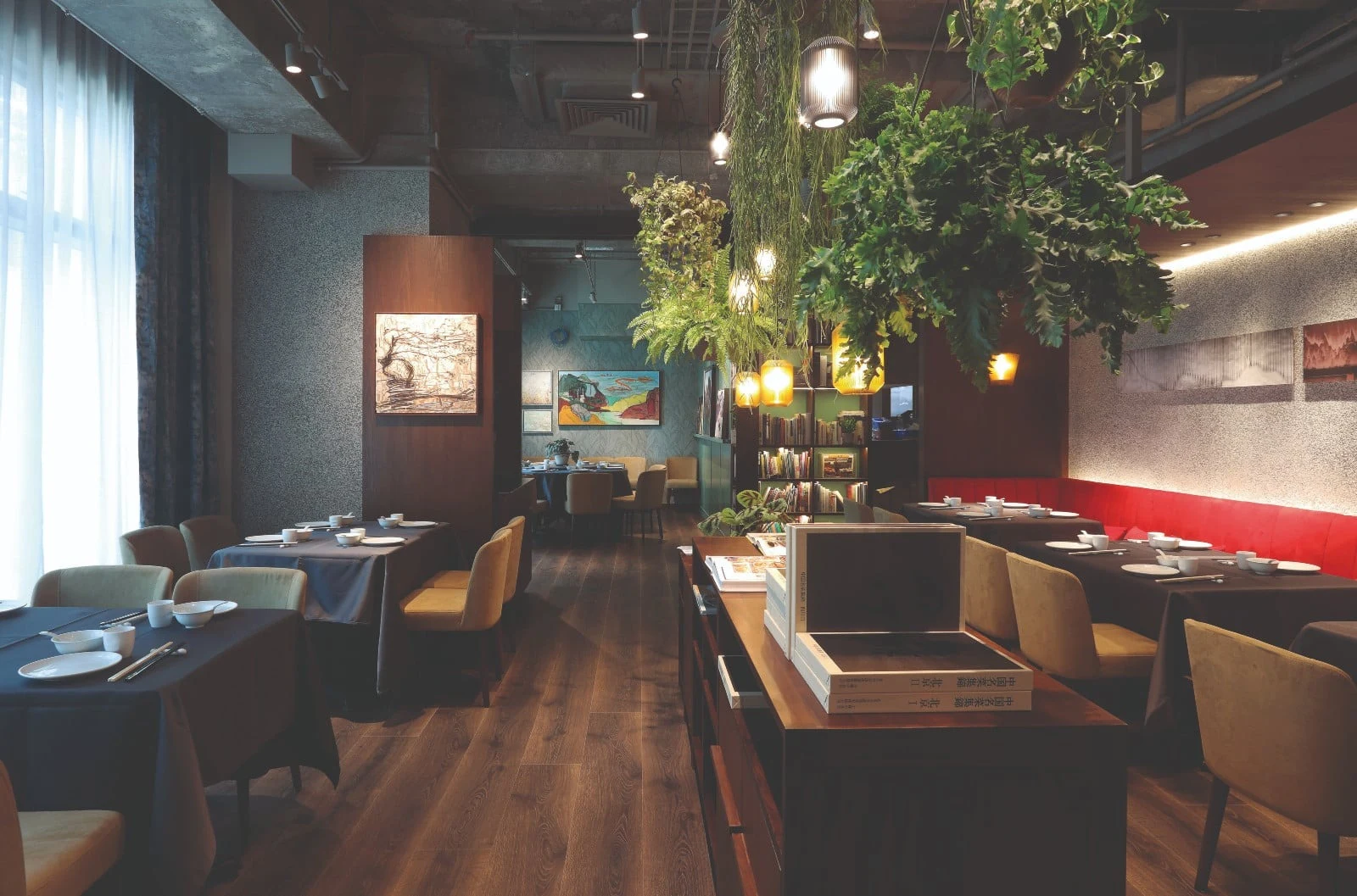
| The Chairman | Michelin 1 Star, World's 50 Best | Traditional Cantonese | Hong Kong |
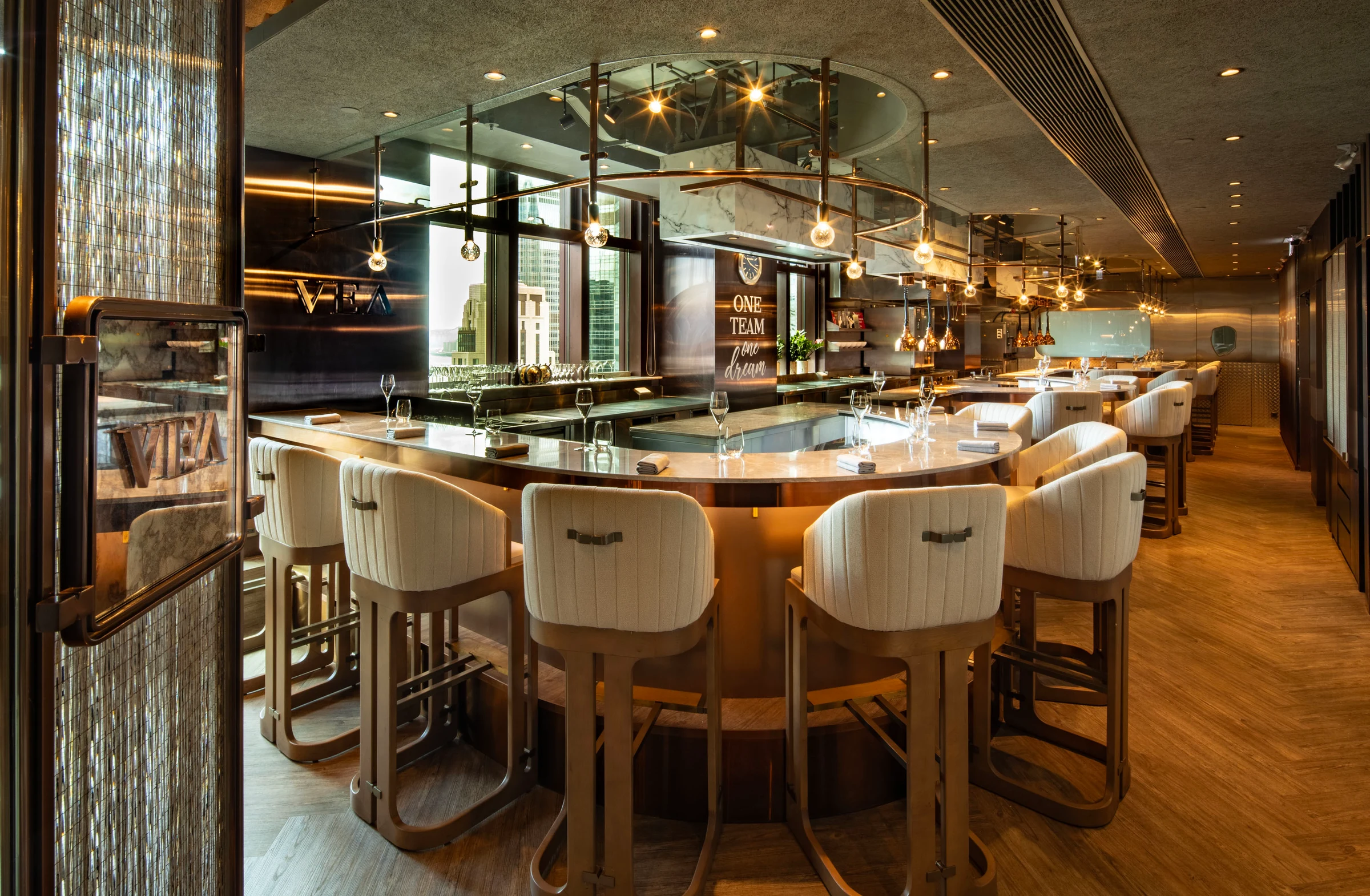
| Vea | Michelin 1 Star, World's 50 Best | Modern Chinese-French Fusion | Hong Kong |
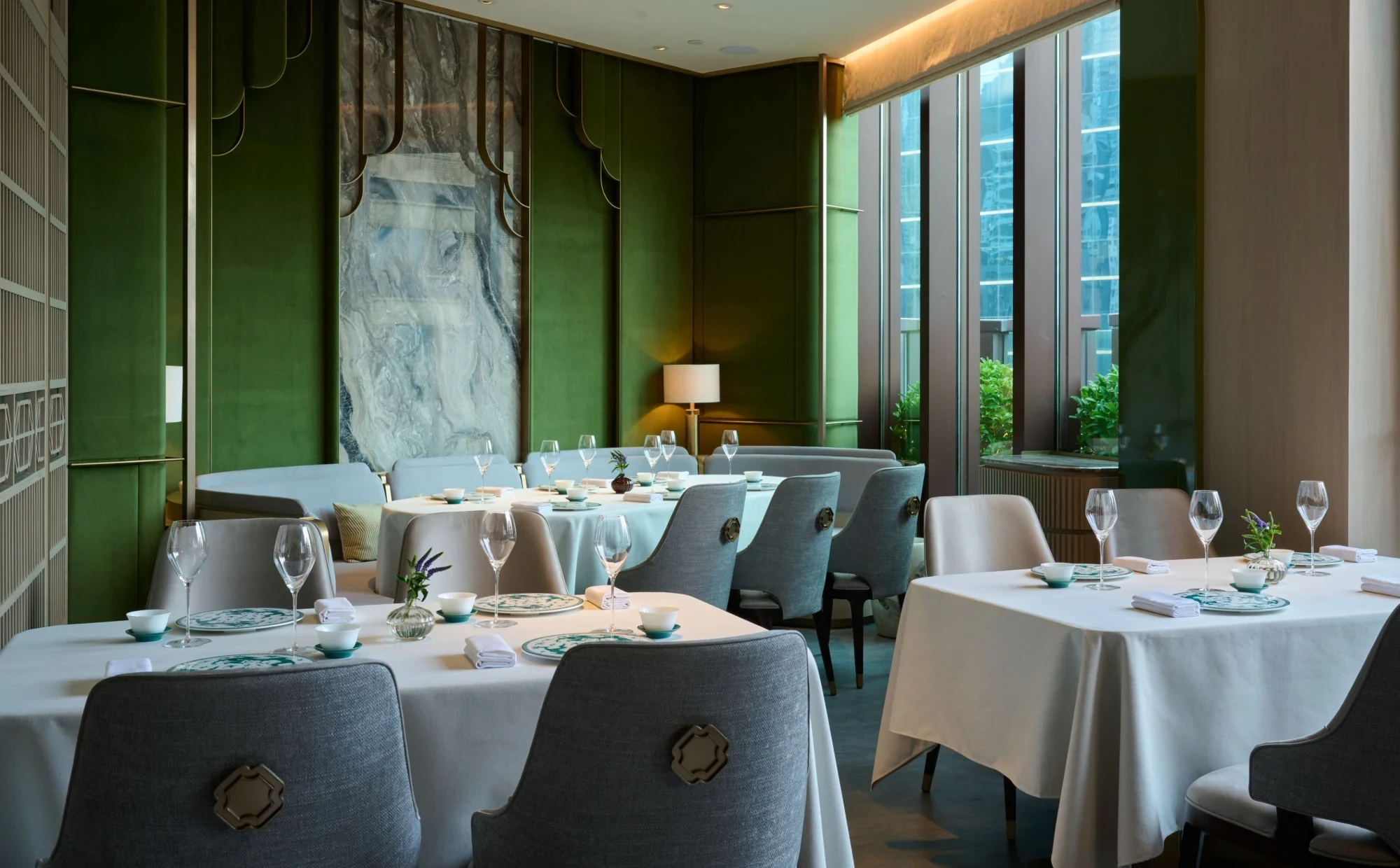
| WING Restaurant | World's 50 Best | Modern Chinese Fine Dining | Hong Kong |
In residence
Similar places
3 Michelin-Star Italian Fine Dining
8 1/2 Otto e Mezzo Bombana (Hong Kong)
Hong Kong, Hong Kong
★★★ · 50 Best
Contemporary French Fine Dining
Amber
Hong Kong, Hong Kong
★★★ · 50 Best
Contemporary French Fine Dining
Caprice
Hong Kong, Hong Kong
★★★ · 50 Best
Traditional Cantonese
The Chairman
Hong Kong, Hong Kong
★ · 50 Best
Modern Chinese-French Fusion
Vea
Hong Kong, Hong Kong
★ · 50 Best
Modern Chinese Fine Dining
WING Restaurant
Hong Kong, Hong Kong
50 Best
The Sunday letter
Get the next Made By story in your inbox.
We send one email every Sunday morning with the places and people we covered that week.
See a sample of the Sunday emailOne email a week. Unsubscribe from any issue.