Marmo
In Residence
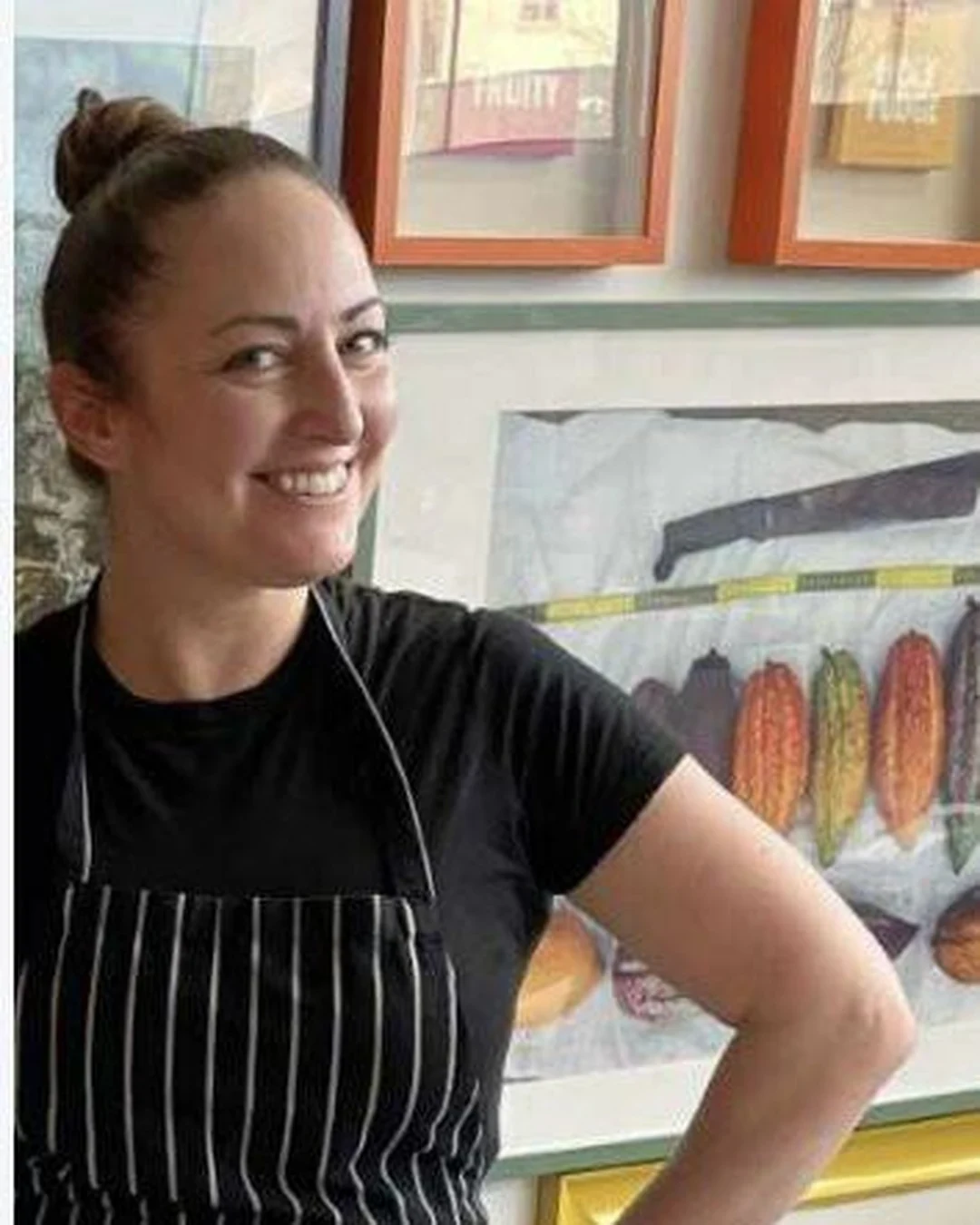
Priscilla Przygocki
Chef
- 01CuisineModern Italian Osteria
- 02CityBristol, United Kingdom
- Michelin Bib Gourmand · Michelin Guide
- Michelin Bib Gourmand · 2026
- The Good Food Guide GFG Good · 2025
- Michelin Bib Gourmand · 2025
- Michelin Bib Gourmand · 2024
Baldwin Street and the Case for Restraint
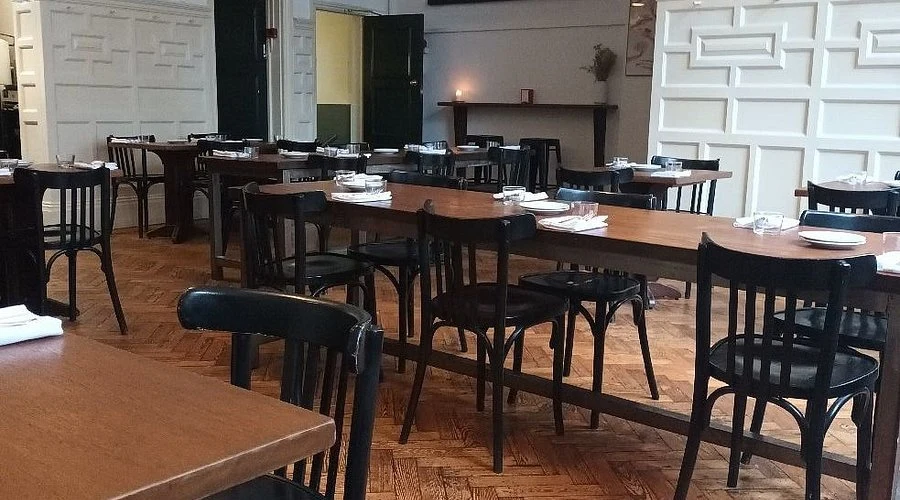
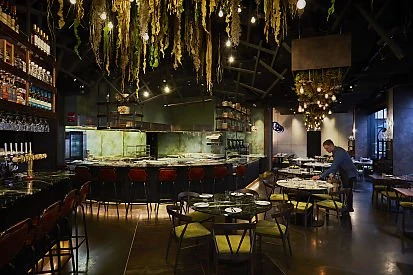
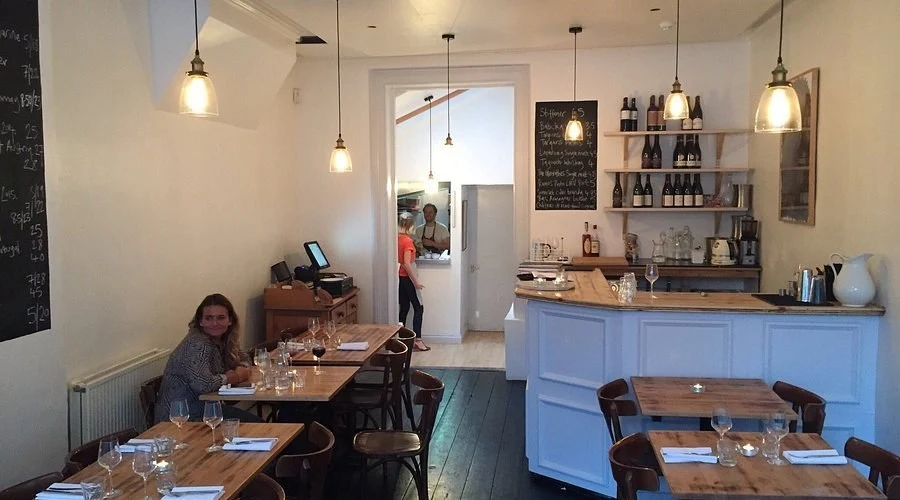
Bristol's Baldwin Street runs parallel to the Floating Harbour, a short walk from the river crossings that connect the city centre to the Wapping Wharf food strip. The street has accumulated a density of restaurants over the past decade, but the competition has also sharpened what survives. In that context, Marmo operates in a building that does considerable work before a single plate arrives: the former Guardian Assurance Building brings high ceilings, parquet flooring, and panelled walls to a room that reads as a European osteria rather than a converted commercial space. The architecture is not decorative, it sets the register for everything that follows.
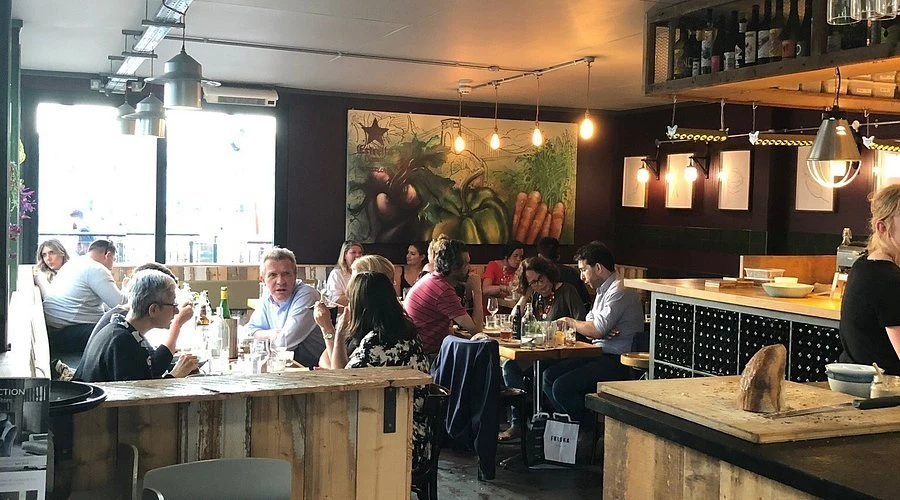
That register is casual but considered. Shared tables and window perches define the seating arrangement, and the format signals the kitchen's priorities clearly. This is not a venue organising itself around formal occasion dining, it sits in the same ££ price tier as Little Hollows Pasta and Blaise Inn, but its recognition places it in a different competitive conversation. For reference, Bulrush operates at ££££ and Adelina Yard sits in the modern cuisine bracket further along the waterfront. Marmo has chosen the more interesting position: serious cooking at informal prices.
The Sunday letter
Find new places through the people who run them.
Our Sunday email brings you the chefs, winemakers and hoteliers behind our newest stories. See a sample before you subscribe.
See a sample of the Sunday emailOne email a week. Unsubscribe from any issue.
Italian Cooking as a Discipline, Not a Theme
Italian restaurants in the UK divide broadly into two categories. There are the red-sauce trattorias that trade on familiarity, and there are the kitchens that treat Italian technique as a serious culinary framework. Marmo belongs to the second group. The menu is a single-section document that moves from appetisers to mains without hard category breaks, and its brevity is editorial rather than limited. The principle, applied consistently, is that fewer ingredients handled with precision produce more flavour than complex constructions.
Chef Priscilla Przygocki works within that discipline. Hand-rolled strozzapreti with wild boar ragu is a representative dish: the pasta form is specific, the protein is seasonal, and the flavour argument is made through ingredient quality rather than technique layering. It is the kind of cooking that looks simple and isn't, which is a harder case to make in a restaurant market that often equates complexity with value.
Sourcing local raw materials is the foundation of that approach. The kitchen draws on British produce, venison, artichoke, celeriac, and interprets it through an Italian lens rather than importing Italian authenticity wholesale. That distinction matters for understanding what kind of Italian restaurant this is. It is not a regional specialist replicating a particular Italian province, but a kitchen using Italian cooking logic as the frame for whatever the season offers. The comparison that clarifies this most is probably international: cenci in Kyoto does something structurally similar, Italian training applied to local Japanese ingredients, while 8½ Otto e Mezzo Bombana in Hong Kong represents the other pole, transplanting classical Italian form to a different geography without local material compromise.
The Wine Bar Dimension
Marmo's wine list is where the osteria identity becomes most legible. The by-the-glass selection is designed to prompt experimentation rather than default to the familiar. A Jean-Philippe Fichet Bourgogne Aligoté handles the theoretically challenging acidity of artichoke; a half-fermented, fizzing Garnacha brings enough tannin structure to meet red meat. These are not obvious commercial choices, and their presence signals a wine program built around pairing logic rather than margin optimisation.
The full bottle list can sit in slight tension with the hearty, informal room. That tension is worth naming honestly: Marmo's food pricing is democratic, but diners who lean into the bottle list will push the overall spend into a different bracket. For those who want the full Marmo experience without that friction, the by-the-glass selection does the work.
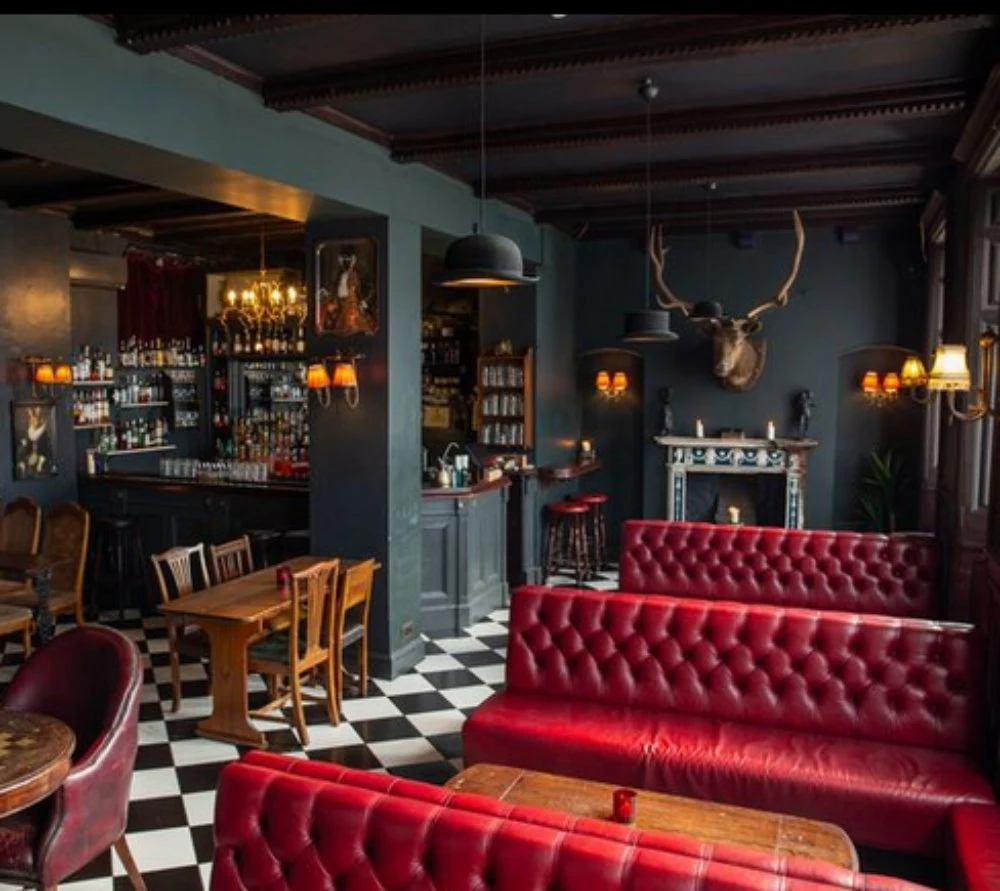
This reflects a broader pattern in Bristol's eating scene, where the boundary between bar and restaurant has become less fixed, particularly in the harbour-adjacent restaurant quarter. Bristol's bar scene has been developing its own wine-forward character, and Marmo's apero offering sits at the intersection of both impulses.
What Michelin's Bib Gourmand Signals Here
Marmo has held the Michelin Bib Gourmand in both 2024 and 2025. The Bib Gourmand designation is specific: it marks restaurants where inspectors find quality cooking at a price they consider reasonable, currently set at three courses for under £37 in the UK. It is not a lesser version of a star, it is a different category, tracking value-to-quality ratio rather than ceiling ambition. The distinction matters when comparing Marmo to Bristol's starred or star-adjacent kitchens.
Nationally, the Bib Gourmand cohort includes casual formats that have found ways to operate serious kitchens without formal-dining pricing. Marmo belongs to that cohort. For context on where formal-dining ambition sits in the UK, L'Enclume in Cartmel, Moor Hall in Aughton, The Fat Duck in Bray, The Ledbury in London, Gidleigh Park in Chagford, and Hand and Flowers in Marlow all operate at a different structural level. Marmo is not competing with that tier, it is making a separate argument about what Italian cooking in a British city can look like when stripped of pretension. The Google rating of 4.6 across 365 reviews suggests that argument is landing with a broad audience, not just critical ones.
Planning Your Visit
Marmo is at 31 Baldwin Street, Bristol BS1 1RG, in the restaurant quarter close to the river. The address puts it within walking distance of the city centre and a short distance from the waterfront, making it practical as either a standalone dinner destination or a stop within a broader evening. The ££ price range means it is accessible without advance budget planning, though diners who plan to work through the bottle list should account for that separately. The apero bar running on Friday and Saturday evenings offers a lower-commitment entry point for those who want to experience the room and the wine list before committing to a full meal. Service is noted as confident and personable, which in a room without the formality of a full table-service restaurant matters considerably for the overall experience.
Questions
Frequently asked
What recognition does Marmo hold?
Marmo holds a Michelin Bib Gourmand.
Who works at Marmo?
Made By profiles Priscilla Przygocki (Chef) at Marmo.
How expensive is Marmo?
Marmo is listed at a price level of $$.
Where is Marmo and what does it serve?
Marmo is in Central, Bristol, serving Modern Italian Osteria.
The field
How it compares
| Place | Cuisine | Notes | Awards |
|---|---|---|---|
| Marmo | Modern Italian Osteria | Central, $$ | · |
| Blaise Inn | Modern British Gastropub | Bristol | · |
| BOX-E | Modern British Bistro | Bristol | · |
| Bulrush | Modern British Fine Dining | Bristol | Michelin 1 Star |
| Jon & Vinny’s | Modern Italian Osteria | Los Angeles | · |
| Root | Modern Vegetable-Led Small Plates | Bristol | · |
| Wilsons | Modern British Fine Dining | Bristol | Michelin 1 Star |
In residence
Similar places
Modern British Gastropub
Blaise Inn
Bristol, United Kingdom
Modern British Bistro
BOX-E
Bristol, United Kingdom
Modern British Fine Dining
Bulrush
Bristol, United Kingdom
★
Modern Italian Osteria
Jon & Vinny’s
Los Angeles, United States
Modern Vegetable-Led Small Plates
Root
Bristol, United Kingdom
Modern British Fine Dining
Wilsons
Bristol, United Kingdom
★

The Sunday letter
Get the next Made By story in your inbox.
We send one email every Sunday morning with the places and people we covered that week.
See a sample of the Sunday emailOne email a week. Unsubscribe from any issue.